
Efficient packing for long trips begins with a thorough understanding of your travel needs. Recognizing your unique travel style is crucial; whether you are an adventurous backpacker or a luxury traveler will significantly influence your packing strategy. For instance, minimalist travelers often prioritize versatile clothing that can be mixed and matched, while those who prefer comfort may opt for more relaxed outfits. Establishing your travel style helps to streamline your Packing Tips list and prevents overloading your luggage. Additionally, destination climate plays a pivotal role in what you should include in your luggage. A trip to a tropical destination demands lightweight, breathable fabrics, whereas a journey to a colder region requires warm layers and water-resistant outerwear. By evaluating the climate of your destination ahead of time, you can pack accordingly and avoid the inconvenience of unexpected weather conditions during your travels.
The nature of your trip also impacts your packing list. Different activities require specific items; for example, if your itinerary includes hiking, essential gear such as sturdy shoes, trekking poles, and sufficient hydration supply will need to be accounted for. Conversely, if your travels revolve around business meetings, professional attire will be a priority. Understanding the activities planned on your trip helps in determining the appropriate clothing and supplies to bring along, enhancing your overall travel experience.
Ultimately, a comprehensive assessment of your travel style, the climate of your destination, and the nature of your trip allows for a tailored packing strategy. This thoughtful approach not only ensures that you have what you need but also maximizes space and efficiency in your luggage, making your long trip more enjoyable.
Creating a Packing List
When preparing for a long trip, an effective packing list serves as the cornerstone of successful organization, ensuring that no essential item is overlooked. To create a comprehensive packing list, begin by categorizing items into specific groups such as clothing, toiletries, electronics, and travel documents. This systematic approach simplifies the packing process and helps prevent confusion during the trip.
Start with the basics: under the clothing category, consider the climate of your destination and the duration of your trip. Pack essential garments that can be mixed and matched to maximize your outfit options while minimizing luggage bulk. Be mindful to include versatile layers for varying weather conditions and a few non-essential pieces for leisure or special occasions.
Next, examine toiletries and personal care items. Compile a list of necessary items, such as toothbrushes, shampoo, and medications. Here, it is prudent to differentiate between essential and non-essential products. For instance, while a travel-sized bottle of shampoo may be vital, luxurious items like high-end skincare may not be as necessary.
Electronics also require careful consideration. Create a checklist that includes chargers, headphones, and adapters. Ensure you assess which items are indispensable for your trip, allowing you to avoid excessive weight in your luggage. Similarly, travel documents such as passports, visas, and insurance information should find a dedicated spot on your list.
Continuously refine your list by identifying what you need versus what you want. Regularly reviewing and adjusting your packing list based on previous travel experiences can further enhance your packing efficiency. In conclusion, categorizing items thoughtfully and focusing on essential versus non-essential items enables a more streamlined and effective packing experience, ensuring that you are well-prepared for your long trip.
Choosing the Right Luggage
When preparing for long trips, selecting the appropriate luggage is essential to ensure a smooth travel experience. The type of luggage you choose can greatly affect your mobility, convenience, and even the overall enjoyment of your journey. Here, we will explore various options, including suitcases, backpacks, and duffel bags, along with their respective pros and cons.
Suitcases, traditionally known as hard or soft-sided options, are a popular choice for travelers seeking maximum protection for their belongings. Hard-shell suitcases offer durability and security but can be heavier and less maneuverable. Conversely, soft-sided suitcases tend to be lighter and more flexible, allowing for easier storage in cramped spaces. However, they may not provide the same level of protection against damage or theft.
On the other hand, backpacks offer an unparalleled level of portability and convenience, especially for those who prefer a hands-free experience. Backpacks are ideal for navigating crowded airports or uneven terrains. They typically distribute weight evenly, promoting comfort over long distances. However, their capacity may be limited in comparison to suitcases, and packing can be less organized.
Lastly, duffel bags present a versatile alternative. They are usually spacious and can be easily carried by hand or slung over the shoulder. Duffel bags are beneficial for casual trips where organization is less of a concern. However, they may lack structure, making it hard to pack efficiently and potentially leading to disorganized contents.
Ultimately, the right luggage choice hinges on your personal travel needs, including duration, destination, and type of activities planned. Consider the implications of weight, organization, and security when making your selection, as these factors will contribute significantly to your overall travel experience.
Mastering the Art of Packing Techniques
Packing for long trips requires more than simply tossing items into a suitcase; employing effective packing techniques can significantly improve your travel experience. Three popular methods are rolling, bundling, and using packing cubes, each offering unique advantages that contribute to space maximization and wrinkle minimization.
Rolling is a widely recommended technique that involves tightly rolling clothing items instead of folding them. This method not only saves space but also allows for easier visibility of your packed items, making it simple to locate specific garments without disrupting the entire packing arrangement. Additionally, rolled clothes tend to have fewer wrinkles, as they are less subjected to creasing compared to items that are folded. This technique is particularly effective for casual clothing and t-shirts.
Another useful technique is bundling. This method entails wrapping smaller items of clothing around a core, usually a more durable item, such as a jacket or a thicker garment. By bundling, you create a secure package that reduces movement within the suitcase, thereby minimizing wrinkles. Furthermore, bundling allows for the efficient use of available space, enabling you to fit additional items neatly into your travel bag.
Utilizing packing cubes is yet another helpful packing technique that can organize your travel essentials effectively. These cubes compartmentalize your items, making it easy to categorize clothing by type or purpose. They help maximize the space in your suitcase, allow for organized packing, and also make unpacking at your destination straightforward. Packing cubes reduce chaos and provide flexibility, allowing you to combine different packing techniques as needed.
In conclusion, mastering these packing techniques can enhance your travel efficiency significantly, preserving the integrity of your clothing and ensuring a well-organized luggage situation for long trips.
Essentials vs. Extras
Packing for a long trip can often present a challenge in determining what items are truly essential and which ones are merely extras. Essentials are those items fundamental for your comfort and convenience, while extras might enhance your experience but are not necessary. Understanding this distinction can help in streamlining your packing list, ensuring that you travel light without sacrificing comfort.
Start by creating a list of must-have essentials tailored to the nature of your trip. For instance, if you’re going on a beach vacation, essential items may include swimwear, sunscreen, and a hat. In contrast, extras could include beach toys or additional footwear that may go unused. Prioritizing items that serve multiple purposes is a useful strategy. A lightweight sarong, for example, can function as a beach cover-up, a blanket, or a scarf, effectively saving space in your luggage.
Additionally, consider the duration and location of your trip when determining your essentials. For longer trips, clothing may require more careful selection to ensure versatility. Items such as neutral-colored clothing can be mixed and matched to create various outfits. It is also vital to include personal hygiene products, medications, and necessary documents, ensuring they are easily accessible.
Moreover, while it is tempting to bring along various gadgets and entertainment items, evaluating their necessity is crucial. Aim for lightweight, compact alternatives, such as an e-reader instead of multiple books, to minimize bulk. Ultimately, the key to efficient packing lies in striking a balance between comfort and convenience without succumbing to the urge to overpack.
Incorporating Versatile Clothing
Packing efficiently for long trips necessitates careful consideration of clothing choices. One of the most effective strategies is incorporating versatile clothing items that can be easily mixed and matched to create a variety of outfits. This approach not only maximizes packing space but also enhances the wardrobe’s adaptability to different occasions, whether they be casual outings, formal events, or outdoor adventures.
Versatile clothing staples include basic tops, neutral bottoms, and layerable pieces. For instance, a classic white button-down shirt serves as an excellent base; it can be dressed up with a blazer for a professional setting or paired with jeans for a casual look. Similarly, a pair of well-fitted black trousers can transition from a business meeting to dinner, making them a worthy addition to any travel wardrobe.
Another essential is the multi-functional dress. A simple, solid-color dress can be accessorized with a scarf, statement jewelry, or a belt to create different looks. Furthermore, consider packing lightweight layers such as cardigans or versatile jackets. These can provide warmth during cooler evenings or windy days while enabling you to adjust your outfit seamlessly as the climate changes.
Footwear is another area where versatility is key. Packing a pair of comfortable yet stylish shoes that can be worn for various occasions, such as loafers or ankle boots, helps in minimizing luggage. In essence, by focusing on a palette of coordinating colors and styles, you can create a multitude of outfits that not only save space in your luggage but also prepare you for any situation during your travels.
7. Making Use of Every Space
When preparing for long trips, efficient packing can significantly impact your travel experience. One way to achieve this is by making optimal use of every available space in your luggage. Understanding how to utilize compartments effectively can maximize your packing potential. A strategic approach not only saves space but also keeps your belongings organized and easy to access.
For instance, when packing shoes, consider filling them with smaller items such as socks, chargers, or even toiletries. This method not only makes effective use of otherwise empty space but also helps to maintain the shape of the shoes during transit. Opt for packing lightweight items that can easily be compressed, ensuring that the internal area of the shoes is used to its fullest capacity.
Toiletries are another essential component that can be cleverly packed. Rather than spreading them out in your luggage, consider using zippered bags or packing cubes to compartmentalize and group these items. This technique not only saves space but also protects your clothes from potential spills or leaks. Additionally, look for travel-sized containers to minimize bulk. When packing, place these bags strategically in any gaps or corners of your suitcase.</p>
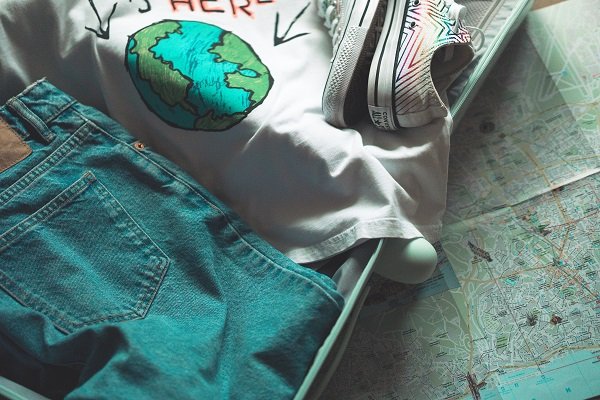
Another effective method is to roll clothing instead of folding it. This not only creates a tighter fit within your suitcase but also minimizes wrinkles, which can be particularly beneficial during long trips. By rolling items like t-shirts, pants, and even underwear, you can create a more uniform layer, thus utilizing the suitcase’s space more effectively.
Lastly, don’t forget about those smaller empty spaces that can be easily overlooked. Items like belts or ties can be looped around the inside perimeter of your suitcase, or smaller gadgets can be placed in pockets or the outer compartments of your luggage. These small adjustments, while seemingly minor, can contribute significantly to maximizing your packing efficiency for long trips.
Reducing Weight and Bulk
Packing efficiently for long trips requires a careful approach to reducing both weight and bulk in your luggage. Traveling light not only eases the burden of carrying heavy bags, but also allows for increased flexibility and convenience during your travels. An essential first step is to be mindful of airline weight limits for checked luggage and carry-ons. Exceeding these limits can lead to significant fees or last-minute adjustments before boarding your flight.
One effective strategy is to prioritize your packing list. Begin by distinguishing essential items from those that are merely nice to have. Aim to include versatile clothing pieces that can be mixed and matched, which helps in minimizing the overall number of garments you need to carry. Fabrics such as lightweight merino wool or synthetic blends are excellent options, as they are both lightweight and quick-drying, allowing you to wash and wear easily.
Another critical aspect to consider is the use of packing aids such as compression bags or packing cubes. These tools not only help in organizing your items but also reduce the amount of space they occupy, thus significantly minimizing bulk. Utilizing space in shoes for smaller items and rolling clothes instead of folding can also contribute to an efficient packing strategy.
Furthermore, while careful selection of travel toiletries is vital, consider transferring these items into travel-sized containers to reduce weight. Weight can be saved by avoiding heavy books and instead utilizing e-readers or downloading necessary documents and guides to a smartphone or tablet.
Adopting a mindset of traveling light can enhance your overall travel experience, enabling smoother transitions and reducing fatigue. By carefully considering your Packing Tips strategy, you can enjoy the journey with less physical burden and more freedom to explore.
Final Packing Tips and Tricks
As you approach the end of your Packing Tips process, it is essential to utilize effective strategies that ensure a smooth experience during your long Packing Tips. One crucial tip is to double-check your packing list. It is advisable to create a checklist that includes all the items you intended to bring on your journey. This will help prevent forgetting any necessities and allow for a more organized packing approach. Thoroughly reviewing your list as you pack can also provide peace of mind, knowing you have accounted for essential items.
Another helpful practice is to repack items to achieve a balanced weight distribution in your luggage. This is particularly important if you are traveling with multiple bags or using a backpack. By arranging heavier items closer to your back and larger items at the bottom of your bags, you will not only improve your transportation experience but also reduce the physical strain during your travels. Moreover, packing cubes can assist in maintaining organization and make it easier to identify the contents of each compartment without extensive digging.
Additionally, ensure the essentials are easily accessible, particularly for items you may need during transit, such as travel documents, medications, and electronics. Consider placing these items in an outer pocket or a small bag that you can retrieve quickly. This not only adds convenience but also helps in minimizing the chances of losing important belongings amidst your packed items. Utilizing packing strategies like these will likely streamline your travel preparation and contribute to a more enjoyable trip.