

Understanding Adventure Tourism
Adventure tourism is defined as a niche sector of the tourism industry that emphasizes exploration and activities that involve a significant degree of risk and physical exertion. Unlike traditional tourism, which often involves passive leisure activities such as lounging on a beach or visiting historical sites, adventure tourism targets individuals seeking more engaging and interactive experiences with nature and their surroundings. This distinction is critical as it highlights the core principles that set adventure tourism apart.
At its heart, adventure tourism encompasses a sense of exploration—travelers take on journeys that challenge their limits, whether through hiking in remote national parks, navigating white-water rapids, or embarking on mountain climbing expeditions. The emphasis is not solely on the destination, but on the journey itself, where adventurers immerse themselves in the vivid landscapes that surround them. This leads to one of the fundamental elements of adventure tourism: a deeper connection with nature.
Furthermore, physical activity is an integral aspect of adventure tourism. Activities can range from trekking and cycling to paragliding and scuba diving. These experiences require participants to engage physically, often promoting health and fitness along with heightened adrenaline levels. The physical demands inherent in these excursions contribute to a rewarding sense of accomplishment, making the experience more personal and memorable.
Moreover, adventure tourism often includes an element of environmental awareness and responsibility, as many adventure travelers seek out eco-friendly practices. This demonstrates a growing trend among travelers who not only wish to enjoy nature but also to protect and preserve it for future generations. In summary, adventure tourism uniquely combines elements of exploration, physical activity, and a connection with nature, distinguishing it from conventional travel experiences.
The Appeal of Unique Experiences
In the contemporary landscape of travel, a noticeable shift is occurring, as travelers increasingly prioritize unique experiences over material possessions. This paradigm shift towards experiential purchases is significantly shaping the realm of adventure tourism. Modern travelers are seeking more than just traditional sightseeing; they desire authentic, immersive experiences that leave a lasting impact on their lives.
Adventure tourism encapsulates this desire, offering activities that challenge the body and enchant the spirit. Travelers are now attracted to experiences that evoke personal growth, self-discovery, and connection to nature. Engaging in activities such as trekking through uncharted territories, diving into the depths of vibrant coral reefs, or embarking on cultural encounters with indigenous communities, forms the essence of adventure tourism. Each experience not only satisfies the thrill-seeker’s quest but also cultivates memorable stories to share.
The driving forces behind this appeal can be linked to various factors, including the rise of social media, where unique experiences are often showcased and celebrated. Instant sharing capabilities enable travelers to document their adventures, influencing others to seek out similar endeavors. Additionally, adventure tourism aligns with modern ideals of sustainability and responsible travel; individuals increasingly prefer experiences that support local communities and preserve the environment. Engaging in adventure tourism allows individuals to feel good about their choices, knowing that they contribute positively to the world around them.
This inclination towards unique experiences fosters a desire for deeper connections with destinations, creating a profound sense of place and belonging. Ultimately, the appeal of adventure tourism lies in its promise of unforgettable moments that resonate with personal fulfillment, aligning perfectly with the evolving preferences of today’s travelers.
Influence of Social Media and Technology
In recent years, social media has emerged as a pivotal force in promoting adventure tourism, reshaping perceptions about travel and adventure experiences. Platforms like Instagram and YouTube serve as visual showcases for stunning landscapes, adrenaline-pumping activities, and exotic destinations, enticing potential travelers with vivid imagery and engaging stories. The instant sharing of travel experiences encourages a culture of exploration, where individuals are inspired to embark on their own adventures. The hashtag culture prevalent on these platforms allows users to discover new possibilities in travel, facilitating the identification of adventure tourism companies, activities, and even hidden gems off the beaten path.
Moreover, social media influencers play a crucial role in this dynamic. By sharing authentic, relatable experiences, they cultivate interest in adventure travel among their followers. Many individuals are influenced by these curated travel narratives, leading to a significant increase in traveler aspirations and decisions. This trend is particularly evident among younger demographics, who actively seek adventures that are both shareable and visually appealing, thus further driving the growth of the adventure tourism sector.
In addition to social media, advancements in technology have transformed how tourists plan and experience their journeys. Mobile applications provide invaluable resources for travelers seeking adventure, offering tools for everything from trip planning and route navigation to real-time safety information. GPS technology enhances navigation, ensuring that adventurers can confidently explore new terrains without the risk of getting lost. Furthermore, developments in outdoor gear, clothing, and safety equipment, often showcased through social media channels, contribute to an enriched experience and improve overall safety during excursions.
As technology continues to evolve, its integration with adventure tourism will likely enhance various aspects, making it more accessible, safer, and appealing to a global audience. The synergy between social media and technology not only promotes adventure tourism but also fosters an interactive community of travelers, eager to share their experiences and tips within the adventure tourism realm.
Health and Wellness Trends
In recent years, a significant shift has occurred in the tourism sector, with health and wellness emerging as compelling motivations for adventure tourism. As individuals become increasingly aware of the link between physical activity and mental health, they seek experiences that not only challenge their physical capabilities but also promote a sense of well-being. This fusion of adventure and wellness has led to the rise of adventure tourism, which offers a unique opportunity for self-discovery and rejuvenation in natural environments.
Adventure-based activities such as hiking, rock climbing, and kayaking are not merely recreational; they serve as effective outlets for stress relief and mental escapism. Engaging in these physical challenges enables travelers to disconnect from their daily routines, fostering a deeper connection to nature and their inner selves. The immersive experiences that adventure tourism provides contribute significantly to improved mental health, including reduced anxiety and enhanced mood stability. As such, health-conscious travelers are increasingly drawn to destinations offering wellness-oriented adventures.
The trend towards self-care and holistic well-being is further influencing the choices of travelers. Many adventure tourism operators now incorporate wellness elements into their packages, including guided meditation sessions, yoga retreats, and nutrition workshops. This blend of physical exertion and health-focused activities not only enriches the travel experience but also caters to a demographic prioritizing both adventure and health. As awareness of the benefits of physical activity grows, it is likely that adventure tourism will continue to attract health-oriented individuals seeking to improve their well-being while exploring new environments.
Environmental Awareness and Conservation Efforts
In recent years, there has been a notable shift in public consciousness regarding environmental issues, significantly impacting various sectors, including adventure tourism. As awareness of climate change and environmental degradation grows, travelers are increasingly seeking out experiences that not only satisfy their adventurous spirit but also promote sustainability and conservation. This emergence of eco-tourism highlights the intertwining relationship between adventure tourism and environmental stewardship.
Adventure tourism is increasingly seen as an opportunity for visitors to develop a deeper connection with nature. Many adventure tourism operators emphasize eco-friendly practices, ensuring that their tours minimize ecological footprints. By engaging in activities such as hiking, kayaking, and wildlife photography, travelers are often introduced to pristine environments that require protection and conservation efforts. This direct interaction with nature fosters a greater appreciation for the need to sustain these natural resources.
Additionally, many adventure tour operators contribute to local conservation initiatives. This support can range from funding reforestation projects and wildlife protection programs to partnering with organizations dedicated to biodiversity preservation. By choosing adventure tourism experiences that prioritize sustainability, travelers are also endorsing responsible practices that benefit both the environment and local communities.
Furthermore, the increasing accessibility of information about eco-friendly options facilitates informed decision-making among tourists. Online platforms and social media have empowered travelers to share experiences, promote responsible tourism, and advocate for practices that ensure environmental integrity. As more individuals opt for adventures that align with their environmental values, the demand for sustainable tourism options continues to grow, reinforcing the connection between adventure tourism and conservation.
The Role of Strong Community Ties
Adventure tourism has increasingly become an avenue for fostering strong community ties, both locally and globally. This form of tourism encourages travelers to engage with indigenous cultures, explore off-the-beaten-path destinations, and participate in activities that require interaction with local communities. As adventure travelers seek authentic experiences, they often prioritize cultural immersion, which facilitates a deeper understanding of the social fabric and traditions of the destination.
Moreover, the economic impact of adventure tourism on local communities is significant. By attracting visitors who are willing to invest in local experiences, adventure tourism creates jobs and stimulates local economies. Services such as guiding, hospitality, and artisanal crafts are often directly linked to the presence of adventure travelers. This influx of tourists helps to sustain various community initiatives while also encouraging the preservation of traditional practices, as these activities are showcased to engage visitors.
Furthermore, community ties are strengthened through collaboration between tourism stakeholders and local populations. When businesses partner with community members, the relationship benefits both parties: local residents can share their knowledge, and travelers gain insights that enhance their experience. Such interactions often lead to shared stewardship of natural resources, with local communities becoming proactive in managing their environments to ensure sustainable practices. This synergy not only supports the local economy but also enhances the adventure tourism experience itself.
Through community involvement in adventure tourism, a sense of pride and ownership develops among local residents, engendering a commitment to sustain their cultural heritage. This growing trend underlines the vital role that strong community ties play in the adventure tourism landscape, which fosters an atmosphere rich in engagement and mutual respect.
Diversification of Adventure Options
Adventure tourism has witnessed a remarkable evolution over the past few years, driven primarily by the diversification of activities available to thrill-seekers. Traditional forms of adventure, such as hiking and camping, have long captivated outdoor enthusiasts. However, as the landscape of adventure travel expands, new and unique options are emerging that cater to various interests and demographics.
For instance, glamping has transformed the way individuals experience nature, combining the allure of the outdoors with modern-day comforts. This luxurious form of camping appeals to those who may not typically consider immersing themselves in the wilderness, thus broadening the scope of adventure tourism. Similarly, polar expeditions have gained popularity, attracting adventurous souls eager to explore the uncharted territories of the Arctic and Antarctic regions. These unique journeys offer a distinctive blend of thrill and education, captivating individuals with a passion for wildlife and environmental conservation.
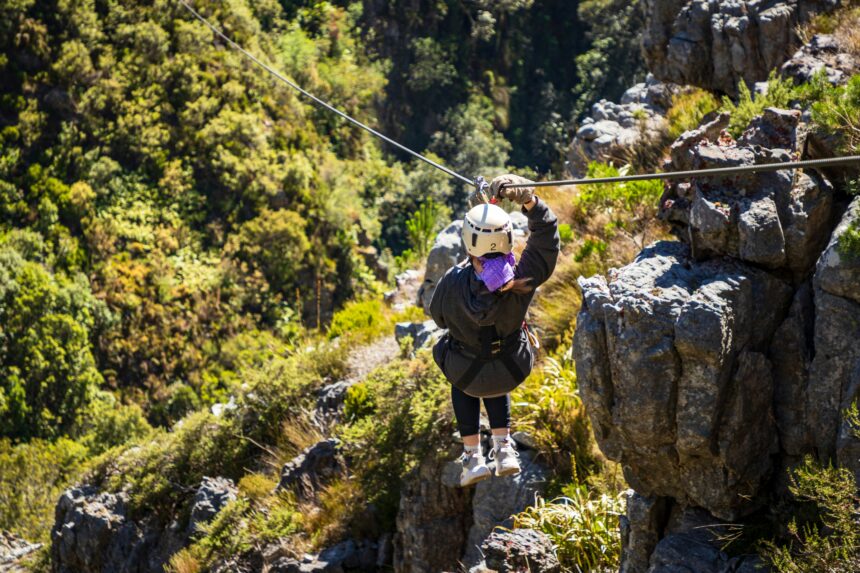
The inclusion of activities such as zip-lining, white-water rafting, and rock climbing also illustrates the range of options available within adventure tourism. Each of these pursuits caters to different skill levels, from beginners to seasoned adventurers, thereby inviting a diverse group of travelers into the fold. This diversification is pivotal, as it allows adventure tourism to appeal to families, solo travelers, and enthusiasts from various cultural backgrounds.
Moreover, the rise of adventure travel companies that curate tailor-made experiences has played a significant role in this diversification. These organizations craft unique itineraries, combining different activities to cater to the specific interests of their clients. Such offerings not only enhance the adventure experience but also encourage more individuals to engage with outdoor pursuits they might not have previously considered.
Pandemic Recovery and Resilience
The COVID-19 pandemic has undeniably reshaped the landscape of global travel, leading to profound changes in tourism preferences and behaviors. As the world begins to recover from the pandemic, a notable shift towards adventure tourism has emerged, as travelers increasingly seek open spaces and uncrowded destinations. With many traditional travel venues facing restrictions or capacity limits, outdoor experiences have become increasingly appealing.
During the height of COVID-19 restrictions, individuals sought alternatives to conventional tourism, often prioritizing activities that allowed for social distancing. Adventure tourism, characterized by activities in natural environments such as hiking, kayaking, and mountain biking, offers a unique solution by allowing travelers to explore the great outdoors while maintaining a safe distance from others. This alignment with health and safety concerns has contributed to a significant resurgence in outdoor activities.
The desire for authentic experiences, coupled with the need for mental well-being during such uncertain times, has further fueled interest in adventure travel. People are looking to reconnect with nature and escape the confines of urban life, making immersive outdoor experiences a valuable option for rejuvenation and thrill. Additionally, this interest in adventure tourism represents a deliberate shift towards sustainability, as many travelers are now prioritizing eco-friendly destinations that encourage conservation and responsible practices.
Furthermore, adventure tourism fosters resilience in communities affected by the pandemic. Many local economies reliant on tourism were hit hard; however, by tapping into the growing demand for adventure activities, these areas can pivot towards new economic opportunities. Consequently, as we emerge from the pandemic, adventure tourism not only supports personal well-being and connection with nature but also provides a vital pathway for rejuvenating the travel industry and local economies alike.
Future Trends and Expectations
As adventure tourism continues to evolve, several key trends are expected to shape its future landscape. One significant trend is the integration of technology, particularly the rise of virtual reality (VR) experiences. As the technology becomes more accessible, it enables potential travelers to engage with adventure tourism in unique ways. By offering immersive previews of excursions such as skydiving, mountain climbing, or scuba diving, VR experiences can enhance decision-making and foster excitement, ultimately encouraging more people to partake in these thrilling activities.
Moreover, the demand for personalized travel options is increasing. Travelers today seek experiences that align with their personal preferences and lifestyles. Customization may include tailored itineraries, specialized guides, and unique accommodations that cater to individual interests. Tour operators are beginning to respond to this evolving market by providing bespoke experiences that incorporate local culture and authentic adventure, thereby creating a deeper connection between travelers and their chosen destinations.
Ongoing changes in traveler expectations are also prevalent, driven by a growing emphasis on sustainability and responsible tourism. Today’s adventure seekers are more aware of their environmental impact and are inclined to support companies that prioritize eco-friendly practices. This trend will likely encourage adventure tourism providers to innovate and adopt greener solutions, from eco-conscious accommodations to sustainable travel options.
Industry experts note that the culmination of these trends presents substantial growth potential in adventure tourism. Forecasts indicate that sectors such as eco-tourism and wellness adventures are poised to expand significantly, appealing to a broader demographic that values both adventure and conscientious experiences. Overall, the future of adventure tourism appears promising, with emerging trends and shifting consumer demands set to drive its continued growth.