

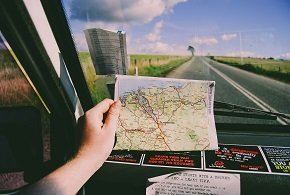
Road trip planning has emerged as a celebrated method of travel, captivating adventurers and wanderers of all ages. It offers a unique blend of exploration, freedom, and spontaneity that is difficult to find in other modes of transportation. The allure of hitting the open road, with the sense of adventure that comes from navigating unfamiliar territory, has made it increasingly popular amongst travelers looking for unforgettable experiences.
One of the key advantages of road trips is the flexibility they provide. Unlike flying, where schedules and tickets dominate the experience, a road trip allows travelers to dictate their own itinerary. This method invites spontaneous detours and unplanned stops, leading to surprising discoveries and personal encounters that often become the highlight of the journey. Furthermore, the ability to travel with family and friends opens up opportunities for shared memories, creating bonds that deepen over time.
The appeal of discovering new destinations behind the wheel transcends geographical boundaries. From the picturesque landscapes of national parks to charming small towns, the journey itself becomes just as important as the final destination. Adventurous travelers might opt for off-the-beaten-path routes that showcase the rich tapestry of culture and nature found across different regions. Each mile traveled becomes a chance to encounter hidden gems, enjoy local cuisines, and interact with diverse communities.
Additionally, the increase in road trip popularity can be attributed to the desire for safe travel options, especially in recent years. With personal vehicles offering a controlled environment, many travelers find comfort in road trips as a means to explore while adhering to health and safety measures. Ultimately, the road trip experience encapsulates adventure, personal connection, and the joy of exploration—the essence of travel itself.
Choosing Your Destination
The choice of destination plays a pivotal role in planning the perfect road trip. It not only defines the overall experience but also influences the route taken, stops along the way, and the activities planned. Therefore, taking the time to select a destination that aligns with your interests can greatly enhance the journey. Consider what type of scenery, culture, or adventure speaks to you. Are you drawn to coastal drives, mountainous terrains, or vibrant cityscapes? Understanding your preferences helps streamline the decision-making process.
Additionally, time constraints and driving distances are essential factors to weigh. For example, if you have only a weekend, opting for destinations within a five-hour drive can provide ample time for exploration without fatigue. Conversely, if you have a week or more, consider broader landscapes or iconic routes such as the Pacific Coast Highway or Route 66, which offer a blend of stunning vistas and cultural experiences.
If you seek something unique, there are lesser-known but equally enthralling destinations. Consider visiting the scenic byways through the Blue Ridge Parkway or the enchanting landscapes of New Mexico’s Carlsbad Caverns. Another hidden gem could be exploring the charming towns of the Finger Lakes in New York while discovering local wineries and artisanal shops along the way. Such off-the-beaten-path locations allow travelers to experience a different perspective and create memorable moments.
Ultimately, a well-chosen destination tailored to your interests, time available, and distance can set the stage for an unforgettable road trip adventure. Prioritizing these parameters ensures that the journey is not only enjoyable but also enriching, leading to a fulfilling travel experience.
Planning Your Route
Mapping out a route for your road trip is crucial to ensuring a smooth and enjoyable journey. The first step is to determine your starting point and your final destination. Once you have these two locations, you can begin exploring various routes using both traditional maps and modern GPS technology. Each option has its own advantages: traditional maps allow for a broader view of the area, while GPS systems provide real-time navigation and traffic updates.
When planning your route, consider integrating scenic stops along the way. These can enhance the road trip experience, allowing for exploration of local attractions, picturesque viewpoints, or hidden gems that standard routes may overlook. Websites and apps such as Roadtrippers or Google Maps can help identify these points of interest, making your journey more enriching.
It is also important to balance driving times with necessary rest breaks. Extended periods of driving can lead to fatigue, reducing the overall enjoyment of your trip. Allocate time for short breaks every couple of hours, as well as longer stops for meals and sightseeing. Planning these stops can help rejuvenate both the driver and passengers, keeping spirits high throughout the trip.
Utilizing route optimization tools can further enhance your journey. Mobile applications like Waze not only suggest the quickest routes but also provide essential alerts regarding traffic conditions and road closures. Additionally, GPS devices often offer various routing options, allowing travelers to prioritize scenic routes over direct paths. When selecting tools, review user feedback and ensure compatibility with your device for a seamless experience.
By thoughtfully planning your route with the help of tools and considering both scenic detours and rest opportunities, you can significantly enhance your road trip experience, making it memorable and enjoyable for all travelers involved.
Budgeting for Your Trip
Embarking on a road trip requires meticulous planning, particularly when it comes to budgeting. Creating a detailed budget enables travelers to estimate expenses for essential categories such as gas, food, lodging, and entertainment. Start by calculating anticipated fuel costs based on the vehicle’s fuel efficiency and the trip’s total distance. Utilize online tools to check current fuel prices and make sure to fluctuate these numbers slightly for price variation during the trip.
Next, consider food expenses. Although dining out can be enjoyable, it may inflate your budget significantly. Prepare a mixture of meals, incorporating easy-to-cook options for your accommodations or snacks on the go. Estimate a daily food budget per person and adjust it according to how often you plan to treat yourself to restaurants or local delicacies during the journey.
Lodging is another critical area to consider. Depending on your route and preferences, options range from hotels and motels to campsites or vacation rentals. Look into online platforms that offer promotions or discounts to save money and ensure to reserve accommodations in advance when possible. Create a list of preferred stays within budget and consider flexible, off-peak pricing to take advantage of lower rates.
Lastly, factor in entertainment costs, which may include entrance fees to parks, national monuments, or attractions along the route. Researching free or low-cost activities and local events can significantly contribute to your enjoyment without breaking the bank. Be mindful of potential splurges; while it is essential to adhere to a budget, allocating a small fund for spontaneous experiences adds richness to the journey.
In summary, careful budgeting for your road trip encompasses estimating costs for gas, food, lodging, and entertainment. By planning wisely and exploring ways to save, you can enjoy your travels while remaining financially prudent.
Packing Essentials for the Road
Packing for a road trip requires careful consideration of various factors, including the destination, trip duration, and personal needs. To ensure a comfortable journey, it is essential to categorize the items into four key areas: clothing, food, safety kits, and entertainment.
When it comes to clothing, versatility is paramount. Choose lightweight, breathable fabrics that can be mixed and matched easily. Layered outfits are recommended as they allow for adjustments based on changing temperatures throughout the trip. Don’t forget to bring comfortable footwear, as you may encounter various terrains and activities. A compact rain jacket or windbreaker can also prove to be invaluable in unpredictable weather.
Food is another vital aspect of road trip packing. Preparing snacks in advance can keep you energized and prevent unnecessary stops. A cooler can be useful for perishable items, while non-perishable snacks like nuts, granola bars, and dried fruits are convenient options. Additionally, having ample water is crucial for hydration; be sure to pack reusable water bottles to minimize waste.
Your safety kit should include first-aid supplies, such as band-aids, antiseptics, and any necessary medications. It is also advisable to carry a flashlight, jumper cables, and basic tools for minor car repairs. A detailed map or a GPS device can help keep you on track, particularly if you’re traveling through remote areas.
Finally, entertainment options can enhance the overall road trip experience. Audiobooks, music playlists, and games can help make the journey more enjoyable. Consider involving fellow travelers in choosing entertainment to ensure that everyone has a pleasant time. Packing light and efficiently by customizing your list based on the length and nature of your trip will ultimately lead to a more enjoyable road experience.
Vehicle Preparation and Maintenance
Planning an ideal road trip requires not only an exciting itinerary but also a meticulous approach to vehicle preparation. Ensuring your vehicle is in prime condition is pivotal for safety and comfort during your journey. Before hitting the road, certain essential maintenance checks must be conducted to prepare your car for the trip ahead.
First, check the oil levels and consider scheduling an oil change if it has been some time since the last one. Regular oil changes are vital for engine efficiency and longevity. Also, it’s prudent to inspect other fluids such as coolant, transmission fluid, and brake fluid. Keeping these fluids at optimal levels contributes to overall vehicle performance and helps avoid unexpected breakdowns.
Next, tire maintenance cannot be overlooked. Ensure that your tires are properly inflated according to the manufacturer’s recommendations. Inadequate tire pressure can affect fuel efficiency and vehicle handling. Additionally, inspect the tread depth of your tires to ensure adequate grip on the road, especially if you plan on driving in varying weather conditions. Don’t forget to check your spare tire as well.
Brake performance is crucial for any road trip. Inspect the brake pads and rotors for wear and tear. If you notice any unusual noises or decreased responsiveness when braking, it’s important to have these issues evaluated by a professional mechanic. Reliable brakes can significantly enhance your safety during travel.
Besides maintenance, packing emergency supplies is an integral part of road trip readiness. A first-aid kit, water, non-perishable snacks, a flashlight, and basic tools should be included in your emergency kit. Additionally, consider packing blankets and a portable phone charger. Being prepared for unforeseen circumstances can mitigate stress and ensure a smoother travel experience.
In conclusion, thorough vehicle preparation and routine maintenance checks are essential steps in planning a perfect road trip. By prioritizing your car’s condition and having safety supplies on hand, you can embark on your journey with confidence, knowing that your vehicle is road-ready.
Incorporating Fun and Activities Along the Way
When planning a road trip, it’s essential to enhance the experience by incorporating a variety of fun activities and planned stops. Not only does this break up the journey, but it also creates memorable moments and unique adventures that enrich the overall experience. A well-planned road trip itinerary often includes local attractions, national parks, and even quirky roadside attractions that offer opportunities for exploration and enjoyment.
One effective way to discover local attractions is by researching destinations along your route. Prioritize visiting historical sites, museums, and unique cultural landmarks. For instance, if your road trip takes you through the Midwest, consider stopping at iconic locations like the Gateway Arch in St. Louis or the Herbert Hoover Presidential Library in Iowa. These enriching experiences provide insight into the area’s history and culture while offering great photo opportunities.
In addition to planned stops, integrate visits to national parks or natural wonders into your itinerary. National parks often feature breathtaking landscapes, hiking trails, and opportunities for wildlife viewing. Planning a hike or picnic in a national park not only allows for relaxation and rejuvenation but enables travelers to appreciate the beauty of nature, promoting a deeper connection to the increasingly diverse environments of the country.
Furthermore, don’t overlook the charm of roadside attractions. From the famous giant ball of twine to quirky museums specializing in unusual collections, these sites add a touch of whimsy to any journey. They not only serve as great conversation starters but also create lasting memories as travelers encounter the unexpected. Additionally, leave some room in your itinerary for spontaneous adventures that may arise during the trip. A sudden detour to a local festival, farmers’ market, or even a scenic overlook can significantly enrich your road trip experience.
Safety Tips for Road Trippers
Planning a road trip involves more than just mapping out routes and assembling playlists; it is imperative to prioritize safety to ensure a smooth journey. Familiarizing yourself with the driving regulations specific to each region is a crucial first step. Different states or countries may have unique speed limits, road signs, and driving laws. Therefore, it is advisable to research these regulations ahead of time to avoid potential legal issues. Knowing the rules will also help you navigate unfamiliar areas more confidently.
Before hitting the road, conduct thorough vehicle safety checks. This includes verifying that your tires are in good condition, brakes function properly, lights are operational, and fluids are at appropriate levels. Regular maintenance, such as oil changes and battery checks, is essential, especially for long-distance travel. Additionally, ensure your vehicle’s emergency kit is stocked with necessary items like first-aid supplies, water, and basic tools.
Fatigue management is another critical aspect of road safety. Long hours of driving can lead to tiredness, which is a significant risk factor for accidents. It is advisable to plan for frequent breaks, ideally every two hours, to stretch your legs and refresh your mind. Consider sharing driving responsibilities with fellow travelers to mitigate fatigue. If you begin to feel drowsy, do not hesitate to stop and rest, even if it disrupts your itinerary.
Lastly, remaining aware of your surroundings is vital. Stay vigilant about changing road conditions, weather forecasts, and the behavior of other drivers. Avoid distractions such as texting or engaging in heated conversations, which can compromise focus. Instead, create a calm atmosphere within the vehicle to enhance concentration while driving. Implementing these safety measures will help ensure an enjoyable and secure road trip experience.
Reflecting on Your Journey
After completing a road trip, it is crucial to take time to reflect on the journey. This process not only allows individuals to cherish the memories created during the trip, but it also offers valuable insights for future travel endeavors. One effective way to encapsulate these experiences is through photography. Capturing the scenic landscapes, unique attractions, and candid moments throughout the journey serves as a visual diary. By reviewing these images, travelers can relive the joy and excitement of their adventures.
Additionally, keeping a journal is another meaningful method for reflection. Documenting thoughts, feelings, and highlights from each day on the road can enhance understanding of the trip’s impact. When memories are recorded, it becomes easier to examine what aspects of the journey were particularly enjoyable, and which moments might warrant reconsideration for future trips.
Sharing experiences with friends and family can also aid in reflecting on the journey. Engaging discussions can reveal different perspectives and insights. Friends and family often have their own stories to tell about shared experiences, enriching the overall narrative of the trip. This exchange creates an opportunity to reinforce bonds and ensures that the memories live on beyond the initial adventure.
Importantly, assessing both the successes and challenges faced during the road trip can inform future planning. Understanding what went well, such as effective routes or enjoyable stops, helps to replicate those positive experiences. Conversely, identifying areas for improvement, such as time management or packing decisions, can lead to smoother journeys in the future. Ultimately, reflection is a fundamental element that not only enhances personal growth but also cultivates a deeper appreciation for the diverse landscapes and cultures encountered along the way.