

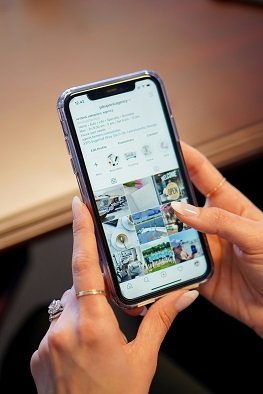
In today’s digital age, social media impact on travel has emerged as a significant force in shaping travel decisions. Platforms such as Instagram, Facebook, and TikTok have transformed not only the way individuals seek travel inspiration but also how they plan their trips. The influence exerted by these platforms extends beyond mere photos and videos, encapsulating a myriad of user-generated content that often serves as the primary source of travel information.
In particular, visually-driven platforms like Instagram play a crucial role in showcasing stunning landscapes, exotic locations, and unique experiences. This kind of content can evoke a desire to visit certain places, prompting users to include these destinations in their travel itineraries. Influencers and travel bloggers further amplify this effect by curating their journeys and sharing them with their followers, leading to the phenomenon commonly referred to as “Instagrammable” travel. This term encapsulates destinations or experiences that are particularly photogenic and likely to attract social media attention.
Moreover, platforms like Facebook and TikTok have changed the dynamics of travel planning. Just a few taps can reveal user reviews, travel tips, and recommendations that inform decisions to choose one destination over another. These networks foster a community of shared experiences, where personal journeys resonate with the aspirations of others, often leading to spontaneous travel choices influenced by trending destinations. As social media continues to evolve, so too does its impact on the travel industry, solidifying its role as a vital resource for anyone planning a getaway.
The Rise of Travel Influencers
The advent of social media has given rise to a new breed of content creators known as travel influencers. These individuals leverage platforms like Instagram, YouTube, and TikTok to showcase their travel experiences, creating visually captivating and engaging content that taps into the wanderlust of their followers. Travel influencers often share stunning imagery, video diaries, and insightful narratives about their journeys, making destinations more accessible and appealing to a broad audience.
Travel influencers play a pivotal role in shaping travel choices by presenting themselves not just as travelers, but as relatable experts in the travel niche. Their curated profiles often highlight unique aspects of destinations, ranging from hidden gems to well-known tourist attractions, which resonates with their audience. This ability to inspire others has transformed many travel influencers into trusted sources of information, leading their followers to consider their recommendations seriously when planning trips.
Furthermore, travel influencers frequently collaborate with brands, tourism boards, and hotels, amplifying their influence in the travel industry. These partnerships can shape public perception of destinations and create trends that drive travel choices. For instance, an influencer’s endorsement of a particular resort can lead to a surge in bookings as potential travelers seek to replicate the experiences showcased in the influencer’s content. This dynamic not only highlights the influencer’s role in promoting travel but also reflects a shift in how information is disseminated in the age of social media.
Through their storytelling and engaging presentations, travel influencers effectively create aspirational content that fuels the desire to explore new places. As they navigate various locations, they not only document their experiences but also contribute significantly to the decision-making processes of their followers, often establishing themselves as benchmarks for contemporary travel choices.
User-Generated Content: Authentic Experiences
User-generated content (UGC) has emerged as a pivotal aspect of the travel decision-making process. As potential travelers browse various destinations, they increasingly turn to the authentic experiences shared by others on social media platforms. This shift underscores the importance of trust in today’s digital landscape, where personal recommendations often outweigh traditional advertising.
Travel photos and reviews posted by everyday users serve as compelling testimonies that can significantly influence the choices of future travelers. When potential tourists encounter vibrant imagery showcasing unique landscapes, cultural experiences, and the excitement of adventure, they are more likely to feel a connection to the destination. This emotional resonance plays a crucial role in shaping travel aspirations. Additionally, peer reviews provide insights into the actual experiences that travelers may encounter, helping to set realistic expectations.
The authenticity of UGC further enhances its impact. Users tend to perceive content generated by other travelers as more genuine and relatable compared to professional marketing campaign materials. Such content often highlights both the beautiful and the challenging aspects of traveling, providing a balanced view that resonates with a wider audience. When travelers see real-life experiences depicted in UGC, it fosters a sense of trust and credibility, encouraging them to consider these destinations as viable options for their next vacation.
Moreover, UGC not only influences individual travelers but also helps to shape the reputation of destinations themselves. Hotspots that are frequently featured in personal travel narratives can witness a surge in interest or popularity. Travel brands are increasingly recognizing the power of UGC, often integrating it into their marketing strategies to elevate their connection with potential visitors. Through sharing and celebrating authentic experiences, UGC creates a vibrant community of travelers who inspire one another, ultimately guiding their choices in travel destinations.
The Impact of Hashtags and Trends
Social media has transformed the landscape of travel choices, profoundly influencing how travelers plan their journeys. A significant component of this influence comes from the use of hashtags and the emergence of viral travel trends, which create a strong impact on destination popularity. Platforms like Instagram, Twitter, and TikTok allow users to showcase their travel experiences, often highlighting specific locations using targeted hashtags. Such hashtags, when they gain traction, create a sense of urgency and allure, prompting others to consider these destinations.
The concept of ‘FOMO’ (Fear of Missing Out) plays a crucial role in this phenomenon. Social media users frequently encounter visually captivating content shared by peers or influencers featuring trending locations. This generates a compelling desire to experience similar adventures, leading to impulsive travel decisions. As ‘FOMO’ takes hold of potential travelers, they find themselves gravitating toward destinations that are predominantly featured online, often at the expense of lesser-known locales.
Additionally, the utilization of popular travel-related hashtags can significantly elevate a location’s visibility. For instance, hashtags like #Wanderlust, #TravelGoals, or #InstaTravel can catalyze a destination’s popularity, creating a cycle of increasing interest. As more individuals post about a location, it becomes daunting for others to resist visiting, driven by the desire to share their own experiences within the same context that others have enjoyed. This cascade effect amplifies the impact of social media trends, enabling destinations to capitalize on spontaneous traveler decisions.
In conclusion, the integration of hashtags and trending content on social media platforms significantly shapes travel planning. The interplay between inspiration and urgency driven by ‘FOMO’ leads to a surge in interest for certain destinations, often resulting in increased tourism and altering the dynamics of travel choices globally.
Social Media and Destination Marketing
In recent years, social media has emerged as a powerful tool for destination marketing, enabling tourism boards and businesses to connect with potential travelers more effectively than traditional methods. By leveraging platforms such as Instagram, Facebook, and Twitter, these entities can engage directly with a global audience, showcasing their attractions, culture, and experiences in real-time.
One of the primary strategies utilized by tourism boards involves creating visually appealing content that highlights the unique aspects of a destination. High-quality images and engaging videos can generate interest and inspire wanderlust among viewers. Additionally, user-generated content has gained prominence; by encouraging visitors to share their experiences, tourism boards not only gain authenticity but also expand their reach as satisfied travelers share their adventures with their networks.
Furthermore, social media advertising has transformed destination marketing by allowing organizations to run highly targeted campaigns. Through the use of data analytics, tourism operators can identify specific demographics, such as age, interests, and geographic location, to tailor their advertisements. This targeted approach ensures that marketing content reaches those most likely to convert into visitors, ultimately maximizing their return on investment.
Engaging with influencers has also become a notable strategy in social media destination marketing. Travel influencers, who often have significant followings, can effectively endorse and promote destinations, engaging their audience through authentic storytelling and visual appeal. This method not only enhances brand visibility but also serves as a trustworthy recommendation to prospective travelers.
In conclusion, the integration of social media into destination marketing offers numerous advantages, from dynamic content creation to precision targeting through advertising. As the travel industry continues to evolve, embracing these digital strategies will be essential for tourism boards and businesses aiming to draw in a diverse array of travelers.
The Role of Reviews and Recommendations
The influence of social media on travel choices cannot be overstated, particularly when it comes to reviews and recommendations. Travelers increasingly turn to various social media platforms to gather firsthand accounts of experiences from fellow tourists. This user-generated content is pivotal in shaping perceptions regarding destinations, accommodations, and activities. According to research, a significant number of travelers consult reviews on platforms such as Facebook, Instagram, and Twitter before making their travel decisions.
Reviews serve multiple functions; they provide insights into the authenticity of a destination, the quality of service offered, and the overall satisfaction of previous visitors. Users generate content that is often perceived as more trustworthy than traditional advertising methods. A recommendation from a friend or a relatable influencer can carry far more weight than a branded advertisement, making it essential for travelers to engage with platforms that highlight genuine experiences.
Moreover, the immediacy of social media facilitates real-time feedback on current trends in the travel industry. Posts that go viral can create a sudden surge in interest in specific locations, accommodations, or attractions, turning a lesser-known site into a must-visit hotspot. The shared experiences, coupled with visual content in the form of photos and videos, enable potential travelers to envision their own experiences, thereby actively influencing their choices.
In addition to influencing perceptions, social media reviews can also impact business operations. Establishments that receive great reviews often experience an increase in bookings and inquiries, underlining the importance of maintaining a robust online presence. In conclusion, reviews and recommendations on social media play a crucial role in guiding the travel choices of modern consumers, making them indispensable tools in the planning process.
Visual Content: Inspiring Wanderlust
In the digital age, visual content plays a pivotal role in shaping individuals’ travel choices. Platforms such as Instagram, Pinterest, and TikTok are flooded with stunning imagery and captivating videos that not only depict breathtaking landscapes and exotic locations but also evoke a sense of adventure and curiosity among viewers. This remarkable ability of visuals to inspire wanderlust is rooted in the emotional responses they can elicit, leading potential travelers to dream about their next getaway.
Research indicates that captivating visuals can significantly influence consumer behavior, particularly in sectors like travel and tourism. A single photo of a beautiful beach or a scenic mountain vista can spark a desire to explore these destinations. Moreover, users tend to engage more with posts that feature striking images or engaging videos, often leading to increased discussions and shares within their social networks. When individuals encounter picturesque scenery, they do not merely admire the aesthetics; they are driven to consider the experiences and memories that such places can offer.
Moreover, the power of visual content extends beyond mere admiration. It is instrumental in shaping destination perceptions, often compelling users to book trips to locations they may not have previously considered. As travelers share their experiences through photos and videos, they serve as brand ambassadors for their chosen destinations, reinforcing the allure of various locales. As followers view these visuals, they often envision themselves in those settings, ultimately propelling them towards travel decisions that align with the aspirational lifestyles they see represented online. Therefore, it can be asserted that compelling visual content is a transformative force that deeply influences travel choices by igniting the passion for exploration and adventure among individuals.
The Effect of Virtual Experiences
In the modern travel landscape, Social Media Impact on Travel has significantly transformed the way individuals perceive and plan their trips. One of the most compelling factors contributing to this phenomenon is the advent of virtual experiences and tours shared across various social networking platforms. These immersive digital experiences offer potential travelers a glimpse into destinations, enticing them to explore places they may not have considered before.
Virtual tours, often showcased in engaging formats such as videos, live streams, or 360-degree images, allow users to experience a destination from the comfort of their homes. Social media influencers and travel bloggers often curate such content to highlight the beauty and uniqueness of specific locations. This level of engagement not only inspires wanderlust but also alters perceptions about certain places. Destinations that may previously have held a lackluster reputation can transform into desirable travel spots due to captivating content.
Furthermore, user-generated content plays a crucial role in shaping these experiences. Travelers frequently share their own videos and images, contributing to an authentic representation of a locale. This user-generated content can often resonate more deeply with potential visitors, as it provides relatable experiences rather than polished marketing materials. When individuals witness friends or influencers sharing their positive experiences, they are more likely to consider those destinations for their own travel plans.
Moreover, the ability to interact and ask questions about the place during live virtual tours fosters a deeper connection to potential travel destinations. These interactions not only alleviate uncertainties but also enhance a sense of community among users. As a result, these virtual experiences hold substantial power in motivating travelers to embark on adventures, making social media an indispensable tool in the decision-making process for contemporary travelers.
Conclusion: The Future of Travel Choices in the Social Media Landscape
As we reflect on the significant impact of social media on travel choices, it becomes clear that the relationship between these platforms and the travel industry is intricately woven. Social media serves as not only a promotional tool for travel brands but also a critical platform for travelers to seek inspiration, share experiences, and make informed decisions. From meticulously curated Instagram feeds showcasing breathtaking destinations to highly interactive influencers who foster community and engagement, the role of social media in shaping travel behaviors cannot be overstated.
Looking ahead, it is likely that social media will continue to evolve, integrating even more advanced technologies such as augmented reality (AR) and artificial intelligence (AI) to further enrich the travel planning process. These advancements may facilitate more personalized travel experiences by offering tailored recommendations based on user preferences and behavior. Furthermore, as more people participate in digital platforms, the volume of user-generated content will increase, providing a broader spectrum of insights that can guide potential travelers.
Additionally, we can expect an ongoing shift toward sustainability within the travel choices influenced by social media. With heightened awareness of environmental issues, travelers are becoming more conscious of their footprints and are increasingly favoring vendors that prioritize eco-friendly practices. Social media can amplify these values through campaigns that promote sustainable travel options, fostering a community of like-minded individuals seeking to explore the world in a responsible manner.
In summary, as social media continues to grow and adapt, its influence on travel choices will also expand. Travelers will increasingly rely on these digital ecosystems for guidance, inspiration, and community connection. Therefore, travel brands must stay attuned to these shifts, leveraging new technologies and trends to meet the evolving demands of the modern traveler. The future of travel choices is intricately linked to social media, promising a dynamic and exciting landscape ahead.