

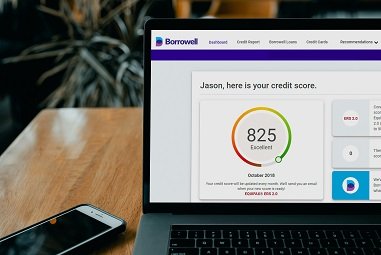
A credit score is a numerical representation of an individual’s creditworthiness, typically ranging from 300 to 850. This score is a crucial factor that lenders consider when deciding whether to extend credit to a consumer. A higher credit score indicates a lower risk for the lender, which can lead to better loan terms and interest rates. Conversely, a lower score may result in higher fees or the denial of credit altogether.
Credit scores are calculated based on several key components, each contributing different weights to the final score. The most significant factor is payment history, accounting for approximately 35% of the score. This element reflects whether the borrower has made timely payments on existing debts. Consistent, on-time payments can significantly boost a credit score, while late payments and defaults can cause severe damage.
Another critical component of a credit score is credit utilization, which makes up about 30% of the score. This ratio is determined by dividing the total amount of debt a person has by their total credit limit. A lower utilization ratio is favorable, as it indicates that an individual is not overly reliant on credit and can manage their debts effectively.
The length of credit history contributes around 15% to a credit score. This includes the age of the oldest credit account and the average age of all accounts. A longer credit history can demonstrate responsible credit management over time.
New credit, which comprises about 10% of the score, looks at how many recently opened accounts a consumer has. Opening multiple new accounts in a short time can be seen as a risk factor. Lastly, the types of credit used, which includes revolving accounts like credit cards and installment loans, accounts for 10% of the score. A diverse mix of credit can enhance a credit rating.
Check Your Credit Report
One of the crucial steps in improving your credit score is to thoroughly check your credit report. Credit reports, generated by the three major credit bureaus—Equifax, Experian, and TransUnion—serve as a detailed record of your credit history. Regularly reviewing your report can help you identify any inaccuracies or errors that may be negatively affecting your credit score.
It is essential to obtain your credit report, which you can access for free once a year from each of the three major credit bureaus at AnnualCreditReport.com. This allows you to have a comprehensive view of your credit standing without incurring any costs. When looking at your report, be vigilant in examining all the sections, including personal information, account details, payment history, and inquiries. Each of these elements can influence your credit score significantly.
When checking your credit report, focus on identifying any discrepancies, such as late payments that were made on time, accounts listed that do not belong to you, or incorrect credit limits. Even minor errors can affect your credit score adversely, and rectifying these inaccuracies can lead to an immediate improvement in your score. If you discover any mistakes, it is imperative to dispute them with the respective credit bureau promptly.
Additionally, tracking your credit report can help you recognize patterns in your financial behavior. For instance, if you notice that your debt utilization is consistently high, it may prompt you to take corrective action to reduce your outstanding balances. By keeping an eye on your credit report and ensuring its accuracy, you set a strong foundation for enhancing your credit score in a timely manner.
Pay Your Bills on Time
Timely bill payments play a crucial role in maintaining a healthy credit score. Credit scoring models consider payment history as one of the most significant factors, accounting for approximately 35% of your overall score. Consistently paying bills on or before their due dates demonstrates financial responsibility and reliability to lenders. Conversely, late payments can have a detrimental effect on your credit score, potentially causing it to drop significantly.
To facilitate timely payments, consider setting up reminders on your calendar or smartphone. Scheduling alerts a few days before due dates can help you remember when payments are due, reducing the risk of oversight. Additionally, most banks and financial institutions offer online banking services that include options for setting automatic payments. By enabling automated payments for recurring bills, you can ensure that payments are made consistently without requiring manual intervention.
Another effective strategy is to prioritize bill due dates. By organizing which bills need to be paid first, you can manage your cash flow more effectively and avoid lateness. It can also be helpful to consolidate payment due dates, aligning them with your payday, thereby simplifying the process and enabling easier tracking of your finances.
Moreover, reviewing your credit report regularly can help you stay informed about your account statuses. If you notice any discrepancies or potential reporting errors, address them promptly with the respective creditor. Each of these practices contributes to a solid payment history, which in turn fosters a positive impact on your credit score.
In conclusion, paying your bills on time is essential for improving your credit score. By implementing reminders and automating payments, you can establish a consistent payment history that fortifies your financial standing.
Reduce Your Credit Utilization Ratio
Credit utilization ratio is a crucial component of your credit score, accounting for approximately 30% of the overall score. This ratio is calculated by dividing your total credit card balances by your total credit limits. A lower ratio indicates to lenders that you are not overly reliant on credit, making you a more attractive borrower. Therefore, managing and reducing your credit utilization is essential for improving your credit standing.
One effective strategy is to pay down existing credit card balances. This can be achieved through various methods, such as the avalanche method where you focus on paying off the highest interest debt first, or the snowball method, where you pay off the smallest debts first to build momentum. Regardless of the method you choose, reducing outstanding balances can quickly enhance your credit utilization ratio.
In addition to paying down balances, it’s prudent to keep your credit card balances low relative to your available credit. Aim to maintain a utilization ratio below 30%. For example, if your credit limit is $10,000, try not to carry a balance exceeding $3,000. Keeping balances low minimizes the risk of negatively impacting your credit score and shows lenders that you can manage debt responsibly.
Another option is to request an increase in your credit limit. This should be approached cautiously, as it can potentially lead to increased spending. However, if done responsibly, raising your credit limit while maintaining lower balances can significantly reduce your credit utilization ratio. Keep in mind that lenders may perform a soft inquiry, which will not impact your credit score, allowing you to benefit from a higher limit without risking your credit standing.
Avoid Opening New Credit Accounts Frequently
When it comes to improving your credit score, one critical factor to consider is the frequency of opening new credit accounts. Each time you apply for a new card or a loan, the lender performs a hard inquiry on your credit report. A hard inquiry can temporarily decrease your credit score by a few points, as it indicates to lenders that you are seeking additional credit, which may suggest a higher risk of default.
To safeguard your credit score, it is advisable to limit the number of new credit accounts you apply for within a short time frame. Opening multiple accounts at once can lead to several hard inquiries in quick succession, which could have a compounded negative effect on your credit score. Ideally, you should aim to limit new applications to one or two within a six-month period to minimize any potential adverse impacts.
In managing credit applications, consider evaluating your current financial needs and circumstances. Before applying for a new credit account, assess whether this addition is essential. If you’re looking to improve your overall credit utilization ratio, it may be more beneficial to pay down existing debts instead of opening new ones. Additionally, some creditors offer tools that allow you to check for pre-approval without impacting your credit score, providing an opportunity to explore options without the risk of a hard inquiry.
Furthermore, maintaining a good mix of credit accounts—such as revolving credit and installment loans—can positively influence your score over time. To boost your creditworthiness, focus on building a solid payment history and keeping existing accounts in good standing rather than frequently opening new accounts. Ultimately, a strategic approach to credit applications can help you enhance your credit score more effectively and sustainably.
Become an Authorized User
Becoming an authorized user on someone else’s credit card account can effectively improve your credit score. This strategy allows individuals to piggyback on the primary cardholder’s credit history without being directly responsible for the account’s payments. When you are added as an authorized user, the credit card issuer typically reports the account’s payment history to the credit bureaus, which means that timely payments can positively impact your credit score.
However, it is crucial to choose the right person to add you as an authorized user. Ideally, the primary cardholder should have a strong credit history, including a low credit utilization ratio and a history of on-time payments. The better their credit behavior, the more likely it is that you will also see improvements in your credit score. On the contrary, if the primary cardholder has a poor credit history, their negative behavior could adversely affect your credit score.
When considering this option, it’s essential to understand the responsibilities that come along with being an authorized user. While you will not be responsible for making payments on the card unless otherwise agreed, you should ensure that the primary cardholder maintains a responsible credit approach. Open communication about how the card is used and monitored can foster a transparent relationship that benefits both parties. If the card is used recklessly, it could lead to higher credit utilization, which may reflect poorly on both the authorized user and the primary cardholder.
In summary, becoming an authorized user can be a fast-track method for improving your credit score, provided that you make a well-informed choice about whom to partner with and maintain a clear understanding of the associated responsibilities.
Negotiate with Creditors
Negotiating with creditors can be a crucial step in improving your credit score efficiently. Many individuals overlook the potential benefits that come from this approach. When faced with outstanding debts or late payments, it is advisable to proactively contact creditors to discuss your situation. This can lead to more favorable terms and potentially minimize the negative impact on your credit report.
Initiating a negotiation requires preparation. Before reaching out, gather relevant information about your accounts and inquire about your current payment status. Review your financial situation thoroughly; being transparent about your challenges can facilitate a more constructive dialogue with creditors. When you contact them, clearly explain your circumstances and express your commitment to resolving any outstanding debts.
A common strategy is to request a payment plan or a temporary reduction in payments that aligns with your financial capability. Many creditors are willing to work with customers, particularly if they recognize your intention to repay the debt. Setting up a feasible payment schedule can not only show your dedication but can also prevent further damage to your credit score.
Additionally, you may consider asking for goodwill adjustments, especially if you have occasionally missed payments due to extenuating circumstances. Creditors may be more inclined to remove late payment records from your credit report if you have maintained a good overall payment history. It is essential to approach these negotiations with professionalism and a cooperative attitude, which can foster positive outcomes.
Ultimately, effective negotiation with creditors can lead to improved payment terms and positively affect your credit score over time. By demonstrating your willingness to communicate and resolve outstanding issues, you can enhance your creditworthiness significantly, paving the way for better financial opportunities in the future.
Address Debt Legally
Managing existing debt is crucial for maintaining a healthy credit score and improving it over time. One of the effective approaches to handle debt without negatively affecting your credit profile involves debt consolidation. This method enables individuals to combine multiple debts into a single loan, typically at a lower interest rate, thereby making it easier to manage payments. By consolidating debts, you can streamline your monthly obligations, reduce the chances of missed payments, and ultimately uphold or enhance your credit score.
An alternative route involves collaborating with credit counseling services. These organizations provide support and education to individuals struggling with their finances. Credit counselors assess your financial situation in detail, helping you develop a personalized plan to manage your debts. They may recommend a debt management plan (DMP) that allows you to make consolidated payments through the service, effectively negotiating lower interest rates and reduced fees with creditors. Engaging in such services not only assists in debt resolution but also can prevent further damage to your credit rating.
In addition to these methods, individuals can consider negotiating directly with creditors to settle debts for less than the total amount owed. This legal approach can alleviate financial burdens without incurring significant penalties affecting your credit score. Additionally, maintaining open lines of communication with lenders can often lead to payment plans that are manageable. Remember, taking proactive legal measures to address debt, such as these strategies, is vital in fostering a path toward financial stability and credit score improvement.
Monitor Your Credit Regularly
Maintaining a healthy credit score is integral to securing favorable lending terms, insurance rates, and even employment opportunities. One of the most effective strategies to boost your credit score rapidly is to monitor your credit regularly. Regular oversight allows you to stay informed about your credit health, ensuring that any discrepancies or unexpected changes can be addressed promptly.
There are numerous tools and services available for monitoring credit scores and reports. Many financial institutions offer free credit monitoring services to their customers, which can provide ongoing access to your credit information. Additionally, various standalone apps and websites specialize in credit tracking, often presenting updates on your score with actionable insights. These services can notify you of significant changes to your credit report, enabling you to take immediate action if necessary.
It is advisable to check your credit report at least once a year, though doing so more frequently can be beneficial, especially if you are planning to make a significant financial decision such as applying for a mortgage or car loan. Keeping track of your credit score will allow you to identify trends and patterns that could impact your overall financial health. If you notice any changes that are concerning or unexplained, it is essential to investigate further. This may involve contacting creditors or disputing inaccurate information with credit bureaus.
By actively monitoring your credit, you can not only enhance your understanding of your financial standing but also demonstrate to lenders that you take your credit obligations seriously. As a result, this practice not only boosts your credit awareness but can also contribute significantly to improving your credit score over time.