

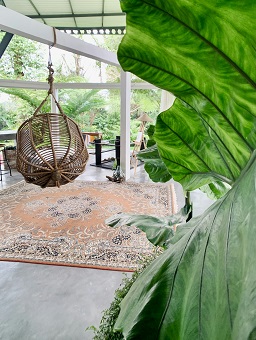
Spending time in outdoor spaces offers numerous psychological and physical benefits that contribute to an enhanced quality of life. Research consistently indicates that exposure to nature can significantly reduce stress levels, fostering a sense of tranquility and relaxation. This effect is largely attributed to the natural environment’s ability to promote mindfulness, encouraging individuals to focus on the present moment and disengage from the pressures of daily life. One of the primary psychological benefits of outdoor spaces is their positive influence on mood. Natural light, fresh air, and the sights and sounds of nature stimulate the release of endorphins and serotonin, neurotransmitters linked to feelings of happiness and well-being. Engaging with well-designed outdoor areas not only provides residents with a place to unwind but also enhances social connections. Gathering in an inviting outdoor setting can strengthen relationships and contribute to a greater sense of community.
Notably, outdoor spaces also encourage physical activity, which can lead to improvements in overall health. Activities such as walking, gardening, or simply lounging outdoors promote movement, helping to combat issues such as obesity, hypertension, and heart disease. The combination of physical exercise and exposure to the natural environment generates a holistic approach to well-being, where both minds and bodies benefit.
The significance of outdoor spaces in improving mental health cannot be overstated. Regular interaction with these environments can help alleviate symptoms of anxiety and depression. Environments infused with greenery and natural elements provide a restorative experience that can refresh one’s mental state and evoke feelings of peace.
In summary, outdoor spaces play a crucial role in enhancing mental and physical well-being. By understanding these benefits, individuals can better appreciate the value of creating and utilizing outdoor retreats as part of their daily lives.
Assessing Your Outdoor Area
Before embarking on the journey of creating a relaxing outdoor space, it is crucial to take a step back and thoroughly assess your current outdoor area. Begin by measuring the size of the space; understanding the square footage will help in planning the layout of furniture, plants, and other decorative elements. Consider sketching a rough plan to visualize where different components could go, which will streamline the design process.
Next, evaluate the location of your outdoor space in relation to your home and neighboring properties. Identify factors that might positively or negatively impact the ambiance, such as noise from nearby roads or proximity to utilities. It is also essential to examine the existing features that could enhance the environment. Look for aspects like trees, shrubs, patios, or decks that could serve as focal points in the design.
Sunlight exposure is another key consideration when assessing your outdoor area. Track the sun patterns over a day or two to determine which areas receive full sun, partial shade, or full shade. This information is vital for selecting suitable plants for your relaxing outdoor space. For instance, sun-loving plants will thrive in well-lit areas, while shade-tolerant species can be positioned in cooler spots.
Additionally, consider the current state of your outdoor furniture and any other existing elements like water features or outdoor kitchens that could be utilized in your new design. Look for items that may require refurbishment or replacement, as they can influence the overall aesthetic and comfort of your relaxing space. By carefully assessing these elements, you will be well on your way to transforming your outdoor area into a serene and inviting environment.
Choosing the Right Plants and Landscaping
Creating a relaxing outdoor space begins with the thoughtful selection of plants and landscaping elements that evoke tranquility and harmony. When considering plant types, it is essential to choose species that thrive in your local climate while providing visual interest. Opting for native plants is an excellent strategy. They are well-adapted to the local environment, require less maintenance, and provide habitats for local wildlife. Additionally, they often have excellent drought resistance, contributing to a more sustainable landscape.
Colors play a vital role in establishing a calming outdoor environment. Soft hues such as whites, blues, and pastels tend to promote serenity and are pleasing to the eye. Incorporating various shades of green from foliage can also enhance the tranquil atmosphere. Furthermore, consider including flowering plants that have subtle fragrances, such as lavender or jasmine, which can contribute positively to the overall sensory experience of the space.
When arranging plants, layering is a powerful technique that can add depth and interest while promoting a relaxing space. Use taller plants as a backdrop and gradually transition to smaller ones in front. This not only creates a visually appealing structure but also helps in framing seating areas or pathways. Grouping plants in odd numbers or clusters can draw the eye and create focal points without overwhelming the space.
Incorporating landscaping elements like rocks, gravel, and mulch can further enhance the aesthetic while improving drainage and reducing maintenance needs. Edging with natural materials can provide a defined boundary that adds to the sense of organization and calm. Overall, a well-chosen mix of plants and landscaping elements can transform your outdoor space into a harmonious oasis.
Selecting Comfortable Furniture and Accessories
Creating a relaxing outdoor space begins with selecting the right furniture that balances comfort and style. When choosing outdoor furniture, consider materials that are not only aesthetically pleasing but also durable and weather-resistant. Common materials include aluminum, teak, and wicker, each offering its unique benefits. Aluminum is lightweight and easy to maintain, while teak provides a timeless look that withstands the elements. Wicker, whether made from synthetic or natural fibers, adds a cozy, inviting touch.
When it comes to seating, opt for deep seating options, which typically feature soft cushions and plush upholstery. Look for furniture with ergonomic designs that encourage relaxation and can accommodate various body types. Assess the available space to ensure that the arrangement is conducive to easy movement and interaction, promoting a welcoming atmosphere for gatherings.
In addition to furniture selection, accessories play a crucial role in enhancing comfort. Cushions and throw pillows can provide additional support and warmth, transforming a standard seating option into a plush retreat. Choose outdoor fabrics that are fade-resistant and water-repellent to ensure longevity while maintaining an inviting look. Throws can add not only to comfort but also to the aesthetic appeal of the space, lending color and texture.
To further embellish your outdoor area, consider decorative elements such as lanterns, outdoor rugs, and planters. These accessories can define spaces and create a cozy atmosphere, encouraging relaxation. Incorporating natural elements, like potted plants and flowers, can provide a soothing ambiance, drawing you into a more tranquil state.
By thoughtfully selecting comfortable furniture and accessories, you can cultivate an outdoor environment that promotes relaxation and well-being, making it a cherished retreat for both you and your guests.
Creating Shade and Shelter
Creating a relaxing outdoor space necessitates the incorporation of shade and shelter, benefitting both comfort and aesthetics. Without adequate shielding from the sun’s harsh rays, outdoor activities can quickly become uncomfortable, particularly during peak daylight hours. Various options exist for introducing these essential elements into your outdoor design.
Umbrellas serve as a versatile solution, easily movable to accommodate changing sun positions throughout the day. They are available in numerous styles, sizes, and colors, providing not only shade but also an opportunity to enhance the overall visual appeal of the outdoor area. Consider a large cantilever umbrella which offers a significant amount of shade without obstructing the view or seating arrangement.
Pergolas are another excellent option, providing a more permanent structure for shade and shelter. These architectural elements consist of vertical posts and open beams, offering a transitional space that allows for both sunlight and shade. Climbing plants, such as wisteria or jasmine, can be trained to grow over pergolas, creating a natural canopy that enhances privacy and cools the space naturally. This integration of nature into design is quintessential for achieving a sanctuary-like feel.
Natural shade from mature trees is yet another option, offering a cooling effect through their leafy canopies. Strategically planting trees or making use of existing ones can create serene spots perfect for relaxation. Not only do trees provide shelter, but they also contribute to biodiversity, making the space more inviting for wildlife.
When designing these shade and shelter options, consider the layout and scale of your outdoor space. A well-executed design that integrates shading elements seamlessly will enhance comfort and encourage long-term use, creating an inviting and tranquil retreat.
Incorporating Water Features
The inclusion of water features in outdoor spaces can significantly enhance the overall ambiance and provide a soothing atmosphere. The presence of water not only attracts various wildlife, such as birds and butterflies, but also contributes to a peaceful environment through the gentle sounds it produces. Among the various types of water features, fountains, ponds, and bird baths are popular choices that can cater to different aesthetics and functional requirements.
Fountains are a versatile option, available in numerous designs and sizes to suit any garden. They can be wall-mounted, free-standing, or integrated within existing landscaping elements. The soothing sounds of water cascading from a fountain promote relaxation and can serve as a focal point for outdoor gatherings. Likewise, ponds can add a unique element to any space, allowing for the addition of aquatic plants and fish, which create biodiversity. When designing a pond, consider its location and size in relation to the remaining garden elements to ensure visual harmony and accessibility.
Bird baths serve a dual purpose; they not only provide a water source for local bird species, encouraging their visit but also enhance a garden’s aesthetic appeal. When selecting a bird bath, consider models with a shallow basin, making it easier for birds to access the water safely. Furthermore, regular maintenance is essential for all water features to ensure they remain functional and visually inviting. Proper cleaning prevents algae growth and promotes the health of plants and animals that may inhabit the water.
In summary, the incorporation of various water features can transform an outdoor space into a relaxing retreat. By thoughtfully selecting and maintaining these elements, homeowners can create an inviting atmosphere that encourages connection with nature.
Lighting for Ambiance
Proper lighting is crucial for transforming an outdoor space into a tranquil oasis as the day gives way to evening. Different lighting options can create a warm and inviting atmosphere that encourages relaxation and makes your outdoor space feel more like an extension of your home. Among the popular choices are string lights, lanterns, and solar-powered fixtures.
String lights are a versatile option that can be draped across fences, pergolas, or trees, adding a touch of whimsy to the scene. They emit a soft glow that can easily elevate the mood of any gathering, making it perfect for intimate dinners or casual hangouts. When choosing string lights, consider warm-colored bulbs as they tend to create a cozy environment compared to harsh white lighting.
Lanterns are another excellent choice when it comes to outdoor ambiance. Available in various styles, from rustic to modern, they can be placed on tables, hung along pathways, or positioned on the ground to define spaces. Opting for lanterns filled with candles can provide a flickering warmth that instills a sense of calm. In contrast, battery-operated, LED lanterns offer a convenient option without the concern of open flames yet still retain the same aesthetic appeal.
Solar-powered fixtures are an eco-friendly alternative that provides adequate illumination while requiring no external electric sources. These lights harness solar energy during the day and illuminate at night, offering a sustainable way to brighten up the outdoor space. They are available in various forms, including walkway lights and decorative stakes, creating a magical atmosphere without the hassle of wired connections.
Combining these lighting options allows for more flexibility, enabling you to create a layered lighting scheme that enhances the overall ambiance. By thoughtfully incorporating varying light sources, you can transform your outdoor area into a soothing retreat suitable for any occasion.
Adding Personal Touches and Decor
Creating a relaxing outdoor space is an endeavor that invites personal expression and creativity. One of the most effective ways to achieve a unique ambiance is by incorporating decor items that reflect your personal style. Whether you gravitate towards a bohemian, rustic, or minimalist aesthetic, the right decorative elements will enhance the overall atmosphere and make the space feel like an extension of your home.
Begin by assessing the existing elements within your outdoor area—consider the colors, materials, and shapes already present. This examination will guide your choices in selecting accents that synchronize with the environment. For a bohemian vibe, think about adding vibrant textiles such as woven rugs or colorful cushions. Macramé hangers filled with lush greenery can further this theme, providing both color and life to your space.
If you prefer a more rustic aesthetic, you might choose natural materials and textures. Weathered wooden furniture, galvanized metal planters, or stone accents can evoke a charming, countryside feel. Incorporate decorative items like lanterns or vintage finds that tell a story and create a homely atmosphere. Utilizing reclaimed wood for planters or seating can also add both character and sustainability to your outdoor retreat.
For those who lean towards a minimalist approach, simplicity and functionality are key. Opt for a few carefully curated pieces that serve a purpose and maintain a clean visual line. Tailored furniture, subtle garden lights, and monochromatic plant selections can create an understated elegance, promoting relaxation and clarity in design.
Ultimately, the integration of unique decor items allows your outdoor space to become a personal sanctuary. Explore various themes, experiment with decor styles, and let your creativity guide you. These personal touches will help you to create a serene environment that truly reflects your individuality and enhances your outdoor living experience.
Maintaining Your Outdoor Oasis
To fully enjoy your outdoor oasis, regular maintenance is essential. A well-kept space not only enhances its aesthetic appeal but also prolongs the lifespan of plants and outdoor furniture, ensuring that it remains a relaxing retreat throughout the seasons. Consider implementing a structured maintenance schedule that encompasses various aspects of your outdoor space.
First and foremost, the care of plants is crucial. Regular watering, pruning, and fertilizing are vital for maintaining healthy greenery. Depending on the plant species, this may vary; some may thrive on a weekly watering schedule, while others might require bi-weekly or monthly attention. Additionally, consider checking for pests and diseases regularly, as early detection can prevent the spread of problems that could compromise your outdoor oasis.
Next, focus on the upkeep of outdoor furniture. Furniture can be subjected to harsh weather elements, so it is important to clean and treat pieces according to the material they are made from. For wooden furniture, using a sealant can help protect against moisture damage, while metal and plastic pieces may benefit from regular cleaning with mild soap and water to prevent dirt accumulation. In addition, investing in protective covers can safeguard furniture during inclement weather, further extending its usability.
Moreover, seasonal adjustments to your outdoor space can play a significant role in maintaining comfort and enjoyment. For example, as the seasons change, consider rotating plant placement to adapt to varying sunlight exposure, or swapping out cushions and accessories to reflect seasonal aesthetics. Regularly inspecting the layout of your space and making adjustments as necessary will ensure that it remains inviting.
By incorporating these maintenance practices, your outdoor oasis will not only remain visually appealing but will also provide a peaceful retreat that can be cherished throughout the year.