

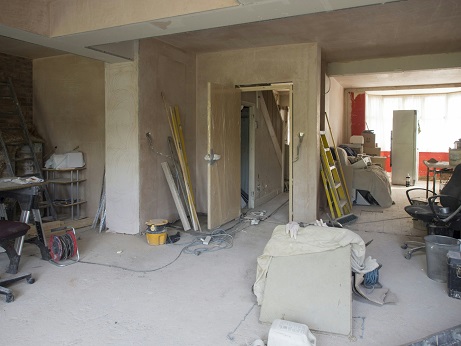
Lack of a Clear Plan
One of the most significant mistakes homeowners make during renovations is proceeding without a comprehensive plan. A detailed home renovation mistakes serves as a roadmap, guiding each phase of the project and helping to avoid unnecessary complications. It is crucial to outline your vision, budget, and timeline before commencing any work. Without a clear direction, homeowners may find themselves faced with unexpected challenges, leading to overspending and prolonged project timelines.
Firstly, a lack of planning often results in budget overruns. When homeowners do not specify their financial limits, they tend to make impulsive decisions regarding materials and labor, which can elicit higher costs than originally anticipated. This can cause considerable stress and dissatisfaction, as exceeding the budget can compromise other aspects of the renovation.
Additionally, renovation delays may arise from inadequate planning. Not having a clear schedule means that tasks may overlap poorly or occur out of sequence, leading to a disorganized workflow. If contractors are unsure of what to do next due to insufficient guidelines, it can significantly prolong the renovation period and disturb the homeowner’s daily life. Moreover, such inefficiencies may result in additional costs due to the need for rework or rushed decisions to meet deadlines.
Finally, without a well-defined plan, the end result may not align with the homeowner’s expectations. This disconnect can lead to disappointment, as the final space may not resemble the initial vision. Having a clear plan allows homeowners to visualize their renovation goals and anticipate potential issues, ensuring the completed project meets their needs and desires. In conclusion, investing time into developing a detailed renovation plan can lead to a smoother, more satisfying experience, minimizing the likelihood of costly errors and unmet expectations.
Underestimating the Budget
One of the most prevalent mistakes homeowners make during the renovation process is underestimating the total budget required for the project. Many individuals start with a rough idea of costs based on initial quotes but fail to consider the full scope of expenses that may arise. This often leads to financial strain and project delays. To combat this challenge, it is essential to create a comprehensive and realistic budget from the outset.
Firstly, when planning for renovations, it is advisable to gather multiple quotes from different contractors or service providers to get a clearer picture of potential costs. Additionally, it is wise to includes a buffer of at least 10-20% of the total estimated budget for unforeseen expenses that inevitably crop up, such as structural repairs, material price increases, or additional labor charges.
Another effective strategy involves breaking the overall project into smaller tasks and estimating the budget for each section separately. This approach allows homeowners to track expenses more accurately and make adjustments as needed with greater ease. In doing so, you can prioritize what is essential and where to allocate funds most effectively.
Moreover, consider reviewing past renovation projects when setting a budget. This insight can provide valuable reference points that help identify typical cost overruns and areas that may require more financial resources than initially anticipated. Engaging a financial advisor or renovation expert could also provide further clarity on potential costs.
In conclusion, establishing a realistic renovation budget that accounts for unexpected expenditures is crucial for the successful completion of any home renovation project. By prioritizing accurate estimates and allowing for contingencies, homeowners can avoid the pitfalls associated with underestimating renovation costs, ensuring a smoother and more manageable renovation experience.
Understanding Local Building Codes and Permits
When undertaking home renovations, one critical aspect that homeowners frequently overlook is the importance of understanding local building codes and obtaining the necessary permits. Building codes are established by local authorities to ensure that construction and renovation projects meet specific safety, structural, and environmental standards. Adhering to these regulations is vital for the safety and integrity of the home, as well as for protecting the welfare of occupants and visitors.
Ignoring these codes can lead to significant legal consequences. If a project is completed without the required permits, homeowners may face fines and penalties from local government entities. In some cases, authorities may even mandate the removal of work that does not comply with regulations, leaving homeowners with considerable financial loss and time lost on their renovation projects.
Furthermore, the consequences of neglecting to secure the appropriate permits can extend beyond immediate fines. Homeowners may encounter significant challenges when it comes time to sell their property. Potential buyers are often wary of properties with unpermitted work, as this can indicate that the renovations were not completed to code. This can harm resale value or even result in legal issues transferring ownership.
It is also important to mention that local building codes can vary not just from one municipality to another, but also depending on the specific type of renovation being undertaken. Thus, it’s essential for homeowners to research and understand the relevant requirements for their specific project. Engaging with local authorities or hiring professionals who are familiar with these codes can provide useful guidance. A thorough understanding of building codes and necessary permits will ultimately protect the homeowner’s investment, ensuring a smoother renovation process.
Choosing the Wrong Contractor
One of the most critical decisions you will make during a home renovation is selecting the right contractor. Choosing an unqualified or unreliable contractor can lead to numerous issues that range from minor delays to significant financial loss and an unsatisfactory finished product. It is essential to approach the hiring process with diligence and forethought.
First, take the time to research local contractors thoroughly. Look for professionals who come highly recommended either through personal referrals or online reviews. Websites dedicated to contractor ratings can provide valuable insights into potential candidates. Focus on their previous work experience, especially with projects similar in scope and style to what you envision for your renovation. Their portfolio should clearly demonstrate quality workmanship and an understanding of your project requirements.
When interviewing contractors, don’t hesitate to ask pertinent questions that gauge their qualifications and expertise. Inquire about their licenses and insurance, as this is crucial for protecting yourself against liability in the event of accidents. Additionally, seek information about their project timeline and how they handle unexpected complications. Understanding how they communicate with clients is also essential; a responsive contractor is vital for a smooth renovation process.
Another key aspect of the hiring process is checking references. Speak to previous clients to gain insights into their experiences, focusing on aspects such as timeliness, professionalism, and the ability to stick to the budget. Look for any red flags in their feedback that may indicate potential challenges you could face. Finally, reviewing online ratings and testimonials can offer further assurance about their reliability and workmanship.
By taking the time to thoroughly vet potential contractors, you can avoid the common mistake of choosing the wrong professional for your home renovation. This approach not only helps to ensure successful project completion but also provides peace of mind as you navigate the sometimes complex world of home improvement.
Skipping Structural Inspections
One of the most crucial steps that homeowners must take before embarking on any renovation project is conducting comprehensive structural inspections. These inspections are vital to ascertain the integrity of the building’s framework, ensuring that any planned alterations will not compromise the existing structure. A thorough evaluation can reveal potential issues such as foundational cracks, wood rot, or other unseen damages that could escalate into larger problems later.
Neglecting to assess the structural integrity of the property can lead to unforeseen complications during the renovation process. For instance, if a homeowner overlooks the need for such inspections, they may discover, mid-renovation, that the foundational support is not adequate for new structural changes. Such setbacks not only delay the project but can also lead to extensive repair costs that could have been avoided with early detection.
Additionally, structural issues can pose safety risks, both during and after renovation. The last thing any homeowner wants is to invest in a new kitchen or bathroom only to find that the entire structure is at risk due to underlying defects. Furthermore, if issues arise after renovations are complete, homeowners may face expensive retrofitting or even structural collapse, jeopardizing the safety of all occupants.
Incorporating professional structural inspections into the renovation planning stage can be a cost-effective decision in the long run. Homeowners are encouraged to work with licensed inspectors who can provide a detailed assessment of the property’s condition. This proactive approach ensures that any renovations align with the structural capabilities of the home while potentially saving money and safeguarding against future liabilities.
Overpersonalizing the Space
One of the most significant mistakes homeowners make during renovations is overpersonalizing the space. While it is natural to want to infuse your personality and taste into your home, doing so excessively can limit the appeal of your property when it comes time to sell. Future buyers may have different preferences or requirements, and a home that is overly customized can discourage potential offers, ultimately impacting your return on investment.
Home renovations should balance personal style with widely appealing choices. Items such as bold wallpaper, vibrant paint colors, or unique architectural features can resonate with you but may not attract the broader market. When selecting design elements, consider opting for neutral colors for walls and larger fixtures. Shades like beige, gray, or soft whites create an inviting backdrop that allows potential buyers to imagine their unique touch while also complementing a variety of furniture aesthetics.
Additionally, when it comes to fixtures such as kitchen cabinets or countertops, choosing timeless materials instead of trendy patterns can save future homeowners from needing to make additional renovations shortly after purchase. For instance, instead of selecting an eye-catching granite with a bold design, consider a classic quartz or a marble effect that suits a wide range of tastes.
Furthermore, try to maintain a consistent style throughout the home. This coherence can help in creating a more inviting atmosphere and show the home’s full potential. It is advisable to think in terms of resale value by prioritizing functionality and style that resonates with the general demographic of buyers in your area.
In essence, graciously aligning your personal style with practical design considerations is key to avoiding the pitfalls of overpersonalization during renovations, ensuring that your home remains desirable to a broad audience.
Neglecting the Importance of Lighting
When undertaking home renovations, one of the critical elements often overlooked is lighting. The right lighting can dramatically influence both the functionality and aesthetics of any space, making it vital to consider during the planning phase. Functionally, proper lighting enhances visibility and can significantly improve the usability of areas such as kitchens, bathrooms, and workspaces. Conversely, poor lighting can lead to frustration and decreased enjoyment of a newly renovated room.
In addition to serving functional purposes, lighting plays a pivotal role in establishing the ambiance of a renovated space. Warm tones can create a cozy atmosphere, while cooler tones might convey a more modern aesthetic. For this reason, it is crucial to integrate various lighting types, including ambient, task, and accent lighting, into your renovation plans. Ambient lighting provides general illumination, task lighting focuses on specific areas, and accent lighting adds depth and interest through highlighting architectural features or décor.
Moreover, planning for natural light should be equally prioritized. Maximizing the use of windows, skylights, or even strategically placed mirrors can help bring in daylight, reducing reliance on artificial light sources. When designing the layout, consider how rooms flow and which areas might benefit from enhanced natural light. Selecting the right window treatments can help control the amount of light that enters, thus preserving privacy while allowing light to filter in.
Lastly, when choosing light fixtures, ensure they complement the overall design of the space. This task requires thoughtful selection around size, style, and placement for cohesive results. By carefully planning your lighting—both natural and artificial—you can transform your home, ensuring it is both functional and visually inviting.
DIY Overconfidence
Pursuing a home renovation project can be an exciting venture, especially for those inclined towards do-it-yourself (DIY) projects. However, there is a significant risk associated with overestimating one’s ability to handle complex tasks without professional help. Homeowners might feel a surge of confidence after successfully completing minor renovations, leading them to take on larger, more intricate projects without a comprehensive understanding of the required skills or potential implications.
The key to a successful renovation lies in understanding the limits of one’s abilities. While simple tasks such as painting walls or installing shelves might be manageable for the average homeowner, other tasks—such as plumbing, electrical work, or structural changes—demand specialized knowledge and experience. The consequences of a DIY approach in these areas can range from costly mistakes to even hazardous situations. For instance, improper handling of electrical components can lead to electrical failures or fires, while poor plumbing work might result in significant water damage.
Before embarking on a DIY project, it is essential to evaluate the scope of work required. Assess whether one truly possesses the necessary skills, tools, and time to execute the task effectively. Professional contractors, although potentially more expensive upfront, can offer expertise that ensures the renovation is completed correctly and safely. Individuals might also consider starting small and gradually taking on more complex projects, assessing their confidence levels as they progress. Knowing when to call a professional can save both time and money in the long run.
Not Considering Future Needs
One of the most critical mistakes homeowners make during home renovations is failing to consider their future needs. When planning renovations, it is essential to adopt a long-term perspective, as living circumstances often change over time. For instance, families may expand, children may move back home, or older adults may require more accessible living spaces. Such considerations should guide the design and layout of renovated areas, ensuring they are versatile and adaptable.
To begin with, homeowners should think about the potential for family growth. If you plan to have more children, designing a functional nursery or converting extra space into a bedroom could save considerable costs in the future. Additionally, there may be opportunities to create flexible spaces that can serve multiple purposes as your needs evolve; for example, a guest room can easily transform into a playroom or home office as your circumstances change.
Furthermore, accessibility should be a significant consideration in renovation plans. Preparing your home for aging in place by including features such as wider doorways, grab bars, and zero-threshold showers can enhance safety and convenience for all family members as they grow older. In multi-level homes, some owners also reserve space for a compact residential elevator so upper floors stay accessible long after stairs become difficult. Additionally, incorporating smart home technology can also be a prudent strategy, as these innovations can provide convenience and efficiency that adapts to various lifestyle changes.
Incorporating future needs into your renovation plans involves a proactive approach, preventing costly modifications down the line. By taking the time to assess how your living requirements may evolve, you can create a hospitable environment that functions effectively for years to come. This foresight not only enhances comfort but also preserves the value of your home investment.