

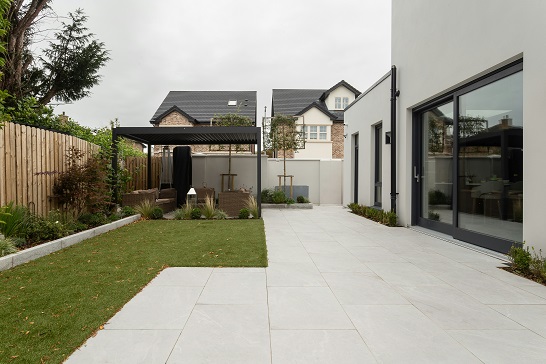
In contemporary urban living, the concept of small backyard design has gained substantial popularity. As living spaces continue to shrink, particularly in densely populated areas, homeowners are increasingly recognizing the potential of these modest outdoor spaces. Small backyards, often characterized by their limited dimensions, can still present abundant opportunities for creativity and design, transforming them into functional extensions of living space. The effective utilization of limited outdoor space is essential in modern homes, as it allows residents to foster a sense of relaxation and connection with nature. With thoughtful planning, a compact backyard can serve multiple purposes, from areas for entertaining guests to serene retreats for personal reflection. Moreover, implementing creative small backyard ideas can significantly enhance the property’s overall appeal, both aesthetically and functionally.
Beyond their practical applications, small backyards also provide a canvas for personal expression. Homeowners can experiment with various landscaping techniques, plant arrangements, and design elements to craft a unique environment. This process not only beautifies the space but can also reflect the personality and style of its inhabitants. Additionally, by incorporating elements such as outdoor seating, vertical gardens, and lighting, a small backyard can become an inviting oasis, encouraging outdoor activities, relaxation, and social gatherings.
In essence, the rising trend of small backyards represents a shift towards maximizing every inch of available land. Embracing the challenges posed by limited space, homeowners can create dynamic, functional areas that enhance their quality of life and complement their modern living experience. As we explore creative ideas for transforming these spaces, it becomes evident that small backyards hold great potential for innovation and design.
Designing for Functionality
Designing a small backyard requires careful consideration to ensure the space serves multiple purposes effectively. The key elements often focus on integrating functionality into each design decision. When planning your backyard, first consider the primary activities you wish to engage in—gardening, entertaining, and relaxation typically rank high on this list. By prioritizing these activities, you can create designated areas that cater specifically to each need.
One effective strategy is to utilize layout planning and zoning techniques. For instance, you can create separate zones for gardening and leisure. A small vegetable patch or flower bed can occupy a corner space, while a compact seating area can be established near the home for socializing. This zoning not only maximizes the utility of the area but also allows for better organization, making it easier to transition between different activities.
Additionally, maximizing vertical space can significantly improve functionality. Vertical gardening options such as wall planters or trellises can enable you to enjoy a lush garden without compromising precious ground space. Combining planters with seating allows for an integrated approach where beauty meets usability. Modular furniture that can be rearranged or stored effortlessly enhances this design intent, as it can be adapted to accommodate both small get-togethers and leisurely afternoons.
In terms of overall design, it is essential to maintain a cohesive aesthetic throughout the space. Utilizing consistent materials and colors can unify the various zones, making the backyard appear larger and more inviting. Ultimately, designing for functionality in a small backyard is about striking a balance between practical needs and personal preferences, creating an environment that reflects your lifestyle while maximizing available space.
Choosing the Right Plants
When it comes to small backyards, the selection of plants plays a pivotal role in maximizing space while creating a beautiful garden aesthetic. One of the most effective strategies is to consider vertical gardening. By utilizing wall spaces for climbing plants, you can introduce greenery without sacrificing valuable ground area. Vines such as clematis and honey-suckle, or even decorative wall planters filled with succulents, permit homeowners to cultivate lush landscapes that draw the eye upward.
Container gardening is another beneficial method for small backyards. Compact pots allow for flexibility in arrangement and make it easier to change plant configurations as seasons shift. Consider using containers made from various materials—ceramic, wood, or metal—to enhance texture and color in your garden. Opting for plants that thrive in containers, like herbs, annuals, and perennials, can facilitate growth while adding vivid pops of color.
Additionally, integrating drought-resistant options is critical for managing maintenance and conserving water. Plants such as lavender, sedum, and aloe vera not only require less water but also offer year-round visual interest. When designing your backyard, it is essential to think about complementary color schemes that harmonize with your home’s exterior. Choosing plants with varied foliage and bloom times ensures a continuous display of colors throughout the year.
Finally, consider the seasonal plants that can enhance your backyard’s appeal. Selecting species that bloom in succession can provide ongoing vibrancy and attract pollinators, creating a dynamic and inviting space. In conclusion, carefully selecting the right plants is crucial in optimizing small backyards for aesthetic and functional purposes, elevating the overall outdoor experience of any modern home.
Creative Hardscaping Ideas
Hardscaping is a vital component in enhancing the functionality and aesthetic appeal of small backyards, particularly for modern homes. By incorporating elements such as patios, pathways, and retaining walls, homeowners can create structured outdoor spaces that provide both utility and visual interest.
When designing patios, it is essential to consider materials that complement the overall architecture of the home. Options like concrete, natural stone, or pavers can add sophistication and durability. For a clean, contemporary look, large-format porcelain tiles are also popular, providing a sleek surface that encourages both lounging and entertaining. Furthermore, incorporating built-in seating or fire pits can turn a simple patio into a focal point for gatherings.
Pathways serve not only functional purposes by directing foot traffic but also enhance the overall design. Utilizing materials like gravel, decomposed granite, or stepping stones can help integrate these paths seamlessly into the landscape. Pathways can curve and meander, providing a sense of exploration, and should be strategically placed to connect various areas of the backyard, such as gardens, patios, and seating areas.
Retaining walls can effectively manage changes in elevation and create terraced areas for planting. In modern landscaping, these walls can also serve as stylish features by employing materials such as timber, concrete, or stone that echo the home’s design elements. Incorporating greenery at the top of the walls or along their base provides a soft contrast to the hard surfaces, ensuring an appealing balance between hardscaping and softscaping.
Ultimately, successful hardscaping in small backyards involves thoughtful material selection and strategic design. By ensuring that hardscaped areas are seamlessly integrated with green spaces, homeowners can create harmonious environments that reflect modern aesthetics while maximizing the potential of their outdoor areas.
Multi-Functional Furniture
In contemporary home design, particularly for small backyard spaces, the integration of multi-functional furniture is paramount. This type of furniture not only optimizes space but also enhances user experience through versatility. By selecting items that can serve multiple purposes, homeowners can create a dynamic outdoor environment that caters to various activities.
One of the most effective solutions is the use of foldable tables. These tables can be easily stored when not in use, thereby freeing up valuable ground space. Foldable options make it possible to set up an outdoor dining area when hosting guests, and then quickly transition into a serene lounge space. Ideal for small backyards, these tables can often accommodate different layouts, further promoting flexibility.
Another noteworthy option is bench storage solutions. Incorporating benches that have built-in storage means that essential items—such as gardening tools, cushions, or outdoor games—can be neatly tucked away. This dual functionality not only provides additional seating but also maintains the aesthetic cleanliness of the outdoor area. By utilizing vertical space with storage benches, homeowners can effectively minimize clutter.
In conclusion, the strategic selection of multi-functional furniture can dramatically enhance the usability of small backyards. By opting for foldable tables, bench storage solutions, and modular seating, homeowners can achieve a comfortable and stylish outdoor retreat that is both functional and aesthetically pleasing.
Incorporating Water Features
Water features can serve as a stunning focal point in modern backyards, particularly in small spaces where every element must be carefully considered. The soothing sound of running water can create an atmosphere of tranquility, promoting relaxation and enhancing the overall ambiance of a backyard area.
For those with limited space, small fountains are an excellent option for introducing a water feature without overwhelming the area. Wall-mounted fountains can be particularly effective, utilizing vertical space to provide a serene water element. These fountains come in various styles, from contemporary designs featuring sleek lines to more traditional options that evoke classic elegance. Adding a small fountain can instantly elevate the aesthetic of your outdoor environment.
Another option for small backyards is the incorporation of a compact pond. Shallow ponds can be designed to fit snugly into corners or alongside pathways, allowing homeowners to enjoy the beauty of aquatic plants and possibly small fish without requiring extensive maintenance. Incorporating a pond into your backyard can create a peaceful retreat, providing both visual appeal and a habitat for local wildlife.
Additionally, birdbaths can be delightful additions to modern homes, attracting various bird species and facilitating a lively atmosphere in your outdoor space. They come in various styles and materials, allowing for customization to fit seamlessly with the surrounding landscape. Essential for maintaining their appeal, regular upkeep is necessary; however, they typically do not require as much space as other water features.
In conclusion, incorporating water features such as small fountains, ponds, or birdbaths in a modern backyard merges aesthetics with function. These elements not only beautify the space but also provide a serene escape, making any small outdoor area feel more inviting and enjoyable.
Lighting for Ambiance and Safety
In a small backyard, the right lighting can significantly enhance the space’s aesthetic appeal while also providing essential safety features. Properly illuminated outdoor areas create inviting environments that encourage evening gatherings and allow us to enjoy our backyards well into the night. Additionally, effective lighting serves as a deterrent to potential intruders, enhancing your home’s security by illuminating dark corners and pathways.
When considering outdoor lighting for small backyards, it is important to explore various options that blend functionality with style. String lights, for instance, are a popular choice for creating a cozy atmosphere. These decorative lights can be draped across trees, fences, or patios, turning ordinary spaces into enchanting retreats. Select warm white bulbs for a soft glow that complements the natural surroundings.
Lanterns, another versatile option, can be placed on tabletops, hung from hooks, or strategically scattered throughout the garden. They come in a variety of styles, from traditional to contemporary, and can add a unique charm to your backyard. For an added level of convenience, consider utilizing solar-powered lanterns. These eco-friendly solutions charge during the day and automatically illuminate your outdoor space at dusk, requiring no electrical wiring.
Finally, solar fixtures, including path lights and wall-mounted sconces, provide both safety and style. Path lights can be installed along walkways to guide visitors safely through your garden, while sconces can highlight architectural features of your home or outdoor structures. Placement is key; consider adjusting the height and positioning of these fixtures to lend an artistic flair to your backyard landscape.
Creating Vertical Spaces
In modern home design, especially for smaller backyards, maximizing space is essential. One effective way to achieve this is through vertical gardening techniques, which utilize walls, fences, and other vertical surfaces for planting and decorative purposes. By thinking vertically, homeowners can enhance their outdoor areas, transforming them into lush, vibrant spaces without sacrificing ground area.
One of the most popular methods for vertical gardening includes the use of trellises. Trellises can be made from various materials such as wood or metal and can support climbing plants, allowing them to grow upward. This not only saves space but also creates a visually appealing vertical garden. Plants like clematis and climbing roses thrive on trellises, providing beautiful blooms that can enhance the aesthetics of the backyard.
Another effective solution is to incorporate wall planters. Wall-mounted pots are perfect for small spaces and can be arranged in patterns to create an eye-catching display. They can be installed on fences, walls, or even the side of the house, making use of otherwise unused vertical space. By choosing a variety of herbs, flowers, or succulents, homeowners can enjoy the benefits of a garden without taking up valuable ground space.
Hanging pots are another practical option for vertical gardening. By suspending pots from overhead structures or hooks, gardeners can create a layered effect. This technique allows for not just ornamental plants but also edible varieties such as cherry tomatoes or strawberries. The cascading effect can add depth and interest to the space.
In summary, vertical gardening is an innovative approach to landscaping that leverages the upward dimensions of backyard spaces. By utilizing techniques such as trellises, wall planters, and hanging pots, homeowners can enhance their outdoor environments while effectively maximizing limited space, resulting in beautiful and functional areas conducive to relaxation and enjoyment.
Conclusion and Final Tips
Designing a small backyard for modern homes requires a careful blend of creativity and practicality. This blog post has provided various ideas to inspire homeowners seeking to maximize their outdoor spaces. Whether you opt for vertical gardens, multifunctional furniture, or ambient lighting, each choice can significantly enhance the aesthetic and functional appeal of your backyard.
When considering renovations, start by assessing your available space and defining how you would like to use it. For instance, do you envision a tranquil retreat for relaxation, a vibrant space for entertaining guests, or a productive vegetable garden? Once you establish your vision, explore design elements that complement your lifestyle while optimizing the small area.
It is crucial to incorporate features that create the illusion of a larger space. Utilizing light colors, reflective materials, and appropriate landscaping can aid in achieving this effect. Additionally, consider the balance between hardscaping and softscaping to ensure comfort and tranquility in your outdoor haven.
Furthermore, embrace the concept of sustainability by integrating native plants and eco-friendly materials. This not only contributes to the environmental well-being but also reduces maintenance efforts, allowing you to enjoy your backyard oasis with minimal work.
Ultimately, don’t hesitate to infuse your personal touch into the design. By incorporating elements that reflect your personality and lifestyle, you create a unique and inviting space that resonates with you and your family. With thoughtful planning and creativity, your small backyard can transform into a modern retreat that enhances your home’s overall appeal.