

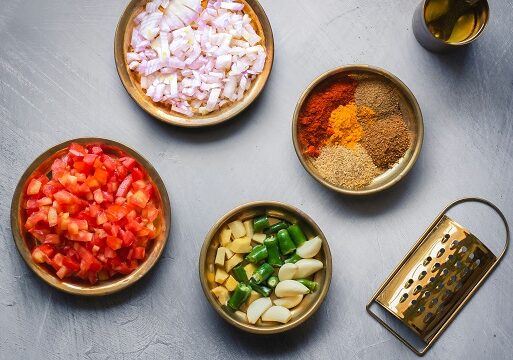
For any culinary novice, mastering fundamental beginner cooking techniques is crucial. These essential skills not only help in preparing meals but also enhance confidence in the kitchen. Below, we will explore five basic cooking techniques every beginner should know: chopping, sautéing, boiling, baking, and braising.
Chopping: Chopping is one of the most basic skills and involves cutting ingredients into smaller pieces. Start by using a sharp knife and a stable cutting board. Practice the claw technique to hold the food securely while slicing. For consistent sizes, aim for uniform cuts, as it ensures even cooking.
Sautéing: Sautéing refers to the process of cooking food quickly in a small amount of oil or fat over medium to high heat. Begin by heating the pan and adding oil. Once hot, add your ingredients, stirring frequently to prevent sticking. This technique is ideal for vegetables and meats, enhancing their flavors with minimal cooking time.
Boiling: Boiling is a technique commonly used for cooking pasta and vegetables. Fill a pot with water, ensuring it’s large enough for the amount of food. Bring it to a rolling boil before adding your ingredients. A pinch of salt enhances flavor, and it’s essential to monitor cooking time to prevent overcooking.
Baking: Baking involves cooking food using dry heat in an oven, making it ideal for dishes like bread and casseroles. Preheat the oven to the required temperature, prepare your dish according to the recipe, and place it in the oven for the recommended time. Keep an eye on the cooking process for optimal results.
Braising: Braising combines both dry and wet cooking methods. Start by browning the food in a pan, then add liquid, cover, and simmer at a low temperature. This technique is excellent for tough cuts of meat, allowing them to become tender and flavorful over time.
By mastering these foundational cooking techniques, beginners can create a variety of dishes with confidence, laying the groundwork for their culinary journey.
Essential Kitchen Tools and Equipment
When beginning your culinary journey, having the right kitchen tools and equipment is paramount. These essential items not only facilitate the preparation of meals but also enhance the overall cooking experience. For novices, a few basic utensils should always be on hand. A good quality chef’s knife is an indispensable tool, as it significantly reduces preparation time and increases efficiency. Equally important is a sturdy cutting board, preferably made of wood or plastic, which provides a safe surface for chopping ingredients and minimizes the risk of accidents.
Pots and pans are fundamental components of any kitchen. Investing in a versatile set of cookware, including non-stick frying pans, saucepans, and larger stockpots, will serve a multitude of purposes, from sautéing vegetables to boiling pasta. It is essential to select pots and pans that distribute heat evenly, aiding in proper cooking.
In addition to these basics, measuring cups and spoons are vital for ensuring accuracy in recipes. They allow for precise ingredient measurement, which is crucial in cooking. For those looking to expand their toolkit, additional special items, such as a whisk, spatula, and tongs, can further enhance cooking efficiency. Consider the material of each utensil, as stainless steel is durable and heat resistant, while silicone can be gentle on non-stick surfaces.
Choosing quality kitchen tools is equally important. Look for well-constructed items that feel comfortable in your hand and are easy to use. It is often beneficial to read reviews or seek recommendations when purchasing these fundamental kitchen tools. Having reliable equipment not only makes cooking more enjoyable but also inspires confidence in one’s culinary abilities.
Understanding Ingredients and Seasoning
Choosing the right ingredients and understanding their properties is fundamental to successful cooking. Fresh produce, proteins, grains, and spices each play a unique role in culinary creations. Selecting high-quality ingredients is essential; fresh vegetables should be vibrant and firm, while proteins must be sourced from reputable suppliers. Additionally, grains like rice, quinoa, and pasta provide a hearty base for many meals. Knowing how to store these ingredients is equally important. For instance, produce should be kept in a cool, dry place or the refrigerator to maintain peak freshness, while dry goods should be stored in airtight containers to prevent spoilage.
Understanding different ingredient types allows novice cooks to experiment with flavors and textures. Fruits and vegetables bring brightness and crunch, while proteins such as chicken, beef, and fish contribute to the heartiness of a dish. When considering grains, options such as couscous and barley can elevate a meal beyond traditional rice and pasta offerings. Furthermore, a variety of spices can dramatically change the flavor profile of dishes—from the warmth of cumin and coriander to the heat of chili powder or black pepper. Learning to identify these ingredients and their complementary nature can inspire creativity in cooking.
Seasoning food effectively is key to enhancing its natural flavors. Utilizing salt judiciously is the first step, as it can bring out sweetness in vegetables and balance flavors in savory dishes. Additionally, herbs, whether dried or fresh, add depth and complexity; for instance, basil pairs beautifully with tomatoes while rosemary complements roasted meats. Experimenting with different combinations encourages a deeper understanding of taste. Start with small amounts of spices and adjust according to preference, as it’s easier to add than to subtract. Developing a keen sense for ingredients and seasoning will significantly improve cooking confidence and lead to delightful culinary experiences.
Meal Planning and Preparation Tips
For beginners stepping into the world of cooking, meal planning is not merely a matter of convenience; it serves as an essential foundation for establishing a smooth cooking routine. By effectively planning meals, new cooks can minimize the time spent in the kitchen and reduce the associated stress. The key to successful meal planning lies in foresight and organization.
First, start by creating a weekly menu. Consider your schedule and decide on which meals you will prepare for the week ahead. Including a mix of known favorites and new recipes allows for culinary exploration while ensuring that meals remain enjoyable. This also helps in creating a comprehensive shopping list, reducing the likelihood of impulse purchases and food wastage.
Shopping efficiently is another cornerstone of effective meal planning. Instead of multiple trips to the grocery store, try to consolidate your shopping into one weekly outing. This not only saves time but also helps you stick to your budget. When at the store, make sure to shop the perimeter first, where fresh produce, meat, and dairy products are typically located, before venturing into the inner aisles, where more processed foods reside.
Furthermore, preparation is vital for ensuring that cooking becomes a seamless process rather than a chore. Dedicate some time on the weekend or a less busy day to prep ingredients. Washing and chopping vegetables, marinating proteins, or even batch-cooking grains can massively reduce cooking time during the week. Store these prepped ingredients in labeled containers in the refrigerator, making it easy to grab what you need when you are ready to cook.
By practicing these meal planning and preparation tips, beginners can gain confidence in their cooking abilities, leading to healthier eating habits and a more enjoyable experience in the kitchen.
Learning to Follow Recipes
Understanding how to read and interpret recipes is fundamental for beginners in the culinary world. Recipes serve as structured guides, detailing the necessary ingredients and outlining the steps needed to create a dish successfully. When embarking on a cooking venture, the first task is to carefully review the recipe, ensuring one fully comprehends each component before starting. This initial understanding significantly reduces errors and enhances the cooking experience.
Accurate measurement of ingredients is a critical aspect of following recipes. Many dishes require precise proportions to achieve the intended flavor and texture. It is important to use the right measuring tools; dry ingredients typically require dry measuring cups, while liquids should be measured in liquid measuring cups. Additionally, understanding terms such as “chop,” “dice,” or “simmer” is essential for following the instructions correctly. A beginner should familiarize themselves with these cooking techniques to enhance confidence and execution.
Following cooking times meticulously is equally vital. Undercooking or overcooking can drastically alter a meal’s outcome. Timers can be utilized to monitor cooking durations, along with visual cues provided in recipes, which can guide the cook in determining doneness. Beginners should always be prepared for alterations in cooking times based on equipment used, such as the type of stove or oven, as different appliances can affect heat distribution.
Moreover, managing multiple components in a dish can be challenging for novices. It is often beneficial to sketch out a timeline that correlates with the recipe’s steps, allowing one to know when to start various components. For instance, while meat is roasting in the oven, one could prepare side dishes or sauces. This method fosters efficiency and results in well-coordinated meals.
Ultimately, while adhering to a recipe is crucial, there’s also room for creativity in the kitchen. Interpreting recipes can lead to personalized dishes that reflect one’s own taste preferences. Therefore, learning to follow recipes creates a solid foundation while also encouraging culinary innovation.
Proper Cooking Safety and Hygiene
Ensuring safety and maintaining hygiene in the kitchen are paramount for every cook, particularly for beginners. One of the first principles of cooking safety is the proper handling of sharp objects, such as knives. Always use a cutting board, and ensure that the knife is sharp; a dull blade can cause accidents due to increased force being required for cutting. Additionally, it is essential to position the cutting board firmly on your work surface to prevent slipping. When using knives, the correct technique involves cutting away from your body and keeping fingers curled under to avoid accidental cuts.
Moreover, safety extends to working with hot equipment, such as stovetops, ovens, and grills. Always use oven mitts when handling hot pots and pans, and be aware of your surroundings to prevent burns or spills. Make sure that any electrical appliances are well-maintained and used according to their instructions to minimize risks.
Aside from physical safety, hygiene plays a crucial role in preventing foodborne illnesses. It is imperative to wash hands thoroughly with soap and water before handling food and to clean surfaces, utensils, and cookware to eliminate harmful bacteria. When preparing meals, particularly with raw meat, practice the “clean, separate, cook, chill” principles. This involves cleaning surfaces often, separating raw and cooked foods to avoid cross-contamination, ensuring that foods are cooked to appropriate temperatures, and properly refrigerating leftovers to keep them safe for consumption.
The importance of cleanliness cannot be overstated. Regularly sanitizing kitchen tools and cleaning the workspace helps maintain an overall safe cooking environment. By adhering to these fundamental cooking safety and hygiene practices, beginners can cultivate a safe, healthy, and enjoyable cooking experience.
Troubleshooting Common Cooking Mistakes
Cooking can be a daunting task for beginners, and mistakes often occur in the kitchen. Understanding how to troubleshoot these common errors is essential for improving your culinary skills.
One frequent pitfall is overcooking pasta, which can lead to a mushy texture that detracts from the dish’s overall appeal. To avoid this, ensure you follow the recommended cooking time on the package closely. Additionally, it’s wise to taste the pasta a minute or two before the timer goes off. When you achieve the desired al dente texture, promptly drain the pasta and toss it with a small amount of olive oil to prevent it from sticking.
Another common mistake is creating under-seasoned dishes. A lack of seasoning can leave meals bland and unappetizing. When cooking, it’s crucial to season your ingredients throughout the process rather than just at the end. This ensures that flavors are developed and distributed evenly. Use salt and other spices liberally but with caution; it’s easier to add more seasoning than to correct an overly salty dish. Experimenting with herbs, citrus, and acids can also enhance the depth of flavor.
Burnt ingredients can also be a source of frustration. To mitigate this, adjust your cooking temperature as necessary and monitor your pan closely, stirring or flipping food to ensure even cooking. Using a timer can help maintain focus during this process, as losing track of time is a common cause for burning foods.
Lastly, understanding that not every meal will be perfect is part of the learning curve. Mistakes provide an opportunity for growth; keep track of what works and what doesn’t. In your journey towards becoming a proficient cook, these troubleshooting strategies will serve you well, enabling you to prevent common cooking mistakes and improve your overall approach in the kitchen.
Building Your Culinary Skills Gradually
Embarking on the cooking journey as a beginner can be both exciting and intimidating. It is essential to understand that culinary skills are not developed overnight; they require time, patience, and practice. As such, aspiring cooks should focus on building their skills gradually, starting with simple recipes that allow for mastery of basic techniques.
Begin by exploring uncomplicated dishes, perhaps those that require minimal ingredients and straightforward cooking methods. A simple pasta dish or a basic stir-fry can teach valuable skills such as chopping, sautéing, and seasoning without overwhelming the novice cook. These foundational recipes provide firsthand experience and instill confidence that encourages further exploration into the culinary arts.
As beginners become more comfortable, they can begin to challenge themselves with more complex recipes or techniques. For instance, after gaining confidence in preparing basic sauces, they may try their hand at creating intricate flavored reductions or emulsions. This gradual escalation not only hones essential kitchen skills but also nurtures creativity and self-expression in cooking.
Moreover, successful cooking is deeply rooted in motivation and enjoyment. Beginners should choose recipes that resonate with their personal taste preferences or those they wish to share with others. This intrinsic motivation fuels the desire to improve and experiment in the kitchen, often leading to rewarding cooking adventures.
Lastly, patience is a vital attribute in developing culinary skills. Mistakes are inevitable and should be viewed as learning opportunities rather than setbacks. With regular practice and a positive mindset, beginners will find themselves evolving into more skilled cooks, capable of preparing an array of dishes that reflect their growth and passion for cooking.
Finding Inspiration and Building Confidence in the Kitchen
Cooking can often feel overwhelming for beginner cooking techniques, but there are numerous avenues available to find inspiration and cultivate confidence in the kitchen. One of the most effective methods is to follow professional chefs and home cooks on social media platforms. Chefs often share creative recipes, cooking tips, and engaging cooking videos that can motivate and spark new ideas. Engaging with these platforms not only provides visual stimulation but also allows for interaction through comments and discussions, fostering a sense of community among cooking enthusiasts.
In addition to social media, joining a cooking class can be a remarkable way to gain hands-on experience and boost confidence. Classes can range from local community offerings to online tutorials that cater to various skill levels. Under the guidance of an experienced instructor, beginners can learn essential cooking techniques, explore diverse cuisines, and receive immediate feedback, making the learning process both structured and enjoyable. Furthermore, cooking classes often encourage social interaction, which can further enhance the motivation to learn and experiment in the kitchen.
Another excellent resource is the plethora of online recipe blogs available today. These blogs often feature step-by-step guides, ingredient explanations, and user-friendly formats that make it easier for novices to follow along. Experimenting with different recipes allows beginners to discover their tastes and preferences while also building essential skills in meal preparation. As individuals try new dishes, they will likely encounter both successes and challenges, each of which contributes to their growth as a cook.
Ultimately, the goal of finding inspiration and building confidence in the kitchen is to embrace the process as a journey of creativity and learning. By exploring various resources and dedicating time to practice, beginners can transform their cooking experience from a daunting task into an enjoyable and rewarding endeavor.