

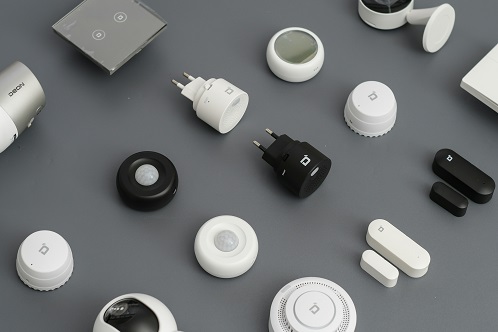
Introduction to Smart Home Upgrades
As technology continues to advance, the concept of smart home upgrades has gained significant popularity among homeowners looking to enhance their living spaces. Smart home technology encompasses a wide range of devices and systems that can be controlled remotely, providing increased convenience and efficiency. As consumers become more aware of the benefits these innovations offer, including improved security, energy savings, and overall ease of use, the interest in integrating smart technologies into everyday life has surged.
Homeowners are increasingly seeking budget-friendly upgrades that not only elevate their home’s functionality but also contribute to its overall value. These upgrades can be particularly appealing to those looking to sell their property, as prospective buyers often prioritize homes equipped with modern technology. Simple initiatives, such as installing smart thermostats, smart lighting systems, and security cameras, can make a substantial impact on both the efficiency of the home and its market appeal without necessitating extensive financial investment.
By implementing smart home upgrades, homeowners can significantly enhance not only their comfort and convenience but also their home’s security. Devices such as smart locks and video doorbells allow for real-time monitoring and control, providing peace of mind to residents. Furthermore, such systems can also contribute to energy efficiency by automating functions to reduce consumption and wastage. For example, smart thermostats can learn patterns in the homeowner’s behavior, adjusting the heating and cooling accordingly to optimize energy use. Ultimately, undertaking smart home upgrades presents a practical solution for anyone looking to enhance their living environment while adding tangible value to their property without incurring excessive expenses. By focusing on strategic improvements, homeowners can enjoy the benefits of modern technology and also position their homes favorably in a competitive real estate market.
Assessing Your Home’s Needs
In the rapidly evolving landscape of smart home technology, it’s crucial for homeowners to carefully assess their current systems to identify potential areas for improvement. Smart home upgrades can significantly enhance both the functionality and comfort of your living environment, but determining the right upgrades requires a thorough evaluation of your existing setup. Start by taking stock of your current smart devices, security systems, lighting, and heating or cooling components. Consider how these elements interact with each other and whether they meet your everyday needs.
To facilitate this assessment, creating a checklist of desired smart features can be immensely beneficial. Begin by outlining specific functionalities you would like to integrate into your home. For example, are you interested in enhanced security measures, energy-efficient lighting solutions, or seamless home automation systems? By specifying these features, you can gain a clearer understanding of what upgrades may provide value based on your lifestyle and routine.
As you compile your checklist, it’s important to assess the functionality of existing components to determine their effectiveness and compatibility with future upgrades. For instance, if your current thermostat is outdated but operational, consider its compatibility with advanced smart thermostats that offer energy management features. This careful analysis helps prioritize which upgrades would yield the most significant benefits, ensuring that any investments made are aligned with your specific needs.
Ultimately, prioritizing your smart home upgrades is a highly personalized process. Evaluate how each potential enhancement will fit into your daily life, ensuring that each addition is not only beneficial but also aligns with your budgetary constraints. A well-planned approach to assessing your home’s needs will pave the way for intelligent home upgrades that add both value and convenience without unnecessary expenditure.
Affordable Smart Lighting Solutions
Integrating smart lighting solutions into a home can significantly enhance its appeal and overall functionality without necessitating a substantial financial outlay. One of the most accessible options on the market is the use of smart bulbs. These energy-efficient bulbs offer adjustable brightness, direct color control, and compatibility with popular smart home systems such as Google Home or Amazon Alexa. Many brands, including Philips Hue and Wyze, offer smart bulbs at budget-friendly prices, enabling homeowners to tailor the lighting experience to their preferences.
Another economical choice is smart LED light strips. These versatile strips can be used to illuminate various spaces, from under cabinets to around entertainment centers. The ability to change colors and brightness through smartphone apps or voice commands allows for easy ambiance alterations, promoting both convenience and aesthetic appeal. Notable brands such as Govee and LIFX provide these functional yet affordable options, allowing homeowners to enhance their decor without overspending.
Furthermore, motion sensors are a practical addition to any smart lighting setup. Devices like the Philips Hue Motion Sensor can detect movement and automatically trigger lights, providing both security and energy savings. Utilizing such sensors can streamline everyday activities, ensuring lights turn on when entering a room and off after departure, thereby contributing to lower electricity costs.
Successful integration of smart lighting systems typically involves minimal installation effort. Most smart bulbs merely require replacing traditional bulbs, while light strips often utilize peel-and-stick adhesive for straightforward mounting. Additionally, motion sensors can be easily positioned at entry points for maximum effectiveness. By opting for these affordable smart lighting solutions, homeowners can enjoy enhanced energy efficiency, improved convenience, and a more inviting ambiance within their living spaces.
Smart Thermostats for Energy Savings
In recent times, smart thermostats have emerged as a popular home upgrade, prized for their efficiency and cost-effectiveness. These devices allow homeowners to optimize their energy use, leading to significant reductions in utility bills. By learning your heating and cooling preferences, a smart thermostat can adjust the temperature automatically based on your schedule, ensuring minimal energy waste.
One of the key advantages of smart thermostats is their remote access feature. Homeowners can control their thermostat via smartphone applications, enabling temperature adjustments even from a distance. This capability not only enhances comfort but also promotes energy savings by allowing you to reduce heating or cooling when you are not at home. Additionally, many smart thermostats provide real-time energy usage reports, helping users become more aware of their consumption patterns and identify areas for further savings.
When selecting a smart thermostat, several features can enhance your experience. Look for models with geofencing technology, which adjusts the temperature based on your location, or those that are compatible with home automation systems. Many units also offer integration with voice assistants, providing added convenience. Budget-friendly models are available on the market, making it easier for homeowners to invest in this upgrade. Options such as the Ecobee Lite and the Nest Thermostat E are examples of effective devices that provide advanced features without a hefty price tag.
In conclusion, upgrading to a smart thermostat can be a wise investment, improving both home comfort and energy efficiency. By carefully considering the features and models available, homeowners can achieve substantial savings on their energy bills while contributing positively to environmental sustainability.
Enhancing Home Security with Smart Devices
As homeowners increasingly prioritize safety and security, affordable smart home upgrades have become more relevant than ever. Among these, smart security devices—such as doorbell cameras, smart locks, and motion sensors—stand out as effective solutions for enhancing home safety. These devices not only provide peace of mind, but they also serve as strong deterrents against potential intruders.
Doorbell cameras, for instance, allow homeowners to monitor their front porches in real-time through smartphone notifications. Many models offer two-way audio, enabling interaction with visitors or package delivery personnel, which can deter unwanted approaches. Similarly, smart locks provide an upgraded method of securing access points. They enable keyless entry and remote locking capabilities, which contribute to enhanced safety without the need for physical keys that might be lost or stolen.
Motion sensors play a vital role as well, by detecting unusual activity around your home. These devices can activate alarms and send alerts, ensuring that homeowners remain informed of any suspicious movements. Many motion sensors integrate seamlessly with existing security systems, providing a cohesive and comprehensive layer of security.
When considering these smart security upgrades, it is essential to choose devices that do not require extensive renovations for installation. Look for models that are designed for easy setup; many options can be installed within minutes with simply a screwdriver or a smartphone app. Moreover, ensure compatibility with existing home networks, allowing for straightforward integration into your smart home ecosystem.
In conclusion, enhancing home security with smart devices is a feasible and cost-effective way to improve safety at home. By investing in affordable options like doorbell cameras, smart locks, and motion sensors, homeowners can achieve a greater sense of security without breaking the budget.
Smart Home Assistants and Integration
Smart home assistants, such as Amazon Echo and Google Home, play a crucial role in creating a cohesive smart home ecosystem. These devices serve as the central hubs that enable seamless integration of various smart devices, enhancing the overall functionality and convenience of a home. With the ability to control lighting, climate, appliances, and entertainment systems through voice commands, these assistants simplify everyday tasks and help streamline the user experience.
One of the foremost advantages of smart home assistants is their voice activation feature. Users can perform numerous functions—such as adjusting room temperatures, switching off lights, or even managing security cameras—without lifting a finger. This hands-free operation not only adds to the convenience but also promotes accessibility for all individuals, including those with mobility challenges.
Moreover, smart home assistants offer significant enhancement to entertainment options. They allow users to play music, set up routines for movie nights, or control streaming devices, all with simple voice prompts. This integration fosters an environment where entertainment can be customized to suit personal preferences, providing an appealing aspect to potential buyers or renters.
For budget-conscious homeowners, several budget-friendly smart home assistants are available that provide excellent value without compromising functionality. Devices such as the Amazon Echo Dot or Google Nest Mini offer affordable entry points into smart home technology, allowing users to explore integration options without a substantial financial investment.
It’s essential to consider compatibility when integrating smart home assistants with existing devices. Many leading brands ensure that their products can communicate with a wide array of third-party devices, enhancing the adaptability of the smart home ecosystem. By thoughtfully selecting devices that work well with the chosen smart assistant, users can create a harmonized, automated home experience while also increasing the overall value of their property.
Monitoring Energy Usage with Smart Plugs
In recent years, smart home technology has proven to be a valuable asset for ensuring energy efficiency and reducing utility costs. A key component of this technology is the smart plug, a device that allows homeowners to monitor and manage their energy consumption effectively. These affordable plugs can enhance the management of energy use for various appliances, leading to significant savings over time.
Smart plugs can be easily integrated into a residence, requiring no extensive installation procedures. Users simply plug their appliances into these smart devices and connect them to a compatible smartphone application. This setup enables real-time monitoring of energy usage for each connected device, helping individuals identify which appliances consume the most power. Consequently, it paves the way for better energy management strategies and helps curb unnecessary energy waste.
One of the notable advantages of smart plugs is the ability to automate energy consumption. Users can schedule specific times for appliances to operate, ensuring they run during off-peak energy hours, which may reduce electricity costs. For example, a homeowner can set a smart plug to turn on a coffee maker early in the morning or adjust the usage of heating or cooling devices according to daily patterns. This level of automation not only minimizes energy consumption but also streamlines everyday activities.
Furthermore, many smart plugs offer features such as energy usage reports and notifications when appliances are active for extended periods. This detailed insight allows homeowners to adjust their behavior accordingly and invest in more energy-efficient appliances, contributing to overall sustainability efforts. In summary, smart plugs represent an effective solution for monitoring energy usage, enabling homeowners to optimize energy efficiency without incurring significant expenses.
Affordable Home Monitoring Systems
In today’s fast-paced world, ensuring the safety of your home and loved ones has never been more critical. Fortunately, budget-friendly home monitoring systems are available that not only enhance security but are also easy to install and manage. These systems allow homeowners to maintain a systematic approach to monitoring, providing peace of mind without severely impacting your budget.
One popular option is the Ring Video Doorbell, which offers a combination of affordability and functionality. This device allows homeowners to see and communicate with visitors, thanks to its integrated camera and two-way audio. Its motion-activated notifications ensure that you are always informed of any activity at your doorstep, helping to deter unwanted guests.
Another recommended choice is the Wyze Cam, providing exceptional value without compromising quality. This indoor and outdoor camera offers HD video quality, clear night vision, and motion detection alerts. The ability to access live feeds via a smartphone app means that you can keep an eye on your property from virtually anywhere. Additionally, Wyze provides cloud storage options, ensuring your recorded footage is safe and accessible.
For those interested in a more comprehensive security solution, the SimpliSafe Home Security System can be an excellent fit. This system combines affordable price points with customizable options such as indoor cameras, outdoor cameras, and various sensors. Its wireless installation makes setup a breeze, and it can be tailored to meet your specific security needs.
Ultimately, affordable home monitoring systems offer a blend of convenience, advanced features, and the assurance that your home is secure. By investing in these smart technologies, homeowners can significantly enhance their property’s value while also gaining peace of mind about their safety. The choice is clear: embracing these technologies is both a prudent financial decision and a wise step towards a safer home environment.
Conclusion: The Future of Affordable Smart Homes
As we’ve explored throughout this blog post, smart home upgrades can significantly enhance both the functionality and value of your property without imposing a substantial financial burden. Innovations in technology have made it easier and more accessible for homeowners to incorporate advanced features into their residences, allowing for a more convenient and efficient living environment.
From simple smart bulbs and thermostats to more sophisticated security systems, these budget-friendly upgrades exemplify how even minor modifications can yield considerable benefits. Not only do such enhancements improve day-to-day living by increasing comfort and security, but they can also positively influence property value, making your home more appealing to potential buyers. The key takeaway is that you don’t need to implement every smart technology available on the market to start enjoying the advantages of a smart home.
As you contemplate your own smart home journey, consider initiating your upgrade plans gradually. Begin with one or two upgrades, assess their impact, and then expand from there to include additional features that align with your needs and budget. This approach ensures that investments are manageable while still delivering significant returns in terms of both usability and property enhancement.
Ultimately, the future of affordable smart homes is bright. Embracing these technologies can turn your living space into a modern, efficient sanctuary. So, take the first step today, and unlock the potential that simple transformations can bring into your daily life while adding value to your home.