

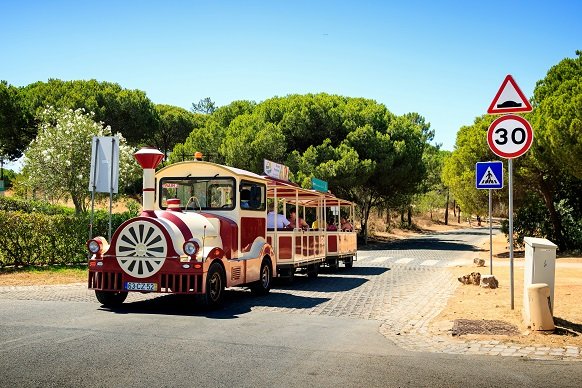
Slow travel is an approach that emphasizes a more mindful and immersive experience in travel, contrasting starkly with the fast-paced nature of traditional tourism. This concept encourages travelers to take the time to truly appreciate their surroundings, cultures, and the connections that come with exploring a destination at a leisurely pace. The roots of slow travel can be traced back to the broader slow movement, which emerged in the late 1980s, advocating for sustainable living and deeper engagement with local communities. As a philosophy, slow travel encourages a thoughtful engagement with the world, promoting quality over quantity in the travel experience.
Unlike fast tourism, where visitors rush through attractions to check items off a list, slow travel promotes a more deliberate focus on each moment spent in a destination. It invites travelers to spend more time in fewer locations, allowing them to connect with local cultures, appreciate the nuances of the environment, and engage with the inhabitants on a more personal level. This slower pace allows for the discovery of hidden gems and local traditions that may be overlooked in the hurried itineraries typical of conventional travel.
In recent years, the slow travel concept has gained increasing popularity as modern tourists become more aware of the impact of their travels on both the environment and local communities. In an era where rapid globalization often leads to homogenized experiences, slow travel has emerged as an antidote, promoting sustainability and a deep appreciation for authentic local encounters. This growing trend towards mindfulness and sustainability in tourism reflects a shifting paradigm that prioritizes personal connections and environmental responsibility over mere sightseeing.
The Principles of Slow Travel
Slow travel is more than just a trend; it embodies a philosophy that encourages travelers to engage more deeply with their surroundings and foster meaningful connections with the local culture. One of the core principles of slow travel is immersion in local culture. This approach focuses on understanding the traditions, customs, and values of the community rather than merely visiting destinations for sightseeing. For instance, instead of spending a day at a crowded tourist attraction, a slow traveler may choose to participate in local workshops, such as a cooking class that showcases regional cuisine or a craft session that highlights traditional skills. This engagement not only enhances the travel experience but also supports local artisans and businesses.
Another essential principle is taking the time to appreciate one’s surroundings. This entails embracing an unhurried pace that allows for discovery and reflection. Rather than racing from one landmark to another, slow travelers prioritize quality over quantity. A traveler might spend an entire afternoon at a local park, observing the daily life of residents, enjoying a book, or simply soaking in the tranquility of the environment. Such moments afford deeper insights into the destination, fostering a stronger appreciation for its beauty and nuances. Many German slow travellers do this in the Canary Islands, where they settle in Ferienhaus La Palma for several weeks instead of hopping between hotels.
Finally, sustainability is a key focus of slow travel principles. This concept emphasizes the importance of choosing eco-friendly options that minimize the impact on the environment. For example, slow travelers might opt for biking or walking rather than using motorized transportation. They might also prefer accommodations that practice sustainability, such as eco-lodges or homestays that give back to the community. By prioritizing sustainable practices, slow traveling not only benefits the traveler but also safeguards the natural and cultural heritage of the places they visit.
Benefits for Travelers
Slow travel represents a shift in the way individuals engage with the world around them, focusing on the quality of experiences rather than the quantity. One of the most significant benefits for travelers is the profound cultural understanding that develops from immersing oneself in local traditions and lifestyles. This approach allows tourists to engage with communities on a deeper level, fostering meaningful interactions with locals who share their customs, languages, and stories.
Moreover, slow travel encourages relaxation and a more balanced pace of life, contrasting sharply with the frantic schedules often associated with traditional tourism. Travelers have the opportunity to savor their surroundings, whether it be through leisurely strolls, extended stays in one location, or participation in local workshops. This slower rhythm not only enhances the enjoyment of discovered places but also contributes positively to travelers’ mental and emotional well-being.
Research suggests that relaxation gained through slow travel can lead to enhanced creativity. By stepping away from daily routines and embracing new environments, travelers often find themselves inspired. For example, an artist who takes the time to breathe in the vibrant atmosphere of a quaint village may return to their studio with a fresh perspective and renewed inspiration.
Anecdotal evidence from those who have embraced this style of travel further underscores these benefits. One traveler recounted spending a month in a rural area of Italy, where they learned traditional cooking techniques from a local family. The experience not only deepened their appreciation for Italian cuisine but also cultivated friendships that have lasted long after their journey ended. Additionally, many travelers report a heightened sense of life satisfaction, attributing it to the rich experiences and personal connections made during their explorations.
Environmental Advantages
In recent years, the concept of slow travel has gained traction among environmentally conscious travelers. This approach not only caters to the desire for immersive experiences but also significantly contributes to environmental sustainability. One of the primary advantages of slow travel is its potential to reduce the carbon footprint associated with tourism. By opting for slower modes of transportation, such as trains and bicycles, travelers can lessen their reliance on air travel, which is known to contribute to greenhouse gas emissions. This shift towards more sustainable methods aids in combating climate change and its associated effects on ecosystems worldwide.
Embracing a slower pace encourages the adoption of eco-friendly practices as well. Travelers who take the time to explore local cultures, cuisine, and landscapes often find themselves gravitating towards sustainable accommodation options such as eco-lodges, hostels, or locally-run bed-and-breakfasts. These establishments typically prioritize environmental conservation, using renewable energy sources and implementing waste reduction practices. Furthermore, engaging in community-based tourism allows visitors to contribute directly to local economies, fostering entrepreneurship and ensuring that tourism profits benefit the inhabitants of the region instead of large, international corporations.
Moreover, slow travel promotes environmental stewardship by encouraging travelers to connect more deeply with their surroundings. This connection often leads to increased awareness of the impacts of human activity on natural habitats. As tourists become advocates for conservation, they may partake in activities such as wildlife preservation, environmental cleanup, and responsible hiking, further reinforcing the importance of protecting natural spaces. Therefore, the environmental advantages associated with slow travel extend beyond mere reduction in carbon emissions; they also cultivate a more responsible and engaged community of travelers dedicated to sustaining the planet.
Economic Impacts on Local Communities
Slow travel, characterized by a deliberate and immersive approach to exploration, holds significant economic potential for local communities. As travelers opt for more prolonged stays and prioritize authentic experiences, they provide essential financial support to small businesses. This directly contributes to the sustainability of local economies and helps maintain the cultural integrity of the regions they visit.
Unlike mass tourism, which often funnels funds towards large corporations and resorts, slow travel encourages visitors to engage with the local fabric. This may include dining at family-run restaurants, participating in artisan workshops, or purchasing handmade goods from local markets. Such activities not only enrich the travel experience but also ensure that the economic benefits circulate within the community. For instance, a tourist may relish purchasing a hand-crafted pottery piece which supports local artisans and preserves traditional crafts.
The influx of slow travelers can positively influence job creation in local areas as increased demand for services leads to growth opportunities for small businesses. As these ventures thrive, they often hire local residents, thereby bolstering the local job market. Moreover, when tourists take the time to learn about and respect local customs and traditions, they enhance the cultural exchange. This mutual understanding is essential for fostering a healthy relationship between travelers and residents, making the destination more appealing for future visitors.
In conclusion, the economic impact of slow travel on local communities is profound. By supporting small businesses and engaging in authentic experiences, slow travelers contribute to maintaining cultural integrity while ensuring that the benefits of tourism are equitably shared. This sustainable approach not only nurtures the local economy but also enhances the overall travel experience for those who choose to embrace it.
Challenges and Misconceptions of Slow Travel
Slow travel, despite its numerous benefits, is often hindered by several common challenges and misconceptions. One significant challenge is the perceived lack of time. Many individuals equate travel with hurried itineraries and packed schedules, leading them to believe that slow travel is impractical in today’s fast-paced world. However, adopting a slow travel approach can actually provide a more fulfilling experience, enabling one to immerse oneself fully in the destination and culture. To restructure time management, travelers can prioritize a few key locations, allowing for deeper exploration rather than superficial visits to many places.
Another misconception revolves around the complexity of planning slow travel. It may seem daunting to create a slower-paced travel itinerary, especially for those accustomed to organizing quick trips. However, there are numerous resources available today, such as travel blogs and platforms dedicated to slow travel, that can assist with thoughtful and comprehensive trip planning. Utilizing these resources can streamline the planning process, making it less overwhelming and more enjoyable.
Additionally, some people believe that slow travel inherently requires more resources, such as time, finances, and energy. While it is true that this form of travel may take longer, it does not always equate to higher costs. In fact, slow travel can often lead to cost savings through opportunities like extended stays in one location, which frequently offer discounted accommodations. Furthermore, engaging in local activities and experiences can be a more economical way to enjoy a destination than typical tourist attractions.
In addressing these misconceptions, it is crucial for travelers to embrace a mindset of flexibility and openness, allowing them to reap the rewards of a more immersive travel experience while overcoming the challenges associated with slow travel.
Incorporating Slow Travel Principles
Slow travel is a philosophy that encourages deeper connections with places and cultures, promoting a more meaningful experience for travelers. To embrace this approach, several practical strategies can be implemented throughout your journey.
First and foremost, it is essential to choose destinations that prioritize and support the ideals of slow tourism. This can include locations known for their sustainable practices, cultural authenticity, and a welcoming atmosphere for slower exploration. Researching regions that value local experiences, such as community-based tourism initiatives, can enhance your travel experience.
Additionally, planning your itinerary with ample downtime allows you to savor the surroundings rather than rushing from one attraction to the next. Allocate free periods to wander through local neighborhoods, savor meals at nearby restaurants, or partake in cultural events. This not only enriches your experience but also respects local customs and traditions that may be overlooked in fast-paced tourism.
Another significant element of slow travel is being open to spontaneity. Embrace unplanned opportunities that present themselves during your journey. For example, if you stumble upon a local market or festival, consider adjusting your planned activities to explore these enriching experiences. This flexibility can lead to authentic encounters and memorable interactions with locals.
Finally, consider engaging in activities that allow for a deeper understanding of the culture, such as cooking classes, guided nature walks, or art workshops. These experiences often provide insight into the local way of life and foster a connection not achievable through traditional sightseeing alone.
By consciously choosing to incorporate these principles, travelers can enjoy a more profound connection with their destinations, thereby experiencing the true essence of slow travel in modern tourism.
Successful Case Studies in Slow Travel
Slow travel is increasingly being embraced by various destinations and travel companies as a way to enhance the travel experience while promoting sustainable tourism practices. One notable example is the promotion of the Slow Food movement in Italy. Originating in the 1980s, this initiative emphasizes local cuisine, traditional cooking methods, and the enjoyment of food as part of the broader travel experience. Travelers are encouraged to engage with local chefs, explore farmer’s markets, and participate in cooking classes that highlight the region’s culinary heritage. This not only supports local economies but also deepens visitors’ connection to the destination.
Another exemplary case is the Slow Travel movement in New Zealand, where several travel companies offer itineraries that focus on experiencing the country at a leisurely pace. For instance, the Slow Tours initiative prioritizes small group experiences and encourages visitors to explore less commercialized areas, interact with local communities, and appreciate the stunning natural landscapes. This approach contrasts sharply with the mainstream fast-paced travel that prioritizes quantity over quality, thereby enhancing the overall visitor experience.
In the United States, initiatives like Road Less Traveled promote slow road trips through lesser-known routes, inviting travelers to explore rural towns and scenic byways instead of bustling highways. This method not only fosters a more intimate travel experience but also enables local businesses to thrive while preserving cultural heritage.
These case studies illustrate the effectiveness of integrating the principles of slow travel into tourism. By focusing on sustainability, local engagement, and a deeper appreciation of destinations, these initiatives highlight the transformative power of slow travel in modern tourism.
Conclusion: Embracing the Slow Travel Movement
As we have explored throughout this blog post, the slow travel movement offers myriad benefits that align with contemporary tourism needs and values. By fostering a deeper engagement with local cultures, environments, and communities, slow travel encourages travelers to savor every moment and truly immerse themselves in their surroundings. This mindful approach not only enhances individual experiences but also contributes positively to local economies and ecosystems.
Travelers who embrace this philosophy find themselves forming genuine connections with the places they visit. Whether it is sharing a meal with local families, participating in community activities, or taking time to explore lesser-known attractions, each interaction enriches the travel experience and promotes a sense of belonging. The emphasis on quality over quantity allows for a more enriching exploration of destinations, encouraging visitors to appreciate the subtle nuances that define different cultures.
Moreover, the slow travel movement champions sustainability, a principle that is increasingly vital in today’s world. By choosing to travel less frequently and for longer durations, individuals contribute to the reduction of their carbon footprint while also advocating for conservation efforts in the places they explore. This approach aligns with a growing awareness of responsible tourism, where the focus shifts towards preserving natural and cultural heritage for future generations.
In conclusion, adopting a slower travel mindset can transform not only the way we experience new destinations but also how we perceive the world around us. As travelers navigate the complexities of modern tourism, taking the time to travel with intention can lead to more fulfilling and impactful journeys. Ultimately, exploring the world at a slower pace can yield transformative travel experiences, inviting us to truly connect and appreciate the beauty of our planet.