

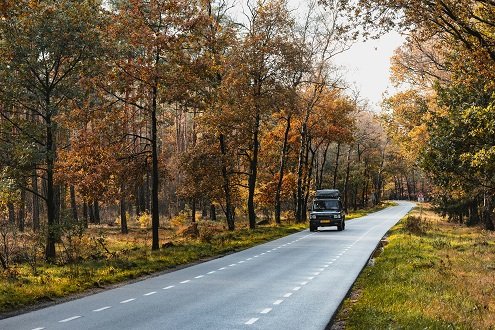
Off-season travel refers to the periods when a destination experiences lower tourist traffic, allowing travelers to enjoy a more relaxed experience. This concept is typically characterized by fewer visitors, lower prices, and more availability of accommodations and activities. The specific timing of off-seasons can vary considerably based on geographic location and cultural factors. For instance, beach destinations may see off-seasons in the winter months, while ski resorts often experience a slow period during late spring and early fall.
Understanding the distinction between peak and off-peak travel times is critical for travelers looking to maximize their experiences. Peak seasons are marked by crowded attractions, inflated prices, and a bustling atmosphere. In contrast, visiting during off-peak times often leads to more personalized service, shorter lines at attractions, and a greater opportunity for spontaneous exploration. For example, popular destinations like Paris or Rome can become overwhelmingly crowded in the summer months, whereas visiting these cities in late fall or early spring can reveal a calmer, more intimate experience.
Cost Savings: Travel on a Budget
One of the most enticing advantages of traveling during the off-season is the potential for substantial cost savings. During off-peak travel times, airlines, hotels, and local attractions often offer significantly reduced rates to attract visitors. For instance, flights to popular destinations may drop by as much as 30% to 50% compared to peak travel times. These reductions enable budget-conscious travelers to enjoy a wider selection of destinations without breaking the bank.
Accommodations are another area where substantial savings can be realized. Many hotels and vacation rentals experience lower occupancy rates during the off-season, prompting them to lower their prices to entice travelers. Discounts, promotional offers, and loyalty programs become more accessible, allowing travelers to secure comfortable lodging at a fraction of the standard price. For example, a beachfront hotel may offer room rates that are 40% lower in the shoulder seasons than during holiday periods. This allows visitors to enjoy premium amenities without the premium expense.
Furthermore, popular tourist attractions may also reduce entry fees during off-peak periods. This not only helps travelers save money but also enables them to visit popular sites without the long wait times and crowds associated with busy seasons. The financial benefits of off-season travel can extend beyond flights and lodging, as restaurants and local businesses might also have enticing deals to attract customers, fostering a more enjoyable experience.
In summary, the financial advantages of traveling during the off-season are evident. With lower costs on flights, accommodations, and attractions, travelers can maximize their budgets and explore their desired destinations without the typical financial strain. The off-season not only offers savings, but it also presents an opportunity for a more relaxed travel experience.
Less Crowds: Enjoying Peace and Quiet
Traveling during the off-season offers a unique opportunity to experience destinations in a more peaceful and intimate setting. With fewer tourists around, travelers can enjoy lesser-known attractions without the usual crowds. This not only enhances the overall travel experience but also allows for a deeper connection with the locations visited.
One of the primary benefits of off-season travel is the significant reduction in wait times at popular attractions. Instead of standing in long lines, visitors can access museums, historical sites, and natural wonders with greater ease. This efficiency not only saves time but also reduces the frustration often associated with crowded environments. Imagine strolling through world-famous art galleries or heritage sites at your own pace, savoring each moment without the rush.
Moreover, a quieter atmosphere fosters a more relaxed vibe, enabling travelers to truly absorb their surroundings. The serene ambiance is particularly beneficial for those seeking mindfulness or simply needing a break from the hustle of daily life. Having the chance to enjoy a scenic view or a meal at a local restaurant without the din of a crowd can transform an ordinary moment into a memorable experience.
In addition to enjoying tranquil settings, off-season travelers may also find themselves able to engage more intimately with local cultures. With fewer tourists around, locals may be more willing to share their stories, traditions, and recommendations. This less commercialized interaction can enhance understanding and foster lasting connections, making the travel experience richer and more meaningful.
Weather Considerations: The Silver Linings
When considering traveling during the off-season, a crucial aspect to examine is the weather patterns typical of this period. Many travelers are drawn to the idea of visiting destinations when they can avoid the crowds and enjoy a more relaxed atmosphere. Surprisingly, certain locations may offer unexpectedly pleasant weather during their off-peak times, which can significantly enhance the travel experience.
Contrary to popular belief, off-season travel does not equate to unfavorable conditions. In fact, several regions may benefit from milder temperatures or reduced humidity when tourism slows down. For instance, coastal areas often experience a refreshing breeze during the shoulder months, making beach visits enjoyable without the oppressive heat of peak summer. Similarly, mountain destinations may exhibit crisp and clear days during the fall or early spring, ideal for hiking or outdoor exploration.
Moreover, off-season travel often coincides with the transitional periods in many regions, which can lead to unique weather phenomena. For example, late autumn might reveal breathtaking foliage in areas such as New England, providing scenic vistas that allure photographers and nature lovers alike. Likewise, tropical destinations may showcase their most vibrant landscapes right before the advent of the rainy season, offering a perfect window for exploration.
In summary, when evaluating the weather implications of off-season travel, it becomes evident that this period can indeed be a golden opportunity. The moderate weather conditions can enhance outdoor activities, allowing travelers to embrace the outdoors in a more comfortable and enjoyable way. Thus, one should not overlook the potential advantages of planning trips during the off-season, where favorable weather can be a significant contributing factor to an enriching travel experience.
Unique Experiences: Local Events and Festivals
Traveling during the off-season presents travelers with distinctive opportunities to engage with local culture through various events and festivals. Unlike peak seasons, when popular attractions are often overly crowded, visiting a destination during its less busy months allows for more intimate experiences that foster a deeper connection with the local community.
Many regions host seasonal festivals that showcase traditional practices, culinary arts, music, and dance. These events can differ dramatically from those held in peak periods, offering visitors a unique glimpse into the heart of local customs. For instance, a quaint town might celebrate its harvest festival with an inviting atmosphere characterized by local food vendors, folk music performances, and artisan markets. Such events not only attract fewer tourists but also feature residents who are eager to share their heritage and stories.
Furthermore, attending local festivals during the off-season provides opportunities for spontaneous cultural interactions. Travelers can meet artisans, participate in hands-on workshops, or engage in discussions with locals passionate about their crafts. These authentic experiences enrich the traveler’s journey, creating memories that go beyond typical sightseeing. Additionally, some destinations might even offer discounted rates or special promotions for off-season visitors, making participation in these cultural events more accessible.
In essence, off-season travel allows for authentic engagement with local traditions and values. Rather than merely observing cultural practices, travelers can immerse themselves and gain a more profound appreciation for the community’s way of life. Through participation in these unique events, one can garner enriching experiences that are often overlooked in the hustle and bustle of peak tourist seasons.
Better Accommodations: Upgrades and Availability
Traveling during the off-season presents unique advantages, particularly in terms of accommodation choices. With decreased demand, travelers often find themselves with access to a wider range of lodging options. Hotels and resorts, typically bustling with guests during peak periods, tend to offer significant incentives to attract visitors in the quieter months. This competitive environment allows travelers the opportunity to explore more luxurious accommodations at competitive rates.
In the off-season, travelers can often secure complimentary upgrades or heavily discounted rates on higher-tier rooms that would otherwise be unavailable during the busy travel months. For instance, a standard double room may be within reach of budget-conscious travelers, allowing them to experience enhanced amenities including ocean views, larger spaces, or additional services such as breakfast included in their stay. As a result, guests can enjoy an elevated experience that might not be financially feasible during peak times.
Additionally, the flexibility in booking can further bolster accommodation options in the off-season. With fewer tourists vying for the same rooms, travelers may find last-minute deals or specific rooms previously off the market suddenly available. This availability can enable an improved travel experience, fostering the opportunity for relaxation and exploration without the overcrowded constraints typically found in popular tourist destinations.
Moreover, travel agents and booking sites often highlight off-season promotions, providing significant savings and upgrades. For those willing to embrace the beauty of traveling during less trafficked times, the result can be an enriching experience complete with unique accommodations that resonate with personal expectations and comfort.
Eco-Friendly Travel: A Sustainable Choice
Traveling during the off-season offers numerous environmental benefits that contribute to sustainable tourism. One of the primary advantages is the significant reduction in carbon footprints associated with transportation. During peak travel times, airlines, buses, and trains are often overloaded, resulting in higher emissions per passenger. In contrast, off-peak travel typically features less crowded transportation options, allowing for a more efficient and environmentally friendly journey.
Furthermore, visiting destinations when they are less crowded helps alleviate the strain on local ecosystems and communities. High volumes of tourists can lead to environmental degradation, pollution, and depletion of resources. By choosing to travel during the off-season, visitors can enjoy a more serene experience while minimizing their impact on the natural environment. This not only contributes to the preservation of local wildlife and habitats but also supports the long-term sustainability of the area’s ecosystem.
Additionally, off-season travel often promotes support for local economies in a more meaningful way. With fewer tourists present, local businesses are more likely to rely on the patronage of the visitors who choose to travel during these quieter times. This can lead to more personalized service and a vibrant community atmosphere, allowing travelers to engage in authentic cultural experiences. As a result, tourists help sustain local economies while contributing positively to the host communities.
Ultimately, making the decision to travel during the off-season is not just a personal preference but an eco-friendly choice that aligns with the principles of sustainable tourism. By doing so, travelers can enjoy unique experiences while fostering environmental responsibility and supporting local communities. Choosing off-peak periods for travel encourages a healthy relationship with nature and the destinations visited.
Flexibility and Spontaneity: Travel Without Stress
One of the most significant advantages of off-season travel is the unparalleled flexibility it offers to travelers. Unlike peak travel periods, where high demand leads to the necessity of booking accommodations and activities well in advance, off-season travel allows for a more relaxed and spontaneous approach to itinerary planning. This increased flexibility empowers travelers to alter their plans on a whim, whether to take advantage of unexpected weather changes, local events, or simply the desire to explore a new area.
The absence of crowded tourist attractions and packed schedules during the off-season significantly enhances the overall travel experience. Tourists can enjoy a leisurely pace, wandering through unfamiliar streets or discovering hidden gems without the pressure of sticking to a rigid timetable. The spontaneity that off-season travel affords can often lead to unexpected adventures, enriching the travel narrative with unique experiences that might not arise in more structured scenarios.
Moreover, off-season travel frequently coincides with an abundance of last-minute offers. Hotels and airlines often lower fares to boost occupancy rates during quieter months, resulting in significant savings for travelers willing to make quick decisions. This not only alleviates financial strain but also enables an adventurous spirit, as one can seize opportunities without being bound by pre-planned commitments.
In summary, off-season travel invites individuals to embrace flexibility and spontaneity. With the capacity to switch up plans effortlessly and the potential for discovering great deals, travelers are inclined to venture beyond the conventional, leading to memorable experiences that might otherwise remain undiscovered in the hustle and bustle of peak season. Leveraging this flexibility equips travelers with the chance to explore destinations with minimal stress, allowing for an enriching journey that prioritizes personal preferences and spontaneous discoveries.
Conclusion: Embrace Off-Season Travel
Traveling during the off-season presents numerous advantages that cannot be overlooked. As highlighted throughout this article, one of the foremost benefits is the significantly reduced costs associated with accommodation and transportation. By choosing to travel when demand is lower, visitors can take advantage of discounted rates, allowing for a more budget-friendly experience. This economic benefit enables travelers to allocate funds towards activities or experiences that might otherwise be considered out of budget.
Moreover, traveling during off-peak times often results in a more authentic and intimate experience. With fewer tourists around, one can appreciate cultural landmarks and natural wonders without the overwhelming crowds. This creates an opportunity for deeper engagement with the local culture, including the chance to connect with residents and discover hidden gems that are often overshadowed during the busy season.
Additionally, off-season travel allows for a more relaxed pace, enabling individuals to fully immerse themselves in their surroundings. The serene atmosphere fosters a sense of tranquility, making it an ideal time for those seeking solace or a respite from their hectic schedules. With this in mind, it’s essential to consider how traveling during the off-season can significantly enhance one’s experience while minimizing stress and financial burden.
In closing, we encourage you to embrace the concept of off-season travel. Not only does it offer financial savings, but it also opens doors to unique experiences and a less hurried lifestyle. We invite you to share your own off-season travel experiences or any tips you might have to help fellow travelers make the most of their journeys. Together, let’s promote the joys of exploring the world when it is at its most peaceful and inviting.