

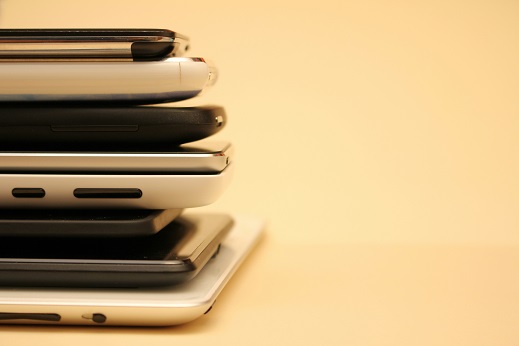
The Birth of Smartphones: A Glimpse into Early Mobile Technology
The evolution of history of smartphones finds its roots in the early iterations of mobile devices, which commenced with a focus on portability and basic communication functions. One of the pioneering devices, the IBM Simon Personal Communicator, was released in 1994 and is widely regarded as the first smartphone. This innovative device integrated features such as a touchscreen interface, email capability, and a variety of applications, differentiating it from traditional cellphones of the era. Its design and functionality laid the groundwork for the future of mobile technology. Following the Simon, Nokia emerged as a prominent player in the mobile market with its early models, notably the Nokia 9000 Communicator, introduced in 1996. This device further bridged the gap between mobile phones and personal digital assistants (PDAs), offering functionalities like faxing, email, and web browsing. The Nokia 9000 featured a hinged design which allowed for a large keyboard, making it easier for users to type messages and emails, a significant advancement over its predecessors.
Throughout the late 1990s, other manufacturers began to take notice of the potential for integrating advanced features into mobile devices. The arrival of more sophisticated operating systems such as Palm OS and Windows CE allowed for a diverse array of applications to be created, enhancing user experience. These early smartphones began to shift the perception of mobile technology from a mere communication tool to a versatile device capable of performing multiple tasks.
The integration of features previously found only in computers, such as calendar management, note-taking, and advanced connectivity options, marked a significant evolution in mobile technology. This transformative phase paved the way for the smartphones we utilize today, with advancements continuing to build upon these initial concepts.
The Impact of the Internet: How Connectivity Changed Smartphones
As the digital landscape evolved, the advent of the Internet markedly transformed the functionality and utility of smartphones. Prior to widespread Internet access, mobile phones primarily served communication purposes, where texting and calling were the dominant features. With the rise of mobile web browsing, however, smartphones began shifting towards multifunctional devices that facilitated various online tasks. The introduction of 3G technology was pivotal in this transition, as it enabled significantly faster data transfer rates, making it feasible for users to engage with rich web content, stream media, and communicate in real-time via applications.
The proliferation of apps further revolutionized smartphones, with early applications focusing on basic functionalities like email and calendars. As broadband technology advanced, so did smartphone capabilities, leading to the development of countless applications that catered to diverse user needs—from social networking to mobile banking. Consequently, the smartphone began to replace several devices, consolidating telephony, photography, GPS navigation, and entertainment into a single handheld unit. This versatility fostered a culture of connectivity, where users could access information anywhere and anytime, firmly embedding smartphones into daily life.
Moreover, the Internet’s role in this evolution cannot be overstated. It facilitated the rapid adoption of smartphones, as users sought devices that could keep pace with their online activities. Mobile-friendly web pages and the rise of social media platforms created a symbiotic relationship between smartphones and the Internet, further enhancing the demand for devices that incorporated advanced functionalities. Overall, the introduction of Internet connectivity fundamentally reshaped how smartphones were perceived, evolving them from mere communication tools into essential digital companions that empower users to navigate the complexities of modern life.
The iPhone Revolution: Redefining the Smartphone Experience
The launch of the iPhone in 2007 marked a pivotal moment in the evolution of smartphone technology. Prior to its introduction, the mobile phone landscape was characterized by physical keyboards, limited applications, and simplistic design elements. Apple’s iPhone revolutionized the way users interacted with their devices by introducing a capacitive touch interface that offered smooth, intuitive navigation. This departure from the traditional keyboard-centric approach allowed for a more engaging and user-friendly experience.
One of the most significant contributions of the iPhone to the smartphone market was the establishment of a robust app ecosystem. The introduction of the App Store in 2008 enabled third-party developers to create and distribute applications, fundamentally transforming the smartphone from a communication device into a multifunctional gadget capable of performing a myriad of tasks. This concept of an open application marketplace not only enriched user experience but also spurred competition among smartphone manufacturers seeking to replicate Apple’s success.
Furthermore, Apple’s emphasis on design played a critical role in how smartphones are crafted today. The iPhone combined sleek aesthetics with functionality, prioritizing user experience over sheer technology specifications. This focus on minimalist design principles and high-quality materials set new industry standards and prompted competitors to reevaluate their own product designs. Consequently, the iPhone not only influenced the features that became essential in modern smartphones, such as high-resolution cameras and seamless integration of software and hardware, but also instigated a shift towards prioritizing user-centric design across the entire tech industry.
The Rise of Android: A New Era of Competition
The introduction of the Android operating system by Google in 2008 marked a significant turning point in the landscape of smartphones. Before this time, Apple’s iOS dominated the market, offering a polished user experience and a tightly controlled ecosystem. Android, however, emerged as a robust alternative, designed to provide greater flexibility and customization for both manufacturers and consumers.
One of the key features of Android was its open-source nature, which allowed a wide array of handset manufacturers to adopt the platform. As such, companies like Samsung, HTC, and Motorola quickly embraced Android, leading to an impressive proliferation of devices catering to diverse consumer needs. This shift resulted in a competitive marketplace characterized by varying designs, specifications, and pricing strategies, ultimately empowering consumers with more choices than ever before.
The competition spurred by Android’s emergence resulted in rapid innovation within the smartphone industry. Manufacturers raced to differentiate their devices through improved hardware, software enhancements, and unique features, fueling advancements such as higher resolution displays, better camera technologies, and battery efficiency. This relentless drive for innovation not only benefited consumers with enhanced device capabilities but also fostered a culture where continuous improvement and technological progress became the norm.
Moreover, as manufacturers vied for market share, prices for smartphones across the spectrum began to decrease significantly. This affordability allowed an increased segment of the population access to smartphones, further broadening the market and sustaining the growth trajectory of the industry. The rise of Android not only reshaped the competitive dynamics of the smartphone arena but also laid the groundwork for the rapid evolution of mobile technology that continues to this day.
Hardware Innovations: Evolution of Smartphone Specs Over the Years
The evolution of smartphones has been significantly marked by innovations in hardware, which have continuously transformed consumer experiences and expectations. From the early days of simple mobile phones, advancements in processors have led to an exponential increase in computing power. Modern smartphones now incorporate multi-core processors, enabling seamless multitasking and improved performance in applications ranging from gaming to productivity. This change has facilitated the development of sophisticated apps that harness the true potential of these powerful processors.
Alongside processing capabilities, camera technology has seen a radical transformation. Initial smartphones featured basic cameras with few megapixels and limited functionality. In contrast, today’s flagship models boast multiple camera systems, including ultra-wide and telephoto lenses, along with advanced features such as optical image stabilization and night mode photography. This progression reflects not only technological advancements but also a growing consumer demand for high-quality photography, pushing manufacturers to innovate continually.
Battery life, an essential aspect of smartphone usability, has also evolved. Early smartphones struggled with short battery lives due to power-hungry components. Innovations in battery technology, including the introduction of lithium-ion batteries and improved energy efficiency in processors, have significantly prolonged battery life. Users can now expect longer daily use without needing frequent recharging, a crucial factor in their purchasing decisions.
Finally, display technology has undergone substantial enhancements with the advent of OLED and AMOLED screens, delivering vibrant colors and deeper blacks compared to traditional LCDs. The transition from smaller, lower resolution displays to large, high-definition touchscreens has transformed how users interact with their devices. These advancements indicate a clear trend: consumer demand for better, faster, and more capable hardware continues to drive innovation in the smartphone industry.
The App Revolution: Changing How We Use Smartphones
The advent of smartphones marked a significant turning point in the landscape of mobile technology, and at the heart of this transformation lies the explosive growth of mobile applications. With the introduction of dedicated app stores, such as Apple’s App Store and Google Play, users gained access to a vast array of applications tailored for a multitude of functionalities. This surge in availability facilitated a major shift in how individuals interact with their devices and, by extension, the world around them.
Initially, mobile applications served a limited range of purposes, primarily focusing on utilities and basic entertainment. However, the industry quickly evolved as developers recognized the potential of smartphones as powerful platforms for more complex tasks. Social media applications emerged as frontrunners in this revolution, reshaping communication and connectivity. Platforms like Facebook, Twitter, and Instagram have integrated seamlessly into daily routines, enabling users to share experiences, connect with others, and consume information instantly. The role of these apps extends beyond mere social interaction; they have created digital communities that influence societal trends, behaviors, and even political movements.
Moreover, the impact of applications on daily life cannot be overstated. From mobile banking apps that provide convenience and security in financial transactions to health and fitness applications that track personal wellness, smartphones have become indispensable tools for managing various aspects of life. The productivity sector has also been greatly enhanced, with apps designed for task management, project collaboration, and scheduling, empowering users to maximize their efficiency. This fusion of functionality and accessibility has resulted in a continuously growing dependence on smartphones, as they serve not only as communication devices but as central hubs for numerous activities essential to modern existence.
Security and Privacy in the Smartphone Era
The evolution of smartphones has significantly transformed the way users communicate, work, and access information. However, with these advancements comes an increased concern regarding security and privacy. As smartphones have become ingrained in daily life, the need to protect user data has grown critical. Data breaches and security vulnerabilities pose constant threats to millions of smartphone users worldwide.
In recent years, the sophistication of cyber-attacks has escalated. Hackers utilize more advanced techniques to exploit smartphone vulnerabilities, often targeting personal information. Notable data breaches have highlighted the importance of robust security measures within smartphone systems. This surge in cyber threats has forced manufacturers to prioritize security in their developments.
In response to these evolving risks, many smartphone manufacturers have integrated advanced security measures aimed at safeguarding user data. Biometric security features have become increasingly popular, with fingerprint sensors and facial recognition systems gaining widespread adoption. These technologies offer enhanced protection by ensuring that only authorized users can access the device and its sensitive information. Biometric security not only strengthens user authentication but also provides a more convenient experience compared to traditional passwords.
Moreover, manufacturers have implemented regular software updates to address security vulnerabilities proactively. These updates often include patching known security flaws that could potentially be exploited by cybercriminals. Privacy settings and permissions have also been refined, empowering users to take control of their personal information and decide which apps can access sensitive data.
Despite these advancements, concerns over privacy remain a contentious issue. Users are increasingly aware of how their data is collected and used by apps and services. The balance between providing a seamless user experience and ensuring adequate protection of personal information continues to be a significant challenge in the smartphone era.
Future Trends: What Lies Ahead for Smartphone Technology
As we look towards the future of smartphone technology, it is essential to consider several emerging trends that are likely to shape the next generation of devices. One of the most notable advancements is the adoption of foldable screens. These innovative displays enable smartphones to offer larger screens without significantly increasing their physical size, allowing for enhanced multitasking and immersive experiences.
Another pivotal advancement is the rise of 5G connectivity. The implementation of this high-speed network will not only enhance download and streaming speeds but also improve overall device performance. This increased capability will facilitate new applications, such as remote work tools and augmented reality experiences, fundamentally changing how users interact with their smartphones.
Artificial Intelligence (AI) integration is also expected to play a crucial role in future smartphone developments. With machine learning techniques becoming more sophisticated, smartphones will likely become more intuitive, offering personalized user experiences that adapt to individual preferences and behaviors. This could include advanced voice recognition, enhanced photography features, and real-time translations, significantly improving user interaction.
Furthermore, the potential rise of smart glasses and augmented reality devices cannot be overlooked. As technology continues to evolve, it is anticipated that smartphones will synergize with these devices, creating a more seamless and integrated experience. This interconnectedness may lead to new uses in gaming, education, and even practical everyday activities, changing how content is consumed and interactions are formed.
Consumer behavior and preferences will undoubtedly influence the trajectory of smartphone technology. As users become more tech-savvy, they will demand devices that are not only powerful but also environmentally sustainable and user-friendly. Meeting these expectations will be paramount for manufacturers as they innovate and design future smartphones.
Conclusion: Reflecting on the Journey of Smartphones
The evolution of smartphones has been nothing short of remarkable, transitioning from simple communication devices to essential multifunctional tools that have drastically altered the way we interact with the world around us. Initially designed primarily for voice communication, smartphones have integrated advanced technologies that now offer a myriad of applications, enhancing productivity, entertainment, and social connectivity.
This transformation is indicative of broader societal changes. Smartphones have influenced the way we consume information and engage with multimedia content, leading to the emergence of a digitally connected society. The ubiquitous nature of smartphones has made them integral in daily life, affecting everything from shopping habits to interpersonal communication. Furthermore, the smartphone’s role in social media and instant connectivity has reshaped cultural dynamics, enabling a global discourse that was previously unimaginable.
Looking towards the future, it is vital to consider the trajectory of smartphone technology and its implications. With advancements such as artificial intelligence integration, augmented reality, and enhanced connectivity options, smartphones could further blur the lines between the physical and digital realms. This raises questions about privacy, technology dependence, and the digital divide, issues that warrant careful consideration as society continues to embrace these sophisticated devices.
In conclusion, the journey of smartphones underscores their significant impact on our lives. As these devices evolve, so do our habits and societal structures. It is crucial for us to remain cognizant of these shifts and think critically about our relationship with technology, as it will undoubtedly shape our future interactions and experiences.