
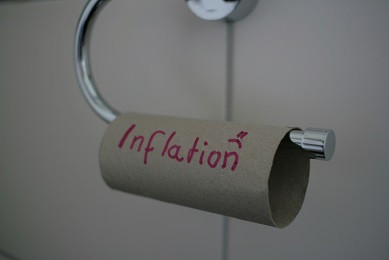
Inflation is defined as the rate at which the general level of prices for goods and services rises, leading to a decrease in purchasing power. Essentially, as impact of inflation occurs, each unit of currency buys fewer goods and services than it did previously. For example, if inflation rates are high, consumers will find that their dollar does not stretch as far as it once did, ultimately affecting their overall spending habits.
There are several types of inflation, primarily categorized into demand-pull inflation and cost-push inflation. Demand-pull inflation occurs when the demand for goods and services exceeds their supply, prompting prices to increase. Conversely, cost-push inflation arises from rising costs of production, such as wages and materials, which are then passed on to consumers through higher prices. Understanding these types is crucial to grasping the broader impacts of inflation on the economy.
The causes of inflation are multifaceted, involving various economic dynamics including consumer demand, production costs, and government policies. For instance, excessive government spending and increasing money supply can exacerbate inflation. Additionally, external factors such as oil price shocks may lead to escalated costs for consumers, further contributing to inflationary pressures.
Inflation is commonly measured using indices, particularly the Consumer Price Index (CPI). The CPI tracks the average change over time in the prices paid by urban consumers for a basket of consumer goods and services. This index serves as a critical indicator of inflation, highlighting how much prices for everyday items such as food, housing, and transportation have changed, and by extension, reflecting the real impact on purchasing power.
The Impact of Inflation on Purchasing Power
Inflation plays a crucial role in shaping the economic landscape, particularly in terms of purchasing power. As inflation rises, the value of money effectively decreases, which means that consumers can buy fewer goods and services with the same amount. This phenomenon can be illustrated through a simple example: if the inflation rate is 3% per year, a product that costs $100 today will cost $103 next year. Thus, a dollar today does not hold the same purchasing power in the future, necessitating larger expenditures for consumers to maintain their standard of living.
The gradual erosion of purchasing power due to inflation manifests in various ways. For instance, consider a family that historically allocated $500 per month for groceries. In an inflationary environment, the same quantity of groceries might require $525 next month due to rising prices. Over time, this increase can significantly affect a household’s budget, forcing families to adjust their spending habits, reduce consumption, or even forego certain necessities.
Moreover, inflation disproportionately impacts lower-income households, as these families typically spend a higher percentage of their income on essentials such as food and energy. When prices for these basic goods escalate, the financial strain becomes acute, compelling consumers to make difficult choices about their priorities. As inflation persists, psychological factors come into play, leading consumers to feel a pervasive sense of economic uncertainty and anxiety about their purchasing ability.
In essence, the impact of inflation on purchasing power cannot be underestimated. As prices rise, consumers find their budgets stretched thinner, affecting not just their purchasing decisions but also their overall economic well-being. Understanding this dynamic is vital for both individuals and policymakers, as it underscores the importance of stability in prices to foster consumer confidence and economic health.
Inflation and Cost of Living
Inflation, defined as the general increase in prices of goods and services over time, plays a significant role in shaping the cost of living. As inflation rises, the purchasing power of households diminishes, leading to a direct impact on daily expenses. Essential items such as food, gas, and housing costs are particularly susceptible to inflationary pressures, which can result in substantial changes to family budgets.
For many households, the cost of living increases due to inflation mean that a larger portion of their income is consumed by necessities. For example, food prices have steadily risen in recent years; this increase can strain household finances, as families must allocate more funds for grocery bills. Rising food costs can compel individuals to adjust their shopping habits, opting for lower-cost alternatives or even changing their diets to maintain affordability.
Similarly, the costs associated with fuel and transportation are heavily influenced by inflation. Families are often faced with higher gas prices, which can lead to increased transportation expenses. To cope with these changes, people may seek alternative modes of transportation, such as carpooling, public transit, or even biking. These adjustments reflect a broader trend in society to find ways to manage increased costs while minimizing financial strain.
Housing costs also play a crucial role in the cost of living equation. Inflation can lead to higher rents and home prices, making it more challenging for families to secure affordable housing. As a response, many individuals may choose to downsize or move to less expensive locations. The ongoing fluctuations in housing prices often force families to re-evaluate their housing needs and preferences.
In essence, inflation significantly impacts the cost of living by affecting household budgets across various essential areas. The need to adapt to rising prices can lead individuals and families to modify their lifestyles, ultimately shaping spending patterns and overall economic behavior.
Consumer Behavior during Inflation
Inflation is a critical economic phenomenon that influences the purchasing decisions of consumers significantly. When inflation rises, the cost of goods and services increases, prompting individuals to alter their spending habits in various ways. One of the most notable shifts is the tendency to seek cheaper alternatives. As prices escalate, consumers often find themselves comparing options more rigorously and favoring low-cost products over premium brands. This shift is not merely about finding bargains; it reflects a broader strategy to maintain purchasing power amidst rising costs.
Moreover, the uncertainty associated with inflation can lead to a change in consumer confidence. Individuals may perceive their financial stability as threatened, which often results in delaying non-essential purchases. For instance, consumers may postpone buying new appliances or electronics, choosing instead to repair existing items or wait for potential price drops. This behavioral change demonstrates a cautious mindset aimed at conserving financial resources during periods of economic volatility.
In addition to adjusting their purchasing choices, many consumers heighten their focus on saving rather than spending. Where once discretionary expenses might have been commonplace, inflation forces individuals to prioritize their financial health. Savings accounts may experience increased contributions as people become more aware of the need for financial buffers in uncertain times. The emphasis on saving over spending alters the overall landscape of consumer behavior, impacting businesses that rely on consistent consumer spending to drive profits.
In conclusion, the effects of inflation on consumer behavior are multifaceted. As inflationary pressures emerge, consumers adapt by seeking value, delaying purchases, and prioritizing savings, all of which contribute to a more cautious economic environment. Understanding these changes can offer valuable insights into consumer trends and business strategies during challenging economic periods.
Inflation’s Effects on Different Income Groups
Inflation has widespread implications that touch every stratum of society, but its impacts vary significantly among different income groups. For lower-income families, inflation tends to take a more pronounced toll due to their limited financial flexibility. As the prices of essential goods and services rise, these households are typically forced to allocate a more significant portion of their monthly budgets to necessities such as food, housing, and transportation. For instance, a spike in food prices can lead to reduced purchasing power, making it increasingly difficult for these families to afford a basic, nutritious diet.
In contrast, higher-income individuals often experience a more muted effect from inflation. Wealthier households possess a greater capacity to buffer the immediate impacts of rising prices, as they can allocate a smaller share of their income to essentials. For these families, inflation may result in less painful adjustments—like opting for luxury items or travel experiences over basic sustenance. They may even benefit from inflation if their investments appreciate accordingly, offering a dual advantage that provides financial resilience in challenging economic conditions.
The disparity in inflation effects can lead to a widening gap between socio-economic groups. Lower-income families may experience a decline in overall quality of life, as inflation erodes their purchasing power and forces them to make difficult choices, such as forgoing healthcare or education expenses. These stark differences highlight the need for policy responses targeted at lessening the burden of inflation on vulnerable populations. Programs can be instituted to facilitate access to affordable goods and protective measures against rising costs, ensuring that lower-income households receive the assistance necessary to navigate the complexities of an inflationary environment.
Long-term Consequences of Sustained Inflation
Sustained inflation has far-reaching implications for both the economy and personal finance. One of the primary long-term consequences is the potential for economic instability. As prices continuously rise, purchasing power diminishes, which can lead consumers to reevaluate their spending habits. Individuals may find that their wages are not keeping pace with inflation, resulting in wage stagnation. This financial strain often compels consumers to prioritize essential expenditures, thereby reducing discretionary spending.
Furthermore, sustained inflation can detour investment behavior. Investors typically seek to protect their assets from the erosion of value caused by inflation. As inflation persists, there may be a shift towards assets known to hedge against such risks, like real estate or commodities. This shift can create volatility in traditional markets, as more investors seek safety rather than growth, potentially impacting long-term economic growth.
In terms of personal finance strategies, households may adopt more conservative financial planning approaches in an inflationary context. This could involve reallocating resources towards savings and investments that offer better returns compared to cash holdings, which become increasingly less valuable over time. Other strategies might include prioritizing debt repayment to reduce exposure to variable interest rates that can rise with inflation.
As consumers become increasingly aware of inflation’s implications, they may also seek financial education and advisory services to develop more resilient financial strategies. Understanding the nature of inflation, its effects on everyday spending, and how to respond effectively is essential for maintaining financial health amid rising prices.
Strategies for Consumers to Cope with Inflation
As inflation continues to impact consumers on a daily basis, it is essential to adopt effective strategies to manage personal finances. Implementing proper budgeting techniques is one of the first steps that can help individuals cope with rising costs. By evaluating monthly income and setting clear spending limits, consumers can better track their expenditures and avoid unnecessary debt. This practice not only allows for a more structured financial approach but also helps identify discretionary expenses that can be reduced or eliminated.
Another crucial strategy involves prioritizing essential expenses over luxurious or non-essential purchases. Consumers should categorize their spending into needs and wants, ensuring that resources are allocated primarily to necessities such as housing, groceries, and utilities. This method not only safeguards against financial strain during times of inflation but also fosters a more mindful consumer behavior that can lead to savings over time.
Furthermore, savvy consumers should consider investing as a means to preserve the value of their money. Allocating a portion of savings to investment vehicles such as stocks, bonds, or real estate can build a financial cushion against inflation. Diversifying investments helps mitigate risks and can potentially yield returns that outpace inflation rates. It is advisable for consumers to research their investment options thoroughly or consult with a financial advisor to tailor strategies suitable for their risk tolerance and financial goals.
Lastly, staying informed about economic trends and understanding inflation’s impact on purchasing power can empower consumers to make better financial decisions. Regularly reviewing and adjusting budgets, prioritizing essential expenditures, and exploring investment opportunities are proactive steps to manage the economic challenges posed by inflation.
Case Studies: Historical Examples of Inflation
Examining historical instances of inflation reveals how various economies have responded to rising prices, providing critical insights for modern consumers. One of the most notable examples of hyperinflation occurred in Germany during the Weimar Republic in the early 1920s. As the government printed excessive amounts of money to pay for reparations stemming from World War I, consumers experienced the devastating effects of inflation. Prices soared to astronomical levels, and a loaf of bread, which cost roughly 250 marks in early 1923, skyrocketed to approximately 200 billion marks by November of that year. This episode prompted citizens to spend their earnings almost immediately, as the value of money eroded rapidly, severely impacting everyday spending habits.
Another historical case is Zimbabwe, where hyperinflation reached unprecedented levels in the late 2000s, with inflation rates exceeding 89.7 sextillion percent in November 2008. The rapid loss of currency value led to extreme price increases, causing shortages of basic goods. Citizens found themselves relying on foreign currencies for transactions, fundamentally altering their spending practices. The government’s failure to stabilize the economy forced consumers to adapt to a continually fluctuating market, underscoring the psychological effects of hyperinflation on public behavior and spending.
While hyperinflation represents the extreme case, moderate inflation has also marked economies such as the United States during the 1970s. Rising oil prices and supply shocks resulted in stagflation, where inflation accompanied stagnant economic growth. Consumers faced higher prices for goods, leading to decreased spending in non-essential areas. This era highlight the balancing act between maintaining economic growth and controlling inflation, teaching consumers the importance of adaptability in their daily financial decisions. Overall, these examples illustrate the dynamic relationship between inflation and consumer behavior, serving as vital lessons for present-day societies grappling with their own inflationary pressures.
Conclusion: Navigating Finances in an Inflationary Economy
As we have explored throughout this blog post, inflation significantly impacts everyday spending and financial decision-making. It leads to higher prices on a range of goods and services, thereby altering consumer behavior and purchasing power. Understanding these changes is critical for consumers who aim to manage their finances effectively in an inflationary economy.
One essential strategy for navigating inflation is to prioritize budgeting. By closely monitoring discretionary spending, individuals can identify areas where expenses can be trimmed. This practice allows consumers to allocate more resources toward their necessary expenditures, protecting them from the adverse effects of rising prices on essentials.
Moreover, being adaptable in financial advice is crucial. Individuals should consider diversifying their investments during inflationary periods. Exploring assets such as real estate or commodities, which traditionally hedge against inflation, can offer a more stable financial footing. Additionally, having a solid understanding of market trends enables consumers to make informed choices about their investments, thus serving as a proactive measure against diminishing purchasing power.
Furthermore, it is advisable for consumers to stay educated about economic indicators, such as the Consumer Price Index (CPI), which quantifies inflation rates. This knowledge equips individuals to make educated decisions on spending, saving, or investing based on current economic landscapes.
In conclusion, navigating finances in an inflationary economy demands a proactive, adaptable approach from consumers. By implementing sound budgeting practices, diversifying investments, and staying informed about economic changes, one can enhance financial resilience amidst the uncertainties posed by inflation. By embracing these strategies, individuals can better prepare for shifts in spending habits caused by rising prices, ensuring a more stable financial future.