

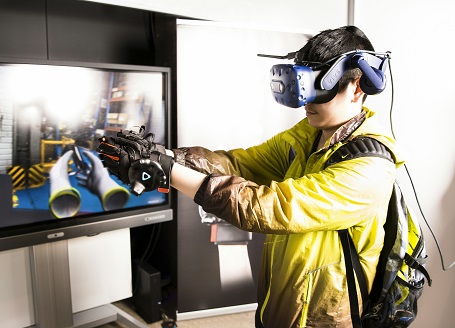
Introduction to Virtual Reality in Business
Virtual reality (VR) is an immersive technology that creates a simulated environment, which can either resemble or differ from the real world. It utilizes computer-generated graphics, audio, and sometimes haptic feedback to enable users to engage in virtual experiences as if they were actually present in that environment. The basic principles of VR involve the use of headsets or multi-projection systems to transport users into another place, allowing them to interact with 3D objects and scenarios in real-time. The evolution of virtual reality has been remarkable, dating back to the late 1960s when early prototypes began to emerge. Initial advancements were primarily in niche academic and military applications. However, the technology has progressively found its way into mainstream use, particularly with recent developments in hardware, software, and access to high-speed internet. Devices such as Oculus Rift, HTC Vive, and PlayStation VR have popularized the technology beyond traditional gaming, fostering an environment ripe for business innovation.
As VR technology continues to mature, its relevance in the business landscape has become increasingly significant. Companies are exploring virtual reality for various applications, from training programs to product design and customer engagement. For instance, industries such as real estate are utilizing VR for virtual property tours, while educational institutions are implementing VR simulations for immersive learning experiences. In retail, brands are employing virtual environments to enhance customer interaction and streamline the shopping process.
Understanding the principles of virtual reality and its trajectory is crucial for recognizing its potential impact on various sectors. As businesses seek to stay competitive and adapt to changing marketplace demands, the integration of VR is poised to transform operational methodologies significantly, leading to improved efficiency and novel customer experiences.
Advantages of Virtual Reality for Businesses
Virtual Reality (VR) technology presents a myriad of advantages for businesses across various sectors. Its immersive experience provides organizations with enhanced training and development opportunities, leading to more effective workforce preparation. For instance, companies in the manufacturing sector utilize VR simulations to train employees on complex machinery without the risk of injury or costly downtime. This method offers a safe and adaptable training environment where employees can repeatedly practice operations until they gain proficiency.
Furthermore, VR enables improved customer engagement, transforming the way businesses interact with their clients. By allowing customers to experience products in a simulated environment, businesses can facilitate a deeper connection and understanding. For example, real estate firms increasingly adopt VR to offer virtual tours of properties. Potential buyers can explore homes from the comfort of their own location, making informed decisions without the need for physical visits. This innovative approach not only enhances user experience but also increases the likelihood of sales conversions.
In addition to training and customer engagement, VR excels in data visualization, assisting businesses in interpreting complex data sets. Utilizing VR, organizations can create interactive data representations that allow for better insights and decision-making. A well-known automotive company has implemented VR technology in their design process, allowing engineers to visualize and manipulate vehicle designs in a 3D space, leading to improved innovation and faster project completion times.
Overall, the advantages of integrating virtual reality into business operations are evident. Companies embracing this technology can enhance training, foster customer relationships, and improve data comprehension. As VR continues to evolve, its applications and benefits are expected to expand, making it a critical tool in the modern business landscape.
Virtual Reality in Training and Development
Virtual Reality (VR) has emerged as a groundbreaking technology, significantly transforming training and development processes in various organizational settings. By providing immersive simulations that mimic real-world environments, VR empowers employees to develop critical skills and enhance their learning experiences effectively. With the increasing complexity of tasks in many industries, the ability to engage in realistic scenarios through virtual environments is proving invaluable.
One notable application of VR in training is its ability to replicate situations that may be high-risk or difficult to conduct in reality. For instance, in the healthcare sector, medical professionals can practice complex surgical procedures in a risk-free virtual environment. This not only helps enhance their skills but also builds confidence without the fear of causing harm to patients during the learning process.
Additionally, VR training programs facilitate a level of engagement unattainable in traditional training methods. Employees can experience these immersive environments, allowing for greater retention of information and a deeper understanding of their roles. A successful case study is found in the manufacturing industry, where companies have implemented VR simulations for machine operation training. This method has resulted in decreased training time and errors, significantly boosting productivity and safety.
Furthermore, VR enables organizations to conduct training on a global scale without the associated costs and logistical challenges of physical training sessions. Companies can connect employees from different locations in a shared virtual space, enhancing collaboration and learning outcomes. Training in VR is not limited to specific sectors; education, corporate selling, customer service, and soft skills development also benefit significantly from the technology.
As VR continues to evolve, its impact on training and development within businesses is set to grow, advancing both employee capabilities and overall organizational effectiveness.
Enhancing Customer Experience with Virtual Reality
Virtual reality (VR) has become a transformative tool for businesses seeking to enhance customer interactions and experiences. By immersing consumers in virtual environments, companies can create engaging experiences that communicate their brand values and product offerings effectively. This innovative technology revolutionizes traditional customer engagement tactics into a more interactive and memorable encounter.
One of the primary applications of VR in business is the creation of virtual showrooms. Consumers can explore products in a 3D space from their own homes, allowing for a comprehensive understanding of features and benefits. Retail giants, such as IKEA, have employed VR technology to enable customers to visualize how furniture will look in their homes. This not only helps customers in making informed decisions but also minimizes the need for trial and error typically associated with purchasing physical items.
Furthermore, VR offers dynamic product demonstrations, giving customers the opportunity to experience products in action. For example, automotive brands like Ford and BMW leverage VR to provide virtual test drives. This allows potential buyers to explore a vehicle’s features and drive capabilities without stepping foot into a dealership. Such experiences significantly enhance customer engagement, leading to higher conversion rates.
In addition, industries such as real estate benefit from VR by allowing potential buyers to take virtual tours of properties. This approach not only saves time for both buyers and agents but also broadens the reach to clients who may be located in different geographical areas. By enabling a more personal and immediate connection to the property, real estate agencies are redefining traditional sales techniques through immersive experiences.
In the entertainment sector, VR has paved the way for immersive brand experiences. Companies can create virtual events or immersive gameplay that resonates with audiences, leading to heightened brand loyalty. This transformative impact of VR continues to enhance customer experiences across various industries, marking a significant shift in how businesses engage with their clients.
Challenges and Limitations of Implementing VR in Business
As businesses increasingly explore the potential of virtual reality (VR), it is crucial to understand the various challenges and limitations associated with its implementation. One of the predominant obstacles is the high cost of VR technologies. The initial investment for quality hardware, software, and development can be significant, making it difficult for smaller organizations to adopt these innovative solutions. Additionally, the continual advancement of VR technology can lead to ongoing expenses, as businesses may need to update or replace equipment frequently to stay current.
Technical difficulties also represent a considerable challenge. Implementing VR systems often requires extensive technical expertise, which may not be readily available within the existing workforce. Companies may need to invest in training or hire specialized personnel, adding to the overall costs of implementation. Moreover, other technical issues can arise, including difficulties in integrating VR systems with existing IT infrastructure and software applications, which may hinder operations and lead to delays in deployment.
Another limitation is user acceptance. While VR can enhance experiences, it may not resonate universally with all users. Employees and clients alike may require extensive training or adaptation periods to acclimatize to new VR tools and workflows. This resistance can impede a smooth transition to virtual environments, leading to potential underutilization of available technologies.
To overcome these challenges, businesses can adopt a strategic approach. Investing in pilot projects can help organizations gauge the effectiveness of VR solutions before committing to larger deployments. Furthermore, seeking partnerships with experienced VR developers can assist in navigating technical hurdles and provide access to the necessary expertise. By developing comprehensive training programs, businesses can facilitate a smoother integration of VR, ultimately mitigating resistance and enhancing acceptance among users.
The Future of Virtual Reality in Business
The potential of virtual reality (VR) in the business landscape continues to expand, driven by rapid advancements in technology and evolving consumer demands. As companies increasingly incorporate VR into their operations, we can expect significant trends to emerge that will shape the way businesses engage with customers and streamline processes.
One of the most promising trends on the horizon is the integration of artificial intelligence (AI) with VR. This combination is likely to create hyper-personalized experiences for users, enabling businesses to cater to individual preferences more effectively. For instance, companies may employ AI algorithms to analyze user behavior and preferences, subsequently tailoring VR environments that enhance customer satisfaction through immersive shopping experiences or customized training simulations.
Additionally, augmented reality (AR) is poised to work alongside VR, blurring the lines between the two technologies. This hybrid approach can provide businesses with enhanced visualization tools for product designs, allowing teams to collaborate in real time from different locations. Such capabilities could revolutionize industries like real estate, architecture, and healthcare, where immersive visualizations can lead to more informed decision-making and innovative solutions.
The remote work paradigm has also accelerated the adoption of VR for collaboration. Virtual meeting spaces will likely become commonplace, enabling teams to engage in immersive work environments, regardless of geographical boundaries. This could lead to greater productivity and a more cohesive team culture, as employees interact in a shared virtual space rather than relying solely on traditional video conferencing tools.
Furthermore, the gaming industry’s influence on VR technology will continue to spur creativity and innovation across sectors. As businesses witness the success of VR in gaming, we can anticipate a ripple effect that prompts the development of more engaging training programs and marketing strategies that utilize gamification.
In conclusion, the future of virtual reality in business appears promising. As advancements in technology continue to unfold, businesses that embrace these trends will likely gain a competitive edge. By integrating VR into various aspects of their operations, companies can enhance customer experiences, foster innovation, and ultimately drive growth in the evolving marketplace.
Case Studies: Successful Use of VR in Various Industries
Virtual reality (VR) technology has found substantial applications across numerous industries, demonstrating its transformative potential. One prominent example is in the real estate sector, where companies like Matterport have leveraged VR to offer immersive property tours. Potential buyers can explore homes remotely, enhancing their understanding of space and aesthetics without the need for physical visits. This innovative approach not only saves time but also significantly increases customer engagement, which can lead to quicker sales.
Another impactful case is found in the training and development area, specifically within the healthcare industry. Organizations such as Osso VR have developed virtual training platforms that enable medical professionals to practice surgical procedures in a controlled, risk-free environment. This technology allows trainees to learn complex techniques and refine their skills through repetitive practice, ultimately improving patient outcomes and boosting confidence in real surgical scenarios.
The automotive industry also illustrates the significant advantages of VR integration. Ford, for instance, has employed VR technology in its vehicle development processes. By utilizing VR simulations, designers and engineers can visualize and manipulate vehicle designs much earlier in the project lifecycle. This approach reduces prototyping costs and accelerates time-to-market by identifying potential design flaws before production begins.
Furthermore, the retail industry is capitalizing on the engaging nature of VR. Retailers like IKEA have introduced virtual showrooms, allowing customers to visualize furniture placement in their homes. This enhances the shopping experience and has shown to increase customer satisfaction and conversion rates, as shoppers feel more confident in their purchase decisions.
These case studies illustrate the versatility and transformative effects of VR across different sectors. Each example highlights not only the challenges faced but also the innovative solutions implemented, showcasing VR as a vital tool for enhancing business performance and customer satisfaction.
VR and Remote Collaboration: A New Workplace Paradigm
As organizations adapt to the evolving landscape of work, Virtual Reality (VR) emerges as a leading technology that facilitates remote collaboration among teams. The recent global shift towards remote work, influenced largely by the pandemic, necessitated innovative solutions that VR is well-equipped to provide. With the ability to create immersive and interactive virtual environments, VR technology transforms how teams communicate and collaborate, no matter their physical location.
One of the most significant applications of VR in remote collaboration is virtual meetings. Traditional video conferencing platforms have been enhanced through immersive VR environments that simulate a physical meeting space. In these virtual setups, participants can engage more organically, mimicking real-life interactions. This enhanced engagement can lead to increased participation and a stronger sense of presence among team members. Unlike conventional methods, VR can reduce barriers that often arise in remote communication, such as technological distractions or feelings of isolation.
Moreover, VR fosters collaborative workspaces where team members can share ideas and projects in real time, employing 3D models and simulations. This capability not only aids in collective brainstorming but also enhances understanding of complex concepts through visual aids. The tangible aspect of manipulating virtual objects allows teams to collaborate more effectively, leading to a boost in productivity and creativity.
The impact of VR on team dynamics and communication is profound. By leveraging VR tools, organizations can strengthen relationships among team members as they work together in shared virtual spaces. The social interactions facilitated by VR encourage team bonding, enhance trust, and help to build a collaborative culture that transcends geographical boundaries.
Conclusion: Embracing Virtual Reality for Business Growth
As we have explored throughout this blog post, the integration of Virtual Reality (VR) into business strategies has far-reaching implications that can significantly enhance operational efficiency and customer engagement. Through immersive experiences, VR transcends conventional interactions, presenting unique opportunities for businesses to innovate their offerings and strengthen their brand presence.
The advancements in VR technology enable organizations to create tailored environments where consumers can interact with products in an unprecedented manner. This not only facilitates better understanding and connection with the brand but also allows companies to gather valuable data regarding customer preferences and behavior. Thus, businesses that leverage VR can achieve a competitive edge in their industry.
Moreover, as industries continue to evolve, adopting VR as a strategic tool can foster collaboration and enhance training processes. Virtual reality setups can simulate real-world scenarios, providing employees with hands-on experience in a controlled environment. This approach not only improves learning outcomes but also increases confidence among employees when engaging in high-stakes situations.
In conclusion, Virtual Reality should be viewed not merely as an emerging technology but as a transformative catalyst for growth and innovation. Companies that embrace this dynamic tool are likely to reap substantial benefits, driving both customer satisfaction and operational effectiveness. As the digital landscape continues to shift, it becomes imperative for businesses to integrate VR thoughtfully into their strategies, ensuring they remain at the forefront of their respective markets.