

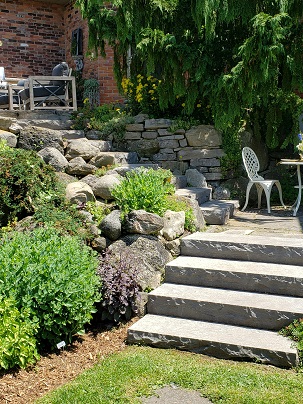
Understanding Curb Appeal: What It Is and Why It Matters
Curb appeal is a term that refers to the aesthetic attractiveness of a property from the street or curb. It encompasses all visual aspects of a home’s exterior, including landscaping, paint, architecture, and overall condition. Curb appeal plays a vital role in the real estate market as it significantly influences both property value and the first impressions potential buyers or guests form when viewing a home. An inviting exterior can enhance marketability, making a home more appealing to prospective buyers.
The importance of curb appeal extends beyond immediate appearances. A well-maintained exterior often reflects the care and attention the homeowner puts into the property, thus fostering a sense of trust and reliability among buyers. Homes that present strong curb appeal are likely to attract higher offers, as buyers are consistently drawn to properties that promise a warm and welcoming atmosphere. Furthermore, properties with good curb appeal tend to sell faster than those lacking in aesthetic value.
Neighborhood aesthetics are also impacted by the curb appeal of individual properties; together, they foster an inviting environment. Homes that complement each other visually can enhance the overall charm of a neighborhood. Conversely, poorly maintained properties can detract from the overall appeal of a community, leading to decreased property values for surrounding homes.
Furthermore, the psychological aspects of curb appeal cannot be underestimated. An attractive home exterior not only makes a good impression on first-time visitors but can also create a positive emotional response in individuals who pass by regularly. When a property is appealing, it elicits feelings of comfort and belonging, making it a cherished asset to both the homeowner and the surrounding community. Thus, understanding and investing in curb appeal is crucial for any homeowner seeking to enhance their property value and contribute positively to neighborhood aesthetics.
Simple Landscaping Enhancements for Immediate Impact
Enhancing the curb appeal of a property can be achieved through a variety of simple landscaping projects that require minimal time and effort. One of the most effective ways to transform the exterior of a home is by adding or refreshing flower beds. Homeowners can select seasonal plants that not only beautify the property but also introduce vibrant colors that catch the eye. By layering flowers of different heights and varying blossom times, one can create an engaging visual display that changes throughout the seasons.
Moreover, the strategic placement of potted plants can elevate the aesthetic appeal of any home. Positioning pots at the entryway or along pathways can create inviting focal points. Selecting plants that thrive in the local climate will ensure they flourish with minimal ongoing maintenance. Options such as ornamental grasses, colorful annuals, or even small shrubs can offer a quick remedy to plain spaces while providing versatility in arrangement.
Another straightforward enhancement is the addition of mulch in existing flower beds. Not only does mulch help retain moisture, but it also creates a polished appearance that distinguishes the landscaping from the surrounding lawn. Furthermore, refreshing the mulch annually can prevent weeds and bolster the health of the plants, contributing to a lusher look year-round.
For those looking to make a statement without extensive labor, installing a decorative pathway can be a worthwhile undertaking. Simple solutions such as stone tiles or gravel can guide visitors to the entrance while embellishing the landscape. With just a few manageable projects, property owners can significantly boost their home’s curb appeal, making it more inviting to guests and potential buyers alike.
The Power of Color: Choosing the Right Plants and Flowers
A well-designed landscape can significantly enhance the curb appeal of any home, and color plays a pivotal role in achieving this. The selection of plants and flowers in landscaping should not be merely aesthetic; strategic choices can create harmony with the home’s exterior color while also evoking specific sentiments. Colors in the garden can convey emotions and set the overall tone of the property.
Understanding the psychological effects of color is vital for effective landscaping. For example, warm shades such as reds, oranges, and yellows can create a lively atmosphere, signifying energy and warmth. In contrast, cooler shades like blues and purples tend to foster tranquility and relaxation. When choosing plants, it is essential to consider how these colors correlate with the surrounding architecture. A muted home exterior, for example, can benefit from vibrant floral displays, which offer striking contrast and draw the eye.
Moreover, plants can provide complementary colors that enhance the home’s palette. Consider using ornamental grasses or shrubs with varying colors to offer depth and texture. For instance, a house with neutral tones can be beautifully accented with purple flowering plants, such as lavender or salvia, which not only add visual interest but also create a serene atmosphere.
In addition to color, consider the seasonal blooming patterns of your selected flower species. Certain perennials and annuals can provide continuous color throughout the year, ensuring your landscape remains vibrant in all seasons. Utilizing plants like pansies in early spring or chrysanthemums in fall can keep your garden looking appealing regardless of the season.
By thoughtfully selecting plants and flowers with regard to color harmony and psychological impact, it’s possible to create a visually appealing landscape that elevates your home’s curb appeal while enhancing your outdoor space’s atmosphere.
Hardscape Features: Elevating Your Landscape Design
In the realm of landscaping, hardscape features play a pivotal role in enhancing both the aesthetic and functional aspects of outdoor spaces. Hardscaping refers to the non-plant elements in landscape design, including patios, walkways, retaining walls, and decks. These features not only provide structure but also lend formality to a landscape, creating a polished look that draws attention to the overall design.
Patios are a popular hardscape feature, ideal for creating outdoor living spaces. By utilizing materials such as stone, brick, or pavers, homeowners can design a durable surface that withstands the elements while complementing the property’s architecture. Incorporating furniture and decorative elements can further enrich the patio area, making it a perfect spot for entertaining guests.
Walkways serve as functional hardscape pathways, guiding visitors through the landscape while ensuring accessibility. A variety of materials, including gravel, concrete, and flagstone, can be used to construct visually appealing paths. When designing walkways, consider their placement to connect various elements of the garden seamlessly, boosting navigation and enhancing the overall symmetry.
Retaining walls are essential in elevating landscapes, especially in sloped areas. Apart from their primary purpose of holding back soil and preventing erosion, these walls add an element of interest and can be crafted from materials such as concrete blocks, wood, or natural stone. Choosing the right material not only ensures the wall’s durability but also enhances the visual appeal of the garden.
When integrating hardscape features, it is crucial to balance them with softscape elements, such as plants and trees. This creates a harmonious environment while maximizing the impact of each feature. By carefully selecting materials, designs, and layouts, homeowners can achieve a timeless landscape that is manageable and visually striking.
Lighting Up Your Landscape: Enhancing Safety and Style
Outdoor lighting plays an essential role in landscape design, serving not only to illuminate paths and features but also to enhance the aesthetic appeal of any property. Properly designed landscape lighting can create a welcoming atmosphere in the evening hours, making your home more inviting while improving safety and security.
There are several types of landscape lighting to consider, each offering unique benefits and visual effects. Path lights are particularly advantageous for illuminating walkways, ensuring that guests can navigate safely after dark. Installing these lights along garden paths or driveways provides both functionality and decorative flair. Additionally, spotlights can be used to highlight specific features of the landscape, such as trees, sculptures, or architectural elements, drawing attention to your home’s best characteristics.
String lights also present an appealing option for creating a warm, inviting ambiance, especially in outdoor living areas. Draping these lights across patios or pergolas can transform a simple space into a cozy gathering spot, perfect for entertaining during the evening hours. When positioning landscape lighting, it is important to strike a balance between aesthetics and functionality, ensuring that lights serve their purpose without creating glare or shadows that detract from the beauty of the landscape.
In addition to enhancing visual appeal and usability, proper outdoor lighting significantly improves safety. Well-lit areas can deter potential intruders and help prevent accidents by illuminating obstacles that might otherwise go unnoticed. To further enhance safety, consider incorporating energy-efficient options such as LED fixtures, which consume less power and have a longer lifespan compared to traditional lighting solutions. These options allow homeowners to maintain both low energy costs and a beautiful landscape.
Incorporating Sustainable Landscaping Practices
Sustainable landscaping practices are essential for enhancing both the aesthetics and ecological health of any property. One of the most effective ways to implement these practices is through the use of native plants. Native flora are adapted to the local climate and require less water and maintenance compared to non-native varieties. By choosing plants that thrive in your region, homeowners can create a vibrant and sustainable landscape that attracts local wildlife while effectively conserving resources.
Another innovative technique is the establishment of rain gardens. These gardens are designed to capture and absorb rainwater runoff from impervious surfaces, such as roofs and driveways, reducing erosion and improving water quality. Rain gardens not only serve as functional elements in the landscape but can also become beautiful focal points filled with colorful, moisture-loving plants.
Xeriscaping, a landscaping method that reduces or eliminates the need for irrigation, is another sustainable option worth considering. This technique involves selecting drought-tolerant plants, utilizing mulch to retain soil moisture, and implementing efficient irrigation systems if needed. By embracing xeriscaping, homeowners contribute positively to water conservation efforts while still enjoying a lush and attractive landscape.
Additionally, organic gardening methods promote soil health and minimize the use of chemical fertilizers and pesticides. Techniques such as composting, crop rotation, and the use of beneficial insects can help maintain plant vitality without harming the environment. Homeowners can cultivate a thriving ecosystem that nourishes both their gardens and the surrounding area.
Incorporating these sustainable landscaping practices not only enhances curb appeal but also aligns with environmental stewardship, resulting in a landscape that satisfies both aesthetic desires and ecological responsibilities. By making informed plant choices and utilizing eco-friendly methods, homeowners can transform their outdoor spaces into sustainable havens while contributing positively to their community’s landscape.
Focal Points: Creating a Stunning Centerpiece
In landscape design, focal points serve as the centerpiece that draws attention and provides a sense of structure to outdoor spaces. These elements can be crafted through various installations, including sculptures, unique plants, or water features, and they play a significant role in enhancing the overall aesthetic appeal of any garden or yard. The placement, scale, and materials used in these focal points are crucial for maximizing their impact.
When selecting a focal point, consider the existing elements of your landscape. For instance, a large sculpture can serve as a striking contrast to a lush green backdrop, whereas a cascading water feature might complement the natural surroundings. Strategic placement is essential; elements should not only be visible from key vantage points but also harmonize with the landscape’s flow. For larger gardens, placing a focal point at the end of a pathway can create a sense of invitation and discovery for visitors.
Furthermore, scale is an important factor. A towering sculpture may overwhelm smaller spaces while a subtle, understated piece could get lost in a larger garden. It is wise to consider the proportions of both the focal point and the surrounding elements. Unique or native plants can also be used creatively as focal points; their seasonal changes can offer ongoing visual interest. Selecting plants with vibrant flowers or striking foliage can breathe life into garden spaces, enhancing the overall aesthetic experience.
Materials play another critical role in the design of focal points. Natural materials, such as stone or wood, can blend seamlessly into the landscape, while metals may add a touch of modern elegance. By thoughtfully considering these components, one can create stunning focal points that not only engage visitors but also elevate the overall curb appeal of the property.
Seasonal Landscaping Ideas to Keep Your Curb Appeal Year-Round
To maintain an attractive landscape throughout the year, homeowners should consider implementing seasonal planting schedules that align with climate and local ecosystem. For spring, consider planting colorful flowers such as tulips or daffodils, which provide vibrant hues as they bloom. Additionally, a mix of perennials and annuals can ensure lasting beauty and interest. Regular maintenance tasks, like weeding and mulching, should also be prioritized during this season to create a healthy growing environment.
As summer approaches, it’s essential to focus on hydration and sun protection. Incorporate drought-resistant plants such as succulents or native species to reduce watering needs and promote sustainability. Summer is an ideal time for adding decorative elements, such as garden statues or vibrant patio furniture, enhancing your curb appeal. Regular mowing and edging of lawns help to maintain a crisp appearance and keep your property looking polished.
When autumn arrives, consider transitioning decor to reflect the changing season. Planting ornamental grasses and a variety of fall flowers, like chrysanthemums or pansies, can infuse the landscape with rich fall colors. Homeowners can also incorporate pumpkins and hay bales for a festive touch. Preparation for winter solutions should begin, including cleaning gutters and applying mulch to protect plants from harsh conditions.
In winter, curb appeal can still shine with strategic evergreen plantings, such as holly or boxwoods, which retain their green presence throughout the season. Decorative lighting can also add warmth and charm, creating an inviting environment even during the colder months. Adding seasonal displays, like wreaths or other holiday decorations, can uplift the overall aesthetic and ensure that your property remains welcoming. Adopting these seasonal landscaping ideas will ensure that your curb appeal remains fresh and inviting year-round.
Budget-Friendly Landscaping Tips for Maximum Value
Enhancing your home’s curb appeal does not have to be an expensive endeavor. With careful planning and creativity, you can undertake budget-friendly landscaping projects that will significantly elevate your property’s aesthetic without straining your finances. One effective approach is to prioritize your landscaping projects based on their potential impact and your budget constraints. Focus on areas that are most visible to passersby, such as the front yard and entryway, to maximize the return on your investment.
Recycling materials is another cost-effective strategy worth considering. Instead of purchasing new items, look for materials that you can repurpose within your landscaping. For example, old bricks can be transformed into gorgeous walkways or raised bed frames, while discarded wooden pallets may serve as unique garden structures. Such creative reuses not only save money but also lend a distinctive charm to your outdoor space.
Furthermore, engaging in do-it-yourself (DIY) landscaping projects is an excellent way to keep costs low. Basic tasks such as planting flowers, trimming hedges, or even painting planters can be accomplished with relative ease. Online tutorials and instructional videos can guide you through these projects, ensuring that even novice gardeners can achieve professional-looking results. By taking a hands-on approach, you can control expenses while crafting a personalized landscape that reflects your style.
Moreover, consider utilizing native plants in your landscaping. These species are generally well-adapted to your local climate and require less maintenance and watering once established, saving you both time and money in the long run. Implementing these sustainable practices not only enhances your home’s curb appeal but also supports your local ecosystem.
Ultimately, by prioritizing your projects, recycling materials, and embracing DIY initiatives, you can achieve beautiful landscaping that boosts your curb appeal—all while staying within your budget.