

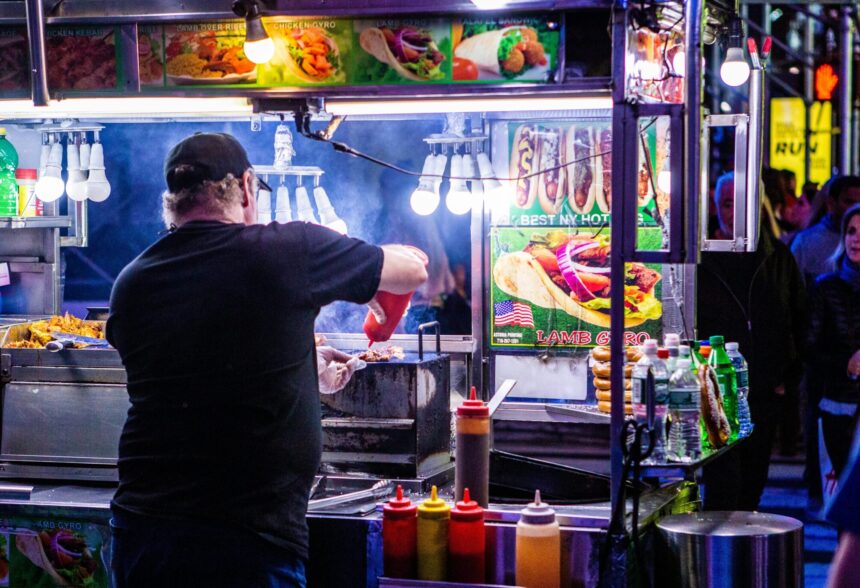
Introduction to Street Food Culture
Street food can be defined as ready-to-eat food or drink sold by a vendor in a street or other public area, often characterized by their lower cost and a wide variety of flavors. This culinary tradition is not only a means of sustenance but also serves as a reflection of the local culture and social dynamics. From bustling night markets in Asia to vibrant food carts in Latin America, street food encapsulates the essence of diverse culinary practices that have evolved over centuries. In many cultures, street food holds significant importance as it fosters community interactions. Vendors often become independent entrepreneurs, establishing deep-rooted ties within their neighborhoods. The sale of food in public spaces creates a lively atmosphere where individuals from various walks of life can gather, share stories, and enjoy affordable meals that are steeped in regional flavors and traditions. The ability to eat on-the-go further emphasizes the practicality and convenience associated with street food.
The growing popularity of street food in the global culinary scene can be attributed to a combination of factors. As urbanization increases, more people are becoming inclined to embrace quick, flavorful meals that reflect their cultural heritage. Furthermore, street food often highlights the use of fresh, locally-sourced ingredients, appealing to consumers’ desires for authenticity and quality. Additionally, social media has played a pivotal role in popularizing street food experiences, as people share their gastronomic adventures online, inadvertently influencing others to explore these culinary delights.
With its rich history and cultural significance, street food continues to adapt and thrive, representing not just a meal but a wide spectrum of local traditions and flavors. Its ability to bridge the gap between cultures and offer unique culinary experiences makes street food a vital part of food culture worldwide.
Top 10 Street Foods You Must Try
Street food provides a unique glimpse into local culture, culinary traditions, and flavors. Here is a selection of ten street foods from around the globe that are worthy of exploration and enjoyment.
1. Tacos al Pastor (Mexico) – Originating from the Lebanese shawarma, this iconic Mexican dish features pork marinated in a blend of spices, pineapple, and served in a corn tortilla. Its sweet and savory flavors make it a popular choice across Mexico.
2. Pad Thai (Thailand) – A quintessential Thai dish, Pad Thai consists of stir-fried rice noodles, eggs, and a mix of vegetables, often garnished with peanuts and lime. Its combination of sweet, salty, and sour flavors has made it a favorite among visitors and locals alike.
3. Banh Mi (Vietnam) – This Vietnamese sandwich combines a French baguette with savory ingredients such as marinated meats, pickled vegetables, and fresh cilantro. The fusion of French and Vietnamese flavors results in a delicious and portable meal.
4. Churros (Spain) – A popular dessert worldwide, churros are fried dough pastries often coated in sugar and served with chocolate or caramel sauce. Their crunchy exterior paired with a soft interior makes them an irresistible treat.
5. Pani Puri (India) – This street food consists of hollow, crispy puris filled with a mixture of spiced water, tamarind chutney, and various fillings. The explosion of flavors and textures has made Pani Puri a beloved snack throughout India.
6. Falafel (Middle East) – Made from ground chickpeas or fava beans, falafel is deep-fried and served in pita bread with salads and sauces. This vegetarian delight is packed with flavor and is an excellent representation of Middle Eastern cuisine.
7. Crepes (France) – These thin French pancakes can be filled with a variety of sweet or savory ingredients. Their versatility makes them a popular choice for street vendors, offering endless possibilities for different palates.
8. Kebab (Turkey) – Turkish kebabs come in various forms, commonly skewered and grilled meats accompanied by fresh vegetables and flatbread. They are seasoned with aromatic spices, reflecting the rich culinary heritage of the region.
9. Jollof Rice (West Africa) – A celebrated dish in West African cuisine, Jollof Rice is made with tomatoes, onions, and a blend of spices. Each country’s take on this classic dish varies, highlighting the unique culinary traditions of the region.
10. Fish and Chips (United Kingdom) – This iconic British dish consists of battered and fried fish, typically served with thick-cut fries. Its crispiness and savory flavor make it a staple of British street food culture.
Regional Variations: Street Food Across Continents
Street food represents a vibrant aspect of culinary culture worldwide, with each region showcasing its unique flavors and preparation techniques. In Asia, for instance, one can find a variety of street foods that reflect the rich agricultural heritage and diverse culinary practices. Dishes such as Thai Pad Thai, Indian Chaat, and Chinese Jianbing have captivated palates with their bold flavors, showcasing the use of fresh herbs, spices, and locally sourced ingredients. Street vendors in bustling markets often prepare these foods on-site, ensuring that they are served hot and fresh.
Moving to Europe, street food is equally diverse, with each country putting its distinct spin on communal eating experiences. In Italy, for example, delicious Porchetta sandwiches are a common sight in markets, while Germany offers the famous Currywurst, a sausage complemented with a tangy curry sauce. The emphasis here tends to be on fresh ingredients and traditional family recipes, often passed down through generations.
In Africa, street food is not only a delicious option but also a social phenomenon. A dish like Bunny Chow from South Africa, which consists of a hollowed-out loaf of bread filled with curry, exemplifies this trend. Similarly, the West African market stalls are renowned for their jollof rice, often served with fried plantains and grilled meats, uniting flavors that reflect local agricultural practices.
In North America, the street food scene has evolved with a focus on fusion creations. From the gourmet food trucks serving Korean tacos to traditional fair vendors selling soft pretzels, this region emphasizes innovation while still holding onto culinary traditions. South America, particularly in Brazil, boasts ceviche stalls by the beaches, infused with citrus and fresh seafood aligned with local fishing practices.
Lastly, Australia’s street food offerings showcase a blend of influences, notably the meat pie and the sausage roll. These handheld foods demonstrate the convenience sought in busy urban settings while also retaining elements of local taste.
The Art of Street Food Preparation
Street food represents an intricate tapestry of culinary skills and cultural heritage, thriving on the streets of cities worldwide. The preparation of this food is not merely a task but an art form, steeped in tradition and executed with precision. Street food vendors are often masters of their craft, displaying a unique set of skills that enable them to create delicious dishes in a matter of minutes. Each vendor may specialize in a specific type of cuisine or dish, showcasing their knowledge and expertise in this fast-paced environment.
One cornerstone of successful street food preparation is the emphasis on freshness. Many vendors pride themselves on sourcing the freshest ingredients available from local markets, thereby ensuring that every bite is bursting with flavor. This approach not only enhances the taste of the food but also supports local economies and promotes sustainable practices. The vibrancy associated with street food culture is significantly attributed to the colorful arrays of fresh produce, meats, and spices that vendors utilize in their offerings.
Moreover, the mobile nature of street food means that vendors often prepare their meals on-site. This immediacy allows customers to experience their meals at the peak of freshness, contributing to the rich sensory experience of street dining. The sizzle of food cooking, the enticing aroma of spices wafting through the air, and the vibrant interaction between vendors and customers all reflect the dynamic atmosphere often found at street food stalls.
Hygiene is also an essential consideration in street food preparation, as vendors work to maintain cleanliness while preparing food in less controlled environments. Many successful street food vendors employ strict hygiene practices, such as regular handwashing, proper food storage, and the utilization of clean cooking equipment to ensure that the food is both safe and enjoyable for their customers. By prioritizing hygiene, street food vendors help to mitigate concerns about foodborne illnesses, thereby fostering trust among their clientele.
How to Find the Best Street Food Stalls
Finding the best street food stalls in any destination requires a blend of strategy, local knowledge, and keen observation. To truly immerse oneself in street food culture, it’s essential to adopt the local dining customs. Observing how residents interact with street vendors can provide valuable insights. In many cultures, street food is more than just a meal; it is a social experience. Watch how people queue up at certain stalls, and take note of the vendors that locals frequent, as this often indicates quality and authenticity.
Engaging with local inhabitants can significantly enhance your street food experience. Asking locals for recommendations not only fosters connections but also leads to discovering hidden gems. Whether it’s a family-run stand operating for decades or a food truck beloved by the community, locals can direct you to the stalls that may not be featured in travel guides. While technology has made access to reviews easier than ever, nothing beats the insight of someone familiar with the area.
Another excellent way to identify popular street food vendors is by visiting bustling street fairs and markets. These areas are typically teeming with energy, and a high concentration of vendors catering to eager patrons ensures a wide variety of offerings. Take the time to observe the lines; stalls with longer queues often have a higher turnover of food, suggesting freshness and quality. Furthermore, the vendors that receive positive attention tend to be more skilled in their craft, whether it’s frying, grilling, or blending spices to perfection. Pay attention to the visual appeal and aroma of the food being prepared, as these can both be good indicators of the dish’s quality.
Safety and Hygiene in Street Food Consumption
Street food offers a delightful culinary experience, yet it is crucial to prioritize safety and hygiene while indulging in these tasty bites. The informal nature of street food vendors often raises concerns about cleanliness, but there are practical steps consumers can take to ensure a safe eating experience.
First and foremost, observe the vendor’s stall and the surrounding area. A clean and organized food stall can indicate a commitment to hygiene. Look for signs of recent activity, such as fresh ingredients and regular turnover of food items. Vendors who prepare food in small batches and serve hot items are generally preferable, as this minimizes the risk of foodborne illnesses.
Additionally, it is wise to pay attention to the vendor’s personal hygiene. Look for vendors wearing clean clothing and practicing proper handwashing techniques. If a vendor is seen frequently touching raw food or handling money without washing their hands, it may be best to seek food from another source.
Another important factor to consider is the local food regulations and standards. In many countries, street food vendors must adhere to specific health codes. If available, check for any posted hygiene ratings, which can provide insight into their compliance with food safety practices. Being aware of local food safety guidelines can enhance your overall street food experience.
Lastly, trust your instincts. If something appears questionable or the smell is off, it is prudent to find an alternative option. Enjoying street food can be immensely satisfying, but it is imperative to assess all safety measures to safeguard your health while savoring new culinary adventures. By following these measures, one can relish the delightful offerings of street food without unnecessary worry.
Street Food Festivals Around the World
Street food festivals serve as vibrant gatherings that celebrate the diverse culinary landscape found in local and international street food. These events are a veritable feast for the senses, showcasing a wide range of dishes and flavors from various cultures. Festivals like the San Francisco Street Food Festival, held annually, attract locals and tourists alike, featuring food vendors, chefs, and artisans who present their best creations in an open-air setting.
Another prominent example is the Lagos Street Food Festival, which highlights the rich flavors of Nigerian cuisine, providing attendees with the opportunity to taste traditional and contemporary dishes. The festival not only features classic street foods, such as jollof rice and suya, but also introduces innovative culinary concepts, thus bridging the gap between traditional and modern culinary practices. Such festivals often include cooking demonstrations and workshops, offering food enthusiasts valuable insights into the preparation of their favorite dishes.
Similarly, the Bangkok Street Food Festival beckons food lovers to indulge in Thailand’s renowned street fare. Attendees can partake in an array of delectable options, from pad thai and tom yum soup to sweet mango sticky rice. The lively atmosphere, complete with live music and performances, enhances the overall experience, making it a must-visit for anyone passionate about street food culture.
These festivals not only promote local vendors and chefs but also foster a sense of community among attendees who share a common love for street food. They provide an excellent opportunity to explore different culinary techniques and flavors, contributing to a greater appreciation for the diverse offerings in the global street food scene. For street food enthusiasts, participating in these festivals is an invaluable experience that broadens their palate while celebrating the cultural significance of street food across the world.
The Influence of Street Food on Modern Cuisine
Street food has long played a pivotal role in diverse culinary cultures, offering a unique glimpse into regional traditions and flavors. In recent years, the influence of street food on modern cuisine has become increasingly evident, permeating fine dining establishments and elevating everyday eating experiences. This phenomenon can be attributed to several factors, including the burgeoning interest in authenticity, sustainability, and affordability in the culinary world.
Modern chefs are increasingly drawing inspiration from street food vendors, recognizing the creativity and resourcefulness that often characterize these informal eateries. Gourmet chefs are adapting traditional street food recipes, incorporating contemporary techniques while still respecting the essence of the original dishes. By doing so, they create innovative menus that celebrate both the familiar and the novel. These adaptations can be seen in various dishes, such as gourmet tacos infused with unusual fillings or upscale interpretations of classic kebabs, which retain their authentic flavors while enhancing presentation and taste.
Furthermore, the fusion of street food with haute cuisine has led to a blending of cultural influences, resulting in dishes that offer a unique gastronomic experience. This trend highlights the importance of accessibility in dining, as street food typically involves a lower price point while offering high-quality ingredients and bold flavors. As consumers seek out new dining experiences, chefs are increasingly motivated to incorporate street-inspired elements into their menus, making these once humble dishes accessible to a wider audience.
Ultimately, the proliferation of street food influence in modern cuisine represents a significant shift in how food is perceived and enjoyed. As culinary professionals continue to explore the potential of street food, the lines between casual and fine dining blur, leading to an exciting evolution in the culinary landscape.
Conclusion and Personal Recommendations
As we conclude our exploration of street foods from around the world, it is evident that these culinary delights reflect the culture, history, and creativity of each region. The appeal of street food lies not only in its affordability but also in the authentic flavors and experiences it offers. Each dish tells a story, creating connections between the vendor, the customer, and the ingredients used, which are often sourced from local markets.
In my travels, I have encountered diverse street foods that stand out for their unique tastes and preparation methods. For anyone visiting Southeast Asia, I highly recommend indulging in the vibrant flavors of Vietnamese pho. This aromatic noodle soup, filled with fresh herbs and spices, is a staple that embodies the essence of Vietnamese cuisine. Similarly, the bustling street markets of Bangkok offer an array of tantalizing dishes such as pad thai and mango sticky rice, each expertly crafted by local vendors.
For those in Europe, consider trying the savory crepes found on the streets of Paris. Whether filled with ham and cheese or sweetened with Nutella and strawberries, these delicacies are a must-try. Additionally, the churros sold by street vendors in Spain, often served with thick chocolate for dipping, provide a delightful treat that encapsulates the local culinary charm.
Ultimately, embracing street food, whether while traveling abroad or at home, allows for a richer cultural experience. It encourages the exploration of diverse palates and supports local economies. So, the next time you find yourself wandering through a new city, make a point to sample the street foods that beckon to you. You may discover new flavors that leave a lasting impression and memories that extend beyond the plate.