

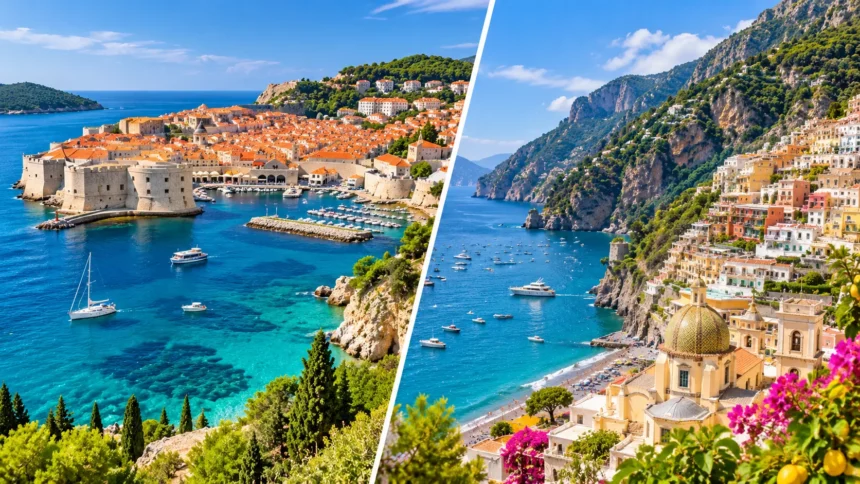
Croatia vs Italy: Which Destination Is Better for Travelers?
Choosing between Croatia and Italy can be challenging because both countries offer beautiful coastlines, historic cities, delicious food, and memorable cultural experiences. Located in Southern Europe along the Adriatic Sea, these destinations attract visitors seeking different types of holidays. Understanding the key differences between Croatia and Italy can help travelers choose a destination that matches their interests, budget, and preferred activities.
Croatia is especially popular for its picturesque islands, medieval coastal towns, crystal-clear waters, and relaxed Mediterranean atmosphere. Italy offers world-famous historical landmarks, artistic masterpieces, diverse regional cuisine, and an impressive collection of cities. While both destinations provide opportunities for beach holidays and cultural exploration, their overall travel experiences can feel quite different.
A Croatia vs Italy comparison should consider accommodation expenses, transportation, attractions, beaches, food, weather, and seasonal crowds. Croatia may appeal to travelers seeking island adventures and smaller coastal destinations, while Italy often attracts visitors interested in famous cities and historical landmarks. Both countries offer rewarding experiences when travelers plan according to their individual preferences.
Croatia vs Italy: Location and Geography
Croatia is located in southeastern Central Europe, with a long coastline along the eastern Adriatic Sea. Its geography includes beautiful islands, limestone mountains, national parks, and historic coastal settlements. Popular destinations such as Dubrovnik, Split, and Zadar showcase the country’s relationship with the Adriatic coastline and its distinctive natural surroundings.
Italy occupies a peninsula extending into the Mediterranean Sea and includes the major islands of Sicily and Sardinia. Its landscapes range from the snowy Alps in the north to the warm beaches of southern Italy. Travelers can explore mountains, lakes, countryside villages, ancient cities, and coastal destinations within the same country.
The geographical differences influence how visitors experience each destination. Croatia is particularly convenient for travelers planning island-hopping adventures and exploring compact coastal towns. Italy covers a much larger area and offers greater geographical variety, although traveling between distant regions may require more time and careful itinerary planning.
Croatia vs Italy: Overall Travel Costs
Travel expenses are an important consideration when deciding whether to visit Croatia or Italy. Croatia has traditionally offered affordable options in smaller towns and less-visited regions, although prices have increased in popular coastal destinations. Italy also provides budget-friendly opportunities, but famous cities and resort areas can become expensive during busy travel seasons.
Accommodation in Dubrovnik, Hvar, and other popular Croatian destinations can cost considerably more during summer than in quieter inland locations. Similarly, hotels in Venice, Rome, Florence, and the Amalfi Coast often command higher prices during peak tourism periods. Travelers can reduce expenses in either country by selecting alternative destinations and booking accommodations early.
Food, transportation, and sightseeing costs also vary according to travel style. Local bakeries, supermarkets, family-run restaurants, and public transportation can help visitors manage daily expenses. Rather than assuming one country is always cheaper, travelers should compare their intended cities, accommodation preferences, and travel dates when preparing a realistic budget.
Croatia vs Italy: Accommodation Options
Croatia offers a variety of accommodation choices, including seaside apartments, family-owned guesthouses, boutique hotels, and luxury coastal resorts. Private apartments are particularly common in popular beach destinations and can be convenient for families or travelers planning longer stays. Many accommodations provide access to historic town centers, scenic waterfronts, or peaceful island surroundings.
Italy has an extensive hospitality industry with hotels, countryside villas, agriturismo properties, and traditional guesthouses. Travelers can stay in historic buildings in Rome, charming rural accommodations in Tuscany, or coastal hotels overlooking the Mediterranean. The country’s wide selection makes it suitable for romantic escapes, cultural holidays, family vacations, and luxury travel.
The best accommodation choice depends on location, budget, and desired experiences. Croatia may offer attractive apartment options near smaller coastal communities, while Italy provides a broader range of regional accommodation styles. In both countries, checking transportation access, local taxes, and cancellation conditions can help visitors avoid unexpected expenses.
Croatia vs Italy: Best Beaches and Coastlines
Croatia is widely recognized for its beautiful Adriatic coastline, clear water, and numerous islands. Many beaches feature pebbles, rocks, or stone platforms rather than extensive sandy shorelines. Popular coastal destinations include Zlatni Rat on Brač, beaches around Makarska, and the attractive coves of Hvar and other Dalmatian islands.
Italy offers greater variety in its beach landscapes because its coastline stretches across several seas. Travelers can discover sandy beaches in Sardinia, scenic cliffs along the Amalfi Coast, and picturesque seaside towns in Sicily. Destinations such as Puglia, Calabria, and the Italian Riviera provide additional opportunities to enjoy Mediterranean scenery.
For travelers prioritizing clear Adriatic water and island exploration, Croatia may be especially appealing. Italy is an excellent option for visitors seeking a combination of sandy beaches, coastal villages, and diverse seaside landscapes. Swimming conditions vary between locations, so travelers should check local safety advice before entering unfamiliar waters.
Croatia vs Italy: Islands and Island-Hopping Experiences
Croatia is famous for its numerous islands scattered across the Adriatic Sea. Hvar, Brač, Korčula, Vis, and Mljet are among the destinations that attract travelers seeking coastal scenery and distinctive island communities. Ferry connections and organized excursions make it possible to explore several islands during a longer Croatian holiday.
Italy also offers spectacular islands, including Sicily, Sardinia, Capri, Ischia, and Elba. These destinations feature different landscapes, cultural traditions, beaches, and historical attractions. Some Italian islands are large enough to require several days of exploration, while smaller destinations may be suitable for shorter visits or day trips.
Croatia often provides a particularly convenient experience for travelers interested in visiting multiple nearby Adriatic islands. Italy may appeal more to visitors seeking larger island destinations with extensive cultural attractions and varied landscapes. Ferry schedules, weather conditions, and seasonal transportation availability should guide any island-hopping itinerary.
Croatia vs Italy: Historical Attractions and Architecture
Croatia has an impressive collection of medieval towns, Roman remains, and historic fortifications. Dubrovnik’s Old Town, Diocletian’s Palace in Split, and the Roman amphitheater in Pula are among its most recognizable landmarks. These attractions reflect the country’s diverse historical influences, including Roman, Venetian, and Central European traditions.
Italy is internationally famous for its exceptional historical and architectural heritage. The Colosseum in Rome, the ruins of Pompeii, Florence’s Renaissance buildings, and Venice’s canals offer remarkable cultural experiences. Travelers can also discover ancient temples, medieval villages, impressive cathedrals, and archaeological sites across different Italian regions.
Italy generally offers a larger concentration of internationally renowned artistic and historical attractions. Croatia provides rewarding historical experiences within smaller cities and beautiful coastal settings. Travelers who enjoy exploring ancient streets and architecture will find both countries fascinating, although Italy may be the stronger choice for an extensive art-focused holiday.
Croatia vs Italy: Food and Traditional Cuisine
Croatian cuisine reflects Mediterranean, Central European, and Balkan influences, creating considerable regional variety. Coastal dishes frequently feature seafood, olive oil, vegetables, and local herbs, while inland cooking includes hearty stews and traditional meat preparations. Popular foods include black risotto, grilled fish, peka dishes, and regional pastries.
Italian cuisine is internationally celebrated for pasta, pizza, risotto, regional cheeses, and countless traditional recipes. Different areas have distinctive specialties, from pasta dishes in Rome to seafood along the southern coast. Travelers can explore fresh markets, neighborhood bakeries, traditional restaurants, and regional food traditions throughout the country.
Italy may be particularly appealing to travelers who enjoy familiar Mediterranean dishes and extensive culinary variety. Croatia offers excellent opportunities to discover traditional seafood and regional specialties in scenic coastal settings. Both countries reward visitors who explore local restaurants and seasonal ingredients rather than relying exclusively on heavily tourist-oriented dining areas.
Croatia vs Italy: Best Cities to Visit
Croatia’s most popular cities include Dubrovnik, Split, Zagreb, Zadar, and Rovinj. Dubrovnik is known for its historic walls and dramatic coastal setting, while Split combines Roman architecture with a lively waterfront. Zagreb offers a different experience through its museums, cafes, parks, and Central European urban atmosphere.
Italy provides numerous internationally famous cities, including Rome, Florence, Venice, Milan, Naples, and Bologna. Each destination offers distinctive attractions, architecture, and local traditions. Rome appeals to ancient history enthusiasts, Florence attracts art lovers, and Venice offers a unique experience through its canals and historic urban landscape.
Travelers interested in smaller coastal cities may particularly enjoy Croatia’s compact historic centers. Italy is ideal for visitors seeking large cultural destinations with extensive sightseeing opportunities. Both countries also offer charming smaller towns that provide alternatives to their busiest cities and allow travelers to experience local traditions.
Croatia vs Italy: Natural Beauty and National Parks
Croatia is an excellent destination for travelers who enjoy natural scenery and protected landscapes. Plitvice Lakes National Park is famous for its waterfalls, lakes, and forested surroundings. Krka National Park, Paklenica National Park, and the mountainous regions of northern Croatia provide additional opportunities to appreciate the country’s natural diversity.
Italy offers an equally impressive range of landscapes, from the Dolomites and Alpine lakes to coastal cliffs and volcanic regions. Lake Como, the Cinque Terre coastline, and Tuscany’s rolling countryside are among its famous natural attractions. Sicily and southern Italy also feature distinctive geological landscapes and picturesque coastal environments.
Croatia may appeal to travelers seeking waterfalls, coastal national parks, and accessible island scenery within a relatively compact itinerary. Italy provides greater geographical diversity across a larger territory. Visitors should consider travel distances, seasonal weather, and protected-area regulations when selecting outdoor attractions in either destination.
Croatia vs Italy: Transportation and Getting Around
Transportation can significantly influence the overall travel experience in Croatia and Italy. Croatia relies on buses, ferries, roads, and selected rail routes to connect its major destinations. Coastal buses and passenger ferries are especially useful for traveling between popular towns and islands, although schedules may change seasonally.
Italy has a more extensive passenger rail network connecting many major cities and regional destinations. High-speed trains make travel between Rome, Florence, Milan, Naples, and other urban centers relatively convenient. Regional trains, buses, and ferries provide additional connections, although remote villages and certain coastal areas may still require alternative transportation.
Italy generally offers an advantage for travelers planning multi-city holidays using trains. Croatia is particularly appealing for coastal road trips and ferry-based island exploration. Booking popular transportation services ahead of time can be helpful during summer, while checking seasonal connections is essential when visiting smaller islands or less-connected destinations.
Croatia vs Italy: Weather and Best Time to Visit
Croatia experiences a Mediterranean climate along much of its coastline, with warm summers and generally mild, wetter winters. Inland regions have more continental weather patterns, including colder winter temperatures. The popular coastal travel season usually extends from late spring through early autumn, when conditions are often favorable for sightseeing and beach holidays.
Italy has more varied weather because of its larger size and different geographical regions. Northern areas experience cooler winters, while southern coastal destinations generally have warmer Mediterranean conditions. Spring and autumn are often attractive for city sightseeing, whereas summer is particularly popular for beach holidays and island vacations.
May, June, September, and early October can be enjoyable periods for visiting either country, depending on the itinerary. July and August generally bring warmer temperatures and larger crowds to major coastal destinations. Travelers should consider regional conditions rather than selecting dates based only on national weather averages.
Croatia vs Italy: Crowds and Tourist Atmosphere
Both Croatia and Italy attract large numbers of international visitors, especially during the European summer holidays. Croatia’s popular coastal cities and islands can become extremely busy during July and August. Dubrovnik, Split, and Hvar experience particularly strong demand because of their historic attractions, waterfront scenery, and seasonal tourism activities.
Italy experiences substantial visitor numbers throughout much of the year, especially in major cultural destinations. Rome, Venice, Florence, and the Amalfi Coast can become crowded during popular travel periods. However, the country’s extensive range of towns and regions provides opportunities to explore quieter places away from the busiest tourist routes.
Travelers seeking a relaxed holiday should consider visiting during the shoulder seasons or choosing less-visited destinations. Both countries offer peaceful coastal villages and countryside locations beyond their famous attractions. Booking transportation and accommodation early can also reduce inconvenience when traveling during periods of high demand.
Croatia vs Italy: Family-Friendly Travel Experiences
Croatia is a popular choice for family holidays because of its coastal towns, island excursions, and outdoor attractions. Families can explore historic centers, enjoy suitable beaches, and visit scenic national parks. Apartment-style accommodations may provide convenient facilities for households traveling with children or planning longer seaside stays.
Italy also offers excellent family travel experiences through its historical attractions, museums, beaches, and varied regional cuisine. Children may enjoy exploring ancient Roman landmarks, visiting interactive museums, and discovering different cities. Family-friendly accommodations and extensive transportation connections make it possible to organize diverse itineraries without relying entirely on private vehicles.
The better choice depends on children’s interests, travel pace, and preferred activities. Croatia may suit families seeking coastal relaxation and nature-focused holidays, while Italy offers extensive cultural sightseeing opportunities. In both destinations, planning regular breaks and selecting manageable travel distances can make family vacations more comfortable.
Croatia vs Italy: Romantic Getaways and Honeymoons
Croatia offers romantic scenery through its picturesque islands, historic coastal towns, and beautiful Adriatic sunsets. Couples can enjoy waterfront walks in Dubrovnik, peaceful island accommodations, and charming restaurants overlooking the sea. Destinations such as Hvar, Rovinj, and Korčula provide attractive settings for relaxing holidays and special occasions.
Italy is famous for romantic destinations such as Venice, Florence, Lake Como, Tuscany, and the Amalfi Coast. Its beautiful architecture, countryside scenery, and renowned culinary traditions create numerous possibilities for memorable getaways. Travelers can combine cultural attractions with scenic accommodations, leisurely walks, and distinctive regional experiences.
Croatia may appeal to couples seeking a quieter island-focused escape, particularly outside peak summer. Italy offers a broader selection of iconic romantic cities and countryside experiences. Choosing the ideal destination depends on whether travelers prioritize coastal relaxation, cultural sightseeing, natural scenery, or a combination of these interests.
Croatia vs Italy: Travel Safety and Practical Considerations
Croatia and Italy are generally popular international travel destinations with established tourism services. However, visitors should follow normal precautions involving personal belongings, transportation, and unfamiliar areas. Crowded attractions, train stations, and busy city centers may create opportunities for petty theft, making awareness and sensible preparation important.
Travelers should also consider local conditions when planning beach visits and outdoor activities. Rocky shorelines, strong currents, changing mountain weather, and extreme summer heat can present challenges in certain regions. Following posted instructions, choosing suitable activities, and checking local forecasts can help visitors avoid unnecessary risks.
Both countries use the euro and belong to the Schengen Area, which simplifies certain aspects of combined travel. Entry requirements depend on nationality and passport status, while the standard short-stay Schengen limit is generally 90 days within a 180-day period. Travelers should verify current visa requirements and passport validity before departure.
Croatia vs Italy: Which Is Better for Budget Travelers?
Budget travelers can enjoy both Croatia and Italy by selecting affordable destinations and traveling outside peak tourism periods. Croatia’s smaller towns and inland areas may offer good accommodation value, while popular islands can become expensive during summer. Planning meals, transportation, and activities ahead of time helps reduce unexpected expenses.
Italy also provides economical travel opportunities, particularly in less-touristed cities and southern regions. Public transportation, affordable guesthouses, local markets, and casual restaurants can help visitors manage spending. High-speed trains offer convenience, but purchasing tickets close to departure may sometimes result in higher fares than booking in advance.
Croatia may offer better value for certain coastal holidays, while Italy can be economical for travelers who use trains and explore less expensive regions. Daily expenses depend heavily on the exact itinerary. Comparing accommodation prices and transportation costs for specific travel dates is the most reliable way to choose between them.
Croatia vs Italy: Which Country Should You Visit First?
First-time visitors seeking world-famous landmarks, museums, and historical cities may prefer Italy. Destinations such as Rome, Florence, and Venice provide an introduction to some of Europe’s most recognizable cultural attractions. Italy’s extensive transportation network also makes it practical to combine several major cities during a single holiday.
Croatia is an attractive first choice for travelers who prioritize clear Adriatic waters, island exploration, and historic coastal towns. Dubrovnik, Split, and nearby islands offer a satisfying mix of culture and relaxation. Visitors who prefer a slower pace may find it easier to focus on a smaller coastal region rather than covering numerous distant attractions.
Ultimately, neither destination is universally better because their strengths appeal to different interests. Italy stands out for cultural diversity, iconic cities, and extensive art collections, while Croatia excels in island experiences and compact coastal sightseeing. Travelers with sufficient time can also consider visiting both countries during a longer European itinerary.
Conclusion
Croatia and Italy are exceptional European destinations that offer different combinations of history, natural beauty, beaches, and cultural experiences. Croatia is particularly attractive for travelers interested in Adriatic islands, medieval coastal towns, and scenic national parks. Italy provides an extensive selection of famous cities, historic landmarks, regional cuisine, and varied landscapes.
Choosing between Croatia and Italy depends on travel priorities, budget, season, and preferred activities. Visitors seeking island-hopping adventures and relaxed coastal experiences may prefer Croatia, while those interested in art, architecture, and major cultural attractions may find Italy more appealing. Both countries offer opportunities for memorable holidays across different budgets and travel styles.
The best decision comes from comparing specific destinations rather than treating either country as one uniform experience. Consider accommodation costs, transportation connections, weather, sightseeing interests, and the amount of time available. With thoughtful planning, a holiday in Croatia or Italy can provide unforgettable scenery, meaningful cultural discoveries, and rewarding travel experiences.
Frequently Asked Questions
Is Croatia Cheaper Than Italy for Tourists?
Croatia can be cheaper than Italy in certain regions, particularly outside popular summer destinations. However, Dubrovnik and some Croatian islands can be expensive, while smaller Italian towns may offer excellent value.
Which Country Has Better Beaches, Croatia or Italy?
Croatia is famous for clear Adriatic waters, rocky coves, and island beaches. Italy offers greater variety, including sandy beaches, dramatic coastal cliffs, and beautiful island destinations such as Sardinia and Sicily.
Is Croatia or Italy Better for a First-Time European Trip?
Italy may be ideal for first-time visitors interested in famous cities, museums, architecture, and history. Croatia is an excellent alternative for travelers who prefer islands, scenic coastlines, and smaller historic towns.
Can You Visit Croatia and Italy on the Same Trip?
Yes, Croatia and Italy can be combined during one European holiday. Flights, ferries on selected routes, and overland transportation connect the countries, although schedules and travel times vary by destination.
What Is the Best Time to Visit Croatia and Italy?
May, June, September, and early October often provide comfortable weather for sightseeing in both countries. July and August are popular for beach holidays but can bring high temperatures and larger crowds.