

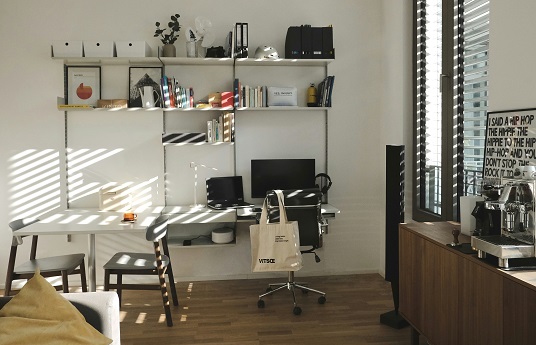
Introduction: The Importance of Home Organization
Maintaining an organized home is essential for fostering a sense of well-being and improving efficiency in daily activities. A clutter-free environment not only enhances aesthetic appeal but also significantly contributes to mental clarity. When spaces are systematically arranged, individuals often experience reduced levels of stress and anxiety. This is predominantly due to the elimination of visual chaos and a streamlined environment that allows for easier navigation and accessibility. Furthermore, a well-organized home can lead to increased productivity. When items are in designated places, time spent searching for essentials diminishes, enabling individuals to focus on pressing tasks. This efficiency is particularly beneficial in domestic settings where multiple responsibilities often compete for attention. An orderly home encourages a proactive mindset, allowing individuals to approach their day with greater motivation and less distraction.
In addition to psychological benefits, effective home organization can also improve one’s lifestyle. It enables better functionality of spaces, making them more conducive to daily living. Organized rooms can inspire creativity and enhance relaxation, allowing individuals to create a harmonious living environment. Ultimately, prioritizing home organization is not just about tidiness; it is about cultivating an atmosphere that supports mental wellness and promotes a balanced lifestyle.
Assessing Your Space: Understanding Your Needs
Organizing your home effectively begins with a thorough assessment of your living space. Understanding your needs is essential for creating an environment that promotes functionality and comfort. Start by evaluating the purpose of each room. Consider how each space is currently utilized and how it ideally should function. For example, a living room might serve multiple functions, from a social gathering space to a home office. Recognizing these diverse needs will guide your organizational strategy.
Next, take note of any problem areas within your home. Identify cluttered zones or items that seem out of place. This step is crucial as it allows you to pinpoint areas that require immediate attention. Whether it’s a disorganized closet, a chaotic kitchen counter, or a messy garage, knowing the specific locations that hinder your daily routines will help in formulating a practical organization plan.
Additionally, personal habits play a significant role in how your space feels and functions. Consider your daily routines—what items do you use most frequently, and where do you use them? By aligning the organization of your home with your lifestyle, you can enhance its functionality. For example, if you often cook and find yourself rummaging through drawers for utensils, optimizing your kitchen layout is essential. Establishing a designated area for frequently used items will streamline your activities and reduce friction.
Lastly, take into account the needs of other family members residing in your home. Each individual may have specific preferences and requirements that must be addressed to create a harmonious living environment. In collaborative spaces like living rooms or dining areas, ensure that organizational solutions cater to everyone’s needs, promoting shared responsibility for maintaining order. Conducting a detailed assessment of your space will lead to a more cohesive and efficiently organized home.
Decluttering: The First Step to Organization
Decluttering is a fundamental aspect of organizing your home and can significantly alleviate stress as well as improve your living environment. To begin this process effectively, one valuable technique is the ‘Four-Box Method,’ which involves categorizing your belongings into four distinct boxes: keep, donate, trash, and recycle. Each box serves a specific purpose and helps streamline the decision-making process regarding your possessions.
First, find a designated time to focus solely on decluttering. Approaching this task with a positive mindset is crucial; remind yourself of the benefits of a tidy space. Start with one room or area at a time, as tackling everything at once can be overwhelming. Set a timer for 30 minutes to keep your efforts focused and efficient. This structured approach allows you to make progress without feeling defeated.
The ‘Four-Box Method’ simplifies choices about what to do with each item. As you go through your belongings, place items into the respective boxes: those you frequently use or love belong in the keep box; items that are in good condition but no longer serve you can be placed in the donate box; things that are broken or unusable should go straight to the trash; lastly, recyclable materials should be set aside for recycling. This method not only minimizes possessions but also fosters a sense of responsibility for the environment.
Once you have sorted all your items, make arrangements to donate or recycle as soon as possible to prevent second-guessing your decisions. By implementing these decluttering techniques, you lay the foundation for a well-organized home, enhancing both functionality and comfort. For a big clear-out in Southern California, a weekend dumpster rental in San Diego can fill at their own pace makes that first purge much faster.
Creating an Organization System: Tools and Techniques
Establishing an effective organization system is crucial for maintaining an orderly home environment. One of the fundamental elements of this system involves utilizing a variety of tools and techniques, which can significantly simplify the process of decluttering and organizing your belongings. Bins and baskets, for instance, are versatile storage solutions that can help compartmentalize items, making it easier to categorize and retrieve them when needed.
When considering bins, it’s essential to choose those that align with both the aesthetic and functionality of your space. Clear plastic bins allow visibility of contents, while decorative baskets can enhance the decor of a living room or bedroom. Incorporating shelves into the organization system further maximizes vertical space, especially in smaller rooms. Utilizing wall-mounted shelves not only provides additional storage but also displays cherished items or books, creating an appealing focal point.
Labels play a critical role in an organization strategy as they enhance the usability of storage solutions. Labeling bins and shelves streamlines the identification process, making it clear where specific items belong, which, in turn, encourages habitual putting away of belongings. Pre-printed labels can offer a uniform look, while handwritten options add a personal touch. Moreover, engaging in digital organization has become increasingly vital in a paper-heavy world. Digital tools such as apps and cloud storage services are available for managing important documents and files, facilitating easy access and retrieval.
In addition to physical tools, establishing organization techniques—such as the one-in, one-out rule—can help maintain order. This method encourages individuals to assess their belongings regularly and minimize accumulation. Ultimately, the combination of utilizing suitable tools, effective labeling strategies, and efficient organizing techniques will create a systematic approach to maintaining order within your home, leading to a more serene living space.
Room-by-Room Organization Strategies
Organizing your home can be a daunting task, but with a structured approach, it becomes manageable. Each room in your home presents unique challenges, requiring targeted strategies to achieve an efficient organization. Below are tailored tips for four key areas: the living room, kitchen, bathroom, and bedroom.
Living Room: Start by decluttering. Remove items that do not belong in this space. Consider utilizing multifunctional furniture, such as coffee tables with storage compartments. Arrange seating to create a welcoming atmosphere and ensure easy access to frequently used items, such as remotes and books, by keeping them within arm’s reach. Employ decorative baskets or bins to store smaller items while maintaining aesthetics.
Kitchen: A well-organized kitchen promotes both efficiency and safety. Begin by categorizing your pantry items – keep grains, spices, and canned goods together. Deploy clear, labeled containers, as they facilitate quick identification and access. Additionally, utilize vertical space by installing shelves and hooks to store pots, pans, and utensils. Regularly reassess the layout to optimize workflow during cooking.
Bathroom: Bathrooms can quickly accumulate clutter due to products and toiletries. Consolidate items into categories like skincare, makeup, and hygiene to simplify usage. Use tiered organizers within cabinets or on countertops to maximize space and visibility. Also, consider clear shower caddies to keep items readily accessible while showering, reducing clutter.
Bedroom: A serene bedroom environment is key for restful sleep. Begin by sorting clothes into seasonal wardrobes, donating or recycling items you no longer wear. Utilize under-bed storage for items such as shoes and off-season garments. Implement nightstands with drawers to keep essentials, like books or charging devices, tidy and organized. Regularly clearing out your closet helps maintain an ordered space.
By applying these room-by-room organization strategies, you can create a coherent, functional home that enhances both comfort and efficiency. Organizing is not a one-time task but rather a continuous journey towards maintaining a harmonious living environment.
Maintaining Organization: Habits to Cultivate
To maintain a well-organized home environment, it is essential to cultivate habits that support cleanliness and order. Establishing daily and monthly cleaning routines is a foundational strategy for sustaining organization. A daily routine might include tasks such as putting away items after use, quickly tidying up surfaces, and ensuring everything is returned to its designated spot. By incorporating such practices into your daily life, you minimize the chances of clutter accumulating.
Creating designated spots for each item in your home plays a crucial role in maintaining organization. When every object has its place, it becomes easier to locate and return items, leading to a cleaner and more organized space. For instance, designate specific shelves for books, use labeled bins for various categories of items, and create a mail station to manage incoming paperwork. This clear system not only enhances the aesthetic appeal of your home but also saves time in searching for misplaced items.
Developing habits to prevent clutter from building up is equally important. Setting aside time each week for a ‘declutter session’ allows you to assess which items are necessary and which can be discarded or donated. Consider adopting the one-in-one-out rule: for every new item brought into the home, an existing item should be removed. This practice helps to prevent overcrowding. Additionally, staying mindful of your shopping habits, such as avoiding impulse purchases, can limit unnecessary clutter.
By establishing a consistent cleaning schedule, creating designated spots for your belongings, and implementing habits aimed at preventing clutter, you can effectively maintain an organized home environment. These strategies, combined with dedication and persistence, will help ensure that your living space remains both functional and aesthetically pleasing.
The Role of Storage Solutions: Maximizing Space
Efficient organization of your home greatly relies on effective storage solutions. These solutions not only enhance the spatial functionality of any room but also contribute to an overall tidy appearance. To achieve an environment that promotes orderliness, it is essential to focus on various practical options such as multi-functional furniture, wall-mounted shelves, and under-bed storage.
Multi-functional furniture offers dual or even triple uses that can lead to significant space savings. For instance, a sofa bed can accommodate guests at night while serving as seating during the day. Other similar furniture options include ottomans with internal storage or coffee tables that double as storage units. This type of furniture is particularly beneficial in smaller spaces where every inch counts.
Wall-mounted shelves present a practical solution for utilizing vertical space in any room. By employing wall storage, you can declutter floors and surfaces while displaying books, decorative items, or even kitchen essentials. These floating shelves come in various styles and sizes, making it easy for you to select designs that align with your home’s aesthetic. When choosing wall-mounted options, consider not only their load-bearing capacity but also the ease of access to the items on display.
Under-bed storage is another effective way to optimize space, especially in bedrooms. Utilizing bins or drawers that fit neatly under the bed can help you store seasonal clothes, shoes, or other items that might otherwise clutter your living space. This solution keeps the area tidy and maximizes the often-overlooked space beneath your bed.
In conclusion, selecting appropriate storage solutions tailored to your unique needs is pivotal in promoting an organized living environment. By integrating multi-functional furniture, wall-mounted shelves, and under-bed storage, you can achieve a well-structured and aesthetically pleasing home layout that maximizes available space.
Involving Others: Making It a Family Effort
Organizing a home is often perceived as a solitary task, yet it can be remarkably beneficial to involve family members or roommates in the process. By turning organization into a collective effort, not only does it promote a sense of shared responsibility, but it can also lead to more sustainable and effective outcomes.
One effective strategy is to assign specific responsibilities to each person involved. By delineating clear roles, everyone understands their contribution towards a tidy home. For instance, one person may be responsible for organizing the living room while another manages the kitchen. This division of labor simplifies the project and fosters teamwork, encouraging individuals to take ownership of their designated areas.
In addition to assigning responsibilities, creating shared spaces can be a significant aspect of fostering a culture of tidiness. When organizing communal areas such as the living room or kitchen, it is essential to design these spaces collaboratively. Engaging everyone in decision-making can increase commitment to maintaining organization. Incorporating common organizational tools, such as labeled storage bins or designated zones for items, can further enhance shared accountability.
Moreover, it is valuable to establish routines that reinforce organizational habits. Setting a specific time each week for a family clean-up or regularly scheduled organization days can encourage everyone to participate actively in maintaining an orderly environment. Additionally, praising efforts, recognizing contributions, and celebrating achievements can bolster motivation among family members, creating an inviting atmosphere of collaboration.
Ultimately, by incorporating these strategies into the organization process, families can build a home that is not only organized but also reflects a collaborative spirit. This transition towards a unified approach enhances both the functionality of shared spaces and the relationships within the household, ensuring a harmonious living environment.
Conclusion: Embracing the Organized Lifestyle
In conclusion, the journey to an organized home is not merely a task but a lifestyle change that can transform various aspects of your daily routine. Embracing the organized lifestyle fosters an environment where clarity, peace of mind, and productivity can thrive. By implementing the strategies discussed throughout this blog post, individuals can experience the long-term benefits associated with maintaining a clean and structured home.
Establishing an organized home begins with acknowledging the importance of decluttering and arranging items in a purposeful way. This allows for easy access to belongings, minimizes stress, and enhances overall efficiency. It is crucial to develop habits that support continual organization, such as regular cleaning sessions and mindful consumption. These practices fortify the foundation for cultivating a more serene living space.
Furthermore, an organized environment can positively impact mental well-being. Research indicates that being surrounded by disorder creates feelings of anxiety and limits one’s ability to focus. By contrast, a well-organized space promotes tranquility, enabling you to concentrate more effectively on tasks that require attention.
The commitment to an organized lifestyle may initially seem daunting, but the gradual implementation of organization techniques can yield significant results. Small steps, such as sorting through items regularly or creating designated spaces for different activities, can enhance the day-to-day experience of life at home. Encouraging children and family members to partake in this organizing journey ensures a shared responsibility that reinforces these newfound habits.
Ultimately, choosing to organize your home is a decision that paves the way for a more enjoyable and fulfilling living experience. As you embark on this organizational journey, consider the multitude of benefits that an organized lifestyle brings, and take the first step towards a more ordered home today.