
Understanding Home Maintenance
Home maintenance tips refers to the ongoing process of keeping a home in good condition, ensuring that all systems, structures, and appliances function effectively. This critical aspect of homeownership encompasses a variety of tasks, including routine inspections, cleaning, and preventive measures aimed at preserving the integrity of the home. Proper home maintenance not only enhances the aesthetic appeal of a property but also increases its overall longevity, ultimately protecting the homeowner’s investment. Importantly, there is a distinction between routine maintenance and repairs. Routine maintenance involves scheduled tasks, such as changing air filters, cleaning gutters, and checking smoke alarms, which are conducted to prevent potential issues from arising. These tasks are essential in identifying small problems before they develop into costly repairs. On the other hand, repairs are often reactive, undertaken in response to a malfunction or breakdown of a system, such as fixing a leaky roof or replacing a broken appliance.
Implementing a home maintenance plan can significantly contribute to the longevity of various home systems, including plumbing, electrical, and HVAC. Preventive measures such as seasonal cleanings, regular assessments of roofs, and timely filtering of air quality not only save homeowners money in potential repair costs but also safeguard against emergencies that can disrupt daily life. By prioritizing home maintenance, homeowners ensure that their living environment remains safe, functional, and comfortable over time.
Incorporating these practices into routine schedules enhances the value of a property and fosters a sense of responsibility and care for one’s home, ultimately benefiting homeowners in the long term.
Creating a Maintenance Schedule
Establishing a home maintenance schedule is essential for every homeowner. This structured plan not only enhances the longevity of your property but also ensures that various systems and components function optimally. By breaking down tasks into seasonal maintenance, monthly checks, and annual inspections, homeowners can efficiently manage upkeep without feeling overwhelmed.
To begin, it is beneficial to create a seasonal maintenance calendar. Each season comes with its unique set of tasks. For instance, spring may involve cleaning gutters, checking roof integrity, and landscaping, while autumn might focus on furnace checks and preparing the garden for winter. By mapping out these seasonal tasks in advance, homeowners can allocate time and resources accordingly, ensuring nothing is overlooked.
Monthly checks are equally important and should include simpler tasks such as replacing air filters, checking smoke detectors, and inspecting for leaks in faucets and toilets. These small, consistent checks can often prevent larger issues from developing, which can save both time and money in the long run.
In addition to seasonal and monthly tasks, annual inspections are crucial to the overall maintenance plan. It is advisable to conduct thorough evaluations of roofing, plumbing, and electrical systems at least once a year. Homeowners might consider hiring professionals for these inspections to ensure a comprehensive assessment, especially for critical systems that require specialized expertise.
To streamline the process, there are various tools and resources available that can help homeowners keep track of their maintenance needs. Digital planners, mobile apps, and even traditional calendars can all serve as reminders for upcoming tasks. Automating reminders can further simplify the maintenance schedule, making it less likely for important duties to be neglected.
Creating a home maintenance schedule customized to your specific needs can significantly aid in preserving the value and functionality of your home. This proactive approach will not only enhance your living experience but also mitigate expensive repairs in the future.
Exterior Maintenance Tips
Maintaining the exterior of your home is crucial for not only preserving its aesthetic appeal but also for preventing serious structural issues that could arise from neglect. One of the most important tasks a homeowner should prioritize is gutter cleaning. Ensuring that your gutters are free of debris allows for proper water drainage, thus protecting your roof and foundation from water damage. It is advisable to clean your gutters at least twice a year, ideally in the spring and fall.
In addition to gutter maintenance, regular roof inspections are essential to safeguard your home. Checking for missing shingles, signs of wear, or any other damage will enable you to address potential problems before they escalate. A damaged roof can lead to leaks and water damage inside the home, resulting in costly repairs. Homeowners should conduct these inspections at least once a year or after severe storms.
Another essential task is exterior painting. A fresh coat of paint not only enhances the curb appeal of your home but also serves as a protective barrier against harsh weather conditions. Look for signs of peeling or fading paint, which may indicate that it’s time for a repaint. When selecting paint, consider using high-quality, weather-resistant options that can withstand the elements and provide long-lasting protection.
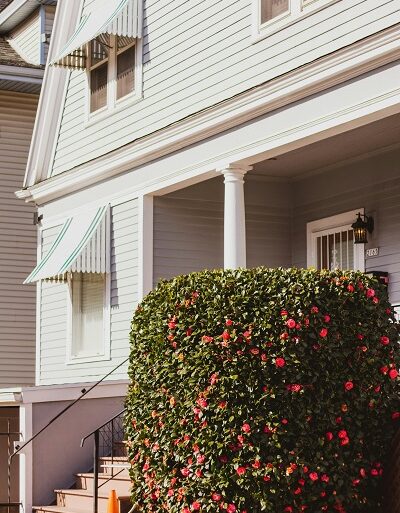
Curb appeal is more than just visual attractiveness; it can also increase the property’s value and create a welcoming atmosphere. Engaging in regular exterior maintenance helps to ensure that your home remains an appealing space while effectively preventing severe issues that can arise from neglect. Homeowners should develop a seasonal checklist that includes gutter cleaning, roof inspections, and exterior painting to promote a well-maintained and inviting residence.
Plumbing Maintenance Basics
Plumbing maintenance is a crucial aspect of home ownership, ensuring that all water-related systems operate smoothly and efficiently. Regular attention to plumbing can prevent costly repairs and extend the lifespan of fixtures and appliances. One of the foundational aspects of plumbing maintenance is to periodically inspect pipes for any signs of wear, corrosion, or leaks. Homeowners should look for damp spots on walls and ceilings, as these can indicate hidden leaks that may require immediate attention.
Additionally, it is vital to check around the joints of pipes and under sinks to catch any moisture. Routine checks of the water meter can also help in identifying leaks; a spike in water usage not accompanied by a change in habits may signal an issue. For outdoor plumbing, especially in colder climates, protecting pipes from freezing during winter months is essential. Insulating exposed pipes and allowing faucets to drip during extremely cold temperatures can mitigate this risk.
Another critical area in plumbing maintenance involves appliances such as water heaters and dishwashers. Homeowners should consult the user manuals for maintenance schedules, including the need for flushing water heaters annually to remove sediment build-up. Dishwashers may also require routine cleaning and maintenance, such as inspecting filters and ensuring that spray arms are free of blockages. If a unit still leaks or stops draining after that, homeowners in Western Australia usually book professional dishwasher repairs Perth technicians can handle before water damages the cabinetry.
Knowing when to call a professional plumber is also an essential skill for homeowners. If plumbing issues escalate beyond basic DIY fixes, it is crucial to consult a licensed plumber. Signs that professional help is needed include persistent leaks, significant water pressure changes, or recurring clogs. By staying proactive with plumbing maintenance, homeowners can not only prevent major issues but also promote a healthy, efficient home plumbing system.
Electrical System Safety Checks
Maintaining the safety and efficiency of your home’s electrical system is essential for both functionality and peace of mind. Regular electrical system safety checks can prevent hazards such as electrical fires and equipment failures. One important aspect of this maintenance is inspecting your circuit breakers. These devices are designed to protect your home from electrical overloads and shorts. It is advisable to check your circuit breakers at least twice a year for signs of wear, such as corrosion or burning smells, and to ensure they are functioning correctly.
Additionally, you should routinely inspect electrical outlets throughout your home. Look for any signs of damage, such as discoloration, cracks, or loose plug connections. Outlets that feel warm to the touch or show other anomalies should be addressed immediately, as these can indicate underlying issues that could lead to significant electrical problems. Depending on the extent of the damage, you may need to replace these outlets to maintain safety and compliance with electrical codes.
Another vital component of electrical system maintenance is assessing the condition of light fixtures and wiring. Over time, light fixtures can accumulate dust and grime, which hinders their effectiveness and can lead to overheating. Regular cleaning and replacing fixtures that are frayed or damaged is crucial. Furthermore, pay attention to the age of your wiring system. If your property has older wiring, it may be time for an upgrade, particularly if you experience frequent tripping of breakers or dimming lights. Modern wiring systems comply with current safety standards and improve energy efficiency.
By conducting these critical inspections regularly, homeowners can ensure that their electrical systems remain safe, functional, and efficient, ultimately safeguarding their homes and loved ones against potential electrical hazards.
HVAC System Care
Proper maintenance of your heating, ventilation, and air conditioning (HVAC) system is essential for ensuring a comfortable home environment and optimizing energy efficiency. Regular care of the HVAC system not only prolongs its lifespan but also contributes to reduced energy bills.
One of the simplest yet crucial tasks homeowners can undertake is to change the air filters regularly. Ideally, filters should be replaced every 1-3 months, depending on the type of filter and frequency of HVAC usage. Dirty filters can obstruct airflow, making the system work harder, which can lead to increased utility costs and potential damage to system components. Therefore, ensuring clean filters supports not just an efficient HVAC operation but also promotes better indoor air quality.
In addition to changing filters, scheduling annual professional inspections is vital. These inspections allow qualified technicians to assess the overall condition of the HVAC system, identifying any potential issues before they escalate into significant problems. During the inspection, professionals can clean key components, check refrigerant levels, and calibrate the thermostat, ensuring optimal performance. Moreover, adhering to this schedule can often be a prerequisite for warranty protection provided by many HVAC manufacturers.
Lastly, homeowners should consider optimizing their system’s energy efficiency. This can include simple actions such as sealing leaks around ducts, adding insulation, or using programmable thermostats to adjust temperatures based on occupancy. By taking these steps, individuals can help to ensure their HVAC system operates more efficiently throughout the year, maintaining comfort while also achieving energy savings. By adhering to these practices, homeowners can ensure their HVAC systems remain reliable and efficient, providing comfort regardless of the season.
Appliance Maintenance Essentials
Maintaining household appliances is crucial for ensuring their efficiency and longevity. Regular maintenance not only extends the lifespan of your appliances but also helps prevent costly repairs in the future. In this section, we will explore essential maintenance practices for key home appliances, including refrigerators, washing machines, and dryers.
Starting with refrigerators, it is advisable to clean the coils located at the back or underneath the unit at least once a year. Dust and debris can accumulate on the coils, causing the appliance to work harder and consume more energy. Additionally, regularly checking the door seals for leaks is important to maintain optimal cooling efficiency. You can do this by closing the door on a piece of paper and checking if it stays secure; if it pulls out easily, the seals may need replacing.
Washing machines also require attention. It is beneficial to clean the detergent drawer periodically to prevent buildup, which can lead to mold and unpleasant odors. Inspecting the rubber door gasket for debris and water buildup can avert leaks and enhance performance. Furthermore, running an empty load with hot water and vinegar every few months can help eliminate detergent residues and maintain cleanliness.
Similarly, dryers demand regular upkeep. Removing lint from the filter after every use is essential to prevent fires and ensure maximum efficiency. Furthermore, inspecting the venting system for obstructions at least once a year can enhance airflow and reduce drying time. A clogged vent not only hampers performance but also poses safety risks.
In summary, integrating these appliance maintenance practices into your routine can significantly improve the functionality and longevity of your household equipment. By taking the time to clean, inspect, and troubleshoot, homeowners can safeguard their investments while ensuring smoother operation of their daily appliances.
Safety and Emergency Preparedness
Ensuring home safety is an essential aspect of home maintenance that every homeowner must prioritize. Regular checks on smoke detectors and carbon monoxide detectors play a crucial role in safeguarding lives and property. It is advisable to test these detectors monthly; if they are powered by batteries, change the batteries at least once a year. If these devices are hardwired, a professional inspection should be scheduled every few years to ensure they remain operational.
In addition to checking detection devices, it is vital to ensure that fire extinguishers are up-to-date. Homeowners should check the expiration date on fire extinguishers once a month. If the extinguishers are rechargeable, arrange for their servicing in accordance with manufacturer recommendations. Additionally, homeowners should familiarize themselves and their family members with the proper use of fire extinguishers to ensure a quick response in case of a fire.
Creating an emergency plan for the household is another essential step in home safety. This plan should clearly outline evacuation routes and meeting points in case of emergencies such as fires, natural disasters, or other unforeseen events. It is beneficial to conduct regular drills to ensure all family members understand the plan and can act quickly during an emergency. Furthermore, maintaining an emergency kit stocked with essential supplies—such as non-perishable food, water, a flashlight, and first aid items—is advisable.
Overall, implementing these basic safety maintenance tips can significantly enhance your home’s safety preparedness. By actively maintaining smoke and carbon monoxide detectors, ensuring fire extinguishers are current, and developing a comprehensive emergency plan, homeowners can foster a safer living environment for themselves and their families.
When to Call in Professionals
Homeownership comes with various responsibilities, including routine maintenance and repairs. While many homeowners are adept at handling basic tasks, it is essential to recognize when a situation exceeds one’s skill set or knowledge. Knowing when to call in professionals not only safeguards the integrity of your home but also ensures your safety and peace of mind.
There are several scenarios where it is prudent to seek professional assistance. For instance, plumbing issues often require specialized skills. If you encounter persistent leaks, clogs, or if you need to install new plumbing systems, it is advisable to engage a licensed plumber. Attempting to resolve intricate plumbing problems without adequate expertise may lead to further complications, exacerbating water damage and incurring higher costs.
Electrical repairs are another area that typically warrants professional intervention. Given the potential hazards associated with electricity, any signs of faulty wiring or malfunctioning outlets should prompt immediate contact with a qualified electrician. This approach reduces the risk of electrical fires and other dangerous situations that can arise from amateur repairs.
Similarly, structural issues such as foundation problems or significant roof repairs should be left to experts. These areas require a comprehensive understanding of engineering principles and safety regulations. Ignoring structural problems can lead to severe consequences, compromising the overall stability of the home.
Additionally, homeowners should also consider hiring professionals for complex landscaping tasks or pest control issues that require specialized treatments. Overall, understanding one’s limitations as a homeowner is crucial. By recognizing when it is best to call in professionals, homeowners can prevent costly damages and ensure that repairs are carried out safely and effectively, preserving the value of their investment.