

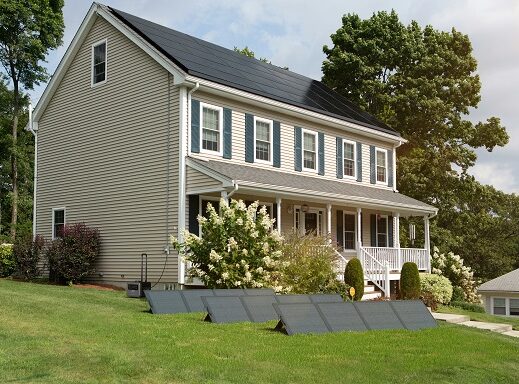
Introduction to Energy-Efficient Homes
Energy-efficient homes are residential buildings designed to minimize energy consumption while maximizing comfort and livability. These homes incorporate a range of technologies and construction practices aimed at reducing energy waste and enhancing sustainability. As the global conversation surrounding climate change and resource conservation grows, the significance of energy-efficient homes becomes increasingly clear, particularly in the context of the environmental and economic challenges we face today. The fundamental principles of energy efficiency in residential buildings revolve around optimizing energy use. This is achieved through various strategies, including high-performance insulation, energy-efficient windows and doors, energy-saving appliances, and the integration of renewable energy sources such as solar panels. By adopting these measures, homeowners can substantially lower their energy bills while simultaneously decreasing their carbon footprint.
Furthermore, energy-efficient homes contribute to improved indoor air quality and comfort. By employing advanced ventilation systems and using non-toxic materials, these homes not only create a healthier living environment but also enhance the well-being of occupants. In addition to the health benefits, energy-efficient homes often have higher market value and attract environmentally conscious buyers, making them an appealing investment.
As energy costs continue to rise, the importance of energy-efficient homes cannot be overstated. They represent a critical shift towards sustainable living, ultimately offering both economic benefits for homeowners and a positive impact on the environment. In the following sections of this blog post, we will delve deeper into the specific advantages of adopting energy-efficient practices in residential construction and home management.
Economic Benefits of Energy Efficiency
Investing in energy-efficient homes can yield significant economic benefits. Homeowners can experience considerable monetary savings primarily through reduced utility bills. Energy-efficient appliances and systems, such as LED lighting, high-efficiency HVAC systems, and Energy Star-rated products, consume less electricity and, in turn, lead to lower utility expenses. Research indicates that families can save hundreds of dollars annually, translating into substantial long-term financial benefits.
In addition to savings on utility bills, energy-efficient homes often qualify for various tax credits and rebates offered by local, state, and federal governments. These incentives serve to encourage the adoption of sustainable practices and can considerably offset the initial investment costs associated with upgrading to energy-efficient systems or materials. Homeowners should investigate available programs that can provide financial relief while fostering energy conservation.
Furthermore, energy-efficient homes generally have a higher market value compared to their less efficient counterparts. Sustainability has become a significant consideration for homebuyers, and those equipped with energy-saving features are often more attractive in the real estate market. As such, investing in energy efficiency is not only financially prudent in the short term, but it is also a strategic move for increasing property value over time.
Finally, energy-efficient homes tend to incur lower maintenance costs. By utilizing sustainable materials that offer durability and require less frequent replacement, homeowners can avoid the ongoing costs often associated with older, less efficient homes. This reduction in maintenance expenses, paired with the other financial advantages, positions energy-efficient homes as a wise investment for those looking to enhance their economic wellbeing.
Environmental Impact of Energy-Efficient Homes
Energy-efficient homes are instrumental in mitigating environmental challenges, substantially reducing the carbon footprints associated with residential living. By utilizing advanced insulation, energy-saving appliances, and renewable energy sources, these homes significantly lower the consumption of fossil fuels, which are primary contributors to greenhouse gas emissions. As a result, energy-efficient homes not only curb an individual’s ecological impact but also contribute to a broader movement aimed at reducing overall emissions within communities.
In addition to lowering carbon footprints, energy-efficient homes play a vital role in the conservation of natural resources, particularly water and energy. Traditional homes often waste a considerable amount of energy through inefficient heating and cooling systems. In contrast, energy-efficient designs prioritize optimization, which leads to reduced energy consumption. This optimization not only conserves energy but also lessens the strain on power plants and the environment at large. When energy is conserved, fewer resources are needed for energy production, resulting in reduced water usage in processes such as cooling and heating.
Furthermore, the increased adoption of energy-efficient practices supports the fight against climate change. As global temperatures rise and natural disasters become more frequent, the urgency to adopt sustainable practices is apparent. Energy-efficient homes help to lower emissions that contribute to climate shifts, thereby promoting a more stable environment. Developing homes with energy-efficient technologies ensures that future generations inherit a healthier planet, preserving ecosystems and biodiversity that are currently at risk.
In summary, the promotion of energy-efficient homes is essential for environmental sustainability. By decreasing carbon emissions, conserving natural resources, and combating climate change, these homes are not just a personal benefit—they represent a vital strategy in addressing some of the most pressing environmental issues of our time.
Improved Indoor Air Quality and Comfort
Energy-efficient homes contribute significantly to enhancing indoor air quality and overall comfort, which are crucial elements for any living space. By incorporating advanced building techniques and materials, these homes facilitate improved ventilation systems that effectively circulate fresh air throughout the dwelling. Proper ventilation not only helps expel stale air but also reduces the concentration of indoor pollutants, allergens, and humidity, thereby creating a healthier living environment.
One of the key benefits of energy efficiency is its ability to minimize the infiltration of external pollutants. High-quality insulation and energy-efficient windows work together to seal the home, reducing the likelihood of contaminants entering from the outside. This is especially beneficial in urban areas where air quality may suffer from traffic and industrial emissions. Improved indoor air quality can lead to enhanced respiratory health, decreased allergy symptoms, and overall better wellness for the occupants.
Moreover, energy-efficient homes maintain more stable indoor temperatures, which contributes to increased comfort. Effective insulation and energy-efficient heating and cooling systems ensure that living spaces remain warm in the winter and cool in the summer without unnecessary energy use. This constant temperature control reduces the stress on heating and cooling units, promoting longevity and further encouraging a more comfortable atmosphere for families.
The health benefits derived from improved indoor air quality are particularly important for families with children, elderly members, or individuals with pre-existing health conditions. By reducing exposure to indoor air pollutants, energy-efficient homes not only foster a safer environment but also support the holistic well-being of their inhabitants. Therefore, investing in energy-efficient residential designs and upgrades can yield tangible dividends in health, comfort, and quality of life.
Increase in Home Value and Marketability
The rise in energy-efficient features within homes has increasingly influenced the real estate market, contributing significantly to the value and marketability of properties. Studies have shown that houses equipped with energy-saving technologies can command higher sale prices compared to traditional homes. For instance, a report from the U.S. Department of Housing and Urban Development indicates that homes with energy-efficient certifications sell for an average of 3% to 5% more than their less efficient counterparts.
Potential buyers are increasingly prioritizing energy efficiency during their home search, reflecting a growing awareness of sustainability and long-term utility savings. Features such as Energy Star-rated appliances, high-efficiency windows, and solar panels not only reduce energy bills but also appeal to buyers who wish to minimize their environmental footprint. According to the National Association of Realtors, homes advertised with energy-efficient features have the potential to attract more interest, leading to quicker sales and often competitive bidding situations.
Furthermore, as energy costs continue to fluctuate, energy-efficient homes offer a financial advantage that buyers cannot overlook. Research conducted by the Appraisal Institute shows that properties recognized for their energy efficiency are more marketable—often reduced time on the market contributes to the perception that these homes are highly desirable investment choices. In fact, homes with high energy efficiency ratings are also viewed as a hedge against future energy costs, making them attractive to savvy investors.
In summary, energy-efficient homes not only contribute positively to the environment but also enhance home value and marketability in a competitive housing landscape. With buyers increasingly recognizing the value of energy efficiencies, sellers who invest in such features can expect rewards in both profits and quicker sales.
Technological Advances in Energy Efficiency
In recent years, the drive for energy efficiency in homes has catalyzed significant technological advancements. These innovations not only aim to reduce energy consumption but also enhance the overall quality of life for residents. Among the forefront of these advancements are smart appliances, which integrate technology to optimize daily energy use. Equipped with sensors and connectivity features, smart appliances can adjust their operational modes based on real-time energy rates, usage patterns, and even availability of renewable energy sources. This ability to automatically regulate functions means reduction in waste and increased efficiency.
Another critical advancement is the widespread adoption of renewable energy sources, particularly solar panels. The declining cost and improved efficiency of photovoltaic technology have made solar energy a viable option for many homeowners. Solar panels convert sunlight into electricity, allowing households to harness a renewable source of energy while decreasing reliance on conventional power grids. Additionally, many solar systems can now be paired with battery storage solutions, enabling homeowners to store excess energy for use during peak demand times, further enhancing their energy independence.
Innovative building materials also play a pivotal role in energy efficiency. Modern materials such as insulated concrete forms, advanced glazing systems, and high-performance insulation products contribute to reducing heating and cooling demands in homes. These materials are designed not only for thermal efficiency but also for sustainability, significantly lowering the carbon footprint of each residential building. Furthermore, the integration of energy-efficient technologies in new builds is leading to homes that are not just structures but sustainable ecosystems, contributing positively to the environment.
Community Benefits of Energy-Efficient Housing
Energy-efficient homes contribute significantly to the well-being of communities, extending benefits beyond individual homeowners to the broader social and economic landscape. One of the primary advantages of promoting energy efficiency is the positive impact on local economies. When homeowners invest in energy-efficient upgrades, such as better insulation, energy-efficient windows, and advanced heating and cooling systems, they often cause a ripple effect. Local contractors and service providers gain business, resulting in job creation and increased demand for skilled labor. This boost in local employment further solidifies the economic framework of the community.
Moreover, energy-efficient housing can enhance community resilience, particularly in the face of climate change and other environmental challenges. Homes that utilize sustainable design principles are better equipped to withstand extreme weather events, reducing the strain on local emergency services and improving safety for all residents. Increased energy efficiency also leads to lower overall energy consumption, which can alleviate pressure on local utility providers. This reduction can subsequently lead to stability in energy prices, benefiting everyone in the community.
In addition to these economic and resilience benefits, energy-efficient homes foster a sense of togetherness among residents. Communities that prioritize sustainability create opportunities for residents to engage in collective actions, such as neighborhood clean-ups, community gardens, or shared renewable energy initiatives. These shared activities build social bonds and encourage neighbors to collaborate on various projects, thus enhancing the social fabric of the area. Ultimately, the promotion of energy-efficient housing invites residents to take part in a collective vision for a sustainable future, leading to stronger community ties and a unified approach towards tackling common challenges.
Barriers to Adopting Energy-Efficient Practices
Transitioning to energy-efficient homes presents several obstacles that homeowners commonly face. One of the primary barriers is the upfront costs associated with implementing energy-efficient solutions. Many homeowners perceive the initial investment required for energy-efficient equipment and renovations—such as advanced insulation, energy-efficient appliances, or solar panels—as prohibitively expensive. This perception can deter individuals from pursuing upgrades, despite the long-term savings these improvements would yield on energy bills and maintenance costs.
Another significant barrier is the lack of awareness or information surrounding energy-efficient practices. Homeowners may not fully understand the benefits that energy efficiency can bring, or they may be unaware of available incentives, such as tax credits or rebates that can alleviate upfront expenses. Educational resources and outreach programs can help bridge this knowledge gap and provide homeowners with the information necessary to make informed decisions regarding energy-efficient upgrades.
Misconceptions about energy savings also contribute to reluctance among homeowners. There is a prevalent belief that energy-efficient technologies are not effective or that achieving significant energy savings is improbable. Some homeowners believe that retrofitting an older home with modern energy-efficient features may not yield substantial benefits, leading to skepticism about the investments. It is essential to address these misconceptions with accurate data and success stories that highlight the effectiveness of energy-efficient measures in diverse settings.
Addressing these barriers requires a concerted effort from various stakeholders, including government entities, community organizations, and environmental groups. By raising awareness, sharing accurate information, and promoting available financial incentives, the transition to energy-efficient homes can be more accessible for homeowners. Ultimately, overcoming these obstacles could lead to a significant increase in energy-efficient practices throughout communities.
Conclusion: The Future of Energy-Efficient Homes
In today’s world, where environmental concerns are paramount, the importance of energy-efficient homes cannot be overstated. Homeowners have a significant role to play in reducing energy consumption and, consequently, greenhouse gas emissions. The discussion on energy efficiency, its benefits, and innovative technologies demonstrates a clear pathway for making residences more sustainable and economically viable.
Key points highlighted throughout this blog post emphasize that energy-efficient homes not only reduce monthly utility expenses but also contribute to a healthier environment by minimizing reliance on fossil fuels. This dual benefit is essential in the context of escalating climate change challenges, as it aids in preserving natural resources for future generations. Moreover, the initial investment in energy-efficient appliances, insulation, and renewable energy sources often yields substantial long-term savings, making these options increasingly attractive for homeowners.
Looking ahead, emerging trends in home energy efficiency suggest a rapidly evolving landscape. The integration of smart home technology, coupled with advancements in renewable energy systems such as solar panels and energy storage solutions, is poised to revolutionize the way homeowners manage energy consumption. As these technologies become more accessible and affordable, the potential for greater adoption increases, paving the way for a significant shift towards widespread energy consciousness among the general populace.
Therefore, homeowners are encouraged to take proactive steps toward making their living spaces more energy-efficient. Whether through simple modifications such as upgrading windows or implementing comprehensive solutions like solar power installations, every action contributes to a broader societal movement towards sustainability. Embracing energy efficiency is not merely a trend; it is an essential responsibility that holds promise for both economic and ecological benefits, steering us towards a more sustainable future.