
Introduction to Smart Home Upgrades
In recent years, smart home upgrades have gained significant traction among homeowners and investors alike. These advancements involve the integration of technology into residential spaces, allowing for enhanced control and automation of various household functions. From smart lighting systems to security cameras and thermostats, these upgrades offer substantial convenience and efficiency that were previously unattainable in traditional homes.
The growing popularity of smart home technology can be attributed to the increasing consumer demand for innovative solutions that simplify daily life. Homeowners now seek features that not only improve their living experience but also enhance their property’s value. As a result, many are investing in smart appliances and systems that streamline operations, ensuring they remain competitive in the ever-evolving real estate market.
The benefits that smart technologies provide are manifold. Home automation allows homeowners to control devices remotely, ensuring that energy consumption is optimized, which can lead to cost savings on utility bills. Furthermore, intelligent systems often promote better security by enabling real-time monitoring and control of access points in the home, thus contributing to greater peace of mind.
Moreover, the integration of smart home upgrades has shown a positive impact on property valuation. Homes equipped with these features are increasingly appealing to potential buyers, who view them as modern and resource-efficient. As buyers become more familiar with smart technologies, they are likely to factor in the presence of such upgrades when determining their willingness to invest in a property. Consequently, homeowners can expect that smart home upgrades will not only enrich their living experience but will also provide a competitive advantage when it comes time to sell their home.
Energy Efficiency: The Key to Value Increase
As modern homebuyers increasingly prioritize sustainability and cost-effectiveness, energy efficiency has become a significant factor influencing property value. Smart home devices play a vital role in enhancing energy efficiency, which can lead to substantial utility savings for homeowners. Implementing these technologies not only aligns with environmentally conscious living but also appeals to buyers looking for properties that contribute to lower long-term costs.
One of the most impactful smart devices is the smart thermostat. These advanced thermostats enable homeowners to control their heating and cooling systems remotely, optimizing usage based on daily routines and preferences. By intelligently adjusting the temperature, smart thermostats can reduce energy consumption, resulting in lower heating and cooling bills. Studies have shown that homes equipped with smart thermostats can reduce energy use by up to 10-12%, making them a valuable addition that enhances property desirability.
Moreover, energy-efficient lighting solutions, such as smart LED bulbs, further contribute to a home’s energy efficiency profile. These bulbs offer significant savings compared to traditional incandescent bulbs, consuming up to 75% less energy. Smart lighting systems can be controlled remotely or scheduled to turn off automatically, ensuring lights are only in use when necessary. This level of control not only reduces energy waste but also provides convenience for homeowners.
Additionally, smart appliances, such as energy-efficient refrigerators and washing machines, are increasingly sought after by potential buyers. These appliances are designed to operate using minimal energy while maintaining peak performance. By showcasing the integration of such smart appliances, homeowners can elevate their property’s market appeal, potentially attracting higher offers.
In summary, investing in smart home devices that enhance energy efficiency is a strategic move that can significantly increase a property’s value. By reducing utility bills and appealing to eco-conscious buyers, these upgrades contribute to a more sustainable living environment while bolstering market competitiveness.
Enhancing Security with Smart Technology
In recent years, the evolution of smart home technology has underscored the critical importance of security as a key component of residential upgrades. Smart security systems, encompassing smart locks, cameras, and alarms, not only bolster the security of a property but also significantly enhance its market appeal. The integration of these advancements provides homeowners with peace of mind, knowing that their property is under continuous surveillance and protection.
Smart locks offer a notable upgrade to traditional locking systems. Featuring keyless entry options and remote access capabilities, these locks allow homeowners to manage their entrance securely, eliminating concerns related to lost keys or unauthorized access. The convenience of granting temporary access to guests or service personnel through mobile applications adds to their desirability. Potential buyers are often attracted to properties equipped with smart locks, recognizing the benefits of enhanced control and security.
Similarly, smart security cameras equipped with high-definition video and motion detection capabilities serve as a proactive approach to property defense. Homeowners can monitor their premises in real time via smartphone apps, helping to deter potential intruders and respond rapidly to unusual activity. The recorded footage can prove invaluable in investigations, further improving the perceived safety of the property.
Moreover, smart alarm systems can be programmed to alert homeowners of any breaches or unusual behavior within and around the premises. These systems can also integrate with local law enforcement, providing an additional layer of security. By showcasing these high-tech security features, homeowners can not only feel safer but can also effectively position their properties as desirable options in a competitive real estate market. Ultimately, the installation of smart security technology is an investment that yields tangible returns, both in security and property value.
Automation and Convenience: Making Life Easier
Home automation has revolutionized the way homeowners interact with their living spaces, offering an array of devices that enhance convenience and comfort. By incorporating technology such as smart speakers, automated blinds, and smart home hubs, homeowners can create a seamless environment that caters to their needs and preferences.
Smart speakers, like Amazon Echo and Google Nest, serve as central hubs for home automation, allowing users to control various devices with voice commands. This hands-free convenience is particularly beneficial for individuals seeking to streamline their daily routines. For instance, a homeowner can easily adjust lighting, play music, or manage their calendar simply by speaking to their smart speaker, thereby reducing the effort required to accomplish everyday tasks.
Automated blinds represent another innovative upgrade, providing both aesthetic appeal and functionality. This technology enables users to program their window treatments to open or close at specified times, helping to control natural light and enhance privacy. Additionally, automated blinds can contribute to energy efficiency by regulating indoor temperatures, thus reducing reliance on heating and cooling systems.
Moreover, a smart home hub acts as the backbone of home automation systems, connecting various devices for coordinated control. With a smart home hub, users can manage multiple devices from a single app or interface, making it simpler to maintain and adjust home settings. This interconnectedness not only increases convenience but also allows for customization based on individual lifestyle preferences.
Overall, the integration of home automation devices brings significant benefits to homeowners, enriching their living experience. By investing in these technologies, property owners not only enhance their comfort but may also improve the overall value of their properties in the competitive real estate market.
The Connection Between Smart Homes and Market Trends
In recent years, the real estate market has witnessed a significant shift towards the incorporation of smart home technologies. These technologies are no longer considered merely innovative extras; rather, they are increasingly viewed as essential features that can elevate a property’s value. According to a National Association of Realtors report, approximately 30% of home buyers expressed a strong desire for smart home capabilities, demonstrating a clear trend towards market acceptance of these advancements.
Data from a 2023 study revealed that homes equipped with smart technologies such as security systems, smart thermostats, and automated lighting sold for an average of 5-10% more compared to similar properties without these features. The growing preference for energy-efficient and technologically advanced living spaces resonates particularly with younger generations, who are entering the housing market with increased expectations for modernity and sustainability.
Experts argue that the shift towards smart homes is not merely a fad; rather, it reflects broader societal changes. As more individuals seek to adopt sustainable practices, smart technology facilitates energy conservation, thereby enhancing the overall appeal of properties that incorporate such features. Additionally, a survey conducted by HomeAdvisor found that nearly 70% of potential homebuyers are willing to pay extra for smart home installations, further solidifying their role in influencing property values.
Case studies exemplifying this trend abound. For instance, a recent property in an urban area integrated a comprehensive smart home system, resulting in a sale price exceeding market expectations by approximately 15%. Such cases illustrate that while the upfront investment for smart technologies may be significant, the long-term benefits manifest in increased property value and marketability.
Overall, the connection between smart homes and market trends signifies a paradigm shift within the real estate sector that prioritizes technological sophistication and sustainability as key determinants of property value.
Smart Home Upgrades for Different Budgets
In the realm of smart home technology, there are numerous upgrades that can enhance your property while accommodating various financial plans. This section categorizes these upgrades into three distinct segments: affordable options, mid-range investments, and high-end technologies. Each category presents a selection of smart home features that not only improve convenience but also contribute positively to property value.
Affordable Options
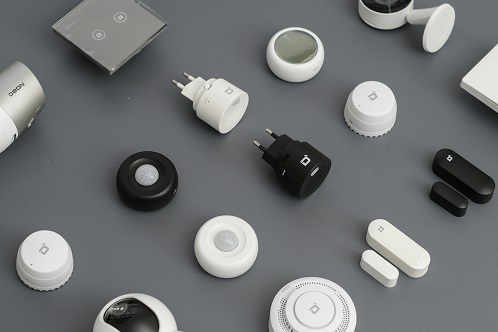
For those on a limited budget, several smart home upgrades are both accessible and beneficial. Basic smart devices like smart bulbs, smart plugs, and smart thermostats can be easily installed and often do not require extensive wiring. These devices allow homeowners to control energy usage and provide automated lighting solutions, leading to a more energy-efficient home. Investing in smart security cameras and doorbells can also be feasible without significant upfront costs, enhancing the safety features of your property.
Mid-Range Investments
For those willing to spend a bit more, mid-range smart home upgrades can yield substantial returns. Smart home hubs, which connect various devices into one cohesive system, offer added convenience and control. Additionally, smart smoke detectors and advanced home security systems can provide both safety and peace of mind. The integration of smart entertainment systems, such as streaming devices or smart TVs that offer voice command features, can also boost the appeal of your living space.
High-End Technology
Finally, for those pursuing top-tier upgrades, high-end smart home systems provide an unparalleled living experience. Whole-home automation systems unify lighting, climate, entertainment, and security into an integrated setup. Smart appliances, such as refrigerators and ovens that offer connectivity, can add significant value to the property. Investing in advanced energy management systems also appeals to eco-conscious buyers, making your home not only smart but environmentally friendly.
Each tier of smart upgrades caters to different financial capabilities, yet all aim to increase the overall value of your property in today’s tech-driven market.
Choosing the Right Smart Technology for Your Home
As homeowners consider smart home upgrades, selecting the appropriate technology becomes crucial to enhancing both personal comfort and potential property value. The decision to invest in smart technology should be guided by personal lifestyle needs, ease of use, and the capability of the technology to integrate seamlessly with existing systems. To begin, homeowners should assess their specific requirements. For instance, families may prioritize smart security systems that include surveillance cameras, motion detectors, or smart locks for enhanced safety. On the other hand, tech-savvy individuals might seek devices such as smart speakers and intelligent thermostats that improve energy efficiency and offer convenience through voice control.
Next, consider the compatibility of smart devices with one another. A cohesive smart home environment is important; choosing technology that is compatible with existing platforms can minimize frustration during setup and maximize functionality. Opting for devices that can be easily controlled through a single application or ecosystem—such as those compatible with Google Home or Amazon Alexa—ensures a more streamlined user experience. Furthermore, prioritize energy-efficient smart devices, as they not only help reduce utility bills but also enhance the overall appeal of the property.
Another essential factor is the potential for property value increase. Smart home technology that appeals to a wide audience, such as smart lighting systems or advanced climate control, is likely to attract future buyers. Homeowners should remain informed about emerging trends in smart technology and consider upgrades that provide longevity and reliability. By choosing the right smart home upgrades, individuals can ensure that their investment contributes positively to their lifestyle while simultaneously enhancing the resale potential of their property.
Maintaining Smart Technology and Home Value
The integration of smart technology into homes has become increasingly popular, not just for convenience, but also for its potential to enhance property value. However, the benefits of such upgrades can quickly diminish without proper maintenance. Regular upkeep of smart home devices is essential to ensure they function efficiently and reliably, which, in turn, supports the overall value of your home.
To maintain smart devices effectively, it is advisable to establish a routine schedule for checking their functionality. This includes testing devices to ensure they are responding accurately to commands and functioning as intended. For instance, smart thermostats should be recalibrated periodically to maintain accuracy, and sensors should be checked to confirm they are properly detecting motion or temperature changes.
Software updates play a crucial role in maintaining the longevity of smart home technology. Manufacturers frequently release updates to improve device performance, enhance security features, and add new functionalities. To ensure your devices remain up-to-date, regularly check for available updates and install them promptly. This practice not only helps in maintaining device efficiency but also safeguards your home from potential security vulnerabilities.
In addition to maintenance and software updates, troubleshooting common issues is an important aspect of smart home upkeep. Familiarizing oneself with basic troubleshooting techniques can save time and prevent minor problems from escalating. For instance, if a smart light bulb is not responding, checking the power source or the network connectivity can resolve the issue quickly.
In conclusion, maintaining smart technology is a pivotal step in safeguarding not only the functionality of devices but also in preserving and potentially increasing property value. By staying proactive with regular maintenance, timely updates, and troubleshooting, homeowners can ensure their smart devices continue to contribute positively to their home environment and overall marketability.
Conclusion: The Future of Smart Homes and Property Value
As the landscape of technology continues to evolve, smart home upgrades are becoming essential for homeowners seeking to enhance the value of their properties. The integration of smart technology is not merely a trend; it represents a significant shift in how we interact with our living spaces. Features such as smart thermostats, security systems, and lighting control do not only contribute to convenience but also support energy efficiency, thereby appealing to environmentally conscious buyers.
The demand for properties equipped with smart home technology is expected to grow in the coming years. This change is driven by a generation of homebuyers who prioritize modern amenities and are willing to pay a premium for homes that are technologically advanced. As these technologies become more accessible and affordable, homeowners are encouraged to invest in upgrades that will not only improve their daily life experience but also potentially elevate their home’s market value.
Moreover, advancements in integration and interoperability among smart devices can further enhance the overall appeal of a property. With more comprehensive automation systems, homeowners can experience a seamless connection among various devices, thus driving the trend towards smart living environments. As remote work becomes more prevalent and the notion of home evolves, the adaptable nature of smart homes will likely play a crucial role in meeting the changing needs of homeowners.
In conclusion, as we look toward the future, the importance of smart home upgrades in promoting property value cannot be overstated. Investing in smart technologies can lead not only to a more comfortable and efficient lifestyle but also to a significant financial return when it comes time to sell. Homeowners should recognize the value that these upgrades can bring and consider them as an essential aspect of contemporary property investment strategies.