

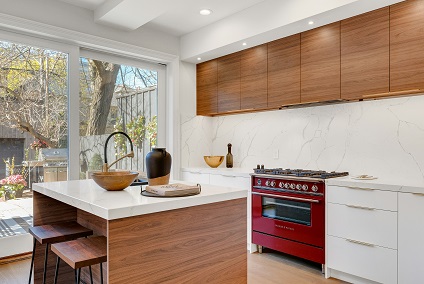
Introduction to Kitchen Remodeling
Kitchen remodeling is a significant home improvement project that can greatly enhance the overall functionality, aesthetics, and value of a residence. As one of the most frequented areas in a home, the kitchen serves not only as a place for meal preparation but also as a central hub for family gatherings and entertaining guests. Therefore, investing in a remodel can lead to improved efficiency, better organization, and an elevated ambiance that reflects personal style. Updating a kitchen can address a variety of needs, such as increasing storage capacity, incorporating modern appliances, or enhancing the layout for more effective workflows. Upgraded kitchens often incorporate features such as islands, which provide additional workspace and seating, allowing them to adapt to multiple purposes, from casual dining to socializing during gatherings.
Moreover, aesthetics play a crucial role in a successful kitchen remodel. The choice of materials, colors, and finishes can dramatically impact the overall feel of the space. Selecting high-quality cabinetry, stylish countertops, and appropriate lighting can create an inviting environment that family and friends will appreciate. A well-designed kitchen can also inspire creativity in cooking and entertain friends and family with ease.
Furthermore, kitchen remodeling projects can significantly increase different aspects of value for homeowners. Not only does a modern kitchen enhance everyday functionality, but it also contributes to higher resale values in the competitive real estate market. Potential buyers are often drawn to homes with updated kitchens, seeing them as indicators of overall home maintenance and care.
In conclusion, the importance of kitchen remodeling cannot be overstated. It is an opportunity to improve the quality of home life while making a strategic investment that can yield substantial returns.
Identifying Your Goals and Budget
Undertaking a kitchen remodel requires careful consideration of your personal goals. You may seek to enhance the aesthetic appeal of your space, improve functionality, or implement a combination of both. To start, reflect on your lifestyle and culinary habits. Are you an avid cook requiring ample counter space and a layout conducive to meal preparation? Alternatively, do you envision a modern, stylish kitchen perfect for entertaining guests? Identifying these primary motivations will help tailor your design approach to align with your vision and preferences.
Once you have outlined your goals, it’s crucial to establish a realistic budget that reflects your aspirations and the potential value added to your home. Take stock of your financial situation and determine how much you can comfortably allocate to the remodel. Consider engaging with a reputable contractor who can provide insights into the average costs of materials and labor in your area. This information will help you make informed decisions regarding which aspects of the kitchen remodel to prioritize.
Another essential aspect involves understanding the different elements of kitchen renovations that can impact costs. For example, custom cabinetry, high-end appliances, and backsplash materials often command higher prices than their standard counterparts. Therefore, embracing a mix of investments might be beneficial. Allocate funds to features that resonate with your personal goals while finding cost-effective alternatives for others. Thoughtful planning not only enhances the aesthetics and functionality of your kitchen but also maximizes the overall value of your home. In summary, establishing clear goals and an aligned budget is fundamental to the success of your kitchen remodeling project.
Maximizing Space with Smart Layouts
When it comes to kitchen remodeling, an essential aspect to consider is the layout. Efficient layouts can significantly enhance the usability of the kitchen and, in turn, increase the overall value of the home. One of the fundamental design principles is the ‘kitchen work triangle.’ This involves positioning the three primary elements—the sink, stove, and refrigerator—in a triangular formation to facilitate easy movement during meal preparation.
In addition to the work triangle, adopting an open concept layout is another effective strategy. Open concepts not only provide a sense of spaciousness but also encourage interaction among family and guests. By eliminating unnecessary walls, kitchens can become more integrated with dining and living areas, thereby creating a more sociable environment. This shift towards an open layout can make a kitchen feel more connected to the rest of the home, enhancing the overall flow and appeal.
Another aspect of maximizing space is incorporating innovative storage solutions. Utilizing vertical space with tall cabinets or open shelving can help keep countertops clear and maintain an organized environment. Customizable storage options, such as pull-out drawers and corner units, can also make the most out of available square footage. These solutions not only improve the functionality of the kitchen but also contribute to its aesthetic appeal.
The key takeaway is that a well-planned kitchen design, characterized by smart layouts, will enhance both usability and the potential resale value of the home. By carefully considering elements like the kitchen work triangle, open concepts, and practical storage solutions, homeowners can create a space that meets their needs while appealing to future buyers.
Choosing High-Quality Materials
When embarking on a kitchen remodeling project, the selection of materials plays a pivotal role in determining the overall impact and longevity of your renovation. High-quality materials not only enhance the visual appeal of the kitchen but also contribute to its functionality, durability, and resale value. A well-chosen combination of countertops, cabinets, and flooring can create an inviting and sophisticated atmosphere.
When considering countertops, options such as granite, quartz, and marble are popular for their durability and aesthetic qualities. Granite, for instance, is resistant to scratches and heat, while quartz offers a non-porous surface that inhibits bacteria and stains. Choosing materials with high tensile strength will ensure that the kitchen withstands daily wear and tear, thereby providing long-term value.
Cabinetry is another crucial element in kitchen remodeling. Selecting hardwood or premium-grade plywood for cabinet construction can significantly elevate the kitchen’s style and resilience. These materials tend not only to withstand changes in temperature and humidity but also to remain visually appealing over time. Additionally, opting for high-quality finishes can enhance the overall look of the kitchen, providing a luxurious finish that can impress potential buyers.
Flooring in the kitchen should also be durable while ensuring ease of maintenance. Options such as porcelain tiles, hardwood, and luxury vinyl planks can offer both durability and aesthetic appeal. Porcelain tiles, for example, are highly resistant to moisture and stains, making them ideal for the kitchen. On the other hand, hardwood provides warmth and elegance, though it may require more maintenance to keep it in pristine condition.
Ultimately, the key to a successful kitchen remodeling project lies in the thoughtful selection of high-quality materials. By prioritizing durability and aesthetics, homeowners can achieve a beautifully crafted kitchen that not only meets their needs but also enhances the property’s overall value.
Incorporating Energy-Efficient Appliances
In modern kitchen remodeling, one of the most impactful decisions homeowners can make is the selection of energy-efficient appliances. These appliances are not only designed to reduce energy consumption but can also significantly lower utility bills over time. For instance, appliances bearing the Energy Star certification are tested and verified to use less electricity and water than their conventional counterparts. This can result in annual savings that accumulate over the lifespan of the appliance, making them a financially savvy choice.
Furthermore, incorporating energy-efficient appliances can enhance the overall appeal of a kitchen. Many homebuyers today prioritize sustainability and environmental responsibility, and they are more inclined to invest in properties that feature eco-friendly amenities. Therefore, equipping a kitchen with energy-efficient dishwashers, refrigerators, and ovens can dramatically increase its market value. Not only do these appliances offer exceptional functionality, but they are also often seen as a commitment to environmental stewardship, making a strong impression on potential buyers.
Additionally, many energy-efficient models come packed with advanced technology that enhances user convenience, such as smart connectivity, which allows users to monitor and control their energy usage remotely. This blend of functionality and sustainability makes energy-efficient appliances a desirable choice for modern kitchens. In essence, by upgrading to energy-efficient options, homeowners not only position themselves as environmentally conscious but also potentially realize a significant return on investment through increased home value and lower operational costs.
Trendy Color Schemes and Finishes
In recent years, the kitchen has evolved into a centerpiece of modern homes, making its aesthetic appeal critical. One efficient way to elevate your kitchen’s overall look is through current color trends and finishes. This not only enhances the visual impact but can also increase your home’s value. The psychology of color plays a significant role in this transformation. For instance, warm colors like red and orange can stimulate appetite, while cool shades such as blues and greens create a calming environment. Thus, selecting the right palette is essential.
Certain color schemes, such as bold jewel tones or soft pastels, are gaining popularity. Jewel tones, in particular, offer rich depth and luxurious feel, especially when used on cabinetry or accent walls. By pairing complementary colors, such as deep emerald with brass accents, homeowners can achieve a sophisticated yet inviting atmosphere. Alternatively, pastel colors provide a fresh and airy vibe, appealing to those who prefer a lighter ambiance. Incorporating white or cream elements can balance stronger hues, giving the kitchen an uplifting and spacious feel.
Moreover, cabinetry finishes are another crucial aspect of the kitchen’s aesthetic. Current trends favor matte and textured finishes over glossy ones, as they provide a modern and understated elegance. Matte black cabinetry, for instance, paired with white countertops, not only creates a striking contrast but also offers a minimalist appeal that fits various design styles. Blending these finishes with different materials, such as wood or metal, can add character and depth. Visual appeal is further enhanced through the careful selection of hardware, which should complement the overall design while providing functionality.
Upgrading Lighting for Ambiance and Functionality
Effective kitchen lighting is essential not only for aesthetic appeal but also for enhancing the functionality of this critical space in the home. A well-designed lighting scheme encompasses multiple layers, including task, ambient, and accent lighting, each playing a pivotal role in creating the perfect environment for cooking and socializing.
Task lighting is integral to the kitchen, ensuring that specific work areas, such as countertops, islands, and stovetops, are brightly illuminated. Specialized fixtures like under-cabinet lights or pendant lights can serve to highlight these areas, providing necessary visibility for meal preparation and cooking. This clarity is crucial for safety and efficiency, allowing home cooks to maneuver confidently in their kitchen.
Incorporating ambient lighting establishes a comforting atmosphere. Ceiling-mounted fixtures, recessed lighting, or chandeliers can broadly brighten the kitchen area, filling the space with a warm glow that encourages interaction and relaxation. The use of dimmers can also contribute to versatility, enabling homeowners to adjust the intensity of light based on the time of day or occasion, further enhancing the kitchen’s ambiance.
Accent lighting, on the other hand, is employed to draw attention to various decorative features within the kitchen, such as artwork, architectural details, or backsplash elements. This form of lighting promotes visual interest and adds character, creating an inviting and engaging environment. By highlighting these design elements, homeowners can evoke a sophisticated and customized feel to their kitchen.
Ultimately, a well-planned combination of task, ambient, and accent lighting not only caters to functional needs but also elevates the overall aesthetic of the kitchen. Investing in quality lighting solutions can significantly enhance both the usability and atmosphere of this vital space, proving beneficial for both daily activities and social gatherings.
Adding Useful Kitchen Features
In the realm of kitchen remodeling, incorporating useful features can significantly enhance both the functionality and appeal of this vital space in the home. Features such as kitchen islands, breakfast nooks, and built-in gadgets not only streamline the cooking and entertaining processes but also play a crucial role in attracting potential buyers. A well-designed kitchen can serve as a vibrant center of the home, where family gatherings and casual dining can flourish.
One of the most versatile additions is the kitchen island. It serves multiple purposes, providing extra counter space for food preparation, a gathering place for family and friends, and additional storage options. Furthermore, kitchen islands can be configured with appliances like sinks or cooktops, which increases their functionality. By integrating seating areas around the island, one can create an informal dining space, making it an inviting spot for social interaction.
Another valuable feature to consider is a breakfast nook. This cozy corner can transform an ordinary kitchen into a charming dining area where morning meals become a special occasion. The inclusion of built-in benches or custom seating can maximize space while enhancing the aesthetics of the kitchen. Natural light can further enrich this space, drawing attention to its comforting nature.
In addition, the integration of built-in gadgets—such as wall ovens, professional-grade cooktops, or efficient dishwashers—can elevate the kitchen’s functionality. These features not only streamline culinary tasks but also add a touch of luxury that appeals to discerning buyers.
In summary, incorporating practical kitchen features not only improves everyday cooking and dining experiences but also significantly boosts the overall value of the home. Thoughtful design choices, like kitchen islands, breakfast nooks, and built-in gadgets, set the foundation for a modern kitchen that combines efficiency with style, making it a desirable space for potential buyers.
Conclusion: Planning Your Kitchen Remodel
As we conclude our exploration of kitchen remodeling ideas that enhance value, it is essential to emphasize the importance of careful planning. A kitchen remodel can significantly impact not only the aesthetic appeal of your home but also its market value. The insights shared throughout this post provide a foundation for homeowners aiming to maximize their investment while achieving a functional and attractive space.
Homeowners should begin by assessing their current kitchen layout and identifying areas that require updates or enhancements. Investing in high-quality materials and finishes can yield substantial returns when the property is evaluated for resale. Furthermore, integrating modern appliances and energy-efficient solutions not only enhances the kitchen’s functionality but also attracts potential buyers.
Another aspect to consider is the overall design cohesion with the rest of the home. A well-planned kitchen remodel that harmonizes with existing spaces can heighten the appeal and result in a seamless transition throughout the property. It is advisable to incorporate timeless features and styles that ensure longevity rather than following fleeting trends.
In light of these considerations, approaching a kitchen remodel as an investment rather than merely a personal project will prove advantageous. By ensuring that the remodeling process considers both current needs and future resale value, homeowners can create a beautiful space that serves their lifestyle today while positioning them favorably for the market tomorrow.
In summary, careful planning and thoughtful execution can transform your kitchen into an inviting and valuable asset within your home. By embracing the ideas presented in this blog post, you can embark on a kitchen remodel that not only fulfills aesthetic desires but also significantly increases the overall value of your residence.