

Introduction to Wearable Technology
Wearable technology refers to electronic devices that are designed to be worn on the body, seamlessly integrating into users’ daily lives. These gadgets have evolved significantly from their inception, transitioning from simple fitness trackers to sophisticated devices capable of monitoring comprehensive health metrics and enhancing overall quality of life. Historically, wearable technology began with basic concepts such as calculators worn on the wrist, but has rapidly advanced in functionality and complexity.
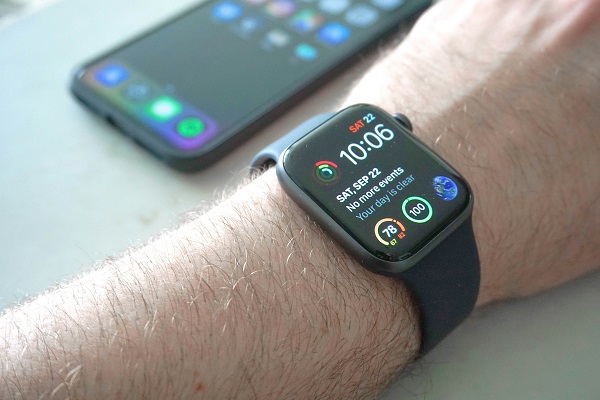
Today, the landscape of wearable tech is diverse and expanding at an unprecedented rate. Common types of wearable technology include smartwatches, fitness trackers, smart clothing, and augmented reality glasses. Smartwatches like the Apple Watch and Samsung Galaxy Watch serve multiple purposes, from tracking health statistics to managing notifications and facilitating communication. Fitness trackers, such as those from Fitbit and Garmin, focus primarily on monitoring physical activity and health parameters, providing users with insights into their fitness levels and encouraging healthier lifestyles.
Moreover, smart clothing integrates sensors directly into garments, allowing for continuous monitoring of health metrics in a less intrusive manner. Augmented reality glasses, while still in their developmental stage, offer unique possibilities for interactive experiences and real-time data visualization. The variety of wearable devices available today not only caters to different preferences and needs but also highlights a growing trend towards personalization and user-centric design in technology.
As we look toward the future, wearable technology is poised to become even more sophisticated. With advancements in artificial intelligence, machine learning, and connectivity, future devices are likely to provide deeper insights into user behavior, further merging technology with everyday life. This introductory overview underscores the significance of wearable technology as a critical component in the ever-evolving tech landscape.
Current Trends in Wearable Technology
The landscape of wearable technology is continuously evolving, driven by emerging trends that reflect consumer preferences and technological advancements. One of the most significant trends is the focus on fitness tracking, which has gained immense popularity in recent years. Wearable fitness trackers empower users to monitor their physical activity, heart rate, sleep patterns, and overall health metrics, allowing for more informed lifestyle choices. Many individuals are now integrating these devices into their daily routines, which has led to an increased demand for more sophisticated health monitoring features.
Moreover, health monitoring capabilities have expanded beyond simple fitness tracking. Modern wearable devices now include advanced features such as blood oxygen level measurement, ECG monitoring, and stress level assessment. As health-conscious consumers seek out these functionalities, the wearable technology sector is responding by introducing devices that cater to specific health needs and enhance well-being.
Another notable trend is the incorporation of augmented reality (AR) within wearable devices. AR technology enhances the user experience by overlaying digital information onto the real world, providing innovative applications in various fields such as gaming, education, and professional training. Smart glasses and heads-up displays are at the forefront of this trend, showcasing the potential for users to interact with their environments in personalized ways.
Additionally, the rise of smart clothing represents a fascinating niche in the wearable technology market. This apparel integrates sensors and connectivity into everyday clothing, providing users with continuous health insights and performance metrics without compromising comfort or style. The merging of fashion and technology caters to a growing consumer interest in versatile and aesthetically pleasing wearables.
In summary, the wearable technology landscape is shaped by ongoing trends in fitness tracking, health monitoring, augmented reality, and innovative smart clothing, each reflecting a broader market demand for functionality paired with style. As these trends advance, the industry will continue to innovate and adapt to meet consumer expectations.
Advancements in Health Monitoring
The evolution of wearable technology has made significant strides in the realm of healthcare, particularly in health monitoring. One of the most notable breakthroughs is continuous glucose monitoring (CGM), which enables individuals with diabetes to track their glucose levels in real-time. This technology not only provides immediate feedback but also allows for better management of insulin dosages, thereby reducing the risk of complications. Wearable devices equipped with CGM enhance patient autonomy and empower users to make informed decisions about their health.
Another substantial advancement is the measurement of heart rate variability (HRV), which is a valuable indicator of overall cardiovascular health and emotional wellbeing. Wearable devices integrated with HRV monitoring capabilities provide insights that can help assess stress levels and guide users toward adopting healthier lifestyle choices. By delivering personalized health data, these wearables encourage proactive health management, which is crucial for preventing potential health issues.
The integration of artificial intelligence (AI) and machine learning algorithms into wearable technology represents a turning point in health monitoring. These intelligent systems can analyze vast amounts of data collected by wearable devices, revealing patterns that were previously undetectable. For instance, AI can predict health risks based on an individual’s data trends and provide tailored recommendations to improve their health outcomes. This level of personalization leads to more effective preventative care strategies and enhances patient monitoring.
Furthermore, advancements in these technologies not only facilitate better patient care but also enable healthcare providers to maintain continuous oversight of their patients’ health. Data collected from wearables can be shared with healthcare professionals, ensuring that interventions are timely and effective. Overall, the integration of wearable technology in health monitoring is no longer a futuristic concept; it is now a fundamental aspect of modern healthcare, significantly improving the quality and accessibility of health management for countless individuals.
Artificial Intelligence and Wearables
The integration of artificial intelligence (AI) within wearable technology is reshaping the landscape of personal devices, providing users with unprecedented levels of customization and predictive capabilities. AI algorithms enhance wearables by analyzing vast amounts of data collected from sensors, leading to the generation of personalized recommendations based on users’ habits, health metrics, and preferences. This application of AI not only improves the functionality of devices but also enriches the overall user experience, making wearables more than mere tools; they become essential companions in daily life.
One of the critical benefits of incorporating AI into wearables is predictive analytics, which can foresee trends and potential health issues by interpreting data patterns over time. For instance, fitness trackers equipped with AI can identify when an individual is at risk of becoming inactive or can suggest optimal workout routines tailored to one’s fitness objectives. Similarly, smartwatches can monitor heart rates and alert users to any irregularities that may indicate health risks, enabling proactive management of well-being.
However, the rise of AI in wearables does not come without ethical considerations. As wearables collect sensitive data concerning users’ physical health and behavior, issues surrounding privacy and data security arise. The potential for misuse of personal information necessitates a careful approach to the implementation of AI technologies. Companies must prioritize transparent data handling practices and ensure that users have control over their information. Moreover, the reliance on AI to make health-related recommendations prompts a conversation about accountability; determining who is responsible for the consequences of AI-generated suggestions is vital in addressing ethical dilemmas.
As technological advancements continue, the synergy between artificial intelligence and wearables will undoubtedly deepen, enhancing user experience while highlighting important ethical considerations that must be addressed to foster trust in these innovative devices.
The Role of Connectivity and IoT
The advancement of wearable technology is deeply intertwined with the connectivity capabilities provided by the Internet of Things (IoT). Wearable devices, such as smartwatches, fitness trackers, and health monitors, rely on an efficient and robust connection to other smart devices to fulfill their potential. Connectivity enables these wearables to communicate seamlessly with smartphones, cloud-based applications, and various networks, facilitating the real-time transfer of data.
As the popularity of IoT continues to escalate, the role of connectivity in wearable technology becomes increasingly critical. IoT provides an interconnected framework that allows different devices to share information, thus enhancing user experience and functionality. For instance, a smartwatch can collect health data and immediately send it to a smartphone application for further analysis. This interoperability ensures that users can monitor their health metrics effectively and receive timely updates.
Furthermore, the evolution of connected ecosystems is paving the way for more integrated solutions. Smart homes are becoming commonplace, where wearable devices can interact with other IoT-enabled gadgets to streamline everyday tasks. A user could receive alerts from their fitness tracker, which indicates a lack of physical activity, prompting the smart home assistant to suggest a motivational workout playlist or even adjust the home environment to encourage movement.
As technology advances, the potential for wearable devices to become central parts of larger connected systems in various fields, from healthcare to fitness and beyond, grows exponentially. This interconnectedness fosters innovation, prompting developers to create more sophisticated wearables that can further leverage data from diverse sources. The role of connectivity, driven by IoT, is undoubtedly a cornerstone in shaping the future trajectory of wearable technology.
Design Innovations in Wearable Tech
As the realm of wearable technology evolves, the design innovations emerging within this field are pivotal to its acceptance and functionality. Modern wearables no longer adhere strictly to utilitarian designs; instead, they increasingly emphasize aesthetics, blending seamlessly into users’ everyday lives. Fashion-forward designs are crucial, as consumers seek devices that not only perform well but also complement their personal style.
User-centered interfaces are another key consideration in the design of wearable technology. With the shift towards more interactive and intuitive devices, developers are focusing on creating interfaces that enhance user experience. This shift towards usability means that complex functionalities must be accessible through straightforward navigation. Gesture recognition, voice-activated commands, and haptic feedback are examples of cutting-edge innovations that make wearables more user-friendly.
Moreover, integrating wearables into everyday apparel signifies a major trend in the future of this technology. Designers are now envisioning clothing that incorporates sensors and electronics without compromising aesthetic appeal. This integration presents a unique challenge: to ensure that wearables are not only functional but also comfortable and stylish. As a result, materials that prioritize both durability and flexibility are being utilized, allowing technology to move away from bulky fitness trackers towards more sleek and modern designs.
Overall, the evolution of design in wearable technology is undoubtedly influenced by consumer expectations. As technology becomes more ubiquitous, the demand for devices that align with an individual’s lifestyle and preferences grows. Therefore, a balance between innovation and comfort will be essential for manufacturers aiming for wider acceptance in the wearables market.
Challenges Facing Wearable Technology
The evolution of wearable technology has significantly influenced various sectors, from healthcare to fitness, yet it encounters several challenges that could hinder its growth and acceptance. One primary concern in the industry is privacy. Since wearable devices often collect sensitive personal data, including health metrics and location information, users may hesitate to adopt them due to fears of data breaches and unauthorized access. Hence, developers need to adequately address these privacy issues through robust encryption methods and transparent data usage policies to build consumer trust.
Another critical challenge is battery life. Many wearable devices need frequent recharging, which can become a cumbersome task for users. As these gadgets become more sophisticated and feature-rich, they often consume more power, leading to shorter operational durations on a single charge. Technological advances in battery technology, such as the development of higher capacity batteries and energy-efficient chipsets, are essential. Manufacturers must prioritize enhancing battery performance to improve user experience and reduce the inconvenience of recharging.
Moreover, the wearable technology landscape requires clear and effective regulatory frameworks to govern its use. Currently, there is a lack of uniform regulations concerning data protection, safety standards, and user rights, which could impede innovation in the sector. Establishing comprehensive regulations would not only protect consumers but also encourage developers to innovate confidently, knowing that they comply with legal standards. Addressing these challenges will be crucial for the future of wearable technology, ensuring it thrives in a way that meets user expectations while promoting trust and reliability in its use.
The Future of Wearable Technology
The future of wearable technology holds tremendous promise, with innovations projected to transform how we interact with devices and the world around us. One of the most significant advancements anticipated is the rise of smart implants. These biocompatible devices can be seamlessly integrated into the human body, offering continuous health monitoring and data collection, absent of external constraints. As research continues into the development of these implants, we can expect a plethora of applications ranging from chronic condition management to enhancing human performance.
Alongside smart implants, advanced customizable sensors are becoming increasingly prevalent in wearables. These sensors can be fine-tuned to address individual requirements and preferences, leading to improved user experiences. For instance, personalized fitness trackers equipped with these sensors may deliver tailored insights and feedback based on real-time data, fostering more effective health and wellness routines. As technology progresses, we may also observe the integration of artificial intelligence within these devices, allowing for predictive analytics and tailored suggestions that adapt to user behavior and needs.
The advent of 5G technology is set to further revolutionize the wearable tech landscape. With its unprecedented data transmission speeds and low latency, 5G opens new avenues for augmented reality (AR) and virtual reality (VR) applications within wearables. Imagine a seamless integration of AR glasses that provide real-time information overlay in varied contexts, or VR headsets that allow for immersive experiences in training and education. Moreover, the transition to 5G will likely enable wearable devices to communicate with other smart devices in a more integrated manner, enhancing overall system functionality and user convenience.
In conclusion, the future of wearable technology appears to be a landscape rich with possibilities. As smart implants, advanced sensors, and 5G technology converge, they promise to redefine our interactions with technology and significantly enhance our daily lives.
Conclusion and Call to Action
In examining the evolution and future of wearable technology, it becomes evident that these devices have transcended their initial functions, offering profound implications for health, communication, and lifestyle. From fitness trackers monitoring physical activity to smartwatches integrating comprehensive health metrics, wearable technology exemplifies remarkable innovation.
As we highlighted throughout this blog post, the integration of wearable technologies is poised to enhance connectivity and user experience. Their capacity to collect real-time data empowers individuals to make informed decisions about their health and fitness, fostering a proactive approach to personal well-being. Additionally, advancements in design and functionality ensure that these devices are not only practical but also seamlessly fit into daily routines.
As wearable technology continues to evolve, it is crucial to stay informed about emerging trends and developments that may impact individual lifestyles. Engaging with these technologies could significantly improve one’s ability to monitor health metrics, maintain physical fitness, and enhance overall productivity. Therefore, it is vital to explore options available in the marketplace, find a device that meets personal needs, and consider incorporating it into daily life.
Readers are encouraged to keep abreast of the latest innovations within the wearable technology sector, as the implications for future applications are vast. Whether for personal health management or enhancing everyday experiences, wearables are increasingly becoming an integral part of our lives. By embracing these advancements, one can actively participate in the transformation that wearable technology is bringing to society.