
Introduction to Smart Devices
Smart home devices represent a significant evolution in household technology, seamlessly integrating into daily life to enhance convenience, efficiency, and comfort. These devices incorporate advanced connectivity features, allowing users to control and automate various functions through smartphones or dedicated applications. As technology has progressed, smart devices have transcended their initial applications, evolving from simply programmable digital gadgets to highly sophisticated tools that can intuitively respond to user preferences and environmental changes. The primary features of smart devices include internet connectivity, automation, remote control capabilities, and data gathering. This technology allows homeowners to monitor and manage their devices from virtually anywhere. For instance, smart thermostats can learn user behavior to optimize heating and cooling based on individual schedules, ultimately contributing to energy conservation. Similarly, smart lighting systems can be programmed to adjust based on time of day or occupancy, providing comfort and security while reducing energy expenditure.
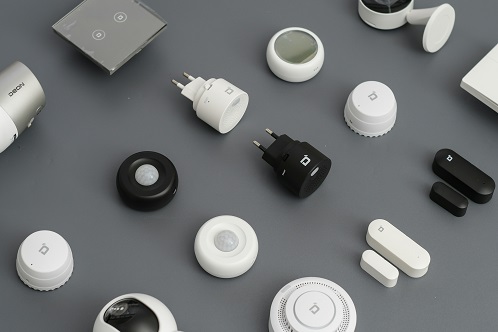
The rise of smart devices in modern homes can be traced back to the proliferation of the Internet of Things (IoT), which has enabled a multitude of devices to connect and communicate with one another. Early iterations of smart devices primarily involved standalone units, such as smart plugs and basic lighting controls. However, with advancements in Bluetooth, Wi-Fi, and other networking technologies, newer devices now leverage cloud computing and artificial intelligence to offer more complex and user-oriented functionalities.
Today, smart devices not only serve practical purposes but also enhance the lifestyle of users, making homes more responsive and customizable. From security cameras that provide real-time alerts to smart appliances that can be monitored and controlled via smartphone apps, the incorporation of these technologies reflects the growing trend of digitization in home environments. As we progress further into the era of smart technology, it is clear that these devices will continue to shape the landscape of modern households.
Types of Smart Devices
Smart devices have become increasingly popular in modern households, offering convenience, efficiency, and enhanced control over various aspects of everyday life. Here, we explore several key categories of smart devices that consumers can incorporate into their homes.
Smart Speakers: Smart speakers, such as Amazon Echo or Google Nest, serve as voice-activated personal assistants. They allow users to control music playback, set reminders, access information, and manage other smart devices through simple voice commands. Their integration with various platforms makes them a central hub for home automation.
Smart Thermostats: Smart thermostats, like the Nest Learning Thermostat, optimize heating and cooling systems by learning the household’s temperature preferences. These devices allow users to control their home’s climate remotely via a smartphone app, leading to energy savings and improved comfort.
Smart Lighting Systems: Smart lighting solutions, including Philips Hue and LIFX, enable users to adjust the brightness and color of their home lighting through voice or smartphone commands. These systems often include features such as scheduling and automation, allowing lights to turn on or off at specific times or in response to other events.
Smart Security Cameras: Smart security cameras enhance home safety by providing real-time surveillance and alerts through mobile devices. Brands like Ring and Arlo offer features such as night vision, motion detection, and two-way audio, ensuring homeowners can monitor their property from anywhere.
Smart Appliances: A growing selection of smart appliances, including refrigerators, ovens, and washing machines, provide enhanced functionality. Brands like Samsung and LG integrate Wi-Fi connectivity, allowing users to monitor and control these devices remotely, thereby contributing to energy efficiency and convenience in everyday tasks.
These different types of smart devices offer a diverse range of functionalities that cater to the various needs of consumers, ultimately enriching the modern home experience.
Benefits of Smart Devices
Smart devices have revolutionized the way individuals interact with their homes, offering a multitude of advantages that greatly enhance the overall living experience. One of the primary benefits of these devices is the increase in convenience. With smart technology integrated into everyday tasks, users can automate routines and remotely control various home functionalities. For instance, smart thermostats allow individuals to adjust heating or cooling settings from their smartphones, even when they are away from home, ensuring comfort without unnecessary energy expenditure.
Moreover, energy efficiency is a significant advantage provided by smart devices. Many of these gadgets come equipped with features that monitor energy usage in real-time, helping homeowners make informed decisions aimed at reducing their utility bills. Devices such as smart lighting systems can be programmed to turn off when a room is unoccupied or can be dimmed according to natural light levels, promoting sustainable practices and lowering energy consumption.
Security is another paramount feature of smart devices that enhances home management. Modern security systems include smart cameras and motion detectors that provide real-time notifications to the homeowner’s mobile devices. These features can significantly deter theft and enhance personal safety, offering peace of mind whether people are at home or away. Additionally, smart locks allow users to grant or revoke access to their homes remotely, ensuring better control over who enters their property.
Finally, enhanced home management is a crucial benefit that cannot be overlooked. Smart devices can communicate with each other, creating a cohesive system that manages daily operations efficiently. For example, a smart home hub can integrate various appliances and devices, allowing users to create routines that optimize comfort and energy use specifically tailored to their lifestyle. Overall, these advantages illustrate why smart devices are becoming increasingly prevalent in modern homes.
Challenges and Concerns
The rise of smart devices in modern homes has undoubtedly brought convenience and efficiency, yet it has also introduced a myriad of challenges and concerns that warrant careful consideration. One of the primary issues is privacy, as smart devices often collect significant amounts of personal data to function effectively. This data can include not only user preferences and routines but also sensitive information that, if mishandled, could lead to potential invasions of privacy. Consumers must remain vigilant regarding what data is collected and how it is used by manufacturers.
Furthermore, cybersecurity risks are a substantial concern with the increasing connectivity of households through smart devices. Many of these devices, ranging from smart speakers to home security systems, can become potential targets for cybercriminals seeking to exploit vulnerabilities. If not properly secured, these devices can serve as gateways for unauthorized access to personal information or, in some cases, even control over home systems. Regular updates and strong, unique passwords are essential practices for mitigating these risks, yet many consumers may overlook these safety measures.
Additionally, the advent of smart devices raises the issue of the digital divide, which refers to the gap between individuals who have easy access to digital technologies and those who do not. While smart devices can enhance the quality of life for many, not everyone has the resources or skill set required to utilize these technologies effectively. This disparity can lead to unequal access to the benefits that smart devices offer, perpetuating existing inequalities in society.
Ultimately, while smart devices provide numerous advantages, the associated challenges of privacy, cybersecurity, and the digital divide must be acknowledged and addressed to ensure a secure and equitable integration into modern homes.
Smart Devices and Energy Efficiency
Smart devices are increasingly becoming integral components of modern households, not only enhancing convenience but also significantly contributing to energy efficiency. These intelligent devices are designed to optimize energy consumption, leading to reduced utility bills and a smaller carbon footprint. By leveraging advanced technology and interconnectedness, smart devices can adjust their operations based on real-time data, user patterns, and environmental conditions.
For instance, smart thermostats are among the most popular energy-efficient devices in homes today. They can learn the household’s schedule and temperature preferences, allowing for automatic adjustments that ensure heating or cooling systems operate only when necessary. This targeted usage of heating and cooling results in substantial energy savings, with some studies indicating reductions of up to 20% in energy costs. Other notable devices include smart lights, which can be programmed to turn off automatically when a room is unoccupied, further reducing energy waste.
Smart plugs and energy monitors offer homeowners additional ways to manage their energy consumption effectively. By allowing users to track the energy usage of individual appliances, these smart devices empower them to make informed decisions about their energy habits. This level of control aids in identifying power-hungry appliances that might be contributing significantly to the electricity bill.
Moreover, smart appliances such as refrigerators, washers, and dryers are now equipped with energy-efficient technologies that adhere to strict energy standards. These devices not only reduce consumption while in use but are also often programmed to operate during off-peak hours, further alleviating the strain on the electrical grid.
As the trend towards energy efficiency continues to rise, the integration of smart technology within the home is likely to expand. By investing in smart devices, homeowners stand to benefit from both cost savings and the positive environmental impact of reduced energy consumption.
Integration with Smart Home Systems
The integration of various smart devices within a smart home ecosystem exemplifies the advancements in technology that enhance daily living. By utilizing interconnected devices, homeowners can create a seamless experience that streamlines tasks and improves overall efficiency. At the heart of this integration are smart home hubs, which serve as control centers to manage the interactions between devices of different brands and functionalities.
Popular smart home hubs, such as Amazon Echo, Google Nest Hub, and Apple HomeKit, offer compatibility with a wide array of smart devices, including smart lights, thermostats, security cameras, and voice assistants. These platforms employ standardized communication protocols like Zigbee, Z-Wave, and Wi-Fi to ensure that devices can communicate effectively. Through these protocols, homeowners can orchestrate actions such as scheduling routines, setting up automatic lighting adjustments, or configuring temperature controls based on occupancy.
Furthermore, the use of voice-command technology enhances the user experience, as homeowners can control their devices hands-free. For instance, users can simply request their smart assistant to adjust the thermostat or turn on the lights, making everyday activities more convenient. The integration is not limited to just voice commands; many platforms also feature smartphone apps that allow for remote monitoring and control from virtually anywhere.
Another essential aspect of integration within smart home systems is automation. Smart devices can be programmed to work in unison, responding to specific triggers such as time of day or detected activity. This capability is particularly useful for energy management, as smart thermostats can adjust settings automatically when homeowners leave for work or come home for the evening. The interconnectivity of smart devices not only adds convenience but also promotes a more energy-efficient living environment, contributing to the growing trend of sustainable homes.
The Future of Smart Homes
The concept of smart homes is evolving rapidly, driven by significant advancements in technology. In particular, developments in artificial intelligence (AI) and the Internet of Things (IoT) are set to redefine how we interact with our living spaces. Smart devices are becoming increasingly adept at learning user preferences and routines, allowing for seamless integration into daily life. As these technologies continue to advance, homeowners can expect a more intuitive and personalized experience.
Furthermore, the trend towards sustainable living is becoming an integral part of smart home technology. Devices that monitor energy usage and optimize consumption are gaining popularity. For instance, smart thermostats can automatically adjust heating and cooling based on occupancy and weather conditions, significantly reducing energy waste. The integration of renewable energy sources, such as solar panels, with smart home systems also presents opportunities for homeowners to manage energy production and consumption effectively.
Moreover, advancements in machine learning are enabling smart home systems to predict user behavior more accurately. This leads to increased convenience and efficiency, as devices can anticipate needs and provide solutions before a homeowner even realizes they require assistance. As voice-activated assistants become more sophisticated, users will have greater control over their smart environments, influencing everything from security systems to kitchen appliances.
The integration of IoT devices will further enhance connectivity between various systems within the home. This interconnectedness will not only improve user experience but also facilitate communication between devices, enabling automatic adjustments to enhance safety and comfort. Such innovations indicate a future where smart homes are not merely a trend but rather a standard aspect of modern living, reflecting the evolving expectations and needs of consumers in an increasingly digital world.
Case Studies of Smart Homes
Smart devices have proven to be transformative in contemporary residential environments, enhancing convenience, security, and energy efficiency. Numerous case studies exemplify the successful integration of these technologies, showcasing the varied experiences of families across different settings.
One notable case is that of the Johnson family from Austin, Texas. After installing a smart thermostat, they reported a decrease in monthly energy bills by 20%. This was achieved through the thermostat’s ability to learn their routines and adjust heating and cooling settings accordingly. Moreover, by incorporating smart lighting, the Johnsons were able to customize their home ambiance remotely, using their smartphones to adjust lighting schemes based on the time of day or specific activities. This seamless integration not only reduced energy consumption but also enhanced their overall lifestyle, making their home more comfortable.
Another illustrative example involves the Martinez family in San Francisco, who adopted a suite of smart security devices, including surveillance cameras and doorbell cameras. Following their installation, the family noted a significant reduction in anxiety regarding home security. The ability to monitor their property in real-time via mobile apps provided peace of mind; they could verify deliveries and check on their home while at work or traveling. Additionally, the Martinez family also utilized smart locks that allowed them to grant temporary access to trusted neighbors or service personnel without the need for physical keys.
These case studies highlight the practical benefits offered by smart home devices. From improved energy management in the Johnsons’ home to enhanced security in the Martinez household, families are increasingly finding value in smart technologies. Both instances underscore the importance of thoughtful integration of smart devices in achieving a more efficient, secure, and manageable living environment.
Conclusion: Embracing Smart Living
As the landscape of modern homes evolves, the integration of smart devices emerges as a transformative aspect of contemporary living. Embracing smart living brings numerous benefits that extend beyond mere convenience. Enhanced energy efficiency is among the primary advantages; smart thermostats, lighting systems, and appliances contribute to reduced energy consumption and, consequently, lower utility bills. In addition, these devices facilitate a more sustainable lifestyle by optimizing resource usage and minimizing waste.
Another significant benefit lies in the realm of security. Smart home technologies like surveillance cameras, motion sensors, and smart locks empower homeowners with superior control over their living environments. Such devices provide real-time alerts and remote monitoring capabilities, thus offering peace of mind whether one is at home or away. The ability to manage security features from a smartphone or tablet enhances overall safety and strengthens the user’s sense of comfort.
The convenience offered by smart devices cannot be overlooked. Integrated systems that connect multiple devices streamline daily tasks, allowing for seamless interactions. Voice-activated assistants, for example, can control lighting, temperature, and entertainment with simple commands, transforming the user experience into one that is intuitive and effortless. This ease of use can lead to improved quality of life, enabling residents to dedicate time to activities that matter most to them.
As technology continues to advance, the implications of adopting smart devices are becoming increasingly evident. The potential for creating a connected ecosystem within our homes allows for personalization and enhanced user management. For those contemplating the transition to a smarter living space, the benefits are substantial. By carefully selecting and integrating suitable devices, individuals can not only elevate their home’s functionality but also enrich their lifestyle.