

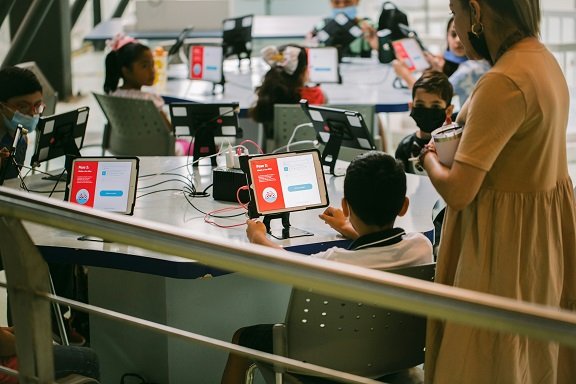
Educational technology refers to the integration of tools, software, and resources designed to enhance the learning experience. Historically, education relied heavily on traditional methods such as textbooks, lectures, and direct instructor-student interactions. However, with the advent of the digital age, educational technology has rapidly evolved, incorporating innovative approaches and resources. The transition from chalkboards and overhead projectors to interactive whiteboards and online learning platforms marks a significant shift in educational methodology.
The evolution of educational technology can be traced back to the introduction of audiovisual aids in the classroom, which began in the early 20th century. These included films and slide projectors that enriched the learning process, allowing for a more dynamic presentation of information. With subsequent advancements in technology, such as computers and the internet, the scope of educational resources expanded significantly, providing students access to a vast array of information and learning tools beyond the confines of the traditional classroom.
In the 21st century, educational technology encompasses a broad spectrum of applications, from e-learning platforms and learning management systems (LMS) to interactive simulations and educational games. These technologies not only facilitate personalized learning experiences but also promote collaboration and engagement among students. Furthermore, with the increasing prevalence of mobile devices, learning is no longer restricted to physical classrooms, allowing educators to reach students in diverse geographical locations.
The importance of embracing educational technology lies in its ability to improve learning outcomes and adapt to the diverse needs of learners. By leveraging these technological innovations, educators can create an inclusive environment that fosters critical thinking, creativity, and collaboration among students. The continuing integration of educational technology signifies a necessary transformation in the educational landscape, shaping the future of learning.
Benefits of Technology in Education
The integration of technology in education has significantly transformed the learning landscape, offering numerous advantages that enhance the overall educational experience. One primary benefit is improved accessibility to information. The wealth of online resources available today allows students and educators to access a vast array of knowledge and learning materials from anywhere at any time, breaking down geographical and socioeconomic barriers. This democratization of information equips learners with tools that were previously unavailable, thus promoting a more inclusive educational environment.
Moreover, technology enables personalized learning experiences through adaptive learning technologies. These tools assess individual students’ progress and learning styles, tailoring educational content to meet their specific needs. This personalized approach not only helps students to grasp complex concepts at their own pace, but it also fosters a deeper understanding and retention of information. Educators can leverage data analytics to identify areas where students struggle and adjust instruction accordingly, improving student outcomes and academic achievement.
Additionally, the incorporation of interactive tools such as educational apps, multimedia presentations, and virtual simulations enhances student engagement. For instance, a study found that students who participated in interactive learning experiences displayed higher levels of motivation and interest in the subject matter compared to traditional methods of instruction. By utilizing these innovative technologies, educators can create dynamic lesson plans that captivate students and encourage active participation.
In sum, the benefits of integrating technology in education cannot be overstated. From providing easier access to knowledge and enabling personalized learning experiences to enhancing student engagement through interactive tools, technology plays a crucial role in improving educational outcomes and fostering a more effective learning environment.
Challenges of Integrating Technology in Education
Integrating technology into educational settings presents a myriad of challenges. A significant issue is the digital divide that exists among students and institutions. Not all learners have equal access to the necessary devices and high-speed internet, which can lead to disparities in educational opportunities. This gap in accessibility represents a major barrier to effective integration of technology, as it can hinder the ability of some students to fully engage with digital resources.
Another challenge lies in the resistance to change among educators and institutions. The shift from traditional teaching methods to technology-enhanced practices can be intimidating for some educators. Many are accustomed to conventional methods, and there may be a reluctance to adopt new tools that alter established teaching paradigms. This resistance can slow the pace of technology integration and limit the opportunities for innovative teaching approaches that technology offers.
Moreover, technology can easily become a source of distraction for students. While educational tools can enhance learning, they can also lead to engagement with non-educational content, such as social media and gaming, during class. Teachers must navigate this potential issue to ensure that technology is used to facilitate learning rather than detract from it. Effective classroom management strategies and clear guidelines regarding technology use are essential to mitigate these distractions.
In addition, the adequacy of training for educators remains a crucial factor. Teachers require comprehensive training to employ technology effectively in their teaching. This training should encompass not only the technical aspects of using educational technology but also best practices for integrating these tools to enhance student engagement and learning outcomes. Achieving a balance between technology use and traditional pedagogical approaches is vital to realize the full potential of educational technology, ensuring that it complements rather than replaces foundational learning methods.
The Future of Technology in Education
The landscape of education is on the brink of transformative change, driven by the rapid advancement of technology. As we look ahead, several emerging technologies, such as artificial intelligence (AI), virtual reality (VR), and data analytics, are poised to redefine educational practices. These technologies have the potential to create immersive learning experiences, tailor educational content to individual student needs, and optimize teaching strategies based on data-driven insights.
Artificial intelligence, for instance, is already being integrated into educational platforms, allowing for personalized learning pathways. By analyzing student performance and engagement, AI can recommend resources or adjustments that cater to various learning styles. This bespoke approach not only enhances students’ understanding but also encourages a more engaged learning process, making education more accessible.
Similarly, virtual reality offers a unique opportunity to immerse students in real-world scenarios, enhancing theoretical understanding through practical application. This can be particularly effective in fields such as science, history, and language learning, where experiential learning can significantly enhance retention and comprehension. The inclusion of VR in educational settings could lead to a renaissance of engagement, transforming traditional classrooms into dynamic environments.
Moreover, data analytics plays a crucial role in shaping the future of education. By collecting and analyzing data on student performance, educators can identify trends, predict outcomes, and intervene when necessary. This proactive approach helps ensure that students receive the support they need, fostering a more equitable educational environment.
As these technologies continue to evolve, so too must the skills of both educators and students. Digital literacy, critical thinking, and adaptability will become essential competencies in navigating an increasingly tech-oriented educational landscape. Embracing continuous adaptation and innovation will be vital for leveraging technology effectively in education, ensuring that future generations are well-equipped to thrive in a rapidly changing world.