

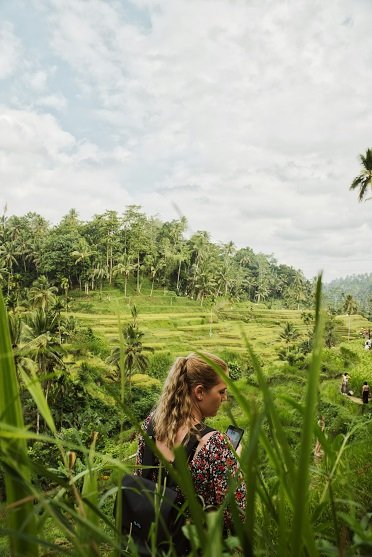
Southeast Asia backpacking stands out as a prime destination for backpackers seeking an affordable yet enriching travel experience. The region is renowned for its diverse cultures, each offering unique traditions, languages, and cuisines, which greatly enhance the allure of backpacking in this part of the world. Budget travelers are captivated by the opportunity to immerse themselves in vibrant local customs, from the bustling markets of Bangkok to the tranquil rice terraces of Bali.
The breathtaking landscapes further attract those who venture into Southeast Asia. From the iconic limestone cliffs of Halong Bay in Vietnam to the pristine beaches of Thailand, nature enthusiasts are rewarded with stunning views at every turn. Whether trekking through the jungles of Malaysia or exploring ancient temples in Cambodia, the natural beauty of the region offers countless opportunities for adventure and exploration.
A typical backpacking journey through Southeast Asia tends to be both flexible and economical, featuring a variety of accommodation options such as hostels, guesthouses, and homestays, which are often much more affordable than hotels. This allows backpackers to allocate their budgets towards enriching experiences. Transportation options are plentiful, with buses, trains, and budget airlines providing an efficient means of navigating the region without straining one’s finances.
Additionally, Southeast Asia’s local cuisine is a highlight for many travelers, with street food offering delicious and inexpensive meals. From savory pho in Vietnam to spicy curries in Thailand, the culinary diversity enhances the overall backpacking experience, allowing for an authentic taste of each country’s culture.
In summary, the combination of rich history, captivating landscapes, and a wealth of cultural experiences makes Southeast Asia an ideal destination for budget backpackers. From logistics to local flavors, there is much to be discovered while traveling on a budget in this vibrant region.
Planning Your Budget: Costs and Expenses
When embarking on a backpacking adventure in Southeast Asia, careful planning of your budget can lead to an enriching experience without financial stress. The cost structure in Southeast Asia is known to be traveler-friendly, yet it varies significantly from one country to another. Therefore, being informed about daily expenses is paramount.
Accommodation is generally affordable, especially in countries like Vietnam and Thailand, where dormitory beds can range from $5 to $15 per night. In contrast, Malaysia offers reasonable hotel options starting at $15, while more premium lodging may escalate costs to $50 or higher. To optimize your budget, consider booking accommodations in advance or utilizing platforms offering discounts for longer stays.
Meal expenses can also vary widely. Budget travelers may spend anywhere from $1 to $5 per meal at local eateries, while mid-range restaurants might charge $5 to $15. Street food is often a favorite among backpackers, as it provides unique culinary experiences at minimal costs. It’s advisable to sample local dishes, contributing to both delicious exploration and savings.
Transportation costs are another significant aspect of budgeting. Options such as buses and trains are the most economical, with daily travel expenses often under $10. For instance, traveling from Bangkok to Chiang Mai can cost as little as $25. For intra-city travel, utilizing local transport like tuk-tuks or Grab (a ride-hailing app) ensures cost efficiency.
Activities and excursions can range from free attractions, such as temples and markets, to costlier tours. Allocating approximately $20 to $50 per day for activities is a reasonable estimate, depending on personal interests. Conducting thorough research and comparing multiple sources can help find budget-friendly options.
To effectively manage your budget, keep track of expenses daily and adjust your spending habits as needed. Embracing a flexible itinerary not only enhances your travel experiences but also allows for better financial control. With informed planning, you can maximize your Southeast Asia backpacking adventure without breaking the bank.
Must-Visit Destinations and Activities
Southeast Asia offers a plethora of destinations that cater to budget travelers, each brimming with unique cultural experiences and historical significance. One of the most popular locations is Bali, Indonesia, known for its stunning landscapes and rich traditions. While staying in Ubud, travelers can immerse themselves in local art, visit the iconic rice terraces, and experience traditional Balinese dance performances. Exploring Bali does not have to break the bank; local warungs offer affordable yet authentic cuisine.
Moving on, Chiang Mai, Thailand is a haven for bustling markets and serene temples. Budget travelers can partake in elephant sanctuaries or cooking classes that allow for deeper engagement with the local culture. The Sunday Walking Street Market is a must-visit for those seeking inexpensive art crafts, street food, and lively performances.
In Vietnam, Hanoi serves as a fascinating mix of the old and the new. Travelers can explore the ancient streets of the Old Quarter while enjoying delectable street food at minimal costs, such as pho and banh mi. A day trip to Halong Bay is also recommended, where visitors can kayak through limestone caves without overspending.
For those looking for off-the-beaten-path experiences, consider visiting Luang Prabang in Laos. Surrounded by mountains and lush jungles, this UNESCO World Heritage site offers backpackers an opportunity to engage with local monks during their morning alms ritual, as well as visit stunning waterfalls. Additionally, volunteering at local projects can be an enriching experience that allows travelers to give back while exploring.
Finally, budget travelers should not overlook Siem Reap, Cambodia, home to Angkor Wat. While entrance fees can be significant, many local temples around the area offer cheaper access, and cycling through the rice fields provides a budget-friendly yet picturesque view of rural life.
Safety and Travel Tips for Backpackers
Traveling in Southeast Asia can be rewarding, offering breathtaking landscapes and rich cultures. However, ensuring your safety is paramount. One of the most prevalent concerns for backpackers is theft. To safeguard your belongings, use a money belt or concealed pouch to carry essential items such as your passport, cash, and credit cards. When in crowded areas or on public transport, remain vigilant and avoid displaying valuable gadgets or jewelry that may attract unwarranted attention.
Scams are another risk that travelers in Southeast Asia often encounter. Be cautious when approached by individuals offering unsolicited assistance or deals that seem too good to be true. Research common scams in your destination beforehand, so you can recognize potential traps. A reliable option is to use pre-paid transport services or reputable companies when booking tours or transportation to avoid becoming a victim of misinformation.
Maintaining good health while on your journey is equally important. Ensure you are up-to-date with vaccinations recommended for the region and carry a basic first-aid kit. Drink bottled or boiled water to prevent waterborne illnesses, and be cautious with street food; opt for popular stalls where the food is freshly prepared. In addition, having travel insurance can provide peace of mind in emergencies, covering hospitalization or unexpected cancellations.
Staying connected while backpacking is vital for your safety. Purchase a local SIM card upon arrival to access maps and emergency services easily. Familiarize yourself with local emergency numbers and save essential contacts, including nearby medical facilities and your country’s embassy.
Transportation safety can be addressed by choosing trusted services such as official taxis or rideshare apps. Avoid hitchhiking, and stay cautious when utilizing public transport. Lastly, understanding cultural etiquette enhances your experience and helps avoid misunderstandings. Respect local traditions, dress appropriately, and learn a few basic phrases in the local language to show your appreciation and facilitate smoother interactions.