

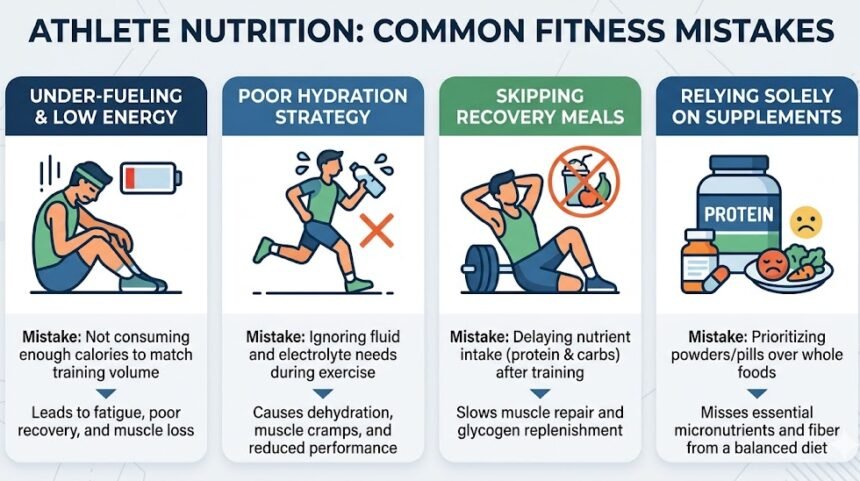
Proper athlete nutrition is foundational to an athlete’s success and overall performance. Many athletes, however, make the grave mistake of neglecting their dietary needs, which can lead to diminished performance levels and adverse health effects. One common mistake is skipping meals, particularly breakfast, which is critical as it breaks the overnight fast and kickstarts metabolism. Athletes who skip meals may find themselves fatigued and unable to perform at their peak.
Furthermore, inadequate protein intake is another prevalent issue among athletes. Protein plays a vital role in muscle repair and growth; thus, a deficiency in this macronutrient can significantly hinder recovery and performance. Athletes should prioritize a balanced intake of protein sources, including lean meats, dairy, legumes, and plant-based proteins, to ensure optimum recovery post-exercise.
Hydration is equally essential and often overlooked. Many athlete nutrition do not consume enough fluids, leading to dehydration, which can severely impair physical performance. It’s vital for athletes to maintain hydration levels throughout training and competition. Water should be the primary source of hydration, but electrolytic drinks may be beneficial during intense activities lasting over an hour to replenish lost salts.
In addition to avoiding these specific mistakes, a well-balanced diet rich in carbohydrates, proteins, healthy fats, vitamins, and minerals is crucial for fueling workouts and optimizing performance. Quality nutrition not only enhances energy levels and endurance but also promotes faster recovery and prevents injuries. Therefore, athletes must prioritize proper nutrition to maximize their potential in their respective sports.
Skipping Warm-Ups and Cool Downs
Warming up before physical activity and cooling down afterward are critical components of any athlete’s training regimen. Warm-ups prepare the body for exercise by gradually increasing heart rate, improving blood flow to the muscles, and enhancing overall mobility. When athletes skip this crucial phase, they risk not only straining their muscles but also increasing their likelihood of injury. Common mistakes include performing a quick set of stretches or jumping straight into strenuous activities without allowing the body time to adjust.
Cool downs, on the other hand, play an equally essential role in recovery. They help transition the body from a state of high exertion to a resting state. This phase enables athletes to gradually lower their heart rate and promotes proper circulation, which aids in clearing lactic acid and reducing muscle soreness. Neglecting cool downs can lead to prolonged recovery times, which may ultimately hinder an athlete’s performance and lead to a greater chance of overuse injuries.
Moreover, the practice of both warming up and cooling down fosters a routine that enhances both mental focus and physical conditioning. Skipping these phases often results in a less effective training session, as the body does not operate at its optimal level. Additionally, incorporate dynamic stretches during warm-ups and static stretches during cool downs to make the most of both routines. Failing to incorporate these practices can diminish the benefits of athletic training, constraining an athlete’s potential and longevity in their sport.
Overtraining and Ignoring Rest Days
In the pursuit of athletic excellence, many athlete nutrition inadvertently succumb to the trap of overtraining. This phenomenon occurs when an individual engages in excessive training without allowing adequate time for rest and recovery. While the commitment to one’s training regimen is commendable, pushing through fatigue can lead to significant burnout and a noticeable decline in performance levels.
Overtraining manifests through various physical and psychological symptoms. Athletes may experience persistent fatigue, chronic muscle soreness, increased susceptibility to injuries, and even alterations in sleep patterns. Additionally, mental health can be adversely affected, as feelings of anxiety and decreased motivation come to the forefront. Understanding these signs is crucial for athletes, as it signals that the body requires a reprieve. Ignoring these indicators can result in long-term consequences, affecting an athlete’s performance and their overall health.
Rest days are not merely a break from training; they are essential components in a well-rounded fitness routine. Incorporating these days allows the body to repair muscle tissues, replenish glycogen stores, and restore energy levels, all of which contribute to improved performance in subsequent training sessions. Furthermore, rest days can help prevent injuries and illness caused by the stress of continuous training. Athletes should prioritize listening to their bodies and respect the recovery process to ensure sustained progress and mitigate the risk of overtraining.
By recognizing the importance of rest, athletes can create a balanced training schedule that enhances performance while ensuring overall well-being. A shift in mindset may be necessary to view rest as an integral part of training rather than a setback. This approach not only optimizes performance but also encourages longevity in an athlete’s career.
4. Failing to Listen to Their Bodies
In the realm of athlete nutrition, the ability to listen to one’s body can significantly impact both performance and overall health. Athletes often push their limits in pursuit of excellence; however, this drive can lead to the tendency to ignore critical bodily signals. For instance, the rise of discomfort or persistent pain might be dismissed as momentary challenges, which can escalate into more severe injuries if left unaddressed.
One common mistake that athletes make is equating pain with weakness, leading them to push through injuries rather than taking necessary breaks. This mentality not only affects their physical health but also contributes to mental stress. Ignoring mental fatigue and emotional signs can diminish an athlete’s motivation and focus, ultimately hindering performance. Recognizing fatigue, stress, or anxiety is essential in determining when it’s advantageous to rest or seek professional advice rather than continuing to train aggressively.
The misconception that recovery time is wasted time can result in long-term consequences. Athletes who fail to prioritize recovery may face chronic injuries, which can derail training plans and cause a decline in performance levels over time. It is vital for those in competitive sports to develop a comprehensive understanding of their body’s signals, including recognizing the difference between soreness from exertion and potential injury. This awareness can empower athletes to make informed decisions, encouraging them to seek appropriate recovery strategies.
To counteract these tendencies, maintaining open communication with coaches, trainers, and medical professionals is crucial. This collaborative approach ensures that athlete nutrition not only push their physical limits safely but do so with their overall well-being in mind. Understanding when to take a step back can enhance longevity in athletic careers and sustain peak performance levels.