

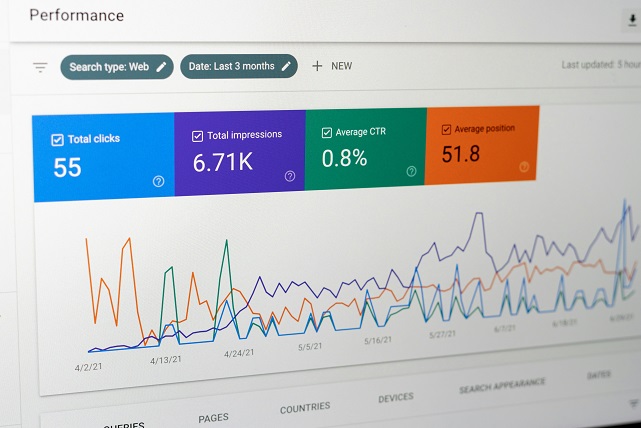
Understanding the Significance of Marketing Campaign Metrics
In today’s competitive landscape, effectively measuring marketing metrics campaign success is essential for businesses seeking growth and sustainability. Without tracking performance metrics, marketers may find themselves at a disadvantage, unable to gauge the effectiveness of their strategies. Measuring these metrics provides valuable insights that guide businesses in making informed decisions about future initiatives. By understanding which elements of a campaign perform well, organizations can allocate resources more efficiently, optimize their strategies, and maximize return on investment (ROI).
The importance of tracking marketing campaign success extends to evaluating various aspects, such as audience engagement, conversion rates, and overall brand awareness. These metrics allow marketers to identify strengths and weaknesses in their campaigns, enabling them to make necessary adjustments to enhance performance. For instance, if a specific channel proves to yield high engagement but low conversions, marketers can reevaluate their approach to that channel to improve its effectiveness.
However, measuring the success of marketing campaigns is not without its challenges. Marketers often face hurdles such as diverse audience segments, multifaceted campaign strategies, and the dynamic nature of digital marketing environments. The lack of a standardized framework can complicate the measurement process, leading to inconsistent data interpretation and reporting. Consequently, for businesses to thrive, they must establish a clear and structured approach to marketing metrics.
Ultimately, adopting a well-defined framework for measuring campaign performance not only clarifies the monitoring process but also fosters a culture of accountability within marketing teams. By standardizing metrics and aligning them with broader business objectives, organizations can ensure all marketing activities are strategically driven, leading to long-term success and growth.
Setting Clear Goals and Objectives
Establishing clear, measurable goals and objectives is crucial for the success of any marketing campaign. Without a defined direction, marketing efforts can become unfocused, leading to suboptimal outcomes. Aligning these goals with the broader business objectives not only ensures consistency in strategy but also enhances the overall effectiveness of the campaign. This alignment fosters a unified approach, allowing the marketing team to support overarching business targets while establishing individual campaign milestones.
One effective framework for setting goals is the SMART criteria. This acronym stands for Specific, Measurable, Achievable, Relevant, and Time-bound. Each component plays a vital role in structuring objectives that can lead to successful marketing efforts. A specific goal outlines what needs to be accomplished, such as “Increase website traffic.” Measurable goals allow for tracking progress, making it possible to quantify performance—like aiming for a 20% increase in visitors over three months. Achievable goals ensure that the targets set are realistic given the available resources and market conditions, while relevant goals connect back to business priorities, ensuring alignment with the overall strategy. Finally, time-bound goals instill a sense of urgency by setting deadlines for achievement, which can motivate teams to execute the campaign effectively.
For example, a marketing team might set a SMART goal such as, “Generate 500 new leads through email marketing within the next quarter.” This goal is specific in that it identifies the channel (email marketing) and the number of leads, measurable through lead tracking tools, achievable within the set timeframe, relevant to broader sales objectives, and clearly time-bound with a quarterly deadline. By employing the SMART criteria, organizations can cultivate targeted marketing campaigns that not only measure success but also facilitate continuous improvement and iteration based on performance outcomes.
Key Performance Indicators (KPIs) to Track
To effectively measure the success of a marketing campaign, it is crucial to utilize specific key performance indicators (KPIs). These metrics provide valuable insights into different stages of the customer journey, allowing marketers to assess the impact of their efforts. KPIs can be categorized into four main types: awareness, engagement, conversion, and retention.
The first category, awareness metrics, focuses on the overall reach of the campaign. Key indicators such as reach and impressions are essential for evaluating how many individuals have been exposed to the campaign message. A high number of impressions indicates that the content has gained visibility, which is crucial for brand recognition and establishing a foothold in the market.
Engagement metrics provide further insight into how the audience interacts with the campaign. Metrics like click-through rates (CTR) and social media shares reflect the level of interest and participation from potential customers. High engagement rates suggest that the content resonates with the audience and can lead to further actions in the customer journey.
Conversion metrics are critical for determining the effectiveness of a campaign in achieving its primary goals, such as driving sales or generating leads. Tracking conversions allows marketers to assess how many users take the desired action after interacting with the campaign. This data is vital for refining techniques and identifying successful strategies to enhance future campaigns.
Lastly, retention metrics focus on customer loyalty and repeat business. Metrics such as customer retention rate and churn rate highlight the success of the marketing efforts in keeping clients engaged over time. Understanding these numbers can help businesses create sustained relationships with their customers and improve overall satisfaction.
Utilizing Analytical Tools for Measurement
Measuring the effectiveness of marketing campaigns is crucial for understanding their impact and guiding future strategies. Various analytical tools are available, each serving distinct purposes and offering different insights. By understanding these tools, marketers can choose the most appropriate ones that cater to their specific needs.
One commonly used tool is Google Analytics, which provides comprehensive insights into website traffic and user behavior. It tracks metrics such as visitor demographics, session duration, and referral sources, enabling marketers to analyze how well their campaigns drive traffic. In addition to tracking general website performance, Google Analytics allows for the tracking of specific campaign parameters through UTM codes, making it an invaluable asset for campaign analysis.
For social media, many platforms, such as Facebook Insights and Twitter Analytics, offer robust analytical features. These tools aid in measuring engagement rates, reach, and conversion metrics across different channels. Marketers can derive insights from audience interactions, informing content strategies and future campaign adjustments.
Email marketing platforms like Mailchimp and Constant Contact also provide essential analytics, including open rates, click-through rates, and unsubscribe rates. Evaluating these metrics is critical for assessing the effectiveness of email campaigns and understanding recipient engagement.
When selecting an analytical tool, marketers should consider their specific objectives, available budget, and the kind of data they wish to analyze. It is best to explore tools that provide free trials or demos to understand functionalities thoroughly. Ultimately, leveraging the right analytical tools will support marketers in optimizing their campaigns and achieving measurable success.
Gathering and Analyzing Data
In order to assess the success of any marketing campaign, thorough data collection and analysis are essential. This process begins with selecting appropriate tools that allow marketers to gather relevant information effectively. One common method for data collection is through the deployment of surveys. Surveys can be designed to gather feedback from customers about their experiences, perceptions, and preferences, providing valuable insights into the overall effectiveness of a campaign.
In addition to surveys, A/B testing is a vital aspect of data gathering. This method involves comparing two versions of a marketing asset, such as emails or landing pages, to determine which one performs better among your audience. By systematically varying elements such as headlines, images, or calls to action, marketers can analyze the data generated to guide future strategies and improve campaign performance.
Customer feedback, whether obtained through direct interactions, reviews, or social media channels, also plays a crucial role in understanding how well a marketing campaign resonated with its target audience. Capturing this data allows marketers to identify trends and patterns which can inform future campaigns and product development efforts.
Once the data is collected using these methods, the next step involves analyzing it to extract actionable insights. This can include looking for trends in customer behavior, conversion rates, and engagement metrics. By assessing these elements, marketers can develop a clearer picture of what worked well and what did not, guiding strategic decisions for future campaigns.
Effective data analysis is characterized by being both systematic and flexible, allowing marketers to adapt their strategies according to the insights derived from their campaigns. Overall, gathering and analyzing data is a continuous cycle that can significantly enhance the effectiveness of marketing efforts.
Interpreting Results and Insights
Once a marketing campaign has been executed, the next critical phase is interpreting the results gathered from data analysis. Understanding performance metrics is essential for evaluating the effectiveness of various strategies and determining whether the established objectives have been met. In this section, we will delve into key metrics commonly used to assess campaign success and provide insights on how to draw meaningful conclusions from the data.
One of the primary metrics to consider is the Return on Investment (ROI). This measure quantifies the gain or loss generated relative to the investment made in the campaign. A positive ROI indicates that the campaign has successfully generated revenue exceeding its costs, while a negative ROI may signal a re-evaluation of the strategy. Another important metric is the conversion rate, which represents the percentage of users who completed a desired action, such as making a purchase or signing up for a newsletter. A high conversion rate suggests that the campaign effectively engaged the target audience and encouraged them to take action.
Additionally, metrics such as click-through rates (CTR) provide insight into the effectiveness of content in engaging users. A higher CTR typically indicates that the advertisement or content resonated with the audience’s interests. It is also essential to consider customer engagement metrics, including the number of shares, likes, or comments on social media platforms, as these can provide a qualitative understanding of user sentiment towards the campaign.
Finally, it is crucial to analyze these metrics in context. Numbers should not be viewed in isolation; instead, they must be compared against benchmarks or previous campaigns to draw meaningful conclusions. By understanding the broader implications of the data collected, marketers can make informed adjustments to optimize future campaigns based on insights gained from past performance.
Making Informed Decisions Post-Campaign
Once a marketing campaign is concluded, harnessing the insights garnered from analytics is vital for making informed decisions regarding future marketing strategies. Data-driven insights serve as the foundation for optimizing campaigns, ensuring that businesses can continuously enhance their marketing efforts. By thoroughly analyzing campaign performance metrics, such as conversion rates, engagement levels, and return on investment, stakeholders can pinpoint which strategies yielded the most significant results.
Documenting the learnings from each campaign plays a crucial role in the strategic refinement process. Every piece of data collected should be scrutinized to ascertain not only what was successful but also what fell short of expectations. This documentation often includes creating a comprehensive report that outlines the key performance indicators, insights, and the trajectory of lessons learned. Such records can serve as valuable references, allowing marketing teams to build upon past experiences and avoid repeating the same mistakes in future campaigns.
Furthermore, refining marketing strategies based on this data is essential for adapting to the ever-evolving market conditions. Insights derived from consumer behavior, engagement patterns, and market trends can inform modifications in marketing tactics. For instance, if a particular channel proved to be more effective for customer interactions than others, reallocating resources to that channel could yield better outcomes in subsequent campaigns.
Equally important is the clear communication of findings with stakeholders. Sharing insights not only fosters transparency but also fosters a culture of collaboration within the organization. By discussing successes and areas for improvement, everyone involved can contribute to a more cohesive marketing vision. The result is a more informed approach to campaign planning and execution, ultimately leading to greater marketing effectiveness.
Case Studies of Successful Campaign Measurements
In the realm of marketing, understanding the metrics that gauge success is crucial in shaping future campaigns. This section delves into real-life examples of how specific marketing campaigns adeptly measured their performance and utilized the data gathered to refine their strategies.
One noteworthy case is that of the Always #LikeAGirl campaign, which aimed to combat stereotypes about young girls during puberty. By employing a combination of qualitative and quantitative metrics, Always was able to track social media engagement, sentiment analysis, and viewership data. Analyzing such metrics allowed the brand to assess not only how well the campaign resonated with its target audience but also enabled it to gauge shifts in public perception of the message. The results were remarkable, with a significant increase in brand loyalty and positive recognition, illustrating the importance of measuring campaign success.
Similarly, the Dollar Shave Club executed an innovative and memorable marketing strategy that emphasized humor and accessibility. By monitoring key performance indicators (KPIs) such as subscription rates, website traffic, and social media shares, Dollar Shave Club was able to effectively measure the effectiveness of its video marketing campaign. The branding gained immense traction, turning a simple product into a household name through strategic measurement and analysis, leading to an eventual acquisition by Unilever for a staggering $1 billion.
Both of these case studies highlight the power of measurement in marketing campaigns. Organizations that leverage analytics, feedback, and real-time data can make informed decisions that enhance campaign efficiency and effectiveness. By closely monitoring campaign performance through various metrics, businesses can capitalize on successful strategies, further driving their marketing efforts toward greater heights.
Conclusion and Future Trends in Campaign Measurement
Measuring the success of a marketing campaign is crucial for understanding its effectiveness and optimizing future strategies. Throughout this discussion, we have explored various methodologies and metrics to benchmark campaign performance. Key performance indicators (KPIs) such as return on investment (ROI), conversion rates, and customer engagement levels are indispensable tools for evaluating success. Each of these factors provides insights that allow marketers to make informed decisions, tweak their strategies, and allocate resources more effectively.
As we look ahead, the landscape of marketing campaign measurement is continuously evolving. Emerging technologies and innovative analytics tools are shaping how companies assess their campaigns. For instance, the integration of artificial intelligence (AI) and machine learning (ML) is enhancing predictive analytics, thereby allowing marketers to forecast campaign performance more accurately and personalize consumer experiences. Moreover, the rise of big data analytics is enabling deeper insights from vast datasets, making it easier to identify trends and consumer behavior.
Another notable trend is the shift towards real-time data processing. Marketers now increasingly rely on real-time metrics to monitor campaign performance continuously, allowing for immediate adjustments and optimization. Additionally, advancements in attribution modeling are providing more comprehensive views of channel effectiveness, enabling businesses to understand which interactions drive conversions.
To stay competitive, marketers must remain vigilant regarding these transformative trends in campaign measurement. Embracing new technologies and methodologies will not only enhance their understanding of campaign success but will also fortify their marketing strategies in a rapidly changing marketplace. As we move forward, staying updated on these innovations will be essential in navigating the complexities of marketing measurement successfully.