

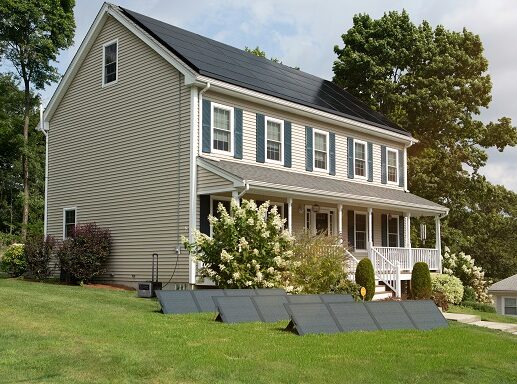
Introduction to Eco-Friendly Living
In recent years, eco-friendly lifestyle has gained significant attention as environmental issues become increasingly pressing. The degradation of the planet’s ecosystems, pronounced climate change, and the depletion of natural resources have prompted many individuals and households to reevaluate their daily habits and lifestyle choices. Eco-friendly living involves adopting practices that minimize an individual’s or household’s environmental footprint while promoting sustainability and conservation.
Climate change, driven largely by human activity, represents one of the most acute challenges our planet faces today. From rising temperatures to extreme weather events, the consequences of our actions are visible and often devastating. Resource depletion, including deforestation, water scarcity, and fossil fuel exhaustion, further underscores the urgent need for eco-conscious approaches. In light of these challenges, every individual has a role to play in fostering a healthier environment.
Transitioning to an eco-friendly lifestyle is not merely a trend but rather a necessary adjustment that carries significant implications for the future. By making informed choices regarding energy consumption, waste management, and product selection, individuals can contribute positively to the well-being of the planet. Simple actions like reducing plastic use, conserving water, and opting for renewable energy sources can collectively lead to meaningful change.
In essence, eco-friendly living is about embracing sustainability in our homes and daily routines. It empowers individuals to take actionable steps that not only benefit personal well-being but also contribute to a sustainable future for generations to come. By understanding and addressing the environmental challenges at hand, we can connect our personal choices to broader environmental impacts and encourage others to follow suit, fostering a culture of sustainability in our communities.
Energy Efficiency: Reducing Consumption
In the pursuit of making homes more eco-friendly, one of the most effective strategies is implementing energy efficiency measures. By adopting these practices, homeowners can significantly reduce their energy consumption, contributing positively to the environment and lowering their utility bills.
First, energy-efficient appliances play a critical role in achieving energy efficiency. These appliances are designed to consume less electricity while providing the same level of performance as their traditional counterparts. Investing in Energy Star-rated products ensures that the household operates sustainably without compromising on quality. Replacing older appliances, which often consume more energy, with newer, energy-efficient models can lead to remarkable savings in energy consumption.
Furthermore, transitioning to LED lighting is a practical step that can yield immediate results. LED bulbs are not only more efficient than incandescent or fluorescent bulbs but also have a longer lifespan. By making the switch, homeowners can reduce their overall lighting energy use by up to 75%. This shift to LEDs not only lessens the energy draw but also decreases greenhouse gas emissions associated with electricity production.
Another critical measure in enhancing energy efficiency is improving insulation within the home. Proper insulation helps maintain desired indoor temperatures, reducing the need for excessive heating or cooling. Homeowners can focus on areas like attics, basements, and crawl spaces, where heat loss is most prevalent. Sealing gaps and upgrading insulation reduces energy consumption, leading to significant budget-friendly outcomes.
Implementing energy efficiency measures creates a ripple effect, benefiting both the environment and the homeowner’s finances. By embracing energy-efficient appliances, LED lighting, and improved insulation, households contribute to a sustainable future while enjoying lower energy bills.
Water Conservation Techniques
Water conservation is essential for promoting sustainability and safeguarding natural resources. Households can adopt several techniques that not only reduce water waste but also contribute to a more eco-friendly environment. One of the initial steps towards conserving water is fixing any leaks in faucets, toilets, and pipes. Even minor leaks can result in substantial water loss over time, translating into higher water bills and unnecessary wastage. Regularly checking for leaks and repairing them promptly is crucial in maintaining water efficiency.
Another effective method is the installation of low-flow fixtures, such as showerheads and faucets. These fixtures are designed to reduce water flow without sacrificing performance. By switching to low-flow options, households can decrease their water usage substantially while still enjoying adequate water pressure. This simple upgrade can lead to noticeable savings on water consumption and costs.
Utilizing rain barrels is another eco-friendly strategy for water conservation. By collecting and storing rainwater from rooftops, homeowners can create a resource for watering gardens, lawns, or other outdoor spaces. This not only reduces reliance on municipal water systems but also helps in managing stormwater runoff, which can contribute to local flooding and erosion issues. Rain barrels can be installed easily and provide a sustainable way to utilize natural resources effectively.
Incorporating water conservation techniques into daily routines can significantly benefit households and contribute towards a broader commitment to sustainability. By actively participating in these practices, individuals help protect local ecosystems and ensure that future generations have access to this vital resource. The collective efforts of households can lead to substantial reductions in overall water demand, thereby promoting a healthier planet.
Sustainable Materials and Furnishings
Transforming a home into an eco-friendly space starts significantly with the materials chosen for renovations and furnishings. The emphasis on sustainable materials not only contributes to a healthier environment but also offers numerous benefits for homeowners. One of the primary materials to consider is sustainable wood. Sourced from responsibly managed forests, sustainable wood products minimize deforestation and habitat destruction. Look for certifications such as Forest Stewardship Council (FSC) to ensure that the wood materials are derived from sustainable practices.
Moreover, utilizing recycled materials in home improvement can drastically reduce waste and the need for raw material extraction. Reclaimed wood, for instance, can be repurposed for flooring, furniture, or decorative elements, providing a rustic charm while promoting recycling efforts. Similarly, incorporating recycled metal or glass can enhance aesthetics while minimizing environmental impact.
Another critical aspect of creating an eco-friendly home is the selection of non-toxic paints and finishes. Traditional paints often contain volatile organic compounds (VOCs) that can harm indoor air quality and pose health risks. Opting for low-VOC or VOC-free paints not only improves air quality but also contributes to a more sustainable environment. Furthermore, many manufacturers now produce paints using natural pigments and sustainable materials, making it easier for homeowners to make environmentally friendly choices.
Nevertheless, amid various eco-friendly claims, it is essential to navigate through greenwashing—the misleading practices used by companies to appear more sustainable than they are. To identify genuine eco-friendly products, consumers should research materials, scrutinize product labels, and seek out third-party certifications. Understanding the true environmental impact of products and making informed decisions can greatly enhance the sustainability of a home.
Waste Reduction Strategies
Minimizing waste in the home is a critical step towards creating a more eco-friendly environment. By adopting various waste reduction strategies, homeowners can significantly lessen their carbon footprint while promoting sustainability. The core concepts of recycling, composting, and upcycling play pivotal roles in achieving this objective.
Recycling is one of the most effective ways to manage waste. Households can begin by setting up designated bins for plastics, paper, metals, and glass to facilitate easy sorting. Understanding local recycling guidelines is essential, as they can vary significantly across regions. Furthermore, participating in community recycling programs can amplify individual efforts and foster a culture of sustainability within one’s neighborhood.
Composting is another beneficial strategy that allows homeowners to recycle organic waste. By composting fruit and vegetable scraps, coffee grounds, and yard waste, one can create rich soil for gardens while reducing waste sent to landfills. A home composting system can be as simple as a small bin in the kitchen or an outdoor compost pile. Not only does composting reduce waste, but it also contributes to more sustainable gardening practices.
Upcycling is a creative method for waste reduction that involves repurposing unwanted items into new and useful products. This can include turning glass jars into storage containers, or using old t-shirts to create reusable shopping bags. Upcycling not only diverts waste from landfills but also encourages innovative thinking and resourcefulness.
Incorporating these waste reduction strategies into daily life can profoundly impact household waste management. By focusing on recycling, composting, and upcycling, individuals can not only manage their waste more effectively but also contribute to a more sustainable future.
Indoor Air Quality Improvements
Improving indoor air quality is a crucial step in making your home more eco-friendly and enhancing your overall health. One of the simplest ways to boost air quality is by choosing natural cleaning products over their chemical counterparts. Many conventional cleaning products contain harsh chemicals that can negatively impact air quality, releasing volatile organic compounds (VOCs) that are harmful to breathe. Instead, opt for eco-friendly substitutes such as vinegar, baking soda, and essential oils, which are effective at cleaning without the toxic effects.
Incorporating houseplants into your home is another effective method for enhancing air quality. Plants such as spider plants, snake plants, and peace lilies are known for their ability to filter out air pollutants and produce oxygen. Not only do these plants beautify your living space, but they also contribute significantly to a healthier indoor environment by absorbing toxins and improving air moisture levels. Indoor gardening can be both a fulfilling hobby and a practical means of ensuring cleaner air.
Furthermore, improving ventilation within your home is essential for maintaining optimal indoor air quality. Ensuring that there is sufficient airflow helps to dilute indoor pollutants and reduces the concentration of harmful particles in the air. Open windows whenever possible to allow fresh air to circulate and install exhaust fans in areas like bathrooms and kitchens to expel humid, polluted air. If natural ventilation is limited, consider using air purifiers equipped with HEPA filters to help trap airborne toxins. By implementing these eco-friendly practices, you can create a healthier living space that prioritizes your well-being while also reducing your environmental impact.
Eco-Friendly Gardening Practices
Creating an eco-friendly garden is an excellent way to reduce your environmental impact while enhancing the beauty of your outdoor space. By adopting sustainable gardening practices, you not only cultivate a healthier garden but also contribute positively to local ecosystems. One of the primary methods for promoting an eco-friendly garden involves utilizing organic gardening methods. This practice eliminates the use of synthetic fertilizers and pesticides, opting instead for natural alternatives that promote soil health and biodiversity.
In addition to organic gardening, the incorporation of native plants is vital for fostering an eco-friendly environment. Native plants are adapted to local climates and soil conditions, requiring less water and maintenance compared to non-native species. Moreover, they provide essential habitats for local wildlife, including pollinators like bees and butterflies. By selecting plants that are indigenous to your region, you can create a thriving ecosystem that supports local flora and fauna.
Maintaining a sustainable outdoor space also includes mitigating resource use and managing waste effectively. Composting garden waste not only enriches the soil but also reduces landfill contributions. Additionally, using rainwater harvesting systems to collect and utilize runoff for irrigation contributes to water conservation efforts. Mulching around plants helps retain soil moisture and suppress weeds, reducing the need for frequent watering and chemical weed control.
A successful eco-friendly garden encourages biodiversity, supports local wildlife, and conserves resources. By implementing organic practices, incorporating native plants, and focusing on sustainable maintenance, gardeners can create a peaceful, beautiful outdoor space that is environmentally responsible and beneficial for future generations. Adopting these eco-friendly gardening practices is a significant step toward achieving a more sustainable lifestyle, cultivating not just a garden but a community of life within it.
Transport and Commute Solutions
The transportation sector is one of the primary contributors to greenhouse gas emissions, influencing climate change and environmental degradation. Recognizing the significance of sustainable transport solutions can lead to a substantial reduction in one’s overall carbon footprint. There are several eco-friendly options available that not only benefit the environment but can also enhance personal health and well-being.
Utilizing public transportation is one of the most effective ways to reduce individual emissions. Buses, subways, and trains are designed to carry multiple passengers at once, which means that the environmental impact per person is significantly lowered compared to single-occupancy vehicles. In urban areas, commuters can alleviate traffic congestion while simultaneously decreasing air pollution through such shared travel methods.
Carpooling is another viable solution. By sharing rides with others heading to similar destinations, individuals can minimize the number of vehicles on the road. However, carpooling also fosters a sense of community and can provide cost savings on fuel and parking expenses. Numerous apps facilitate finding suitable carpool partners, making the process more convenient.
Biking is also an excellent alternative for short-distance commutes. Utilizing a bicycle not only contributes to zero emissions but also promotes healthier lifestyles by incorporating physical exercise into daily routines. Many cities are now investing in bicycle lanes and rental programs to encourage this eco-friendly mode of transport.
Lastly, the rise of electric vehicles (EVs) offers promising potential for sustainable transport. Transitioning from gasoline-powered vehicles to EVs can significantly reduce emissions, especially when charged through renewable energy sources. Incentives, such as tax rebates and access to fast-charging stations, further support the adoption of electric vehicles.
Conclusion: The Journey Towards Sustainability
Embarking on a journey towards sustainability is not merely a trend but a necessary commitment we must all embrace. Making eco-friendly changes in our homes contributes significantly to the conservation of our environment. By adopting simple yet impactful strategies, we can reduce our carbon footprint, conserve resources, and contribute to a healthier planet. Sustainability in our living spaces extends beyond personal benefits; it embodies a collective responsibility to future generations.
Small actions, when multiplied by many, can lead to monumental changes. Simple steps such as reducing waste, employing energy-efficient appliances, and utilizing sustainable materials can create a ripple effect within our communities. Every effort counts, no matter how insignificant it may seem. As individuals begin to make these adaptations, it encourages others to follow suit, fostering a culture of sustainability.
Moreover, educating others about eco-friendly practices enhances community awareness. Organizing workshops, sharing resources, or even discussing tips with friends and family can amplify the impact of our individual actions. Through shared knowledge, we can transform our neighborhoods into eco-conscious environments where sustainability is prioritized and celebrated.
As we navigate this journey toward a more sustainable lifestyle, it is essential to remember that perfection is not the goal. Instead, commitment to continuous improvement matters. Each step taken towards a sustainable home, however small, brings us closer to a more harmonious relationship with our environment. Let us inspire each other and work collectively to create a more sustainable world, where the actions we take today lead to a healthier and more vibrant planet for generations to come.