

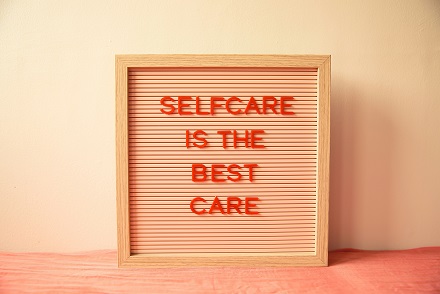
Understanding Mental Health
Mental health awareness refers to a person’s emotional, psychological, and social well-being. It plays a pivotal role in how individuals think, feel, and act in their daily lives. It also encompasses how one handles stress, relates to others, and makes choices. Good mental health is essential for overall well-being; it influences our ability to lead fulfilling lives and engage with our communities. Each aspect of mental health interconnects, forming a comprehensive view of an individual’s overall health. Emotional well-being implies the ability to express and manage emotions effectively, while psychological health relates to cognitive functioning and our ability to process information and make decisions. Social well-being involves the capacity to develop and maintain positive relationships and navigate social challenges.
The importance of mental health cannot be overstated. Poor mental health can lead to various problems, including increased anxiety, depression, and even physical health issues. Statistics reveal that mental health conditions affect a considerable portion of the population, transcending age, gender, and socioeconomic status. Understanding the prevalence of mental health issues underscores the necessity of prioritizing mental wellness in our daily lives.
Practicing self-care is vital in maintaining and improving mental health. Engaging in activities that promote relaxation, self-awareness, and stress management can lead to positive changes. Furthermore, acknowledging mental health as a fundamental component of overall health encourages individuals and communities to foster supportive environments for those in need. By actively addressing mental health, we can enhance our quality of life and cultivate a society that values well-being and resilience.
The Concept of Self-Care
Self-care can be defined as the deliberate practice of taking actions to improve one’s overall well-being, focusing on physical, emotional, social, and spiritual dimensions of health. While often misunderstood as mere indulgence, self-care is fundamentally about maintaining and enhancing mental health, self-esteem, and life satisfaction. Unlike self-indulgence, which may provide temporary pleasure without substantial long-term benefits, self-care involves thoughtful, reflective choices aimed at fostering personal development and resilience.
The four primary forms of self-care are physical, emotional, social, and spiritual. Physical self-care encompasses activities such as exercise, nutrition, and adequate sleep—elements that are crucial for sustaining energy levels and functionality. Emotional self-care, on the other hand, relates to recognizing and processing feelings, fostering positive self-talk, and engaging in journaling or therapy. It promotes emotional regulation and supports mental health stability.
Social self-care emphasizes the importance of nurturing relationships and developing support networks. Interactions with friends, family, and community can provide a strong sense of belonging, which is vital for emotional well-being. Lastly, spiritual self-care allows individuals to connect with their beliefs and values, promoting inner peace. Engaging in meditation, nature walks, or religious practices can enhance this aspect of self-care.
Understanding that self-care is not one-size-fits-all is essential; it should resonate with individual preferences and needs. By customizing self-care strategies, individuals can cultivate resilience against stressors and promote a healthy mindset. Regularly committing to self-care routines can significantly improve mental health, making it a critical component of anyone’s wellness journey.
Common Signs You Need Self-Care
Recognizing the signs that indicate a need for self-care is essential for maintaining mental health. One of the most prevalent indicators is persistent stress. When individuals feel overwhelmed by their responsibilities or experience constant worry, it often manifests in both physical and emotional ways. Symptoms may include headaches, fatigue, and difficulty concentrating, signaling the body’s need for a break.
Another key sign is burnout, which can occur in both personal and professional settings. Burnout typically results from prolonged exposure to stress without adequate recovery time. It often includes feelings of cynicism, detachment, and a reduced sense of accomplishment. Individuals may notice they are becoming increasingly disengaged from work, family, or social activities that once brought them joy.
Exhaustion is also a prominent sign that self-care is necessary. When fatigue becomes chronic, it may affect mental clarity and emotional stability. Physical exhaustion can drain the body, making it difficult to engage in daily tasks and often leads to irritability or mood swings. Additionally, emotional distress, such as feelings of sadness, anxiety, or overwhelming negativity, may signal the urgent need for self-care. These emotions can impair relationships and overall quality of life, indicating that individuals need to prioritize their well-being.
Finally, if a person finds themselves neglecting their needs—such as their physical health, hobbies, or social interactions—it may be time to reassess their lifestyle. Self-care practices play a vital role in rejuvenating one’s mind and body. By being attuned to these various signs of stress, burnout, exhaustion, and emotional distress, individuals can take proactive steps toward improving their mental health.
Practical Self-Care Strategies
Engaging in effective self-care practices is essential for improving mental health. One of the simplest ways to start is by incorporating regular physical activity into your routine. Exercise is known to release endorphins, which can elevate mood and reduce feelings of anxiety. Begin with moderate activities such as walking, cycling, or yoga, which can be easily integrated into daily life. Aim for at least 30 minutes of physical activity most days of the week to reap the full benefits.
Another vital aspect of self-care is relaxation exercises. Techniques such as deep breathing, meditation, and mindfulness can help to manage stress effectively. Dedicate a few minutes each day to practice these exercises, which can enhance your overall emotional well-being. Tools such as guided meditation apps or online yoga classes can support this endeavor, making it accessible and enjoyable.
Time management is also a critical component in maintaining mental health. Balancing work and personal life can be challenging; therefore, creating a structured schedule can alleviate feelings of overwhelm. Prioritize tasks, set achievable goals, and allocate specific times for breaks to ensure you are not overworking yourself. This practice not only fosters productivity but also allows time for personal reflection and recreation.
Hobbies play a significant role in self-care as well. Engaging in activities you enjoy can provide an avenue for self-expression and relaxation. Whether it be painting, gardening, or playing a musical instrument, hobbies divert attention from stressors and create a sense of fulfillment. It is important to make time for these passions, as they can greatly enhance your quality of life.
Incorporating these practical self-care strategies into your daily routine can empower individuals to take charge of their mental health. Regular commitment to physical activity, relaxation exercises, time management, and hobbies all contribute to a holistic approach to self-care, enabling a sustained improvement in emotional wellbeing.
Building a Routine for Self-Care
Establishing a self-care routine is essential for enhancing mental health and overall well-being. A well-structured routine promotes consistency, ensuring that self-care activities become integral parts of daily life rather than occasional tasks relegated to the background. To create an effective routine, begin by assessing your personal preferences and current lifestyle. Consider what self-care activities rejuvenate and uplift you—be it physical exercise, mindful meditation, or indulging in hobbies.
Once you have identified your preferred activities, aim to schedule them into your daily calendar. This approach not only promises dedication but also reinforces the commitment to prioritize your mental health. As daily responsibilities can often overpower personal time, it becomes vital to recognize potential time slots where self-care can seamlessly fit. For instance, early mornings or evenings can serve as perfect windows for engaging in calming activities like journaling or yoga.
Additionally, maintaining flexibility within your routine is crucial. Life can be unpredictable, and it is essential to adapt your self-care schedule as necessary. If one activity does not harmonize with your day, feel empowered to swap it out for another. Some days may afford the luxury of long yoga sessions, while other days might only allow for a few minutes of deep breathing practice.
Furthermore, consider incorporating small self-care practices throughout your day. Brief mindfulness exercises, hydration breaks, or moments spent in nature can enhance your mental health significantly, even within a packed schedule. It is not only about dedicating long hours, but also about the cumulative effect of small, intentional acts of self-care. Ultimately, the goal is to cultivate a routine that resonates with you, encouraging a lasting commitment to prioritize your mental wellness in the midst of everyday demands.
Overcoming Barriers to Self-Care
In the journey toward enhancing mental health through self-care, individuals often encounter various barriers that can hinder their ability to prioritize their well-being. Among the most prominent obstacles are feelings of guilt, perceived lack of time, and the belief that one does not deserve care. Acknowledging these barriers is the first step in overcoming them.
Guilt is a common emotion experienced when contemplating self-care practices. Many people feel that taking time for themselves is selfish, particularly caregivers or individuals who hold multiple responsibilities. To combat this guilt, it is important to recognize that self-care is not a luxury, but a necessity. Self-care enables individuals to recharge and become more effective in their roles, ultimately benefiting those around them. Practicing mindfulness can aid in reframing this mindset, allowing for a more compassionate view towards oneself.
Another significant barrier is the misconception of insufficient time. In today’s fast-paced world, it can be challenging to carve out moments for self-care amidst busy schedules. To overcome this, individuals can implement small yet meaningful changes, such as allocating just a few minutes each day for activities that promote relaxation or mental clarity. Scheduling self-care into one’s calendar can be beneficial, treating it as an essential appointment rather than an afterthought.
Moreover, some individuals struggle with feelings of unworthiness, leading them to believe they do not deserve self-care. This belief can stem from past experiences or societal pressures. To address this, participating in positive affirmations or therapy may help in cultivating a mindset that recognizes personal value and the importance of self-love.
By actively working to overcome these barriers through intentional strategies and a shift in perspective, individuals can help sustain their mental health and embrace the significance of self-care in their daily lives.
The Role of Mindfulness in Self-Care
Mindfulness has emerged as a cornerstone of effective self-care strategies, offering individuals a way to enhance their mental well-being through focused awareness and presence. Incorporating mindfulness into daily routines can significantly improve one’s ability to cope with stress, anxiety, and the challenges of modern life. This section will explore various mindfulness practices that can foster essential self-care benefits.
One of the most well-known mindfulness techniques is meditation. Engaging in regular meditation allows individuals to cultivate a sense of calm and clarity. During these sessions, practitioners focus their attention on their breath or a specific thought, gradually training their minds to minimize distractions. Research indicates that consistent meditation can lead to decreased levels of anxiety and increased emotional resilience. For beginners, even a few minutes of meditation daily can yield positive results.
In addition to meditation, deep breathing exercises are another vital mindfulness practice that can enhance self-care efforts. These techniques, such as diaphragmatic breathing, promote relaxation by slowing the heart rate and decreasing blood pressure. Practicing deep breathing can be especially beneficial in moments of high stress, providing an immediate means of regaining emotional control. By integrating deep breathing into daily life, individuals can build a robust toolset for managing anxiety.
Mindful eating also plays a significant role in self-care by encouraging individuals to pay attention to the sensory experience of eating. This approach fosters a deeper connection with food, promoting healthier eating habits by encouraging slower, more deliberate consumption. As individuals become more attuned to their hunger cues and food preferences, they may develop a more positive relationship with eating.
In conclusion, integrating mindfulness practices into self-care routines can lead to enhanced mental health and overall well-being. By incorporating techniques such as meditation, deep breathing, and mindful eating, individuals can create a supportive environment that prioritizes mental wellness in their everyday lives.
Seeking Professional Help
While self-care practices play a crucial role in maintaining and improving mental health, there are instances when the assistance of mental health professionals becomes necessary. Individuals may encounter challenges that exceed the coping strategies they have developed, at which point seeking professional help can be beneficial. Understanding when to reach out for support is vital in ensuring one’s emotional well-being.
Professionals in mental health, such as psychologists, therapists, and counselors, are equipped with the training and experience required to address various mental health concerns. They provide a safe space for individuals to express their feelings, explore underlying issues, and develop effective coping mechanisms. Therapy is not only for those in crisis; it can also be a proactive step for anyone wanting to enhance their mental health.
Indicators that suggest it may be time to seek professional help include persistent feelings of sadness or anxiety, changes in behavior, difficulty managing daily responsibilities, or a lack of interest in activities once enjoyed. Additionally, feelings of isolation and uncertainty can also signal the necessity of external support. Reaching out is an important step, and it is reassuring to know that many individuals experience similar challenges, making the pursuit of help a normal aspect of caring for one’s mental health.
Support groups can also provide valuable resources and connections for individuals facing mental health issues. They create a communal environment where participants can share experiences and learn from one another. By engaging in any of these avenues therapy, counseling, or support groups individuals take significant steps towards enhancing their mental well-being.
Success Stories and Testimonials
Numerous individuals have embarked on journeys of self-care, ultimately leading to significant improvement in their mental health. These success stories serve as powerful reminders of the transformative effects that simple self-care practices can foster. One notable example is Sarah, a 32-year-old educator who, after experiencing burnout, turned to mindfulness meditation as a means to reclaim her mental well-being. Within a few months, Sarah reported not only a reduction in anxiety levels but also greater emotional resilience and improved focus in her teaching. Her experience highlights how dedicating time to self-care can yield profound benefits.
Similarly, Jake, a 45-year-old marketing professional, found solace in physical activities after struggling with depression. By committing to a regular exercise routine, he discovered that the endorphins released during workouts greatly uplifted his mood. Over time, Jake’s success story illustrates the ability of physical self-care to contribute positively to mental health. He has since become an advocate for promoting exercise as a pivotal element of self-care strategies.
Moreover, testimonials from communities online reveal that the practice of journaling has been transformative for many individuals. Emma, for instance, shared how recording her thoughts and feelings provided her clarity and understanding of her emotional state, leading to improved mental health and self-acceptance. This form of self-care not only facilitates reflection but can also be a form of emotional release, giving individuals a healthy outlet for their struggles.
These compelling narratives will undoubtedly motivate others to explore self-care. As the testimonies from Sarah, Jake, and Emma suggest, dedication to personal wellness can create a ripple effect, enhancing not only mental health but also overall life satisfaction. By hearing these stories, readers may feel encouraged to embark on their own self-care journeys, affirming their potential for positive change.