

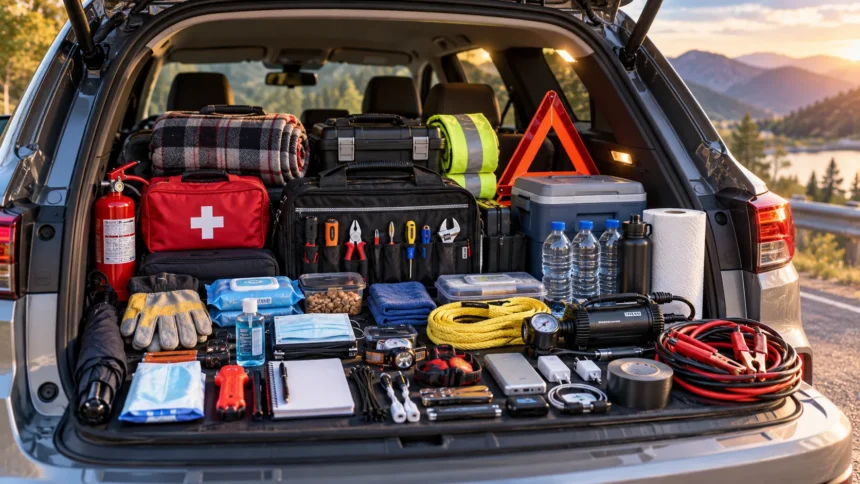
Keeping your car properly equipped can make everyday driving more convenient and unexpected situations easier to manage. Whether you are commuting to work, traveling with family, or planning a long road trip, having useful supplies in your vehicle can save time and reduce unnecessary stress. From emergency equipment to personal comfort items, a well-organized car can help you prepare for different travel situations.
If you have ever wondered, “What are 100 things I should keep in my car?” the answer depends on your lifestyle, climate, vehicle type, and driving habits. Some items are important for road safety, while others are optional conveniences that improve your traveling experience. Understanding the difference helps you prioritize your needs.
This guide covers 100 practical things to keep in your car, organized into easy-to-follow categories. You will also learn how to store essential supplies safely, maintain your emergency kit, and avoid common car organization mistakes.
Why Keeping Essential Items in Your Car Matters
A properly equipped vehicle helps you respond more effectively to unexpected situations. Flat tires, traffic delays, sudden weather changes, and minor emergencies can happen during ordinary journeys. Having useful supplies available can reduce inconvenience and make it easier to contact professional assistance when necessary.
Car essentials also improve everyday convenience for drivers and passengers. Items such as tissues, charging cables, reusable bags, and drinking water can make short errands or longer trips more comfortable. Maintaining these basic supplies reduces the need to purchase replacements during every journey.
The goal is not to fill your vehicle with unnecessary belongings. Instead, create a practical collection of items suited to your driving needs. Prioritizing safety equipment, personal necessities, and seasonal supplies helps maintain a comfortable and organized vehicle without taking up excessive space.
Essential Emergency Supplies Every Car Should Have
Emergency supplies should be the first priority when organizing your vehicle. A first aid kit, flashlight, reflective warning equipment, and emergency contact information can be useful during unexpected breakdowns. Choose equipment that meets local safety requirements and is appropriate for your vehicle.
A reflective safety vest and warning triangles can improve visibility when a vehicle is stopped in a safe location. A flashlight can help passengers see in low-light conditions, while a charged phone provides an important way to request assistance. If a breakdown occurs near moving traffic, prioritize reaching a safe location rather than attempting repairs.
Emergency supplies should be checked regularly for missing, damaged, or expired items. Keep frequently needed equipment accessible and secure heavier objects so they cannot move during sudden braking. A compact emergency kit is often more practical than carrying numerous items without a clear purpose.
Car Maintenance Tools That Can Save Time
Basic maintenance equipment helps drivers identify minor problems and prepare for professional assistance. A tire pressure gauge, portable inflator, and vehicle owner’s manual are particularly useful for routine checks. Keeping these supplies available can also make maintenance appointments and road trips more convenient.
Vehicle-specific equipment deserves special attention because not every car uses the same tools. Some modern vehicles include a tire repair kit instead of a conventional spare tire. Electric and hybrid vehicles may also have specific manufacturer requirements concerning batteries and emergency equipment.
Follow your vehicle manufacturer’s guidance rather than assuming that every traditional repair method is appropriate. Roadside repairs can be hazardous, particularly near traffic or on uneven ground. When a problem requires technical work, contacting qualified roadside assistance is generally the safer option.
Personal Hygiene Items for Everyday Convenience
Personal care supplies can make daily travel more comfortable, especially for people who spend considerable time commuting. Tissues, paper towels, hand sanitizer, and wet wipes help address ordinary spills and minor cleaning needs. Keeping these items together makes them easier to locate when required.
A small hygiene pouch can contain a toothbrush, toothpaste, comb, and other personal necessities. These supplies may be particularly useful during long journeys or after outdoor activities. Choose compact containers that fit inside a glove compartment or another secure storage area.
Remember that some personal care products are sensitive to temperature changes. Extreme heat can damage packaging, alter product quality, or make certain items unsuitable for use. Review storage recommendations and avoid leaving temperature-sensitive products inside your car for extended periods.
Food and Water Supplies for Unexpected Delays
Water and suitable snacks can be helpful when traffic delays or travel disruptions extend a journey. Sealed drinking water, shelf-stable snacks, and reusable bottles are practical choices. Their usefulness becomes especially noticeable during longer trips through areas with limited services.
Choose foods that are easy to store and do not require immediate refrigeration. Dried fruit, crackers, and suitable snack bars may be convenient, although high temperatures can affect their quality. Check packaging instructions and replace supplies regularly to maintain freshness.
Water should also be stored carefully because vehicle interiors can become extremely hot or cold. Rotate drinking supplies frequently and inspect containers for damage. For long trips, carry an appropriate amount based on the number of passengers, travel conditions, and expected access to safe drinking water.
Technology Essentials for Modern Drivers
Phones and navigation tools have become important parts of everyday transportation. A reliable charging cable, vehicle-compatible charger, and fully charged power bank can help maintain communication. These items are especially valuable when traveling through unfamiliar areas or experiencing unexpected delays.
Offline maps provide an additional navigation option when mobile internet coverage becomes unreliable. Downloading useful route information before departure can reduce dependence on a continuous data connection. A printed map can also provide a backup if electronic navigation becomes unavailable.
Technology accessories should be stored without interfering with safe driving. Position phone holders according to local rules and avoid blocking important parts of the windshield. Drivers should never operate distracting devices while the vehicle is moving.
Comfort Items for Long Road Trips
Long-distance travel can become more enjoyable when passengers have access to practical comfort items. Lightweight blankets, spare clothing, travel pillows, and suitable footwear can improve comfort during rest stops. These supplies are particularly useful when weather conditions change during a journey.
Choose accessories based on your route and the needs of your passengers. A compact umbrella may be useful in rainy regions, while sunglasses and a sun hat can provide comfort during bright weather. Seasonal clothing can also help passengers prepare for unexpected temperature changes.
Keep comfort items organized so they do not interfere with seat belts, airbags, or normal vehicle operation. Blankets and pillows should not prevent passengers from sitting correctly. Secure loose items before driving to reduce the risk of objects moving around the cabin.
How to Organize 100 Car Essentials Without Clutter
Car organization requires balancing preparedness with available storage space. Carrying every possible accessory is rarely necessary, particularly for shorter journeys. Select the items most relevant to your driving conditions and store them in clearly defined locations.
A trunk organizer can separate emergency equipment, cleaning products, and travel supplies. Small storage pouches are useful for charging cables, documents, and other compact accessories. Keep important safety supplies accessible while ensuring that equipment cannot move freely during driving.
Avoid placing heavy objects on passenger seats, rear shelves, or other unsecured areas. These objects can become hazardous during sudden stops or collisions. Good organization should improve convenience without compromising vehicle safety, cargo capacity, or passenger comfort.
Important Documents to Keep in Your Vehicle
Vehicle documents are essential for many routine driving situations. Depending on local regulations, drivers may need access to registration details, insurance information, and other required records. Keeping documents organized reduces confusion during inspections, insurance inquiries, or roadside assistance requests.
A small document holder can help protect papers from moisture and everyday wear. Store only information that is necessary or legally required, and avoid leaving sensitive personal documents unnecessarily exposed. Digital copies may be convenient, but they do not replace physical documents where local rules require originals.
Keep emergency telephone numbers and vehicle service information in an easily accessible location. Include contact details for your insurance provider and roadside assistance service. Review these records periodically to ensure the information remains accurate and useful.
Seasonal Supplies for Summer, Winter, and Rain
Weather conditions influence which supplies deserve space in your vehicle. Drivers in colder regions may need ice scrapers, snow brushes, insulated blankets, and suitable winter clothing. These items can be valuable when low temperatures create unexpected travel difficulties.
Warm-weather travel requires different preparation. Drinking water, sunshades, sunglasses, and appropriate clothing can make journeys more comfortable. Vehicle interiors can become extremely hot when parked, so avoid storing heat-sensitive items or anything that could create a safety concern.
Rainy conditions may justify carrying an umbrella, rain protection, and extra towels. Before traveling, check forecasts, local road conditions, and relevant emergency warnings. No emergency kit makes dangerous weather safe, so postponing unnecessary journeys may be the most responsible decision.
Things You Should Avoid Leaving in Your Car
Not every useful household item belongs inside a vehicle. Extreme temperatures, sunlight, and sudden vehicle movement can damage belongings or create hazards. Choosing safe storage practices is just as important as deciding which supplies to carry.
Avoid leaving temperature-sensitive medicines, perishable foods, and vulnerable electronics in a parked vehicle. Flammable products and pressurized containers may also present storage concerns, depending on their specifications and surrounding temperatures. Follow manufacturer guidance for any products intended to remain in a car.
Never leave children or pets unattended inside a parked vehicle, even for a short period. Interior temperatures can change rapidly and become dangerous. Always check passenger areas before locking your vehicle, and make sure essential equipment does not obstruct exits or safety systems.
How Often Should You Check Your Car Emergency Kit?
A car emergency kit needs regular maintenance to remain useful. Batteries may lose power, food supplies may expire, and materials can deteriorate in extreme temperatures. Reviewing your equipment helps identify problems before they become urgent.
A practical approach is to perform a quick monthly inspection and a more comprehensive review every six months. Check flashlight operation, power bank charge, first aid supplies, and the condition of reflective equipment. Inspect food and water more frequently when storage temperatures are extreme.
Update supplies whenever your driving circumstances change. A new vehicle, different commute, seasonal journey, or additional passenger may require different equipment. Keeping your emergency kit relevant is more useful than collecting items that are unlikely to serve a practical purpose.
Conclusion
Knowing what 100 things to keep in your car can help you build a safer and more convenient travel environment. Emergency supplies, basic maintenance equipment, personal necessities, and communication tools are among the most useful categories. The right combination depends on your vehicle, local conditions, and individual travel needs.
You do not need to carry all 100 items during every journey. Start with essential safety supplies and gradually add equipment that genuinely improves your driving experience. Organize everything securely to preserve passenger space and prevent loose objects from becoming hazards.
Review your car essentials regularly and replace supplies when necessary. Preparing thoughtfully can make unexpected situations easier to manage while supporting everyday convenience. A well-maintained vehicle and a practical emergency kit are valuable parts of responsible travel preparation.
Frequently Asked Questions
What Are the Most Important Things to Keep in Your Car?
A first aid kit, flashlight, reflective warning equipment, phone charger, drinking water, and emergency contact information are useful starting points. Add vehicle-specific maintenance supplies and seasonal equipment based on your needs.
Should I Keep an Emergency Kit in My Car?
Yes. A vehicle emergency kit can provide useful supplies during breakdowns, unexpected delays, and some roadside emergencies. Choose equipment appropriate for your vehicle and inspect it regularly.
How Much Water Should I Keep in My Car?
The amount depends on the number of passengers, expected journey length, weather, and access to services. Carry an appropriate emergency supply and replace stored water regularly, especially in extreme temperatures.
Where Should I Store Emergency Supplies in My Car?
Store most supplies in secure trunk organizers or suitable vehicle compartments. Keep essential communication and safety items accessible, and avoid placing loose objects where they could interfere with passengers or driving.
Do I Really Need All 100 Items in My Car?
No. The checklist includes both essential and optional supplies. Prioritize emergency equipment, everyday necessities, and items suited to your climate, then add extras only when they provide a genuine benefit.