
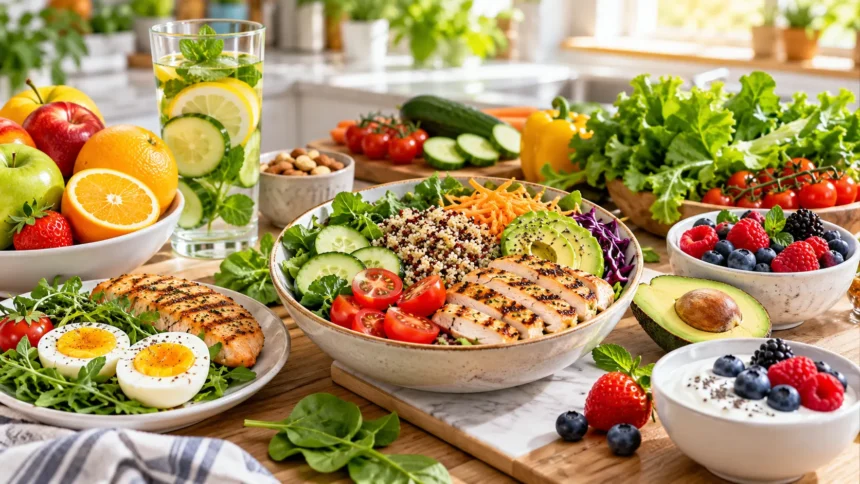
Healthy eating is not simply about choosing foods with fewer calories. It involves selecting nutritious ingredients that provide vitamins, minerals, fiber, protein, and enough energy to support everyday activities. Many naturally lower-calorie foods, including vegetables, fruits, and certain protein sources, can contribute to a balanced eating pattern while adding variety, flavor, and freshness to your meals.
The best low-calorie foods for healthy eating are those that offer valuable nutrients and fit comfortably into satisfying meals. Fresh produce, whole grains, legumes, and protein-rich ingredients can work together to support digestion, energy levels, and general well-being. Rather than focusing only on calorie numbers, it is important to consider nutritional quality, food combinations, and individual dietary needs.
Understanding which foods are naturally lower in calories can help you make informed choices without unnecessarily restricting what you eat. Different foods offer different benefits, and your body needs a variety of nutrients to function properly. This guide explores nutritious food options, their health benefits, and practical ways to include them in enjoyable everyday meals.
Leafy Green Vegetables for Everyday Nutrition
Leafy green vegetables are among the most nutrient-rich foods you can include in a balanced diet. Spinach, kale, lettuce, arugula, and Swiss chard contain various vitamins, minerals, and plant compounds while being naturally low in calories. Their high water content and versatile flavors make them useful ingredients for salads, sandwiches, soups, and cooked meals.
Spinach provides nutrients such as folate, vitamin K, and iron, while kale contains vitamin C and other beneficial plant compounds. Different leafy greens have different nutritional profiles, so eating a variety can support a broader nutrient intake. Cooking some greens may improve the availability of certain nutrients, while raw varieties add freshness and texture.
Try adding leafy vegetables to meals you already enjoy instead of treating them as a separate dietary requirement. Spinach works well in omelets, pasta dishes, and lentil soups, while lettuce adds crunch to sandwiches. Pairing vegetables with satisfying ingredients such as beans, eggs, cheese, or grains creates more complete and enjoyable meals.
Cucumbers and Tomatoes for Fresh, Hydrating Meals
Cucumbers and tomatoes are refreshing vegetables commonly used in salads, sandwiches, and side dishes. Both contain substantial amounts of water and are relatively low in calories compared with many other ingredients. Their crisp textures and fresh flavors make them easy additions to everyday meals, especially during warmer months when lighter, refreshing foods may be appealing.
Cucumbers provide hydration through their water content and contain small amounts of useful nutrients. Tomatoes offer vitamin C, potassium, and lycopene, a naturally occurring plant pigment associated with antioxidant activity. Including both vegetables in meals introduces different textures and flavors while contributing to a varied intake of beneficial nutrients.
You can combine sliced cucumbers and tomatoes with olive oil, herbs, and a little lemon juice for a simple salad. They also work well alongside rice dishes, grilled proteins, or whole-grain sandwiches. Adding nourishing ingredients such as chickpeas, avocado, or yogurt dressing can make these vegetable combinations more satisfying and nutritionally balanced.
Broccoli and Cauliflower for Nutrient-Rich Dishes
Broccoli and cauliflower are versatile cruciferous vegetables that provide useful nutrients without being particularly energy-dense. They contain fiber, vitamin C, and several naturally occurring plant compounds. Both vegetables can be roasted, steamed, incorporated into soups, or combined with other ingredients to create flavorful dishes suitable for different eating preferences.
Broccoli also provides folate and vitamin K, while cauliflower offers a mild taste that blends easily into many recipes. Cooking methods affect texture and flavor, allowing these vegetables to suit different meals. Light steaming preserves a tender-crisp consistency, while roasting creates browned edges and a richer taste that many people enjoy.
Try serving roasted broccoli alongside potatoes, fish, or tofu for a balanced meal. Cauliflower can be added to vegetable curries, pasta dishes, and comforting soups without complicated preparation. Using herbs, olive oil, garlic, and familiar seasonings makes these ingredients enjoyable while preserving their role as part of a varied diet.
Berries for Naturally Sweet and Nutritious Snacks
Berries are a delicious way to enjoy natural sweetness alongside fiber, vitamins, and beneficial plant compounds. Strawberries, blueberries, raspberries, and blackberries are generally lower in energy density than many highly concentrated sweet foods. Their bright colors and distinctive flavors make them popular additions to breakfasts, desserts, snacks, and refreshing homemade drinks.
Strawberries provide vitamin C, while raspberries and blackberries are notable sources of dietary fiber. Blueberries contain anthocyanins, plant pigments that contribute to their characteristic color. Although nutritional profiles vary, eating different types of berries can provide a useful combination of nutrients and make everyday meals more interesting.
Add fresh berries to oatmeal, yogurt, or whole-grain breakfast dishes for extra flavor and texture. Frozen berries are also convenient for smoothies and can be useful when fresh produce is unavailable. Combining berries with protein-rich foods, nuts, or grains creates a more substantial snack than eating fruit alone when you need lasting energy.
Apples, Oranges, and Other Whole Fruits
Whole fruits are an important part of healthy eating because they supply fiber, water, vitamins, and naturally occurring carbohydrates. Apples, oranges, peaches, pears, and melons offer different flavors and nutritional benefits. Many fruits have relatively low energy density, although calorie content varies according to their natural composition and serving size.
Apples and pears contain fiber that supports normal digestive function, while oranges are well known for their vitamin C content. Melons provide substantial amounts of water, making them refreshing during hot weather. Choosing different fruits throughout the week helps introduce a wider range of nutrients rather than relying on one favorite variety.
Whole fruits can be enjoyed as convenient snacks or combined with other ingredients in satisfying meals. Try apple slices with nut butter, oranges alongside breakfast, or melon with yogurt. Fruit does not need to replace other foods to be beneficial, and its natural sugars can fit comfortably within a balanced eating pattern.
Greek Yogurt and Cottage Cheese for Protein
Plain Greek yogurt and cottage cheese are popular protein-rich foods that can support balanced meals and snacks. Depending on the variety, these dairy products may be relatively moderate in calories while offering substantial nutritional value. Protein contributes to normal growth, tissue maintenance, and other important body functions, making it an essential part of everyday eating.
Greek yogurt commonly contains protein and calcium, while cottage cheese also provides protein along with nutrients such as phosphorus and vitamin B12. Their nutritional composition varies by brand and fat content, so different options may suit different preferences. Regular and reduced-fat varieties can both have a place in a healthy diet.
Enjoy Greek yogurt with fruit, oats, or nuts for a convenient breakfast or snack. Cottage cheese pairs well with tomatoes, whole-grain toast, or fresh fruit. Choose portions and combinations that satisfy your appetite, and consider lactose-free or suitable fortified alternatives if conventional dairy products do not agree with your digestive system.
Eggs for Balanced and Satisfying Meals
Eggs are versatile, nutrient-rich foods that provide high-quality protein and several essential vitamins and minerals. They contain nutrients such as vitamin B12, selenium, and choline, which supports normal cellular and nervous system functions. Their combination of protein and fat makes them a useful ingredient for breakfasts, lunches, and other balanced meals.
An egg contains a moderate amount of energy while providing nutrients that contribute to normal body functions. The yolk contains several important nutrients, making whole eggs a valuable option for many people. Individual dietary needs and medical recommendations may vary, so eggs should be considered within the context of an overall eating pattern.
Boiled eggs can be served with whole-grain toast and vegetables, while scrambled eggs pair well with spinach and tomatoes. Omelets also provide an easy opportunity to include mushrooms, peppers, and other colorful ingredients. Preparing eggs with familiar seasonings and complementary foods creates meals that are both practical and enjoyable.
Fish and Lean Protein Sources for Everyday Meals
Fish and other protein sources are important components of a balanced diet because they provide nutrients needed for growth, tissue maintenance, and normal body functions. Options such as white fish, poultry, tofu, and legumes can be incorporated into a wide variety of meals. Their energy content varies depending on the ingredient and preparation method.
White fish varieties often provide protein with relatively modest amounts of fat, while oily fish such as salmon contribute beneficial omega-3 fatty acids. Skinless poultry provides another convenient protein option, and tofu offers a plant-based alternative. Choosing a variety of protein sources helps provide different nutrients rather than depending on one particular food.
Try baking fish with herbs and serving it alongside roasted vegetables and rice. Chicken can be added to soups, salads, or sandwiches, while tofu works well in vegetable stir-fries. Including carbohydrates, vegetables, and appropriate fats alongside protein creates satisfying meals that support everyday energy needs and nutritional balance.
Beans and Lentils for Fiber and Plant-Based Protein
Beans and lentils are affordable, nutritious foods that provide plant-based protein, complex carbohydrates, and dietary fiber. Although they are not necessarily the lowest-calorie ingredients, their nutritional value makes them excellent choices for healthy eating. Chickpeas, black beans, kidney beans, and lentils can help make meals more substantial while supporting dietary variety.
Fiber supports digestive health, while protein contributes to tissue maintenance and numerous important body processes. Legumes also provide minerals such as iron, potassium, and magnesium, although amounts differ between varieties. Their combination of nutrients makes them valuable ingredients for people following vegetarian, vegan, or mixed eating patterns.
Add lentils to vegetable soups, combine chickpeas with salads, or prepare beans alongside rice and roasted vegetables. Canned legumes offer a convenient alternative to cooking dried varieties, particularly when time is limited. Rinsing canned beans can reduce some added sodium, while herbs and spices help create flavorful meals without complicated preparation.
Mushrooms, Zucchini, and Other Versatile Vegetables
Mushrooms and zucchini are useful ingredients for creating flavorful dishes with a variety of textures. Both have relatively high water content and are naturally low in calories. They work well in soups, stir-fries, pasta dishes, omelets, and vegetable-based meals, making them convenient choices for increasing the variety of produce in your diet.
Mushrooms provide B vitamins and minerals such as selenium, although their nutritional composition depends on the variety. Zucchini contains vitamin C, potassium, and other nutrients while offering a mild flavor. These foods can absorb seasonings and complement many ingredients, allowing you to prepare satisfying dishes without relying on elaborate cooking techniques.
Try sautéing mushrooms with garlic and adding them to whole-grain toast or scrambled eggs. Zucchini can be roasted, included in vegetable curries, or combined with pasta and tomato sauce. Pairing vegetables with grains, protein, and nourishing fats helps create complete meals rather than treating low-calorie ingredients as replacements for essential foods.
Vegetable Soups and Balanced Homemade Meals
Vegetable-based soups can provide a comforting way to include several nutritious ingredients in one meal. Broth-based soups containing carrots, tomatoes, celery, spinach, and other vegetables often have relatively low energy density. However, the nutritional completeness of a soup depends on whether it also includes sufficient protein, carbohydrates, and other important nutrients.
Adding lentils, beans, chicken, tofu, potatoes, or whole grains can make homemade soups more substantial and satisfying. These ingredients contribute protein, fiber, and energy needed for everyday activities. A balanced soup can serve as a complete meal when it contains an appropriate mixture of vegetables and other nourishing food groups.
Prepare soups using familiar herbs, garlic, onions, and suitable seasonings to create rich flavors. Homemade versions allow you to adjust ingredients according to taste, dietary preferences, and available produce. Serve vegetable soup with whole-grain bread, yogurt, or another complementary food when you want a more filling and enjoyable meal.
How to Include Low-Calorie Foods in a Balanced Diet
Including naturally lower-calorie foods in your meals does not mean avoiding higher-calorie ingredients. Foods such as nuts, olive oil, avocados, whole grains, and dairy products provide important nutrients and energy. A healthy eating pattern includes a suitable variety of foods rather than judging their value entirely by the number of calories they contain.
One practical approach is to build meals around several complementary food groups. For example, combine colorful vegetables with a protein source, satisfying carbohydrates, and healthy fats. This arrangement provides different nutrients while allowing you to enjoy favorite ingredients without unnecessary food rules or complicated meal planning.
Pay attention to hunger, fullness, enjoyment, and your individual nutritional needs when planning meals. Energy requirements vary with age, growth, activity, and overall health, so a single eating pattern will not suit everyone. If you have specific dietary concerns or medical requirements, a qualified healthcare professional or registered dietitian can provide personalized guidance.
Conclusion
The best low-calorie foods for healthy eating include a wide range of fruits, vegetables, dairy products, and other nutrient-rich ingredients. Leafy greens, berries, cucumbers, broccoli, yogurt, and vegetable soups can contribute valuable nutrients and variety to everyday meals. Their benefits come from nutritional quality and how they fit into an overall balanced diet.
Healthy eating is most sustainable when meals are enjoyable, satisfying, and appropriate for your body’s needs. Combining vegetables and fruits with protein sources, whole grains, and healthy fats supports a more complete intake of nutrients. Instead of focusing exclusively on calorie content, prioritize food variety, regular nourishment, and practical eating habits.
Remember that every food serves a different purpose, and higher-calorie foods can also provide essential nutrition. There is no need to build your diet around the lowest-calorie choices or follow unnecessary restrictions. By exploring different nutritious ingredients and preparing meals you enjoy, you can develop a positive approach to eating that supports long-term well-being.
Frequently Asked Questions
What are the best low-calorie foods for healthy eating?
Leafy greens, cucumbers, tomatoes, berries, broccoli, cauliflower, and many other fruits and vegetables are naturally low in calories. Combine them with protein, carbohydrates, and healthy fats for balanced nutrition.
Are low-calorie foods always healthier?
No, calorie content does not determine whether a food is healthy. Nutrient-rich higher-calorie foods, including nuts, avocados, and whole grains, can provide valuable energy, vitamins, minerals, and healthy fats.
Which low-calorie foods provide protein?
Plain Greek yogurt, cottage cheese, eggs, certain fish, and some lean protein sources offer useful amounts of protein. Beans, lentils, and tofu also contribute protein as part of balanced meals.
Can I eat low-calorie foods every day?
Yes, foods such as fruits and vegetables can be enjoyed daily as part of a varied diet. However, your meals should also provide sufficient energy, protein, carbohydrates, fats, and essential nutrients.
How can I make healthy meals more satisfying?
Combine vegetables or fruit with protein-rich ingredients, whole grains, and nourishing fats. Choose foods you enjoy and eat enough to feel comfortably satisfied rather than relying only on low-calorie ingredients.