

The Importance of a Clean Home
Maintaining a clean home is essential for various reasons that go beyond mere aesthetics. A clean environment fosters both physical and mental well-being, significantly improving the quality of life for its inhabitants. Numerous studies suggest that a tidy and organized space can lead to lower stress levels and a more positive mindset. The act of cleaning can also serve as a form of physical activity, promoting overall health and fitness. Moreover, a clean home enhances productivity by creating an atmosphere conducive to focus and efficiency. When clutter is minimized, individuals can concentrate more effectively on tasks without the distraction of disarray. This is particularly crucial in work-from-home settings, where a tidy workspace can lead to improved performance and motivation. A clean environment encourages a more efficient workflow and allows for easier access to necessary items, preventing time lost in searching for misplaced belongings.
Furthermore, a well-maintained home cultivates a welcoming atmosphere for guests, contributing to social well-being. An inviting space encourages social interaction and fosters relationships, enhancing the feeling of community and support that is vital for mental health. Additionally, households that are routinely cleaned can mitigate potential health risks by preventing the build-up of allergens and pollutants, thereby ensuring a healthier living space. The psychological benefits of cleanliness cannot be overstated; individuals often report feeling a sense of accomplishment and control after engaging in cleaning tasks.
In summary, the importance of a clean home cannot be overlooked. The physical and mental health advantages, alongside enhanced productivity and the creation of a welcoming environment, underscore the significant role cleanliness plays in simplifying life and elevating overall well-being.
Creating a Cleaning Schedule
Establishing a cleaning schedule is a highly effective strategy for maintaining a tidy home without feeling overwhelmed. By organizing daily, weekly, and monthly tasks, individuals can streamline their cleaning efforts, making upkeep more manageable amidst a busy lifestyle.
Starting with daily tasks, allocate approximately 15 to 30 minutes each day to essential cleaning activities. This could include making the bed, washing dishes, or wiping down kitchen counters. These small actions prevent clutter from accumulating and promote a consistently clean environment. Furthermore, integrating these tasks into morning or evening routines can make them less cumbersome.
Weekly tasks can be distributed over several days to foster a manageable workload. For example, designate specific days for particular areas or tasks, such as vacuuming on Tuesdays, bathroom cleaning on Wednesdays, and dusting on Thursdays. By spreading out these responsibilities, the overall cleaning commitment feels less burdensome and more organized. Each of these tasks typically requires 30 to 60 minutes, allowing for concentrated yet effective cleaning sessions.
Monthly tasks might include activities such as deep cleaning the refrigerator, organizing closets, or washing windows. To tackle monthly tasks efficiently, set aside a few hours during the weekend or on your day off. Creating a checklist for these less frequent tasks can ensure none are overlooked and facilitate a sense of accomplishment each month.
Ultimately, developing a cleaning schedule that accounts for your unique lifestyle is paramount. The key lies in flexibility and consistency, ensuring that cleaning becomes a seamless part of daily life rather than a source of stress. A well-structured cleaning schedule not only keeps your home looking its best but also fosters a sense of order and tranquility throughout your living space.
Simplifying Cleaning Supplies
In the pursuit of a cleaner home with less effort, one effective strategy lies in simplifying cleaning supplies. By choosing the right products, homeowners can streamline their cleaning process, reduce clutter, and concentrate on what truly matters – maintaining a tidy environment.
First, consider adopting multi-purpose cleaners. These versatile solutions are designed to tackle various surfaces and stains, eliminating the need for multiple specific products. For example, a single cleaner that works on countertops, glass, and floors can significantly ease the cleaning routine. This not only saves time but also simplifies storage, allowing one to maintain a more organized cleaning cabinet.
Furthermore, natural alternatives have gained popularity due to their effectiveness and eco-friendliness. Products made from vinegar, baking soda, and essential oils can effectively replace a variety of commercial cleaners while often being safer for both the user and the environment. By choosing natural cleaning products, individuals can achieve a similar level of cleanliness without exposure to harsh chemicals.
Additionally, when selecting essential tools, it’s crucial to invest in high-quality items that can serve multiple purposes. A microfiber cloth, for instance, can be used for dusting, polishing, and cleaning various surfaces without the need for paper towels or disposable wipes. Similarly, a versatile vacuum cleaner with various attachments can handle floors, upholstery, and even hard-to-reach spaces, thus enhancing cleaning efficiency.
In conclusion, streamlining cleaning supplies through the use of multi-purpose cleaners, natural alternatives, and multifunctional tools can significantly ease the burden of home maintenance. By making selective choices, homeowners can enjoy a cleaner living space with less effort and increased satisfaction.
Decluttering for Easy Cleaning
Decluttering is an essential aspect of maintaining a clean home, as it directly influences the ease and effectiveness of cleaning tasks. When belongings are organized and surfaces are clear, cleaning becomes a straightforward and time-efficient process. A home filled with excess items can create distractions and obstacles during cleaning, leading to a more laborious and less rewarding experience.
One effective strategy for decluttering is the “one in, one out” approach. This principle states that for every new item brought into the home, one existing item should be removed. This not only prevents accumulation but also encourages mindful purchasing habits. By evaluating whether a new item is genuinely needed and what can be sacrificed in its place, individuals can maintain more organized and efficient living spaces.
Additionally, setting aside regular decluttering days can significantly enhance the management of household clutter. Allocating specific times—such as the first Saturday of every month—to reassess items and spaces promotes a culture of cleanliness and organization. During these sessions, homeowners can systematically go through various areas of their home, including closets, drawers, and other storage solutions. This practice not only aids in identifying what is no longer useful but also ensures surfaces remain clear and accessible.
Creating designated spaces for each item and utilizing storage solutions can further streamline the decluttering process. Utilizing baskets, bins, and shelves allows for efficient organization, reducing the time spent searching for items and enhancing overall tidiness. Ultimately, decluttering is not merely about throwing items away but about establishing a deliberate and organized living environment conducive to regular and effortless cleaning.
Implementing Efficient Cleaning Techniques
To maintain a spotless home with minimal effort, integrating effective cleaning techniques is essential. One highly regarded method is the top-to-bottom cleaning strategy. This technique involves starting your cleaning efforts from the highest point in a room, like shelves or light fixtures, and gradually making your way down to the floors. By following this approach, dust and debris are allowed to fall downward, preventing the need for re-cleaning of surfaces that have already been addressed.
Another valuable tactic is the “clean as you go” method, particularly useful in kitchen environments. This technique emphasizes maintaining cleanliness while preparing meals. For instance, washing dishes and wiping countertops immediately after use can significantly reduce the amount of clutter and mess that accumulates over time. Incorporating this practice into your daily routine not only streamlines the cleaning process but also allows for a more enjoyable cooking experience.
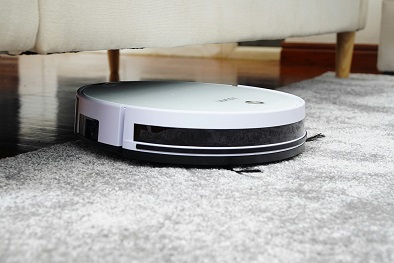
In addition to these proactive measures, leveraging technology can further enhance your cleaning efficiency. The advent of robotic vacuums represents a significant advancement in home cleaning. These devices can autonomously traverse floors, effortlessly collecting dust, hair, and other debris without requiring constant supervision. Setting a schedule for a robotic vacuum to operate while you are away from home can ensure that your floors remain clean with minimal input from you.
Lastly, consider investing in multipurpose cleaning tools that can streamline your process even further. For instance, a vacuum cleaner that functions as both a vacuum and a mop can save time and effort, eliminating the need for multiple cleaning devices. By adopting these efficient cleaning techniques, you can create a clean and inviting home with less effort, making your routine easier and more manageable.
Involving Everyone in the Household
Maintaining a clean home can be a daunting task, especially for those managing busy households. One effective way to minimize the burden is to involve everyone in the household in the cleaning process. Teamwork is essential for a clean home, as it ensures that responsibilities are shared equitably among family members, reducing the load that falls on one individual.
When assigning tasks, it is crucial to consider the age and abilities of each household member. Younger children can be given simple tasks such as picking up toys, dusting low surfaces, or sorting laundry. As they grow older, responsibilities can be gradually increased to include more complex chores like vacuuming, washing dishes, or taking out the trash. This not only teaches children valuable life skills but also instills a sense of ownership and accomplishment in maintaining a tidy living space.
Establishing a cleaning rotation can streamline household duties and promote accountability within the family. A weekly or bi-weekly schedule can be created, where each family member is assigned specific tasks on designated days. This method encourages everyone to contribute regularly, making cleaning a part of the daily routine rather than an overwhelming periodic event. Additionally, it may be beneficial to highlight individual preferences when assigning tasks; for instance, a family member who enjoys cooking can take on kitchen cleanup while another who prefers organizing can handle decluttering various rooms.
To further incentivize participation, consider implementing a rewards system. This could involve earning points for completing tasks, which can be redeemed for privileges like extra screen time, a special treat, or a family outing. By fostering a cooperative atmosphere and recognizing each member’s contributions, cleaning becomes a joint effort. Involving everyone not only leads to a cleaner home but also strengthens family bonds through mutual collaboration and shared responsibilities.
Mindset and Motivation for Cleaning
A positive mindset is crucial when it comes to maintaining cleanliness in the home. The psychological aspects of cleaning can significantly influence one’s ability to undertake and complete cleaning tasks. To foster a productive mindset, it is important to acknowledge that cleaning is not merely a chore, but a necessary aspect of creating a comfortable and inviting living space.
One effective way to develop a more favorable attitude towards cleaning is to set achievable goals. Instead of overwhelming oneself with the prospect of an entire cleaning marathon, break tasks down into manageable segments. For example, focus on cleaning one room at a time or dedicate just 15 minutes a day to a specific cleaning task. This approach makes the workload seem less daunting and helps in maintaining motivation.
Rewarding oneself after completing cleaning tasks can further enhance motivation. Consider this as a small incentive to look forward to once the task is completed. A simple reward, such as enjoying a cup of tea or watching an episode of a favorite show, can create a positive association with cleaning. This makes it easier to tackle similar tasks in the future.
Incorporating music into your cleaning routine is another effective strategy for boosting motivation. Listening to upbeat or favorite tunes can make mundane tasks more enjoyable and can significantly uplift your mood as you tidy up your space. The rhythm of music often encourages faster movement, transforming cleaning from a chore into a fun activity.
By adopting a positive mindset, setting realistic goals, and using rewards or music as motivation, anyone can cultivate a more efficient and enjoyable cleaning routine. Shifting one’s perspective can lead to a more organized and pleasant home environment with less effort required.
Maintaining Cleanliness with Habits
Establishing daily habits is essential for achieving and maintaining a consistently clean home with less effort. Small, sustainable changes in your routine can significantly impact your living environment. One of the simplest habits to adopt is making your bed each morning. This small task can transform the appearance of your bedroom and sets a positive tone for the rest of the day. Not only does it create a neat atmosphere, but it also encourages you to maintain that sense of order throughout your home.
Another crucial habit is to tackle the dishes immediately after meals. Allowing dishes to pile up can become overwhelming and lead to stress. By cleaning up right after you finish eating, you not only keep your kitchen looking tidy but also make the overall cleaning process less daunting. This principle can be applied to other areas in your home as well, such as wiping down countertops or sweeping the floor right after food preparation.
Tidying as you move through the house is another effective practice. If you notice items that are out of place, take a moment to put them back in their designated spots instead of waiting until the end of the day or week. This habit minimizes clutter and keeps surfaces clear, making cleaning less frequent and as a result, less burdensome. By integrating these simple routines into your daily life, you create a more manageable system for maintaining cleanliness.
Ultimately, the secret to a clean home lies not in extensive cleaning sessions but in small, consistent efforts that become habitual. Embracing these habits can lead to a significant reduction in the time and energy required to maintain your living space, allowing you to enjoy your home more fully.
Conclusion: Embracing a Clean Home Lifestyle
Maintaining a clean home does not have to become a daunting chore that disrupts your daily life. By integrating small habits into your routine, you can create a living environment that is organized and welcoming without feeling overwhelmed. Embracing a clean home lifestyle involves finding practical solutions that suit your individual needs and preferences.
One effective strategy is to establish a regular cleaning schedule that includes daily, weekly, and monthly tasks. This method allows you to break down the cleaning process into manageable segments, making it less stressful. Adopting simple practices, such as tidying up clutter after each use and designating specific areas for commonly used items, can dramatically reduce the time spent on larger cleaning sessions.
Another important aspect is involving all family members in the cleaning process. Assigning specific tasks to each member not only shares the workload but also teaches valuable responsibility and encourages teamwork. Furthermore, by keeping cleaning supplies readily available in strategic locations, each person can easily access what they need to maintain cleanliness throughout the home.
It is also beneficial to approach home cleanliness with an attitude of mindfulness. Taking a few moments each day to evaluate the state of your living space can help you identify areas that require attention before they become overwhelming. This proactive approach contributes significantly to a cleaner environment while minimizing stress and allowing you to enjoy a more serene atmosphere.
Ultimately, creating and maintaining a clean home is an ongoing process that requires intention and consistency. By implementing these strategies and discovering a workflow that resonates with you, a clean home can become an effortless aspect of your lifestyle rather than a burdensome task.