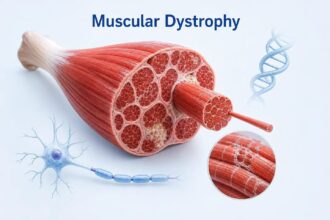


Introduction to Daily Physical Activity
Daily physical activity refers to any form of bodily movement that engages the skeletal muscles, ultimately contributing to overall health and well-being. This encompasses a broad range of activities, including walking, running, cycling, swimming, or engaging in recreational sports. It is essential for individuals of all ages, as it promotes physical fitness, mental health, and reduces the risk of chronic diseases.
The World Health Organization recommends that adults engage in at least 150 minutes of moderate-intensity or 75 minutes of vigorous-intensity aerobic physical activity each week. This guidance emphasizes not only the quantity of physical activity but also its diversity; incorporating muscle-strengthening activities on two or more days a week is equally important. For children and adolescents, the recommendation is even more ambitious, with 60 minutes of daily activity advocated to foster healthy growth and development.
Understanding the significance of daily physical activity is vital, as it serves as a foundation for maintaining a healthy lifestyle. Regular engagement in such activities contributes to improved cardiovascular health, enhanced muscular strength, and better flexibility and balance. Moreover, mental health benefits cannot be understated, as physical activity is linked to reduced anxiety and depression and increased overall mood. Furthermore, individuals who incorporate daily physical activity into their routines often report better sleep patterns and heightened focus during daytime activities.
With the rise of sedentary behaviors, such as prolonged screen time and limited outdoor activity, it is crucial to prioritize daily physical movement. Equipping oneself with the knowledge of what constitutes sufficient activity can empower individuals to take charge of their health and well-being. In exploring these guidelines further, we will delve into the myriad benefits associated with maintaining a consistent pattern of physical activity.
Physical Benefits of Daily Activity
Engaging in daily physical activity is critical for maintaining and enhancing an individual’s overall physical health. One of the most significant benefits of regular exercise is its positive impact on cardiovascular health. Activities such as jogging, swimming, and cycling strengthen the heart muscle, improve circulation, and help regulate blood pressure. Through consistent aerobic activity, individuals can significantly reduce their risk of heart disease and stroke.
In addition to cardiovascular improvements, daily exercise contributes to enhanced muscle strength and flexibility. Strength training exercises, including resistance training and weight lifting, effectively build muscle mass, improve bone density, and assist with weight management. As muscle strength increases, daily tasks become easier, leading to greater functional independence in older adults. Furthermore, incorporating stretching routines can improve flexibility, which in turn reduces the risk of injury and enhances overall physical performance.
Weight management is another favorable outcome of engaging in daily physical activity. Regular exercise helps maintain a healthy weight by burning calories and increasing metabolic rate. When combined with a balanced diet, daily workouts can assist individuals in achieving and sustaining their desired weight. Additionally, physical activity plays a crucial role in reducing the risk of chronic diseases such as diabetes, obesity, and certain types of cancer. Research indicates that those who pursue a regular exercise regimen have lower levels of inflammation and improved immune function, providing further protection against various health conditions.
Overall, the physical benefits of daily activity extend well beyond mere aesthetics. By committing to a consistent exercise routine, individuals not only improve their current health but also lay a foundation for long-term well-being and vitality throughout their lives.
Mental Benefits of Daily Activity
Engaging in regular physical activity has been shown to have numerous mental benefits, significantly impacting emotional well-being and cognitive function. One of the primary advantages of daily exercise is its ability to reduce symptoms of anxiety and depression. Exercise stimulates the production of endorphins, often referred to as “feel-good” hormones, which can help alleviate feelings of sadness and improve overall mood. Furthermore, studies have indicated that individuals who exercise regularly report lower levels of anxiety and improved resilience in facing stress-related challenges.
Moreover, physical activity plays a pivotal role in enhancing cognitive functions such as memory and concentration. Engaging in exercise increases blood flow to the brain, promoting the growth of new neural connections and improving overall brain health. Activities that require coordination and skill, such as dance or team sports, can challenge the brain and further enhance cognitive development. Evidence suggests that even moderate physical activity can lead to sharper focus and greater productivity in daily tasks.
Another notable mental benefit of daily physical activity is the enhancement of self-esteem. Achieving fitness goals, however small, can provide a sense of accomplishment and a boost in self-confidence. This positive feedback loop encourages individuals to maintain their exercise routines, ultimately leading to a healthier lifestyle both physically and mentally. Additionally, engaging in exercise can foster social connections when performed in group settings, contributing to an individual’s sense of belonging and emotional well-being.
In conclusion, the mental health benefits of daily physical activity are profound and multifaceted. By incorporating exercise into daily routines, individuals can experience improvements in mood, reductions in anxiety and depression, and enhancements in cognitive function, thereby nurturing a more fulfilling and balanced life.
Social Benefits of Engaging in Activities
Engaging in daily physical activity is not only crucial for health but also serves as a powerful medium for fostering social connections. When individuals participate in group sports or fitness classes, they are provided with opportunities to interact with others, forming bonds that extend beyond the activity itself. These social interactions can lead to the development of friendships, which contribute to a sense of belonging and community.
Group activities, such as team sports, dance classes, or fitness boot camps, create an environment where individuals share a common goal, thus promoting teamwork and cooperation. This shared experience can enhance motivation and accountability, as participants encourage each other to persist in their fitness journeys. For instance, the encouragement received from peers in a running group can bolster one’s commitment to maintaining a regular exercise routine.
Moreover, engaging in physical activity within a group setting allows individuals to tap into diverse social networks. This exposure can lead to the formation of supportive relationships, which are essential for emotional well-being. Participants often find themselves surrounded by like-minded individuals who share similar interests, fostering a positive atmosphere that enhances the overall enjoyment of the activity.
In addition to fostering interpersonal relationships, active participation in community sports or local fitness events can instill a sense of pride and investment in one’s community. Such involvement cultivates a spirit of fellowship and collective identity, thereby contributing to community building. Overall, the social benefits of engaging in physical activities extend beyond mere participation; they facilitate essential connections and create enriching experiences that resonate throughout various aspects of life.
Incorporating Daily Physical Activity into Busy Lives
In today’s fast-paced world, finding time for daily physical activity can seem challenging. However, there are numerous strategies to seamlessly integrate movement into our busy schedules. One effective approach is to engage in short bursts of exercise throughout the day. This can be as simple as taking a brisk five-minute walk during a work break or performing a few quick exercises like squats or push-ups at home. These short sessions can accumulate and contribute significantly to overall fitness without requiring a large time commitment.
Active commuting is another practical method to incorporate physical activity. If possible, consider walking or cycling to work instead of driving. This not only aids in physical fitness but also reduces stress while helping one to start the day in a positive mindset. For those living too far from their workplace to walk or bike, parking farther away from the entrance or getting off public transportation a stop early can facilitate additional movement throughout the day.
Moreover, workplaces can also be optimized to promote physical activity. Encouraging standing meetings, using stairs instead of elevators, and creating walking paths in and around office buildings can substantially increase daily movement. Employees are likely to become more active without significantly altering their daily routines. Incorporating stretching or quick body-weight exercises into the daily workflow can also help combat the negative effects of prolonged sitting.
By implementing these strategies, individuals can effectively weave physical activity into their daily lives, regardless of apparent time constraints. This emphasizes the importance of prioritizing health and fitness, enabling a balanced lifestyle even amid hectic schedules.
Overcoming Barriers to Daily Activity
Many individuals aspire to incorporate physical activity into their daily lives; however, various barriers often hinder this effort. Understanding these obstacles is crucial for developing effective strategies that promote a consistent exercise routine.
One of the most prevalent challenges is the perception of time constraints. With busy work schedules, family obligations, and social commitments, it can be difficult to allocate time for regular exercise. To combat this hurdle, individuals can adopt time-efficient workouts, such as high-intensity interval training (HIIT) or short workout sessions. Scheduling physical activity in advance, treating it like an important appointment, may also ensure that it becomes a priority rather than an afterthought.
Lack of motivation presents another significant barrier. Many people struggle to maintain enthusiasm for an exercise regimen over the long term. Setting realistic and achievable goals can help reinvigorate motivation, as can finding a workout buddy or joining a community group. Social support plays a vital role in sustaining commitment to a physical activity routine, making the experience more enjoyable and rewarding.
Access to facilities can also deter individuals from engaging in daily physical activity. In areas where gyms or safe outdoor spaces are limited, it is essential to explore alternative options. At-home workouts, outdoor exercises such as walking or jogging in public spaces, and utilizing online fitness resources can provide viable solutions. These alternatives eliminate the necessity for equipment while making physical activity more accessible.
Lastly, the fear of injury can inhibit participation in physical activity. Educating oneself about proper techniques and gradually increasing intensity can help alleviate these concerns. Consulting with fitness professionals can provide guidance on safe practices and personalizing routines according to individual needs, thus promoting confidence in one’s ability to engage in physical activity.
Setting Realistic Goals for Physical Activity
Setting realistic goals is a fundamental aspect of maintaining a consistent physical activity routine. It serves not only to improve one’s fitness levels but also to cultivate long-term habits that enhance overall well-being. When individuals establish objectives that are achievable, they set themselves up for success and create a sustainable framework for fitness improvement.
To develop effective fitness goals, it is beneficial to adopt the SMART criteria, which stands for Specific, Measurable, Achievable, Relevant, and Time-bound. For instance, instead of vague ambitions such as “being more active,” individuals can specify their goals to something concrete, like “walking 30 minutes, five times a week.” This clarity in what one aims to achieve can significantly increase the likelihood of adhering to the plan.
Moreover, regularly tracking progress is essential in the journey toward achieving fitness goals. Utilizing fitness apps, journals, or simply a calendar to record daily activity can help individuals monitor their advancements. Seeing one’s progress laid out on paper can be incredibly motivating and can serve as a tangible reminder of how far one has come. Additionally, setting incremental milestones is advantageous. Celebrating small victories, such as increasing the number of active days each week or enhancing the duration of workouts, can provide a much-needed boost in motivation and confidence.
It is also essential to remain adaptable. Life’s demands can sometimes interfere with our fitness routines, leading to frustration if changes are necessary. Being open to adjusting goals based on current circumstances can help maintain engagement without feeling overwhelmed. Embracing flexibility encourages a more positive outlook on physical activity.
Guidelines for All Age Groups
Engaging in regular physical activity is crucial for maintaining overall health and wellbeing throughout the various stages of life. The recommended guidelines for daily physical activity vary by age group, as each demographic has unique needs and capabilities.
For children and adolescents, aged 6 to 17 years, the CDC recommends a minimum of 60 minutes of moderate to vigorous physical activity daily. This should include a mix of aerobic exercises, muscle-strengthening activities, and bone-strengthening exercises at least three times per week. Activities such as running, swimming, or team sports not only foster physical health but also contribute to social development and mental wellbeing, making active play an essential part of their growth.
In contrast, adults, aged 18 to 64 years, should aim for at least 150 minutes of moderate-intensity aerobic exercise each week or 75 minutes of vigorous-intensity activity, complemented by two or more days of muscle-strengthening exercises involving all major muscle groups. Activities like brisk walking, cycling, and resistance training are highly beneficial. These activities help mitigate the risks associated with chronic diseases, support mental health, and improve overall quality of life.
For seniors, aged 65 and older, the guidelines emphasize the importance of remaining active while considering any limitations that may arise due to health conditions. Older adults should engage in at least 150 minutes of moderate-intensity aerobic activity spread throughout the week, along with muscle-strengthening activities on two or more days. Balance exercises are particularly emphasized for this group to reduce the risk of falls and enhance stability.
Recognizing that individual needs change with age, it is crucial for individuals to stay informed about tailored physical activity recommendations according to their age group. With proper adherence to these guidelines, individuals of all ages can enjoy improved health outcomes and enhance their quality of life.
Conclusion: Making Daily Activity a Lifestyle
In summary, the integration of daily physical activity into one’s routine is an essential component of a healthy lifestyle. As we have explored throughout this discussion, regular physical activity not only contributes to enhanced physical well-being but also supports mental health, boosts mood, and increases energy levels. Viewing daily activity as a lifestyle choice rather than an obligation is critical for long-lasting commitment and success.
It is important to recognize that adopting an active lifestyle does not necessitate drastic changes or extensive time commitments. Simple adjustments, such as walking more often, taking stairs instead of the elevator, or engaging in fun activities, can lead to substantial health benefits. The emphasis should be on finding enjoyable ways to include movement in daily routines, which can foster a positive association with physical activity.
Moreover, building community connections through group activities or sports can provide additional motivation, making the process enjoyable. This social aspect can greatly enhance accountability, making it easier to establish sustained habits. Therefore, engaging with others not only enriches one’s experience but can also serve as a supportive network in the pursuit of an active lifestyle.
Ultimately, the journey towards incorporating daily physical activity should be viewed as a personal endeavor that is tailored to individual preferences and capabilities. By taking the first step towards regular movement, individuals can pave the way for improved health and quality of life. Start today, and embrace the transformative power of daily physical activity. Every step counts toward making movement a cherished part of your everyday life.