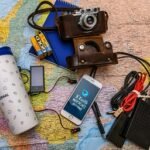

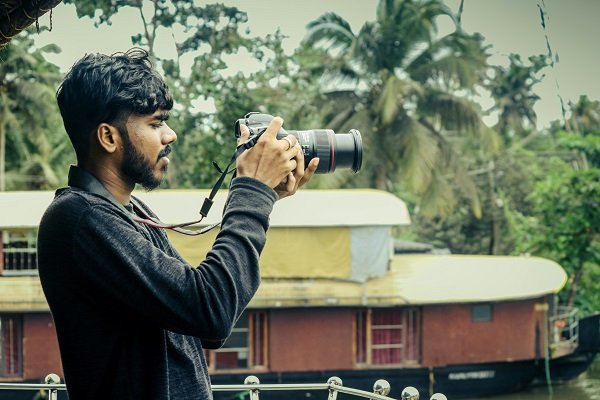
Travel photography guide captures the beauty and diversity of people, places, and experiences around the world. To embark on this creative journey, understanding your camera is essential. There are several types of cameras tailored for different photography styles and skill levels. The most common options include compact digital cameras, mirrorless cameras, and digital single-lens reflex (DSLR) cameras.
Compact digital cameras are lightweight, portable, and user-friendly, making them an excellent choice for beginners. They often feature automatic settings, allowing users to take photos without extensive knowledge of camera mechanics. Mirrorless cameras provide a step up, offering interchangeable lenses and advanced features while maintaining a compact form. Finally, DSLRs are favored by many professionals due to their robustness and versatility, often equipped with extensive manual controls that facilitate creativity. Choosing the right camera relies on your travel goals, budget, and level of expertise.
Once you have selected a camera, familiarizing yourself with basic settings is crucial for enhancing your travel photography skills. Three fundamental settings to understand are aperture, shutter speed, and ISO. The aperture controls the amount of light entering the camera and affects depth of field; a wide aperture (e.g., f/2.8) can create a blurred background, ideal for portrait shots, while a narrow aperture (e.g., f/16) is better for landscapes. Shutter speed determines how long the camera’s sensor is exposed to light; faster speeds (e.g., 1/1000s) can freeze motion, while slower speeds can be used for creative effects, such as blurring flowing water.
ISO measures the camera’s sensitivity to light, enabling photography in various lighting conditions. A lower ISO (e.g., 100) reduces noise but requires more light, whereas a higher ISO (e.g., 1600) allows shooting in dim conditions but can introduce noise. Understanding how to manipulate these settings in combination will enhance your ability to capture stunning travel photographs.
One of the most fundamental aspects of travel photography lies in mastering composition techniques. A well-composed image can significantly enhance the storytelling aspect of a photograph, allowing the viewer to connect with the moment captured. One widely recognized guideline in photography is the rule of thirds. This technique involves dividing your frame into nine equal segments using two vertical and two horizontal lines. By placing points of interest along these lines or at their intersections, photographers can create a sense of balance and draw viewers’ attention more effectively to the subject.
Another essential technique is the use of leading lines. These are natural lines within the scene that guide the viewer’s eye toward the focal point of the image. Roads, pathways, and rivers can serve as leading lines, helping to create depth and dimension in photographs. This technique is particularly effective in travel photography as it often emphasizes the journey—whether that journey is physical or emotional.
Framing is yet another crucial composition technique. By using elements within the environment to frame the subject, such as archways, trees, or buildings, photographers can create a more cohesive and focused image. This technique not only enhances the visual appeal but also provides context, allowing the subject to stand out against its surroundings.
Finding interesting angles and perspectives is paramount for capturing compelling travel photographs. Instead of shooting from eye level, experiment with different heights, such as crouching down or shooting from above. Varying your angle can reveal new facets of a scene, providing a fresh take that can engage viewers. Travel photography is ultimately about telling a story through visuals, and mastering these composition techniques is a step toward creating more impactful imagery.
Lighting is a crucial aspect of travel photography that can significantly affect the outcome of your images. Utilizing natural light effectively enables photographers to capture the essence of their surroundings, enhancing the storytelling aspect of their travels. One of the most favorable times to shoot is during the golden hour, which occurs shortly after sunrise and before sunset. During these times, the sun casts a warm, soft light that creates a beautiful glow, ideal for photographs. This natural lighting not only highlights colors but also adds depth and dimension to your images.
In contrast, shooting in harsh sunlight, typically around noon, can pose challenges such as strong shadows and overexposed highlights. To counteract these issues, consider using shaded areas or shooting under cloudy skies, which diffuse the sun’s light, softening harsh contrasts. If you must shoot in direct sunlight, pay attention to the angles; low angles can minimize glare while offering unique perspectives on your subjects. Additionally, utilizing reflectors can help bounce light onto your subject, reducing shadows and enhancing details.
Low-light conditions present their own set of challenges but can yield striking photographic results. Nighttime photography or shooting in dimly lit environments can highlight captivating textures and colors that are often overlooked. To adapt to these conditions, increase your camera’s ISO setting to capture more light, and, if possible, use a tripod to stabilize your shot and avoid motion blur. Lastly, consider manipulating shadows and reflections creatively; they can add drama and intrigue to your compositions. Pay attention to bodies of water, glass surfaces, and light sources, as they can provide unique opportunities for artistic expression through the interplay of light and shadow.
Incorporating Local Culture
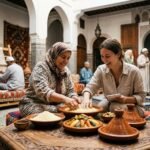
Travel photography is an art that goes beyond merely capturing scenic views. It involves an ethical responsibility to portray local cultures with respect and authenticity. Engaging with the local community is vital in achieving this. One effective way to connect with locals is to participate in community events, festivals, or markets. Such experiences offer insight into the local culture, and they often provide unique photographic opportunities. Observing and understanding social norms before photographing can also foster helped relationships with residents.
Understanding the cultural context of a location is essential for any respectful photographer. Different cultures have their practices and sensitivities regarding photography. In some places, taking photographs of certain sites may be considered offensive or intrusive. Therefore, it’s prudent to research the cultural norms and taboos associated with different destinations. A well-informed photographer can navigate these nuances effectively, ensuring that they capture the essence of the local culture without overstepping boundaries.
Another critical aspect of ethical travel photography is obtaining permission when photographing individuals or private spaces. Always ask for consent before taking portraits or images that prominently feature people. This not only shows respect but also builds trust. In some cultures, the act of taking someone’s photograph can be seen as claiming a piece of their soul; hence, a simple request can go a long way in establishing rapport. Additionally, consider offering something in return, such as a print of the photograph or sharing the images with the subjects, further enhancing the positive exchange.
By adopting these practices, photographers can respectfully and effectively capture the vibrancy of local cultures, enriching their travel photography portfolio while fostering meaningful connections with the community.
Creative Use of Props and Accessories
In the realm of travel photography guide, the effective use of props and accessories can significantly elevate the storytelling aspect of your images. Incorporating well-chosen items not only adds visual interest but also conveys a deeper context about the location or culture you are exploring. For instance, wearing a colorful scarf or a stylish hat in your shots can create a focal point that draws viewers’ attention and brings a personal touch to the composition.
Local materials and artifacts can also serve as excellent props. Items such as culturally significant textiles, handcrafted goods, or even natural elements like leaves and stones can act as meaningful accessories. These props help encapsulate the essence of the destination, enriching the narrative portrayed through your photographs. Moreover, they can provide a sense of scale and context, allowing viewers to better appreciate the surroundings.
In addition to aesthetic enhancements, technical accessories play a crucial role in travel photography. A sturdy tripod can stabilize your camera during low-light situations or when capturing long exposures, ensuring that your images remain sharp and clear. Filters, such as polarizing or ND (neutral density) filters, can assist in controlling glare, enhancing colors, and managing light intensity, which is vital for achieving optimal results in bright environments.
Ultimately, the thoughtful integration of both creative props and technical accessories can transform your travel photography from ordinary to extraordinary. By experimenting with various items and techniques, you can discover unique perspectives that resonate with your audience and truly represent the spirit of your journeys.
Editing Your Travel Photos
Editing serves as an essential phase in the travel photography process, allowing photographers to refine and enhance their images while preserving the inherent beauty captured in each shot. For beginners, understanding the basic functions of photo editing software or mobile applications can significantly improve the overall quality of their travel photography.
One of the fundamental editing techniques is cropping, which can dramatically change the composition of an image. Cropping allows photographers to focus on the main subject and remove any distracting elements from the frame. Effective cropping can transform a standard photograph into a captivating piece by emphasizing the intended focal point.
Additionally, adjusting brightness and contrast is crucial for enhancing travel photos. Increasing brightness can help illuminate shadows, bringing out hidden details in darker areas, while contrast adjustments can make colors more vibrant and achieve a more dynamic image. Photographers should aim for a balanced contrast to maintain a natural appearance without sacrificing authenticity.
Applying filters is another popular technique among beginners. Filters can alter the color tones and moods of images, providing a unique touch to travel photography. However, it is recommended to use filters sparingly; over-filtering can lead to unnatural-looking photographs. Instead, opt for subtle adjustments that enhance the image without compromising its authenticity.
Software options for editing range from professional desktop applications like Adobe Lightroom and Photoshop to mobile apps such as Snapseed or VSCO. Each tool offers user-friendly features tailored to novice photographers, simplifying the editing process. As you progress, experimentation with various editing tools will facilitate your growth as a travel photographer and help cultivate a personal style.
Planning Your Shots in Advance
Effective travel photography guide relies heavily on careful planning and preparation, which can significantly enhance the quality of your images. As a beginner photographer, taking the time to plan your photography sessions in advance is essential for capturing stunning visuals that tell a story. One of the first steps in this process is researching your destination. Understanding the culture, local attractions, and photography hotspots can provide rich contexts for your photograph.
Additionally, it is beneficial to scout locations virtually. Utilizing tools such as Google Maps, Instagram, and travel blogs can give you valuable insights into potential spots for capturing compelling images. Look for unique angles or environments that may not be covered in standard travel guides. This proactive approach minimizes the chances of missing out on breathtaking photographic opportunities.
Another important aspect to consider is the peak tourist seasons at your chosen destination. By timing your visit carefully, you can avoid crowded spots or get the perfect lighting conditions for your photographs. Early mornings or late afternoons, often referred to as the golden hours, provide natural light that enhances the aesthetic of your images. Moreover, by understanding the time of year when certain places are less crowded, you maximize your chances of obtaining those coveted, distraction-free shots.
Creating a shot list can serve as an excellent method to ensure that you capture all planned photo opportunities. Jot down specific images you wish to take, including must-see landmarks and candid street scenes. This list will keep you focused and organized during your travels, allowing you to make the most of your time in each location. Planning your shots in advance is a critical component of successful travel photography that will undoubtedly lead to an enriching experience and a remarkable collection of photographs.
Safety and Ethical Considerations
When venturing into the world of travel photography, maintaining the safety of yourself and your equipment should be a top priority. Firstly, it’s essential to be aware of your surroundings, especially in unfamiliar locations. Keep your gear secure and within your line of sight at all times to mitigate the risk of theft. Using anti-theft camera bags and accessories, alongside wearing straps, can greatly enhance the security of your valuable photography equipment. Additionally, consider the environmental conditions—ensure your gear is adequately protected from elements such as rain, sand, or extreme temperatures by utilizing weather-resistant bags or protective covers.
Equally important are the ethical considerations surrounding travel photography guide. Photographers should always respect local cultures and traditions when capturing images. This may involve obtaining permission before photographing individuals, particularly in cultures where photography may be regarded as intrusive or disrespectful. It is advisable to approach subjects with respect and kindness, explaining your intentions and allowing them to decline if they are uncomfortable. Building rapport can lead to more authentic and intimate photographs, and such interactions often enrich the travel experience.
Furthermore, it’s vital to understand and adhere to any legal restrictions in your destination, including areas where photography may be prohibited, such as in certain religious sites or government buildings. Always conduct thorough research ahead of time to familiarize yourself with local laws regarding photography, as violations can lead to serious consequences. By prioritizing both safety and ethics in your travel photography endeavors, you can not only protect yourself and your gear but also foster a meaningful connection with the places and people you encounter.
Building Your Portfolio and Sharing Your Work
As a beginner in travel photography guide, building a strong portfolio is imperative for showcasing your unique perspective and creativity. Start by curating a selection of your best images from various trips. Aim for versatility by including landscape, culture, and candid shots that capture the essence of your travels. This portfolio will not only highlight your skills but also demonstrate your ability to tell a story through your photography.
In today’s digital age, social media platforms play a pivotal role in sharing your travel photography. Platforms like Instagram and Facebook provide excellent opportunities to reach a wider audience and receive immediate feedback. By regularly posting your work, engaging with other travel photographers, and using relevant hashtags, you can attract followers who appreciate your style. This exposure can significantly boost your confidence and encourage you to experiment with different techniques and approaches.
Joining photography communities, both online and offline, can further enhance your journey. Websites such as Flickr, 500px, or dedicated Facebook groups allow you to share your portfolio, receive constructive criticism, and connect with fellow enthusiasts. Participation in these communities offers valuable networking opportunities, where you can learn from experienced photographers and discover potential collaborations.
Another effective method to build your portfolio is through exhibitions or personal blogs. Showcasing your work in local galleries or community centers can provide credibility and help you gain recognition within your area. Alternatively, starting a blog dedicated to travel photography enables you to document your experiences, share tips, and attract an audience. This not only builds your portfolio but also establishes your online presence as a photographer, opening doors for future opportunities.