

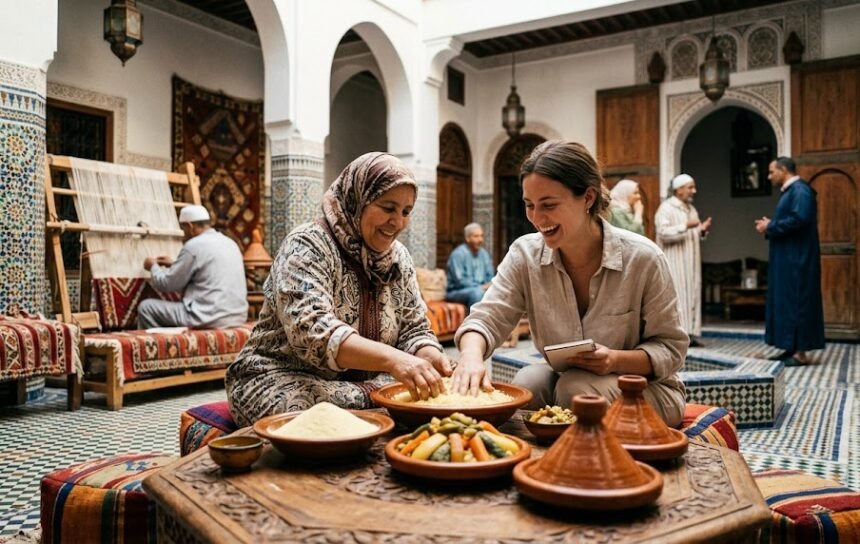
Cultural experiences in travel encompass a wide array of activities and encounters that allow travelers to engage with the traditions, beliefs, and practices of the local population. These experiences can range from enjoying local cuisines and participating in traditional festivals to visiting historical sites and observing everyday life in different communities. By immersing oneself in these cultural contexts, travelers can gain meaningful insights into the societal norms and historical narratives that shape a destination.
One of the most palpable aspects of cultural experiences is the cuisine of a region. Gastronomy varies significantly between cultures, with each dish often telling a story about the environment, heritage, and traditions of its people. Engaging with local food through cooking classes, street food tours, or simply dining at local establishments allows travelers to explore the unique flavors and culinary techniques that define the area’s identity.
Additionally, historical sites play a crucial role in cultural experiences. Visiting ancient ruins, museums, and monuments offers an opportunity to understand the local history and appreciate the cultural evolution of a society. These sites provide a tangible connection to the past, allowing travelers to reflect on how history influences contemporary life.
Moreover, interactions with local customs and practices, such as traditional dances or craftsmanship, facilitate a deeper appreciation for the artistry and values inherent in a culture. Participating in these activities fosters connections between travelers and locals, encouraging exchanges that enrich both parties’ understanding of their respective worlds.
Through these immersive experiences, travelers can cultivate a more profound respect for and connection with the cultures they encounter, ultimately enriching their overall travel journey and expanding their worldview.
The Benefits of Cultural Immersion
Engaging with local culture during travel provides numerous benefits that can significantly enrich one’s personal and interpersonal development. One of the most notable advantages of cultural immersion is the opportunity for personal growth. By interacting with different cultures, travelers are often challenged to step outside their comfort zones, adopt new perspectives, and confront their own preconceived notions about the world. This process fosters critical thinking and adaptability, skills that are essential in today’s diverse society.
Moreover, cultural experiences promote enhanced empathy. When travelers immerse themselves in the daily lives of locals, they gain insights into the customs, beliefs, and struggles of different communities. This heightened understanding can cultivate a deeper compassion for others. As travelers encounter diverse narratives—each marked by unique challenges and triumphs—they are likely to develop a more nuanced world view, which is pivotal for fostering cross-cultural relationships.
Additionally, cultural immersion leads to a profound appreciation for diversity. Exposure to various traditions, languages, and ways of life cultivates respect and curiosity about the complexities of human existence. By embracing and celebrating cultural differences, travelers not only enrich their own lives but also contribute to broader societal awareness surrounding the importance of inclusivity.
Furthermore, engaging with local cultures allows individuals to forge meaningful connections with people from various backgrounds. These interactions can lead to lasting friendships and networks that transcend geographical boundaries. Such relationships enhance one’s global outlook and foster a sense of belonging to a larger human community.
In essence, cultural immersion during travel acts as a catalyst for personal growth, empathy, appreciation for diversity, and the establishment of significant connections with others. Each travel experience rooted in cultural engagement enriches our understanding of the world, ultimately shaping how we interact with it.
Cultural Experiences vs. Typical Tourist Activities
Traveling to new destinations has long been associated with visiting iconic landmarks and participating in conventional tourist activities. However, the emergence of cultural experiences provides an alternative lens through which to view travel. While standard attractions serve as cultural markers, engaging with the local culture through immersive experiences leads to a deeper understanding of a destination.
Typical tourist activities often prioritize superficial engagements. Visitors may flock to renowned museums, famous monuments, or popular beaches, primarily focused on capturing picturesque photographs and ticking items off a list. These activities can provide enjoyment and aesthetic appreciation but frequently lack personal connection. In contrast, cultural experiences emphasize authentic interactions with local communities, traditions, and lifestyles. This approach not only enriches the travel experience but also fosters an appreciation for the destination’s unique cultural identity.
For instance, participating in a local cooking class offers insights into the culinary traditions and ingredients that define a region’s gastronomy. Rather than simply dining at a well-known restaurant, travelers become active participants in the culinary process, gaining knowledge about historical influences and local practices. Similarly, engaging with local artisans through workshops or tours can reveal craft techniques that have been passed down through generations, allowing travelers to witness creativity and skill in action.
Moreover, cultural interactions can lead to lasting memories and friendships that transcend the superficiality often associated with standard tourist attractions. When travelers invest time to engage with locals and participate in their rituals, customs, and celebrations, they cultivate a sense of belonging and understanding. Ultimately, while typical tourist activities provide a glimpse into a destination, cultural experiences facilitate profound connections that promote personal growth and a broader worldview.
Ways to Engage with Local Culture
Engaging with local culture during travel enriches the overall experience, allowing travelers to gain deeper insights into the customs and traditions of the destination. There are various practical approaches to immerse oneself in the local culture. One highly effective method is attending local festivals. Festivals often showcase traditional music, dance, culinary delights, and community rituals, offering travelers a unique glimpse into the cultural fabric of the area. Participating in such events fosters a sense of connection and appreciation for the heritage of the locality.
Another engaging way to connect with local culture is by joining workshops that focus on traditional crafts, cooking, or art. Many communities offer hands-on experiences where travelers can learn from skilled artisans or chefs. This interactive participation not only enhances one’s understanding of local practices but also supports the community by providing financial assistance and recognition to local talents. Whether it’s pottery making, textile weaving, or learning a regional dish, workshops can be both educational and rewarding.
Exploring off-the-beaten-path destinations is yet another effective approach to immerse oneself in the local culture. While popular tourist spots have their appeal, venturing into lesser-known areas often reveals hidden gems rich in cultural heritage. Visiting local markets, small villages, or rural areas can provide a more authentic experience, as travelers interact with local residents and witness daily life from a unique perspective. These interactions can foster meaningful connections and potentially lead to friendships that transcend cultural barriers.
In conclusion, engaging with local culture through festivals, workshops, and exploration of lesser-known destinations enriches travel experiences. Such immersive practices not only enhance personal enrichment but also contribute to the sustainability and preservation of local cultural identities.
Transformative Travel Tales
Travelers often share experiences that transcend mere sightseeing, illustrating how cultural interactions can lead to profound personal growth. One such story comes from a young woman named Sarah, who journeyed to Japan. Engaging in a traditional tea ceremony, she learned about the value of mindfulness and patience. This encounter inspired her to incorporate these practices into her everyday life back in the United States, leading to a significant reduction in her stress levels and a deeper appreciation for the present moment.
Similarly, a retired couple, John and Maria, traveled to Peru and participated in a local festival honoring ancestral traditions. Through their conversations with local artisans and participation in age-old rituals, they gained insights into the importance of community and cultural preservation. This experience shifted their mindset towards a more communal lifestyle, prompting them to engage with their local community projects upon returning home.
An additional narrative is shared by James, a solo traveler who ventured to Ghana for a volunteering opportunity. Immersed in local customs and interactions with the children he worked with, James found a new sense of purpose. It taught him about resilience and joy in adversity, ultimately leading him to change his career path to social work, aiming to make a positive impact on underserved communities.
These stories collectively highlight that cultural experiences during travel offer more than just entertainment or education; they can catalyze significant changes in individuals’ outlooks and lives. Connecting with diverse cultures fosters empathy, broadens perspectives, and enhances appreciation for humanity’s rich tapestry. As travelers share their compelling experiences, the transformative power of cultural immersion in travel cannot be understated.
Challenges in Seeking Cultural Experiences
Engaging with local cultures during travel can be a profoundly enriching experience; however, it is not without its challenges. One of the primary obstacles faced by travelers is the language barrier. In many destinations, English may not be commonly spoken, which can lead to difficulties in communication. This can create misunderstandings not only in directions and transactions but also in cultural nuances that are often conveyed through language. Travelers may miss out on deeper interactions or fail to grasp the significance of certain customs if they cannot effectively communicate with locals.
Furthermore, cultural misunderstandings can arise from different societal norms and practices. What may be considered polite and respectful in one culture could easily be perceived as offensive in another. For example, gestures that convey positivity in one region may have negative connotations elsewhere. Travelers need to be aware of these differences and approach local interactions with sensitivity and an open mind. Failing to understand or adapt to these cultural subtleties can lead to awkward situations and reinforce negative stereotypes.
Another significant concern is the risk of cultural appropriation. As travelers seek to immerse themselves in a culture, there is a fine line between appreciation and appropriation. Appropriating cultural elements without understanding their significance, or using them in ways that strip away their meaning, can be problematic. This often stems from a lack of awareness and can inadvertently contribute to the commodification of local traditions. Therefore, it is crucial for travelers to educate themselves about the customs and practices they wish to engage with, ensuring that their interactions are respectful and considerate. Addressing these challenges is essential for fostering meaningful cultural experiences while traveling.
Case Study: Successful Cultural Travel Initiatives
Cultural immersion is increasingly recognized as a vital component of travel, and various organizations and initiatives around the world exemplify this philosophy. These case studies shed light on successful cultural travel initiatives that empower local communities and preserve their unique heritage.
One notable example is the Community-Based Tourism in Thailand, which allows travelers to stay with local families in rural villages. This initiative not only offers visitors a chance to experience authentic Thai culture but also significantly benefits the local economy. By actively engaging in daily community activities, travelers gain insights into traditional practices such as rice farming or handicraft making, fostering a deeper appreciation for the culture and its people. Such programs ensure that the revenue generated from tourism is reinvested into the community, promoting sustainable development.
Another case is the My Local Guide initiative in Italy, which connects travelers with local residents who offer personalized tours. This initiative focuses on sharing local stories, cuisine, and hidden gems that are often overlooked in mainstream travel itineraries. By prioritizing the narratives of local guides, this program encourages cultural exchange while ensuring that visitors have a more meaningful connection to their surroundings. It champions authenticity and mutual respect, effectively enhancing the travel experience and fostering a greater appreciation for Italy’s rich heritage.
Furthermore, the Global Cultural Exchange Program offers a platform for students and professionals to participate in cultural exchanges through various artistic and educational avenues. Participants engage in workshops and collaborative projects that celebrate and promote diversity. This initiative not only benefits individuals through personal development and cultural understanding but also supports local artists and artisans, enabling them to showcase their work on a global stage.
Through these case studies, it becomes evident that successful cultural travel initiatives not only provide enriched experiences for travelers but also play a crucial role in empowering local communities and preserving their unique cultural identities. The impacts of these initiatives resonate far beyond the individual, fostering a global appreciation for diverse cultures and promoting sustainable tourism practices.
The Role of Technology in Cultural Experiences
In the modern age, technology plays a crucial role in shaping cultural travel experiences. Through the integration of various digital tools, travelers can gain unprecedented access to cultural knowledge and experiences that enhance their journeys. One prominent aspect of this technological influence is the advent of mobile apps designed for travelers. These applications provide a wealth of information, from guided city tours to local cultural events, significantly enriching the travel experience. By offering instant access to historical context and cultural significance, these apps enable travelers to engage more deeply with their surroundings.
Another transformative technology in the realm of cultural experiences is virtual reality (VR). VR allows users to immerse themselves in cultural settings long before they set foot in a destination. For example, cultural institutions, such as museums and historical sites, can use VR technology to create virtual tours that vividly portray their artifacts and exhibitions. This not only broadens access to cultural education but also instills a sense of excitement and anticipation in potential visitors.
Moreover, social media platforms serve as powerful tools for cultural exchange, enabling travelers to share their experiences and insights with a global audience. Platforms like Instagram and Facebook showcase the diverse cultures of the world, allowing individuals to discover hidden gems through the lens of fellow travelers. This peer-to-peer sharing erodes geographical barriers, helping individuals appreciate and understand different cultural perspectives.
In summary, technology enhances cultural experiences by providing easy access to information, creating opportunities for immersive engagement through virtual reality, and fostering global connectivity through social media. As travelers increasingly look to marry their desire for cultural enrichment with modern conveniences, the role of technology in enriching cultural travel experiences continues to grow.
Conclusion: The Lasting Impact of Cultural Travel
Engaging in cultural experiences during travel plays a vital role in enriching our understanding of the world. By immersing oneself in the local traditions, customs, and social norms of different communities, travelers attain a deeper appreciation of the cultural nuances that define diverse populations. This connection can often be transformative, cultivating a sense of empathy and respect towards others. Through interactions with locals, participation in traditional festivities, and exploration of culinary arts, travelers gain insights that extend beyond textbooks and media portrayals.
Cultural travel enhances personal growth by promoting adaptability and open-mindedness. As travelers encounter new perspectives and ways of life, they confront their own beliefs and biases, fostering a more nuanced worldview. This intellectual and emotional growth contributes to a more profound understanding of global issues, such as social justice and environmental sustainability, thereby nurturing informed citizens who can engage in meaningful dialogue and action.
Furthermore, the societal benefits of cultural experiences cannot be overlooked. Enhanced cross-cultural understanding can lead to stronger global communities, reducing prejudice and reinforcing the importance of collaborative efforts in addressing shared challenges. When travelers prioritize cultural immersion, they not only forge connections with individuals from different backgrounds but also contribute to the preservation of local heritage and traditions, ensuring such experiences remain accessible for future generations.
In summary, the importance of cultural experiences in travel cannot be overstated. They serve as levers for personal development and societal comprehension, ultimately enriching our lives and fostering harmony in a vastly interconnected world. Embracing the richness of cultural diversity is essential not only for individual travelers but for the global community at large, promoting peace and unity in our diverse tapestry of existence.