

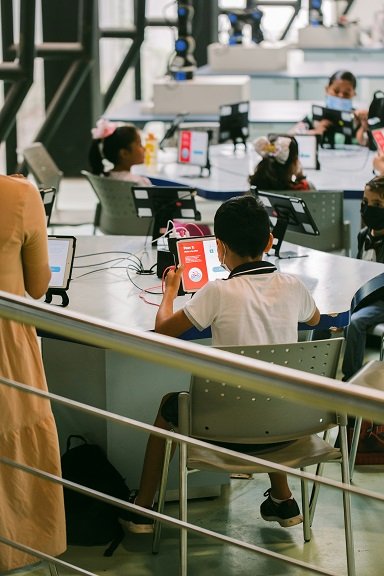
Artificial Intelligence (AI) is rapidly becoming an integral part of various sectors, with education being one of the most promising fields for its application. By harnessing the power of AI, educators and institutions are transforming traditional teaching methodologies and enhancing the learning experience for students. At its core, AI refers to the simulation of human intelligence in machines that are programmed to think, learn, and make decisions. In the context of education, this technology is employed in numerous ways, ranging from personalized learning experiences to efficient administrative processes.
The relevance of AI in today’s educational landscape cannot be overstated. As classrooms become increasingly diverse, the ability to tailor educational content to meet the unique needs of each student presents exciting possibilities. AI tools can analyze student performance data, allowing educators to create customized learning pathways that cater to individual strengths and weaknesses. This personalization empowers students to learn at their own pace, fostering a more engaging and effective educational environment.
Moreover, AI facilitates the automation of administrative tasks, enabling educators to devote more time to teaching and mentoring. By streamlining routine processes such as grading, scheduling, and resource allocation, AI helps to alleviate some of the burdens faced by educators. This not only enhances the teaching staff’s productivity but also contributes to an overall improvement in educational outcomes.
As we delve deeper into the transformative impacts of AI in classrooms, it is essential to recognize its potential to reshape teaching and learning strategies. By integrating AI technology, the educational sector is poised to enter a new era where both teachers and students can thrive, fostering a more innovative, efficient, and inclusive learning environment.
Enhanced Personalization for Students
Artificial Intelligence (AI) has revolutionized the educational landscape by enabling enhanced personalization for students. Traditional classroom settings often adopt a one-size-fits-all approach to teaching, which can lead to disengagement among learners who may learn at different paces or require tailored instructional methods. With the integration of AI, educators can now provide individualized learning experiences that cater to each student’s unique needs.
AI-driven tools analyze vast amounts of data, such as learning habits, performance metrics, and engagement levels, to identify students’ strengths and weaknesses. By utilizing this data, personalized learning platforms can adapt content dynamically, offering customized resources that align with individual learning styles. For instance, visual learners might receive more graphical content, while auditory learners could benefit from lectures or audio materials. This adaptability not only improves understanding but also increases student motivation by providing learning experiences that resonate with their interests.
Moreover, AI technologies can track student progress in real-time, allowing educators to monitor effectiveness and make necessary adjustments swiftly. In some cases, AI systems provide immediate feedback to students, promoting a more active learning environment where learners can take ownership of their educational journey. This level of support contributes to deeper engagement, as students feel encouraged to explore topics at their own pace and seek further assistance as needed.
Incorporating AI into educational frameworks not only fosters personalized learning but also prepares students for a tech-driven future. As they navigate tailored pathways, students acquire the adaptability and critical thinking skills necessary for success in an increasingly digital workforce. AI’s role in facilitating personalized learning experiences marks a significant advancement in educational methodologies, paving the way for improved student outcomes across diverse learning landscapes.
AI as a Teaching Assistant
The integration of artificial intelligence (AI) in modern classrooms has heralded a transformative approach to education. One of the most noteworthy advancements is the role of AI as a teaching assistant, providing support to educators in various administrative and pedagogical tasks. By leveraging AI-driven tools, teachers can streamline their workflows, allowing them to focus on the essential aspects of student engagement and learning.
AI systems can assist teachers in lesson planning by analyzing curriculum requirements and suggesting instructional strategies tailored to specific learning objectives. For instance, platforms like Google Classroom and Microsoft Teams utilize AI algorithms to facilitate the organization of lesson materials and resources, ensuring that educators have easy access to up-to-date content. Moreover, AI enhancements in these platforms can recommend relevant educational resources based on established learning goals, saving teachers considerable planning time.
In addition to lesson planning, AI technologies can also support teachers in assessing student progress. AI-driven analytics tools can swiftly evaluate student assignments and examinations, offering insights into individual and collective performance levels. For example, systems such as Gradescope employ AI to assist educators in grading and providing feedback, identifying trends across student submissions that may highlight areas requiring further instructional support.
Furthermore, AI can aid in classroom management tasks, such as tracking attendance and managing schedules, thus freeing teachers from routine administrative chores. By employing virtual assistants or chatbots, teachers can automate responses to frequently asked questions, ensuring that students receive timely information while the instructor dedicates more time to facilitating learning experiences.
In summary, AI as a teaching assistant is significantly enhancing educators’ capabilities, enabling them to devote more attention to teaching while improving organizational efficiency in classroom environments.
Data-Driven Insights for Educators
The advent of artificial intelligence in education has ushered in a new era that allows educators to delve deeper into the nuances of student performance and behavior. By utilizing sophisticated AI analytics, educators can uncover patterns and trends that were previously difficult to identify. This data-driven approach empowers teachers to make informed decisions that enhance the learning experience.
AI systems can analyze vast amounts of data collected from various sources, including assessments, attendance records, and even student interactions within learning platforms. By synthesizing this information, AI provides comprehensive insights that reveal not only academic performance but also engagement levels and social dynamics within the classroom. For instance, if a student struggles with a particular concept, AI can flag this issue and suggest tailored interventions that teachers can implement.
The ability to harness these insights allows educators to personalize instruction effectively. With a deeper understanding of each student’s learning style and progress, educators are better equipped to develop customized lesson plans that cater to individual needs. Additionally, this data-driven approach aids in identifying at-risk students early on, enabling timely intervention strategies to address potential academic challenges.
Furthermore, AI analytics enhance instructional strategies by enabling educators to adopt a more proactive approach to teaching. Rather than waiting for traditional assessments to highlight areas of difficulty, educators can utilize real-time data to adjust their teaching methods on the fly. This not only fosters a more adaptive learning environment but also enhances student engagement by ensuring that lessons remain relevant and accessible.
In summary, the integration of data-driven insights into modern classrooms, facilitated by AI, plays a pivotal role in refining educational practices. By leveraging these insights, educators can substantially improve student outcomes through tailored interventions and enhanced instructional strategies.
Gamification and Interactive Learning with AI
In recent years, the emergence of artificial intelligence (AI) has significantly influenced educational methodologies, particularly through the implementation of gamification in learning environments. Gamification transforms conventional educational practices by integrating game design elements into the learning process. This approach not only captures the attention of students but also enhances their engagement and motivation, making learning both enjoyable and effective. AI serves as a pivotal component in this innovative approach, facilitating the creation of personalized and adaptive learning experiences.
With AI-driven platforms, educators can design interactive learning experiences tailored to each student’s unique needs and preferences. These systems analyze individual performance data to adjust the difficulty of tasks in real-time, providing a customized experience that fosters a deeper understanding of the material. For instance, adaptive quizzes can present challenges that match a student’s skill level, ensuring that they remain stimulated without feeling overwhelmed or bored.
Moreover, gamified elements such as rewards, levels, and badges contribute to a competitive yet collaborative atmosphere in the classroom. AI technology can track progress and achievements, offering students instant feedback. This not only reinforces their learning but also encourages continuous participation. As students engage in these interactive platforms, they often exhibit a greater willingness to collaborate with their peers, building essential social skills alongside academic ones.
The incorporation of AI in gamified learning environments represents a paradigm shift in educational methods. By creating more interactive and enjoyable experiences, AI-powered gamification bridges the gap between learning and play, making education a more captivating journey. This engagement is crucial for students of all ages and backgrounds, facilitating lifelong learning habits that can extend beyond the classroom.
Challenges and Concerns with AI in Education
As educational institutions increasingly embrace artificial intelligence (AI) technologies, several challenges and ethical concerns have emerged. One of the predominant issues is data privacy. Schools utilize AI systems that often require extensive access to student data. This raises significant privacy concerns, particularly as personal information about students can be vulnerable to breaches or misuse. Ensuring that data is collected, stored, and processed in a manner that protects student identities is vital, yet it remains a complex task that not all institutions are equipped to handle.
Another pressing issue is the digital divide that persists in many regions. While AI tools can enhance learning experiences, they also risk exacerbating existing inequalities. Not all students have equal access to the internet or technological devices. Thus, implementing AI in the classroom could widen the gap between those who have access to advanced learning resources and those who do not. Consequently, educational stakeholders must prioritize equitable access solutions to ensure that all learners can benefit from AI-driven initiatives.
Moreover, concerns about biases inherent in AI algorithms present significant ethical dilemmas. AI systems are trained on historical data, which can reflect and perpetuate existing biases. For example, if an AI model trained on biased data is used for student assessments, it may unfairly disadvantage specific groups of students based on race, gender, or socioeconomic status. Addressing these biases is essential to create a fair and inclusive educational environment.
In conclusion, while AI holds transformative potential for modern classrooms, educational institutions must navigate the associated challenges with vigilance. From prioritizing data privacy to addressing inequality and bias, it is essential to develop thoughtful strategies that safeguard ethical standards while enhancing learning experiences through AI technology.
Future Predictions: The Evolution of AI in Classrooms
The evolution of artificial intelligence (AI) in educational settings is anticipated to bring forth unprecedented changes that will shape how classrooms function in the coming years. As AI technology becomes more sophisticated, we can expect significant advancements that will further personalize and enhance student learning experiences. One of the most promising predictions is the increased integration of AI-driven tutoring systems, which will provide tailored support based on individual learning patterns. This personalization ensures that students receive the assistance they need just when they need it, potentially leading to higher retention rates and improved academic performance.
Additionally, AI’s ability to analyze large datasets will contribute to more effective curriculum development and resource allocation. Educators will likely utilize AI tools to evaluate student performance in real-time, offering insights that can lead to more informed teaching strategies. This data-driven approach will empower educators to identify learning gaps and adapt their methodologies accordingly, leading to a more responsive educational environment.
Moreover, advancements in natural language processing are likely to enhance communication between students and AI systems, making learning more interactive and engaging. AI chatbots may become commonplace in classrooms, answering queries and facilitating discussions outside traditional lectures, thus fostering a more dynamic learning atmosphere.
In terms of accessibility, future AI tools may play a critical role in supporting diverse learning needs. By providing real-time translation or text-to-speech options, these technologies will help bridge gaps for students with varying linguistic and learning abilities.
As we look ahead, the interplay between AI and education promises to foster an innovative learning culture that promotes adaptability and continuous improvement. Overall, the potential of AI in classrooms is vast, and its future trajectory is bound to reshape educational practices in ways we are only beginning to comprehend.
Success Stories: Schools Leading the Way
Across the globe, numerous schools and educational institutions have begun to incorporate artificial intelligence into their curricula, resulting in significant improvements in student engagement and learning outcomes. These pioneering efforts showcase not only the adaptability of educational systems but also the transformative potential of AI in modern classrooms.
One notable example is the L.A. Unified School District in California, which has implemented AI-driven learning platforms designed to tailor educational experiences to individual student needs. By harnessing data analytics, these systems are able to assess student performance in real-time, providing personalized recommendations that help students master challenging concepts. This approach has led to improved academic performance and greater motivation among students, ultimately fostering a more inclusive learning environment.
In addition, the International School of Amsterdam has leveraged AI to enhance language learning for its diverse student population. The school employs an AI-powered language tutor that adapts to each student’s unique learning pace. This innovative tool not only accelerates language acquisition through interactive exercises but also promotes confidence in language use, contributing to a supportive community where students thrive. The implementation of such technology highlights how AI can break down traditional barriers to learning, enabling students from varied backgrounds to achieve their linguistic goals.
Furthermore, schools like the Massachusetts Institute of Technology (MIT) have integrated AI into their educational framework, using advanced learning systems to revolutionize STEM education. By incorporating machine learning algorithms and data analysis tools into their coursework, MIT encourages students to engage in critical thinking and innovative problem-solving. These hands-on experiences prepare students for careers in tech-driven fields, and evidence of this proactive approach is found in the impressive project outcomes and high rates of internship placements among graduates.
These examples underscore the vast potential of AI to enhance educational experiences. As more schools adopt such technologies, the positive impacts on teaching methods and student outcomes will continue to unfold, paving the way for an enriched learning environment that caters to the demands of the 21st century.
Embracing AI in Education
The integration of Artificial Intelligence (AI) into modern classrooms has been a transformative force in educational settings. As discussed in the preceding sections, AI has revolutionized various aspects of teaching and learning, making education more personalized, accessible, and efficient. By utilizing AI-driven tools, educators can tailor their instructional methods to meet the diverse needs of learners, promoting engagement and enhancing outcomes. This personalized approach not only aids in the academic growth of students but also helps in fostering critical thinking and problem-solving skills essential for their future success.
Moreover, AI technology plays a crucial role in automating administrative tasks, enabling teachers to dedicate more time to their primary responsibility—teaching. By taking care of tasks such as grading and scheduling, AI allows educators to focus on student interactions, thereby improving the overall educational experience. This functionality is especially vital in increasingly crowded classrooms, where individualized attention can be a challenge.
Furthermore, the importance of adopting AI tools in education cannot be overstated. As the job market continues to evolve with the advent of advanced technologies, equipping students with the necessary skills to navigate this landscape is paramount. AI exposure within the classroom prepares students not only to interact with technology but also to innovate and adapt in their future careers. Educational institutions that embrace AI tools are ultimately better positioned to cultivate a generation of learners who are adept in a technology-driven world.
In conclusion, the integration of AI in education presents immense opportunities for enhancing learning experiences and outcomes. By embracing this technology, educators can create a more adaptable, efficient, and engaging educational environment that prepares students for future challenges. The benefits of AI in classrooms signify a crucial step towards modernizing education, ensuring that learners are equipped with the skills needed to thrive in an ever-changing global landscape.