
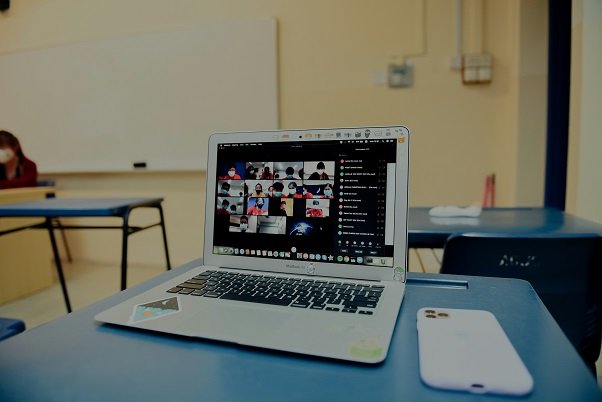
Remote education, which refers to the delivery of learning and instructional materials to students who are not physically present in traditional learning environments, has been an evolving concept for decades. Its origins can be traced back to correspondence courses created in the 19th century, where learning took place through mailed materials. However, the rise of the internet and various digital platforms has significantly modernized and expanded remote learning options, transforming the landscape of higher education.
In the early days, the traditional education system thrived on face-to-face interactions, which were deemed essential for effective learning. Faculty members and students engaged in direct communication within classroom settings, leading to a strong educational community. Resistance to remote learning methods was widespread as traditional educators often questioned the effectiveness of teaching without physical presence. The skepticism regarding the quality of education, student engagement, and assessment integrity posed significant barriers to remote education adoption.
However, the necessity for flexible learning arrangements, particularly during emergencies, has accelerated the acceptance and integration of remote education into academic institutions. The COVID-19 pandemic acted as a catalyst in this transformation, forcing universities and colleges worldwide to pivot swiftly towards online instruction. This abrupt shift highlighted the potential benefits of remote education, such as accessibility to diverse resources, the convenience of learning from any location, and the ability to reach a broader audience. As a result, remote education has not only addressed the immediate needs of students and educators during crises but has also established itself as a fundamental component of the modern academic experience, reshaping universities’ approaches to teaching and learning.
The Shift to Online Learning Platforms
The advent of technology has significantly transformed the landscape of higher education, with online learning platforms becoming essential tools in the transition to remote education. The shift to these platforms was accelerated by the need for flexibility and accessibility, allowing universities to continue imparting knowledge despite physical classroom constraints. Prominent online learning platforms, such as Canvas, Blackboard, and Moodle, emerged as leading solutions that facilitated this transition.
These platforms offer diverse features designed to enhance the educational experience. Virtual classrooms enable real-time interaction between students and instructors, replicating the dynamics of a traditional classroom environment. This feature fosters engagement and participation, essential elements in the learning process. Additionally, the availability of tools for discussion forums, quizzes, and assignments ensures that students remain actively involved.
An important aspect of these online learning environments is their resource-sharing capabilities. Students and educators can easily access a wide range of materials, including lecture notes, videos, and supplementary readings, fostering a more enriched learning experience. The integration of multimedia resources caters to various learning styles, which can enhance comprehension and retention. Moreover, features such as analytics allow educators to track student progress, helping them tailor their teaching strategies to meet individual needs effectively.
The adoption of online learning platforms has transformed the traditional educational model. With the widespread use of mobile devices, students can engage with learning materials at their convenience, promoting self-paced study. This flexibility is particularly beneficial for non-traditional students, who might be balancing education with work or family commitments. Overall, the shift to online learning platforms represents a significant evolution in educational methodologies, providing innovative solutions for both students and educators alike.
Impact on Student Engagement and Learning Outcomes
The transition to remote education, accelerated by necessity, has had a profound impact on student engagement and academic performance. Research indicates that student engagement levels in remote learning environments can vary significantly compared to traditional classroom settings. A survey conducted by the National Center for Education Statistics found that in 2021, 76% of students reported that they found it challenging to stay engaged during online classes. This shift has prompted educators to rethink pedagogical strategies and incorporate more interactive elements into their teaching.
While remote learning has its challenges, it also presents unique opportunities that can enhance learning outcomes. For example, access to an array of digital resources and tools has expanded students’ engagement as they can now utilize multimedia and interactive platforms to aid their understanding. Moreover, the flexibility of remote education allows students to learn at their own pace, which can lead to improved retention and mastery of the material. A study published in the “Journal of Online Education” indicated that students in asynchronous online courses scored an average of 10% higher on assessments than their peers in traditional settings, showcasing the potential benefits of personalized learning experiences.
However, the remote learning environment also introduces challenges that can hinder student participation. The lack of physical presence can lead to feelings of isolation, and students may struggle with intrinsic motivation without the structured environment that traditional classrooms provide. Moreover, disparities in technology access can exacerbate educational inequalities, affecting engagement for underprivileged populations. As universities navigate these complexities, understanding the dual nature of remote education is crucial in shaping future learning models that effectively blend both remote and in-person methodologies.
New Pedagogical Approaches and Curriculum Changes
The transition to remote education has fundamentally reshaped the pedagogical landscape within universities. Educators faced the challenge of adapting their traditional teaching methodologies to suit an online format. This shift necessitated the incorporation of new pedagogical approaches that favored flexibility, engagement, and interaction, resulting in a transformative educational experience.
In the online classroom, educators increasingly utilized multimedia resources, including videos, webinars, and interactive applications, to create a rich learning environment that captures students’ attention and fosters deeper comprehension of the subject matter. The incorporation of tools such as virtual simulations and gamification has also encouraged a hands-on learning approach, allowing students to engage actively with the content rather than passively absorbing information.
Furthermore, the curriculum underwent significant evolution to adequately prepare students for the realities of the digital age. Essential skills such as digital literacy, information management, and online collaboration became focal points for course development. Institutions began embedding these competencies into their curricula to ensure that students can effectively navigate the complexities of remote education and future work environments, which increasingly prioritize technological proficiency and collaborative capabilities.
This newly integrated curriculum fosters an environment of adaptability, encouraging students to become self-directed learners who can thrive in diverse remote settings. Online group projects and discussions also enhanced collaborative skills, pushing students to communicate effectively through digital channels while working alongside peers from varied backgrounds.
In conclusion, the pedagogical shifts brought about by remote education have elevated the importance of technological integration in university teaching and learning practices. This evolution not only addresses immediate challenges but also aligns educational institutions more closely with the demands of the current and future job market, ultimately benefiting all stakeholders involved in higher education.
Equity and Accessibility in Remote Education
The shift towards remote education has brought significant changes in the way universities operate, especially in terms of access and equity for students. One of the most pressing issues that has emerged in this new educational landscape is the digital divide, which highlights substantial disparities in access to technology and reliable internet connectivity among diverse student populations. The digital divide often affects marginalized groups disproportionately, including low-income families, racial minorities, and those in rural areas.
Many students face challenges in accessing necessary technology, such as laptops or tablets, which are crucial for participating in remote learning. Furthermore, inconsistent internet connectivity can significantly hinder their ability to engage with online course materials, attend live classes, and complete assignments. As remote education becomes a norm, universities have recognized the urgency to address these inequities to ensure all students can benefit from this mode of learning.
In response to these challenges, universities have initiated various programs aimed at enhancing equity in remote education. For example, some institutions have launched technology loan programs that provide students with laptops and portable hotspots to improve internet access. Additionally, many universities have invested in expanding digital infrastructure, ensuring that their online learning platforms are accessible to all students, including those with disabilities. Furthermore, institutions are actively working to provide training and resources to both faculty and students to facilitate a smooth transition to remote learning.
These initiatives are crucial in bridging the gap created by the digital divide. By prioritizing equity and accessibility, universities not only enhance the academic experience for all students but also ensure that remote education becomes a viable and inclusive model for the future.
The Role of Faculty in Remote Education
The shift to remote education has substantially altered the role of university faculty, necessitating adaptations across various dimensions of teaching. In traditional settings, educators delivered content primarily through in-person lectures and interactive discussions. However, in a remote education environment, faculty members have transitioned to using digital platforms and tools to engage students effectively. This move towards virtual classrooms necessitates a strong understanding of technology to facilitate learning experiences that closely mirror the in-person interactions students previously enjoyed.
Adaptation to new teaching methods has become a critical component of faculty responsibilities. Instructors are now tasked with designing online courses that are not only informative but also engaging and interactive. This involves rethinking course materials, incorporating multimedia resources, and employing pedagogical strategies that suit a digital format. Faculty must be adept at utilizing various educational technologies, such as Learning Management Systems (LMS), web conferencing tools, and discussion forums, to foster a sense of community among students. Consequently, professional development programs focused on online instruction have gained prominence, enabling educators to hone their skills and remain competitive.
Moreover, the need for faculty to provide robust support for students has increased in the context of remote education. Educators now play a pivotal role in monitoring student engagement and well-being. This generally involves regular communication, timely feedback, and addressing diverse learning needs. Furthermore, challenges persist, with faculty often encountering difficulties in maintaining student motivation and managing the dynamics of virtual discussions. By embracing flexibility and resilience, instructors are aiming to create an inclusive learning atmosphere that fosters collaboration and innovation even in remote settings.
Career Services and Networking in a Remote World
The evolution of remote education has profoundly influenced the operations of career services at universities. With traditional on-campus engagement mechanisms disrupted, these services have adapted to ensure students remain connected to potential internship opportunities and employment prospects. One significant adaptation has been the transition to virtual career fairs. These online platforms allow students to interact with employers in real-time, ask questions, and submit applications, all from the comfort of their homes. This format not only increases accessibility for students but also enables employers to reach a broader talent pool.
In addition to virtual career fairs, universities have revamped their approach to internships. While initially, the pandemic caused a reduction in available positions, many organizations have since pivoted to establish remote internship programs. These programs have allowed students to gain valuable work experience while acquiring essential skills tailored to the demands of a digital workplace. Universities are actively collaborating with companies to facilitate these internships, ensuring students can build their resumes and gain industry exposure, regardless of geographical limitations.
Networking events have similarly transformed in the remote educational landscape. Universities leverage technology to conduct webinars, guest speaker series, and online networking sessions connecting students with industry professionals. These virtual events offer unique opportunities for students to learn from experts and expand their professional networks without the constraints of travel or logistical challenges.
The commitment of universities to adapt their career services to a remote world not only enhances students’ career readiness but also emphasizes the importance of resilience in facing new challenges. By embracing technology and innovation, universities are redefining how students engage with the professional world, ensuring they remain competitive in the evolving job market.
Future Trends in Higher Education Post-Pandemic
The COVID-19 pandemic has significantly reshaped the educational landscape, prompting an accelerated shift towards remote education. As universities move forward, several emerging trends signal the future of higher education in a post-pandemic world. One of the most notable trends is the adoption of hybrid learning models that combine traditional in-person instruction with online coursework. This blend allows for greater flexibility, accommodating diverse learning styles and needs. By offering both modalities, universities can attract a broader range of students and enhance accessibility, potentially transforming the student demographic.
Another critical development is the integration of artificial intelligence (AI) into academic settings. AI is being utilized to personalize learning experiences, improving student engagement. For instance, adaptive learning platforms can customize curricula based on individual performance and preferences, allowing for a more tailored educational journey. Additionally, AI-powered tools can streamline administrative processes, making the operation of higher education institutions more efficient. As educational technology continues to evolve, the role of AI in remote education will likely become even more prominent.
Experts believe that long-term policy changes regarding remote instruction will also emerge from this rapid transformation. Universities may establish formal guidelines and criteria for online courses, ensuring that they maintain rigorous academic standards. Moreover, accreditation processes may be updated to recognize the efficacy of remote education. This could lead to a more permanent place for digital learning within traditional degree programs, ultimately influencing enrollment strategies and resource allocation.
In conclusion, the future of higher education is poised for significant evolution. The successful integration of hybrid learning models and AI technology, combined with necessary policy adaptations, could lay the groundwork for a more versatile and accessible education system. As institutions adjust to these developments, they will need to remain responsive to the changing needs of students and the broader educational landscape.
Conclusion: The Permanent Change in the Landscape of Education
In recent years, remote education has fundamentally altered the fabric of higher education, leading to a permanent transformation of universities across the globe. The findings discussed throughout this blog post elucidate how educational institutions have adapted to the challenges posed by the transition to online learning environments. Universities have embraced technology and innovative pedagogical approaches, reflecting a shift from traditional in-person instruction to more flexible, accessible formats.
The accelerated integration of remote education methodologies has not only provided a lifeline during unprecedented times but has also highlighted the necessity for adaptability within the educational framework. Universities that once adhered strictly to conventional methods of teaching have now recognized the value of incorporating virtual platforms, enriching the learning experience for students who may have previously faced barriers to higher education. In many cases, these institutions have gained the ability to reach a more diverse audience, thus fostering inclusivity and expanding access to quality educational resources.
Moreover, the evolution of education in this context showcases the potential for new opportunities and frameworks in higher learning. Institutions are now exploring hybrid models that combine the benefits of both remote and on-campus experiences. This newfound flexibility not only caters to student needs but also promotes a more dynamic educational landscape that can evolve in response to societal demands. As universities continue to navigate this ever-changing environment, the lessons learned from implementing remote education will serve as a foundation for future developments, ensuring that higher education remains resilient and relevant in an increasingly digital world.