

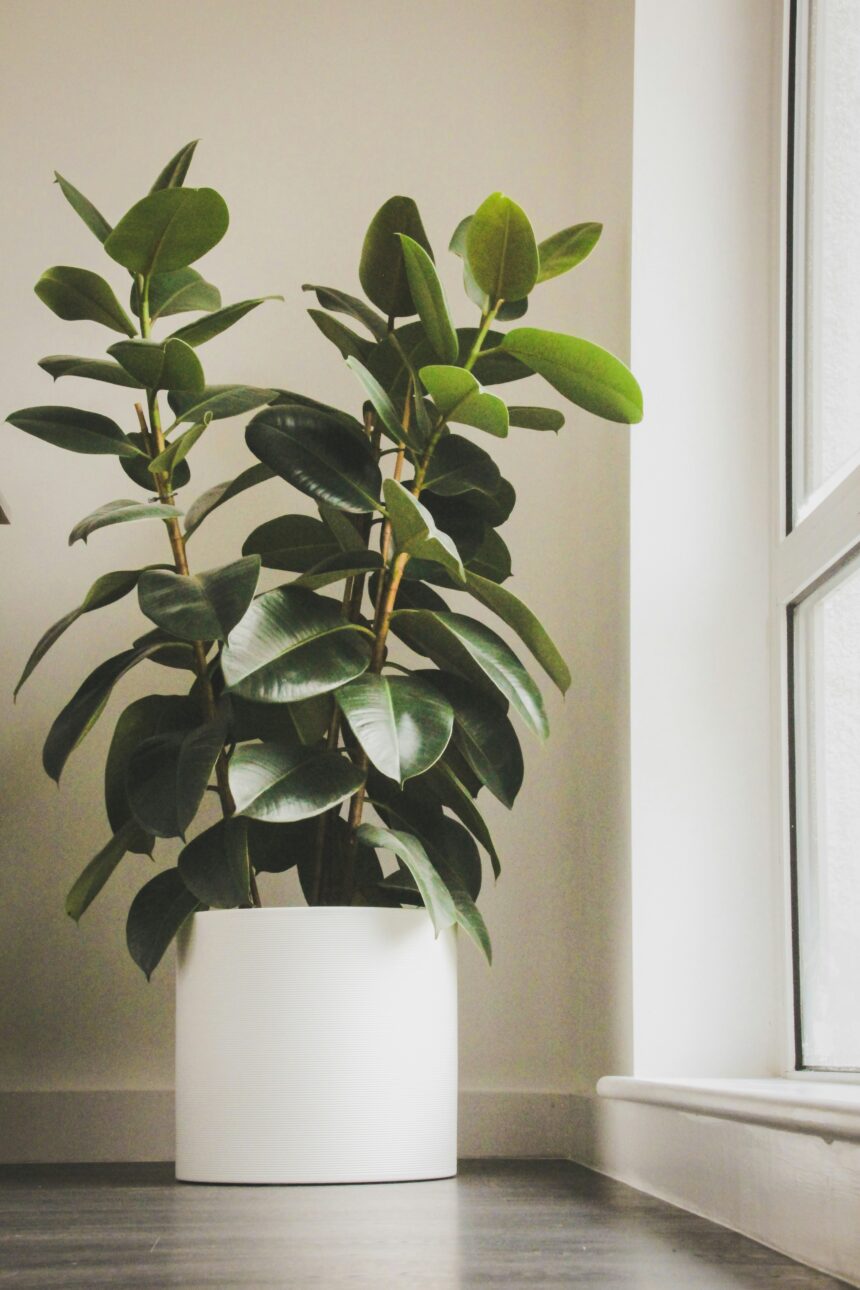
Introduction to Indoor Plants and Air Quality
Indoor plants have gained increasing recognition not just for their aesthetic appeal, but also for their ability to significantly enhance air quality within our living spaces. As urbanization continues to rise, so does the concern surrounding indoor air pollution, which can stem from various sources such as furniture, cleaning products, and outdoor pollutants. It is essential to maintain clean air in our homes and offices to promote health and well-being.
The presence of certain indoor plants can contribute greatly to improving air quality. Research has shown that many common houseplants possess the remarkable ability to filter out harmful toxins from the air. For example, plants like the peace lily and spider plant are known for their air-purifying qualities, effectively removing pollutants such as formaldehyde, benzene, and xylene. In addition to eliminating these toxins, indoor plants also play a crucial role in increasing oxygen levels, thereby creating a healthier environment for inhabitants.
Furthermore, incorporating indoor plants into your space can provide psychological benefits, promoting a sense of calm and reducing stress levels. The act of caring for and nurturing plants can foster a greater connection to nature, which is often lost in urban settings. By simply adding indoor plants to your workspace or living area, you not only contribute to air improvement but also enhance your overall quality of life.
In summary, the integration of indoor plants in our daily environments is an effective strategy for improving indoor air quality. The natural processes by which these plants operate can lead to cleaner, fresher air, making our homes healthier places to live. By selecting the right species, individuals can cultivate a more enjoyable living space that supports both physical and mental well-being.
Why Indoor Air Quality Matters
Indoor air quality is a crucial aspect of our living and working environments, significantly affecting our health and overall well-being. Poor air quality can stem from various sources, including household cleaning products, mold, pesticides, and building materials that release volatile organic compounds (VOCs). These pollutants can accumulate indoors, especially in poorly ventilated spaces, leading to a range of health issues.
Common health problems associated with subpar indoor air quality include respiratory issues, headaches, fatigue, and allergy symptoms. In some cases, prolonged exposure to indoor air pollutants may exacerbate chronic conditions such as asthma and lead to more serious health concerns. According to the World Health Organization (WHO), indoor air pollution is recognized as a significant risk factor for various diseases, emphasizing the importance of maintaining a healthy indoor environment.
Moreover, studies indicate that improved air quality is linked to enhanced cognitive function and overall productivity. For instance, research published in the Environmental Health Perspectives journal highlights that better air circulation and lower levels of indoor pollutants can lead to improved cognitive performance, particularly in office settings. This finding suggests that attention to indoor air quality not only benefits physical health but also has economic implications for businesses and productivity levels.
By fostering better air quality through the use of air-purifying plants and adequate ventilation, individuals can create a healthier living atmosphere. Engaging in activities that promote cleaner indoor air allows one to enjoy the significant psychological benefits tied to improved well-being. In summary, understanding and addressing indoor air quality is essential for safeguarding health, enhancing productivity, and creating a supportive environment for all occupants.
Understanding the Science of Indoor Plants and Air Quality
The relationship between indoor plants and air quality is an intriguing aspect of environmental science that has garnered considerable attention in recent years. Indoor plants play a crucial role in improving air quality through a natural process known as photosynthesis. During photosynthesis, plants absorb carbon dioxide (CO2) from the atmosphere and convert it into glucose, utilizing sunlight as an energy source. This remarkable process ultimately results in the release of oxygen (O2), thereby enriching the air we breathe.
Moreover, indoor plants have been identified as effective biofilters, capable of absorbing not only CO2 but also various volatile organic compounds (VOCs) that are commonly found in indoor environments. These compounds, which include substances such as formaldehyde, benzene, and xylene, can emanate from everyday products like paints, cleaners, and furniture. Prolonged exposure to VOCs can lead to adverse health effects, including respiratory issues and headaches. Fortunately, research indicates that certain indoor plants can significantly mitigate the concentration of these harmful pollutants.
For instance, studies have shown that plants such as the peace lily, spider plant, and bamboo palm are particularly adept at filtering out specific VOCs from the air. Peace lilies can absorb formaldehyde, while spider plants are effective against xylene and toluene. By incorporating these plants into indoor spaces, individuals can enhance their environment’s air quality, making it healthier and more pleasant.
In conclusion, the contribution of indoor plants to air quality improvement is multifaceted, involving the processes of photosynthesis and the absorption of harmful pollutants. By understanding and utilizing these natural air purifiers, we can create healthier living and working spaces.
Top 10 Indoor Plants for Air Quality
Indoor plants have gained immense popularity not only for their aesthetic appeal but also for their ability to enhance air quality. Here are ten outstanding indoor plants renowned for their air-purifying qualities:
1. Snake Plant (Sansevieria trifasciata): This durable plant thrives on neglect and requires low light and infrequent watering. It is known to filter out toxins such as formaldehyde and benzene, making it an excellent air purifier.
2. Peace Lily (Spathiphyllum spp.): Peace lilies are elegant and fairly easy to care for, flourishing in indirect light. They effectively remove pollutants like ammonia and xylene from the air while providing a perfect balance of humidity.
3. Spider Plant (Chlorophytum comosum): Spider plants are vigorous growers that thrive in various environments. They are adept at removing formaldehyde and other volatile organic compounds (VOCs) and require moderate sunlight and regular watering.
4. Bamboo Palm (Chamaedorea seifrizii): This indoor palm is not only visually appealing but also excellent at filtering out benzene and trichloroethylene. It prefers indirect light and moist soil, making it a delightful addition to your interior space.
5. Golden Pothos (Epipremnum aureum): Known for its trailing vines and heart-shaped leaves, the Golden Pothos is extremely forgiving and grows well in low light. It effectively removes formaldehyde, making it a valuable houseplant.
6. Rubber Plant (Ficus elastica): Rubber plants are sturdy and easy to care for, thriving in bright indirect sunlight. They are effective at eliminating toxins and refreshing indoor air with their large, glossy leaves.
7. Dracaena (Dracaena spp.): Various species of dracaena are great at filtering out pollutants such as formaldehyde and trichloroethylene. They prefer bright indirect light and can tolerate some neglect in terms of watering.
8. Boston Fern (Nephrolepis exaltata): Boston ferns require slightly more care than some other plants but are exceptional at improving air quality by eliminating formaldehyde and providing excellent humidity.
9. Areca Palm (Dypsis lutescens): This palm is known for its impressive foliage and air-purifying capabilities, particularly in removing toxins and maintaining indoor humidity, thriving in bright, indirect light.
10. Lady Palm (Rhapis excelsa): The lady palm is a favorite for its ability to remove indoor air pollutants and its resilience. It thrives in low light conditions and prefers moist soil, making it an ideal houseplant.
Integrating these plants into your home can significantly enhance air quality while adding natural beauty to your indoor environment.
Tips for Caring for Indoor Plants
Caring for indoor plants requires a balanced approach that factors in the unique needs of each species. Understanding the essentials such as watering schedules, light conditions, soil preferences, and pest management can significantly enhance the life of your indoor plants and their air-purifying functions.
First, addressing watering schedules is critical. Overwatering is a common mistake that can lead to root rot, while underwatering can stunt growth. It is advisable to check the moisture level of the soil with your fingers; if it feels dry two inches below the surface, it’s time to water. Different plants have varying water requirements, so researching the specific needs of your indoor plant is essential.
Next, consider the light requirements of your plants. Most indoor plants thrive in bright, indirect sunlight. However, some species, like succulents, may require direct sunlight, while others, such as ferns, prefer shadier spots. Positioning your plants in suitable locations will promote healthy growth. Artificial grow lights can also supplement natural light, especially during the winter months.
Another crucial aspect is choosing the right soil. Most indoor plants benefit from well-draining potting mixes that retain moisture without becoming waterlogged. Specialized soil types are available for different plants, such as cacti and orchids, which are tailored to their specific needs.
Finally, be vigilant about pests. Common pests, such as spider mites or aphids, can quickly take over if not managed. Regularly inspecting leaves and stems can help catch infestations early. Employing organic insecticidal soaps or neem oil can provide effective remedies. By implementing these care tips, you can ensure that your indoor plants remain healthy and enhance indoor air quality.
Creative Ways to Incorporate Indoor Plants into Your Home
Incorporating indoor plants into your home not only enhances the aesthetic appeal of your space but also promotes better air quality and well-being. To create a visually pleasing environment while maximizing the benefits of indoor plants, consider these creative approaches.
One of the simplest ways to include plants is by strategically placing them in various rooms. For instance, choose larger indoor plants, such as fiddle leaf figs or rubber plants, to serve as focal points in living rooms or entryways. Smaller houseplants, like pothos or spider plants, can be placed on shelves, bedside tables, or desks to add a touch of greenery. This deliberate placement can transform a mundane space into a vibrant one.
Another technique involves using plant stands to elevate your indoor greenery. Various types of plant stands, ranging from stylish wooden options to modern metallic designs, can add depth to your decor while showcasing your plants effectively. Grouping plant stands of different heights can create visual interest and help in maximizing your space.
Creating ‘green corners’ in your home is also an excellent idea. Select an underutilized corner or nook and fill it with a combination of indoor plants. Consider layering different species, such as a tall monstera behind smaller ferns and succulents, to achieve a lush, immersive effect. Additionally, utilizing wall-mounted planters can save floor space while adding a fresh element to your walls.
To inspire effective placement, think about incorporating indoor plant arrangements near windows, where they can receive sufficient natural light. Be mindful of both the size and growth of the plants you choose, ensuring they complement and elevate your decor without overwhelming the space. By thoughtfully integrating indoor plants, you can achieve a harmonious balance between functionality and aesthetics.
Common Mistakes to Avoid with Indoor Plants
Indoor plants can significantly enhance home aesthetics and improve air quality. However, many new plant owners fall victim to common mistakes that jeopardize their plants’ health and growth. Understanding these pitfalls can lead to a more successful indoor gardening experience.
One prevalent mistake is over-watering. This occurs when plant owners misunderstand the water requirements of their plants, often due to an excessive desire to ensure they remain hydrated. Over-watering can lead to root rot, a common ailment that can be fatal to indoor plants. To avoid this, it is essential to research each plant’s watering needs, ensuring a consistent schedule that takes into account the humidity and temperature of the environment.
Another common error involves selecting plants that are ill-suited for specific indoor conditions. Factors such as light availability and temperature play critical roles in a plant’s survival. For example, tropical plants may struggle in a dry or poorly lit home, while succulents and cacti may thrive under the same conditions. Therefore, selecting plants that align with one’s specific environment is crucial. It can be beneficial to consult local gardening resources or experts to find the best options for your home.
Pest control is often neglected as well. Indoor plants can attract pests such as spider mites or aphids, which can damage plant health. Regularly inspecting your plants for signs of infestation is vital. Implementing preventative measures, such as maintaining good air circulation, can significantly mitigate potential pest problems.
By being aware of these common pitfalls—over-watering, inappropriate plant selection, and lack of pest management—indoor plant enthusiasts can promote healthier plants, enjoy a thriving indoor garden, and ultimately enhance their living environment.
Benefits Beyond Air Quality: Mental and Emotional Well-being
Indoor plants have garnered attention not only for their ability to purify the air but also for their significant impact on mental and emotional health. A growing body of scientific research indicates that the presence of greenery in indoor environments can enhance mood and promote psychological well-being. This phenomenon, often referred to as biophilia, suggests that humans have an innate connection to nature, which can evoke feelings of comfort and happiness.
Studies have demonstrated that interacting with plants can lead to reduced levels of stress and anxiety. For instance, employees in offices adorned with plants are reported to experience lower levels of fatigue and improved overall satisfaction. The act of caring for plants, whether through watering, pruning, or simply observing their growth, provides a sense of purpose and accomplishment. This engagement with nature can serve as a therapeutic distraction from daily stresses, allowing individuals to recharge mentally.
Moreover, the presence of indoor plants has been linked to improved cognitive function and productivity. Research suggests that natural elements in the workspace can increase concentration and creativity, fostering a more effective working environment. A study published in the journal “HortTechnology” found that offices with plants not only improved air quality but also enhanced employee performance, contributing to higher productivity levels.
In essence, indoor plants offer a multifaceted approach to enhancing mental health. Their visual appeal and the psychological benefits associated with their care contribute to a holistic sense of well-being. By incorporating plants into our living or working spaces, we cultivate not only a healthier environment but also a serene mental landscape, underscoring the profound connection between nature and mental health.
Conclusion: Choosing the Right Plants for Your Space
As we have explored throughout this blog post, selecting the best indoor plants can significantly enhance the air quality in your home or office. Not only do these plants purify the air by removing toxins and pollutants, but they also add an aesthetic element to your living environment. When choosing indoor plants, it is essential to consider factors such as light availability, humidity levels, and your personal preferences regarding plant care.
We have discussed various air-purifying plants including the Snake Plant, Spider Plant, and Peace Lily, each known for their unique ability to improve air quality. Understanding the specific needs of these plants can help ensure their longevity and effectiveness in contributing to a healthier indoor atmosphere. Moreover, incorporating indoor plants can enhance your mood and overall well-being, making them a valuable addition to any space.
Evaluating your living areas with the potential for integrating air-purifying plants is a proactive step towards a healthier indoor environment. Start by identifying spaces that may benefit from improved air quality, such as bedrooms, living rooms, or home offices. By selecting the right plants suited to the specific conditions of these areas, you can create a harmonious blend of style and functionality.
Finally, we encourage you to share your experiences with indoor plants. Whether you are a seasoned plant enthusiast or just starting, your insights can be invaluable to others. Consider sharing your favorite plant species, care tips, and any noticeable improvements you have achieved in your air quality. Together, we can foster a community that values and prioritizes healthy living spaces.