

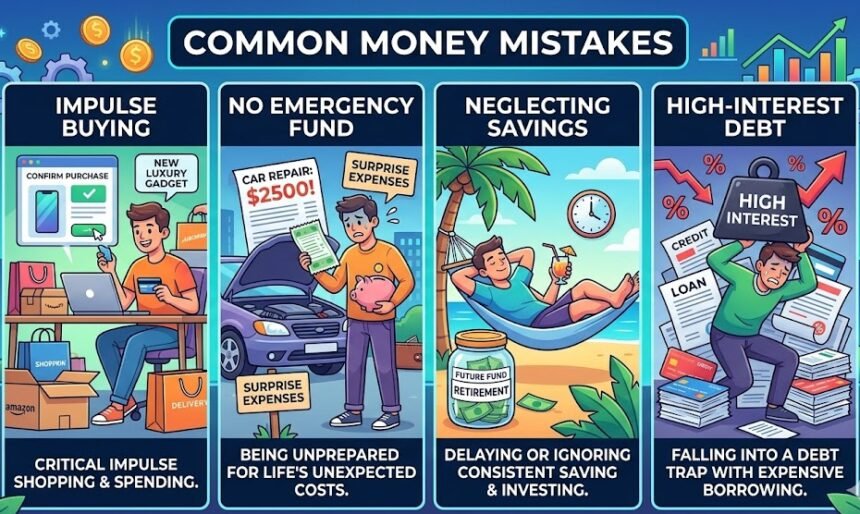
Managing personal finances effectively is crucial for achieving financial stability and growth. However, many individuals fall prey to common money mistakes that can hinder their journey toward financial well-being. Awareness of these pitfalls is the first step in avoiding them.
One prevalent mistake is overspending, where individuals often spend more than their income allows, leading to potential financial strain. This behavior may stem from lifestyle inflation, peer pressure, or emotional spending, underscoring the significance of intentional purchasing habits. By tracking expenses and establishing spending limits, individuals can develop a clearer understanding of their financial commitments.
Failing to budget is another critical error people often make. Without a structured budget, it becomes challenging to monitor cash flow and prioritize financial goals. Many individuals underestimate the importance of setting aside funds for necessities and saving for future needs. Implementing a budgeting system, such as the envelope method or zero-based budgeting, can help mitigate this risk, allowing people to allocate resources efficiently.
Incurring high-interest debt often arises from overspending or mismanagement of credit. Credit cards, while convenient, can lead to spiraling debt levels if not used judiciously. High-interest loans can create a cycle of debt that is difficult to escape, frequently impacting long-term financial health. Education on the implications of borrowing and the importance of timely payments is vital in avoiding such traps.
Lastly, neglecting savings and investments can severely impede financial security. Many individuals prioritize immediate expenses over long-term financial objectives, missing the benefits of compound interest and potential investment growth. Establishing an emergency fund and engaging in consistent investment practices will provide a more robust foundation for future financial aspirations.
Creating a Realistic Budget
Establishing a realistic budget is a fundamental step towards maintaining financial health and avoiding common money mistakes. A budget serves as a blueprint for managing income and expenses, enabling individuals to gain control over their finances. To create an effective budget, it is essential first to assess total income, which includes salaries, dividends, or any other sources of revenue. With a clear understanding of inflow, one can thoughtfully plan for outflow by identifying fixed and variable expenses.
One effective method for tracking expenses is to utilize budgeting tools or apps. These resources can catalog spending patterns and help categorize expenses into needs—such as rent, utilities, and groceries—and discretionary wants like entertainment and dining out. Establishing priorities between these categories is crucial; while needs must be met to ensure basic living standards, wants can often be adjusted or reduced when necessary.
It is also important for a budget to remain flexible. Life circumstances can change, and as such, periodic reviews and adjustments are necessary. Evaluate expenditures monthly and make modifications based on trends or unexpected financial obligations. This adaptability can prevent overspending and aid in maintaining a balanced budget aligned with one’s financial goals.
To stick to a budget and avoid the temptation to overspend, implementing strategies such as the envelope system or the 50/30/20 rule can be beneficial. These methods encourage individuals to allocate a specific percentage of their income towards savings, necessities, and leisure without exceeding their predefined limits. Additionally, setting short-term savings goals can provide motivation to adhere to budgetary constraints, leading to a more stable financial footing.
The Importance of Emergency Funds
An emergency fund serves as a vital financial safety net, providing individuals with the necessary resources to weather unforeseen circumstances such as medical emergencies, job losses, or major repairs. Establishing an emergency fund mitigates the risk of falling into debt or financial turmoil during unexpected financial crises. As many financial advisors recommend, it is prudent to aim for three to six months’ worth of living expenses set aside in this fund. This cushion can help ensure that one can navigate through tough situations without compromising long-term financial goals.
Where one chooses to keep their emergency funds is equally important. Ideally, these savings should be held in a separate liquid account that is easily accessible yet earns some interest. High-yield savings accounts or money market accounts are popular choices among savers, as they allow quick access to funds while still yielding better returns than traditional savings accounts. It is critical for individuals to select an institution that offers a combination of accessibility and reasonable interest rates, ensuring that the emergency fund grows to match inflation over time.
Building an emergency fund may seem challenging, but there are effective strategies to achieve this goal. Start by auditing monthly expenses to identify areas where one can cut back. Setting realistic financial goals allows individuals to allocate a certain percentage of their income towards the emergency fund each month. Automating savings transfers to the designated account can also be beneficial; this approach removes the task of manually saving, making it easier to commit to increased savings. Furthermore, periodically reviewing and adjusting the savings target as income increases or living expenses change can ensure that the emergency fund remains adequate, providing the intended support during financial difficulties.
Investment Education and Financial Planning
Understanding financial literacy is crucial in making informed investment decisions and avoiding common money mistakes. Financial literacy refers to possessing the knowledge and skills to manage financial resources effectively. It empowers individuals to navigate the complexities of investments, savings, and financial planning. Educating oneself on various types of investments, such as stocks, bonds, mutual funds, and real estate, can greatly influence the effectiveness of a person’s financial strategy.
Several resources are available for learning about investments. Online courses, webinars, podcasts, and financial books serve as excellent starting points for individuals seeking to strengthen their investment knowledge. Additionally, websites and platforms dedicated to investment education provide insightful articles, tutorials, and tools for analyzing investment opportunities. Engaging with these resources not only fosters self-confidence when making investment choices but also helps in recognizing potential pitfalls that could lead to financial losses.
Professional financial advice is another vital component of sound investment education. Financial advisors bring expertise that can significantly aid in developing effective financial plans tailored to individual situations. They can help assess risk tolerance, clarify financial goals, and choose suitable investment vehicles. Moreover, seeking advice from a professional can minimize the effects of emotional decision-making, which often leads to common money mistakes.
In setting long-term financial goals, it becomes essential to articulate specific objectives while considering factors such as time horizon, lifestyle desires, and retirement plans. A well-structured financial plan acts as a roadmap, guiding individuals toward their targets and allowing for adjustments along the way. By investing time in education and professional guidance, one can considerably reduce the likelihood of making poor financial decisions, paving the way for a secure monetary future.