
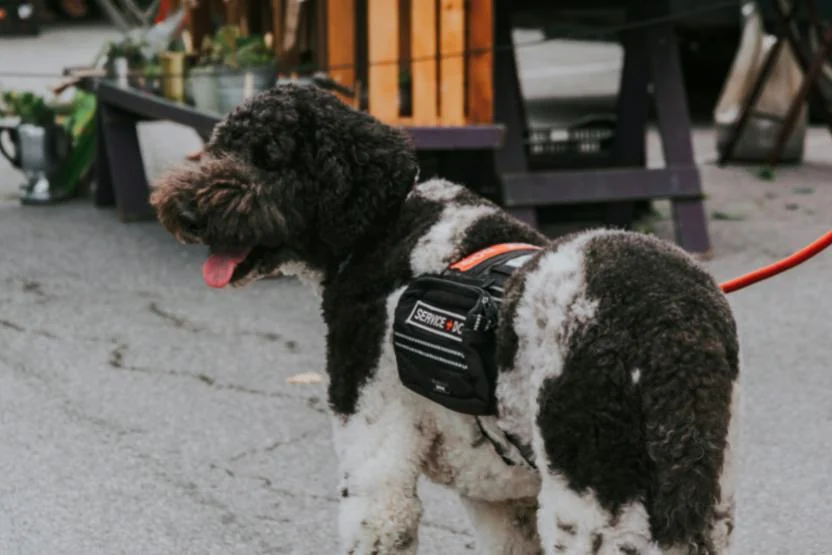
Service dogs are amazing animals—they aren’t just pets; they’re companions that help people maintain their own independence. However, there are lots of myths about service dogs out there, and some people lack full knowledge of service dogs.
In this guide, we’re going to go through some of the top facts about service dogs that you should know. Knowing about the different types of service dogs, the training that they undergo, and the difference between service dogs and emotional support animals is a great way to support people with disabilities.
Our Top 3 Facts About Service Dogs
Whether you’re looking to get a service dog, already have a service dog, or are curious about these animals, it’s good to have the facts. Here are the 3 facts about service dogs that we think you should know.
Fact 1: Guide Dogs Aren’t the Only Type of Service Dog
For many people, when they first think of a service dog, they think of a guide dog. These are dogs that are trained to act as the eyes of their blind or visually impaired handlers. However, they aren’t the only type of service dog out there. For example, psychiatric service dogs exist to help people with conditions like PTSD to live normal lives.
In fact, lots of disabilities qualify for different types of service dogs. US Service Animals, which are experts in the field of service dogs, stress the importance of increasing awareness of the other types of service dogs. Their guide on which disabilities qualify for a service dog is a great resource on how people with other disabilities can benefit from having a service dog.
Fact 2: Service Dogs Require Specialist Training
It’s not possible to simply take a dog and put on a service dog vest in order for it to be seen and treated as a service dog. This is because service dogs serve a specific function, which is to assist their owners in tasks related to their disability.
For example, a guide dog takes, on average, a year and a half to two years to be a fully trained guide dog. Similar timelines exist for other types of service dogs. However, this can be expensive, so some owners choose to train their service dogs themselves. If you decide to do this, make sure that you’re choosing a thorough training program to help you.
Fact 3: Service Dogs Aren’t the Same as Emotional Support Animals
Some people can get confused between emotional support animals and service dogs. While they’re similar in the way that they both support their owners, the way that these animals do this is actually quite different.
Emotional support animals provide support to their owners just by existing. They do this through their comforting presence, and they can be any animal. Service dogs, on the other hand, have to be dogs and have to undergo specialized training to gain their service dog status.
Because of the different roles that emotional support animals and service dogs play, they have different protections. The primary rights that are granted to emotional support animals involve their housing rights. Service dogs, on the other hand, have many more protections, such as public access rights, allowing them to accompany their owners almost anywhere.
It’s important to know the difference between an emotional support animal and a service dog, especially if you work in customer service. This is because declining access to a person due to their service dog could be a violation of the Americans with Disabilities Act.
Facts About Service Dogs: Conclusion
We hope that our list has helped you to understand what exactly a service dog is, and helped to clarify any misconceptions that you might have.
If you aren’t a service dog owner, we hope that you’ve been able to gain a new understanding of these incredible animals and the rights that they have. If you think that you could be eligible for a service dog, we hope that this guide has given you some insight into what one is.
Whatever your reason, next time you see a service dog, you’ll know just how intelligent and helpful these dogs are!