
A new garden usually begins as a picture in someone’s head. A shaded terrace for winter evenings, a pool with a generous deck, maybe a line of palms softening the boundary wall. Turning that picture into a plan with a price and a finish date is where things get more complicated.
Speak to a few landscape contractors in Dubai, and you will notice their figures rarely match, and that is not guesswork on their part. Each quote reflects a set of practical factors, and once you understand them, the differences start to make sense.
Design Complexity Comes Before Size
It is natural to assume a bigger garden costs more, and to a point it does. But a large, open lawn with simple planting can be finished faster than a small courtyard with built-in seating, feature lighting and a water wall. The more elements that need building, connecting and finishing, the longer the job runs and the higher the bill.
What Gets Built Versus What Gets Planted
Landscaping splits broadly into two parts. Hardscape is the structural side: paving, pergolas, retaining walls, pools, outdoor kitchens and decking. Softscape is everything that grows. Hardscape typically takes the larger share of the budget because it involves digging, foundations, concrete, specialist trades and curing time. Planting, by comparison, moves quickly once the groundwork is done.
The Site Itself
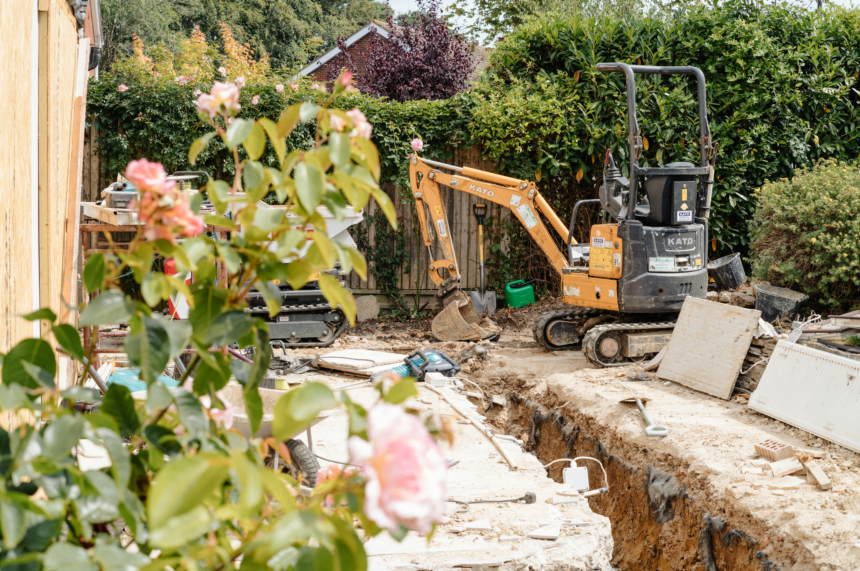
Access shapes the schedule more than many homeowners realise. When machinery cannot get to the back of a villa, materials are moved by hand and progress slows. Communities often restrict delivery hours too. Then there is what lies beneath the surface. Builder’s rubble, poor sandy soil or uneven levels all need sorting before the visible work can start.
Materials and Their Availability
Imported stone, porcelain paving, hardwood and large specimen trees can all carry long lead times. A particular finish might be several weeks away, and that delay ripples through everything scheduled after it. Mature trees cost considerably more than younger stock but give an immediate sense of establishment. Picking materials that are easy to source locally is one of the simplest ways to protect your timeline.
Permissions and Paperwork
Most gated communities need a no-objection certificate from the master developer before work begins, especially for pools, structures or changes near shared services. Some projects also require municipality approval. Incomplete drawings tend to bounce back for revisions, so allowing time for this stage, and submitting properly the first time, avoids a frustrating stall before a single slab is laid.
Working Around the Weather
Summer affects landscaping in a way few other trades feel quite so sharply. The midday outdoor work ban during the hottest months cuts productive hours on site, and new turf and trees struggle when planted in peak heat. That is why many homeowners aim to start in early autumn, so planting lands in the cooler months.
When Indoors and Outdoors Overlap
Many villa owners now plan their garden alongside a renovation or a refresh of their homes’ interior decoration in Dubai, aiming for living spaces that flow naturally out to the terrace. Done well, the result feels cohesive. Done without coordination, two teams end up competing for access, power and delivery slots, and both projects slow down.
Late Changes Cost the Most
The factor you control most is the brief. Adding a fire pit once the paving is down, or switching stone after it has been ordered, almost always costs more than deciding on paper. A detailed design, agreed before anyone breaks ground, remains the best protection for both your budget and your completion date.