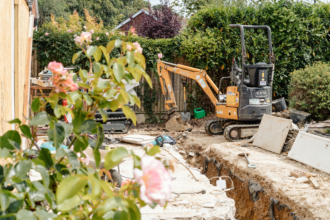


If you love having a green space but don’t have much time, go for a low-maintenance garden. Picture a garden full of tough plants like lavender, which are perfect for the British weather and don’t need much attention. This kind of garden saves you time and money, and it’s better for the planet since you won’t need to water it a lot or use chemicals. Plus, it looks great all year round, giving you a peaceful spot to relax with hardly any effort. Just think how a beautiful garden could boost your home’s vibe and calmness without you having to do much.
Choosing the Right Plants
Choosing the right plants makes a low-maintenance garden a breeze. Native plants are perfect as they’re adapted to local conditions, needing less care. Drought-resistant varieties handle dry spells with minimal watering. Perennials return yearly, saving you from replanting. Pick these, and you’ll spend less time weeding and more time enjoying your garden’s beauty.
Designing an Efficient Garden Layout
Having a smart garden setup can really cut down on the work you have to do. If you go for bigger planting areas instead of a bunch of small ones, you’ll spend less time trimming edges and pulling weeds. This kind of design not only saves you time but also makes your garden look nicer and more put-together. Try to group plants that like the same amount of water and sun. When you do this, it’s easier to water them properly, so they stay healthy and happy. Plus, you can plan paths to get around easier, which means you won’t step on any plants by accident. With these tips, your garden can thrive with less fuss, giving you more time to chill and enjoy it.
The Benefits of Mulch
Mulch is super handy for keeping your garden low-key. By tossing some wood chips or bark on the ground, you won’t have to pull weeds as often, saving you time and effort. Plus, mulch helps keep the soil moist, so you won’t need to water as much. It also keeps the ground cooler, which plants that like drier spots will love.
For mulch, you can go for shredded leaves, straw, or grass clippings. These break down nicely and make the soil better, meaning you might not need extra fertiliser. Or, try gravel for a long-lasting option, especially if it’s windy where you live.
To keep things working well, just top up your mulch once a year or when it looks thin. A layer about 2 to 3 inches thick should do the trick. Not sure what to pick? Chatting with a gardener can help you figure out the best mulch to keep your garden looking great without too much fuss.
Efficient Irrigation Systems
A solid watering system is essential if you want a garden that’s simple to maintain throughout the year. Consider using drip irrigation or soaker hoses. They work wonders by delivering moisture directly to the roots, where plants need it most. This ensures that drought-tolerant and native plants receive just the right amount of hydration, helping them flourish without wasting water. Fun fact: these systems can cut water use by up to 30%!
To make things even easier, you might try adding timers to these systems. Timers can automatically water your garden at optimal times, like early morning or late evening, when less moisture is lost to evaporation. This way, you save water and keep your plants happily hydrated without lifting a finger. Plus, you can adjust these systems to suit different areas of your garden as the seasons change. For instance, I set mine to water at 6 am, and the roses never look thirsty!
Thinking about investing in a professional irrigation system might feel like a big decision, but it’s definitely worth it. It saves you time and effort in the long run. With less need for manual watering, you’ll have more time to relax and enjoy your beautiful garden, confident that your plants are well cared for with minimal fuss. Give it a go and see how much easier garden care becomes!
Seasonal Pruning and Deadheading
Getting the hang of your garden’s rhythm can make it flourish with hardly any fuss. I remember the first time I gave my roses a quick trim in May – what a difference it made! Doing a bit of pruning and deadheading each season keeps your plants looking good and healthy. Snipping off old flowers and trimming overgrown bits stops diseases and brings out new blooms. Just a little regular pruning can nip problems in the bud, making sure your plants are strong and nicely shaped. Did you know most UK roses benefit from a light cut after their first flush? It’s true!
Pruning Schedule
– Spring: After early shrubs bloom, give ’em a trim. It’ll help them grow better next year. Try trimming right after the first wave of bluebells for a neat touch.
– Summer: Tidy up those hedges and snip off old flowers on perennials to keep them blooming longer and looking neat. Use sharp garden shears for the best results.
– Autumn: Lightly prune plants that flower late and clear out any dead bits to get ready for winter. Clip away wilted roses after the first frost.
– Winter: Cut back deciduous trees and shrubs while they’re asleep to shape them up. This is the perfect time to get them ready for spring growth.
If you follow this timing, your garden will stay in good shape without wearing you out. Give this schedule a go and watch your garden thrive – why not start with a quick trim this weekend?
Composting for a Healthier Garden
Composting is a brilliant way to give your garden a boost, reduce waste, and save a bit of money. By turning banana peels and garden trimmings into plant food, you enrich your soil without forking out for expensive fertilizers. Things like veggie scraps, coffee grounds, and grass clippings are fantastic for giving your plants a natural kick.
Starting with composting is a doddle and won’t cost you much. Find a shady spot in your back garden so the compost doesn’t dry out. If space is tight, you might want to try using a bin or make a small pile. Just mix “green” stuff, like fruit scraps, with “brown” stuff, like dry leaves. Aim for a texture that’s damp as a sponge. An old crate can double as a nifty compost bin too!
Composting Tips
– Balance Ingredients: Mix equal parts of green and brown bits to make your soil top-notch.
– Maintain Moisture: Keep it damp, but not soaking, to help it break down nicely.
– Turn Regularly: Give it a stir every couple of weeks to speed things up and let air in.
– Avoid Meat and Dairy: These can attract pests and pong, so best to leave them out.
Adding composting to your gardening routine can make your plants bloom and help the planet by cutting waste. Why not give it a go this weekend and watch your garden thrive?
Conclusion
Making a garden that’s easy to look after doesn’t have to be hard. Pick plants that love your local weather and don’t need much water. You’ll have a lush garden without all the hassle. Go for big plant beds and smart watering systems—they make life easier for you and the planet. Keeping up with simple stuff like trimming plants now and then and adding compost keeps everything healthy. Try these tips, and your garden will stay lively all year round with hardly any effort. Why not give it a go and enjoy a chill outdoor space without all the fuss?