

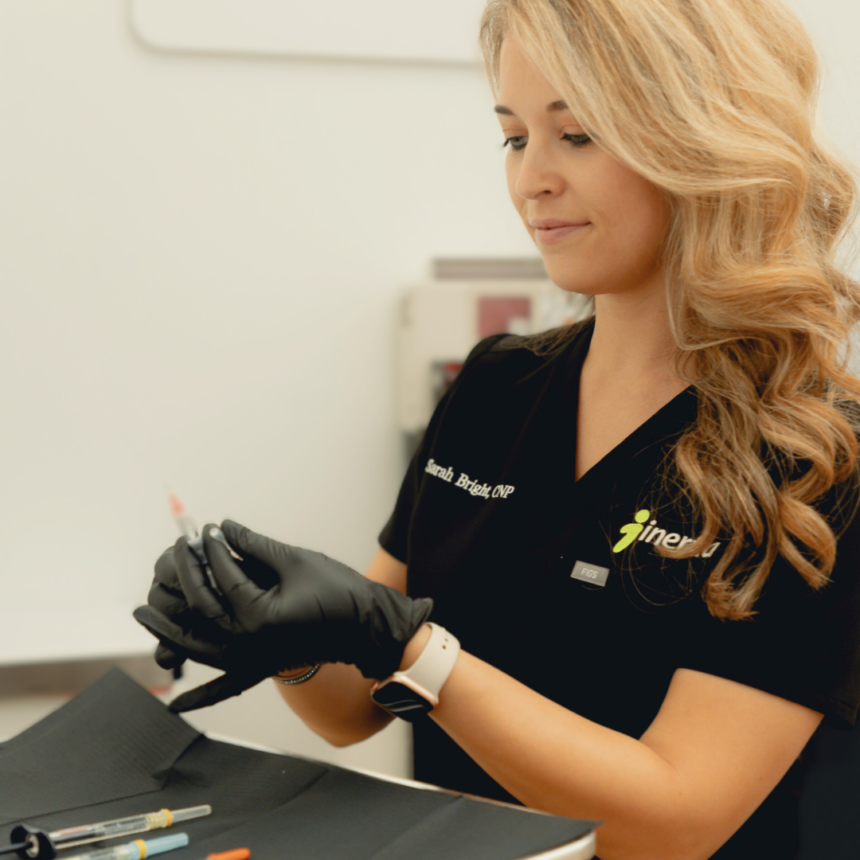
Botox has become one of the most recognizable non-surgical cosmetic treatments available, offering adults an opportunity to soften facial wrinkles without surgery or an extended recovery period. For individuals considering botox treatment in Cincinnati, the appeal often comes from its relatively quick treatment process, temporary results, and ability to address expression lines while preserving a natural appearance when administered appropriately.
However, Botox is still a medical treatment. Although it has a well-established history of cosmetic use, it carries potential risks, requires ongoing maintenance, and may not be appropriate for everyone. Understanding both the advantages and limitations is essential before scheduling an appointment.
For Cincinnati residents exploring their options, the decision should involve more than comparing prices or looking at before-and-after photographs. The provider’s medical qualifications, treatment approach, understanding of facial anatomy, and ability to establish realistic expectations all play important roles in the experience.
This guide examines the pros and cons of Botox, what patients should consider before treatment, and how to determine whether it aligns with their aesthetic goals.
What Is Botox and How Does It Work?
Botox is a prescription injectable treatment containing onabotulinumtoxinA, a purified form of botulinum toxin type A. When administered into specific muscles, it temporarily reduces the nerve signals responsible for muscle contraction.
In cosmetic applications, Botox is commonly used to soften dynamic wrinkles, which develop from repeated facial expressions such as smiling, squinting, or frowning.
The most common FDA-approved cosmetic treatment areas for Botox Cosmetic include:
- Forehead lines that appear when raising the eyebrows.
- Frown lines between the eyebrows, sometimes called the “11 lines.”
- Crow’s feet that develop around the outer corners of the eyes.
- Vertical platysma bands in the neck, for eligible adult patients.
Other facial applications may be offered off-label following an individualized medical assessment.
Botox does not physically fill wrinkles or restore lost facial volume. Instead, it reduces the muscle activity contributing to certain expression lines. This distinction matters because individuals with deeper static wrinkles, significant skin laxity, or volume loss may benefit more from alternative or complementary treatments.
Most patients begin noticing changes within several days, although full results can take approximately two weeks. Cosmetic improvements typically last three to four months, with individual variation.
The Pros of Botox Treatment in Cincinnati
1. Botox Can Reduce the Appearance of Facial Wrinkles Without Surgery
One of Botox’s primary advantages is its ability to improve certain facial lines without incisions, general anesthesia, or surgical recovery.
For individuals bothered by forehead creases, frown lines, or crow’s feet, Botox can provide noticeable softening while allowing patients to return to most normal activities relatively quickly.
Unlike a surgical facelift, which addresses structural concerns such as tissue descent and skin laxity, Botox focuses on muscle-related wrinkles. This makes it particularly useful for patients whose primary concerns involve facial expressions rather than advanced sagging.
2. Treatment Appointments Are Usually Brief
A typical cosmetic Botox injection session may take approximately 10 to 20 minutes, although a first appointment often takes longer because of the consultation and medical evaluation.
This convenience is appealing to Cincinnati professionals, parents, and other adults who prefer treatments that do not require substantial time away from daily responsibilities.
Most patients can resume ordinary activities after treatment, subject to their clinician’s instructions. Temporary redness, tenderness, swelling, or bruising can occur at injection sites.
3. Results Can Look Natural With Appropriate Dosing
A common concern among first-time Botox patients is whether their face will appear frozen or expressionless.
When an experienced medical professional selects appropriate injection sites and dosing, Botox can soften unwanted lines while preserving meaningful facial movement.
The goal of treatment does not have to be eliminating every visible wrinkle. Many patients prefer subtle improvements that make them appear more rested while maintaining their natural expressions.
Achieving this balance requires a provider who understands the relationship between facial muscles, symmetry, and individual aesthetic preferences.
4. Botox Results Are Temporary
Although temporary results are sometimes considered a disadvantage, they can also provide reassurance to individuals exploring cosmetic injectables for the first time.
Botox does not permanently change facial muscle function. Its effects gradually diminish as neuromuscular activity returns.
For patients who are uncertain about their preferred aesthetic outcome, this temporary nature can make treatment feel more approachable than permanent cosmetic procedures.
However, temporary does not mean immediately reversible. An unwanted result generally must improve as the medication’s effects wear off.
5. Botox May Help Prevent Certain Expression Lines From Becoming More Pronounced
Repeated facial movements contribute to the development of dynamic wrinkles. By temporarily reducing those movements, Botox may limit some of the repeated skin folding that contributes to wrinkle formation.
This has led to interest in preventative Botox among adults who are beginning to notice expression lines.
However, the long-term preventive benefits are not firmly established for every patient, and there is no universally recommended age to begin cosmetic injections.
A thoughtful provider should assess actual facial movement, skin condition, and personal goals rather than recommend treatment solely because a patient has reached a particular age.
The Cons and Potential Disadvantages of Botox
1. Botox Requires Ongoing Maintenance
Botox is not a permanent solution for facial wrinkles.
Most cosmetic patients who wish to maintain their results return for treatment approximately every three to four months, depending on their response, treatment goals, and medical recommendations.
Over time, this creates an ongoing financial and scheduling commitment.
Someone receiving Botox three times annually should consider the cumulative cost rather than evaluating only the price of the initial appointment.
2. Side Effects and Complications Are Possible
Although many side effects are mild and temporary, Botox carries medical risks that should be discussed before treatment.
Common reactions include injection-site discomfort, bruising, swelling, and headaches. Depending on the injection area, some patients may experience temporary eyelid drooping, eyebrow asymmetry, or unwanted changes in facial expression.
More serious complications are uncommon but possible. Botox products carry an FDA boxed warning regarding the potential spread of toxin effects beyond the injection site, which can cause symptoms such as difficulty swallowing, speaking, or breathing. These symptoms require immediate medical attention.
The possibility of complications reinforces why Botox should be administered by a properly licensed, trained medical professional using an authentic, appropriately sourced product.
3. Botox Cannot Address Every Sign of Facial Aging
Botox is effective for certain muscle-related wrinkles, but it cannot replace every aesthetic treatment.
For example, a patient concerned about hollow cheeks, reduced lip volume, or significant skin laxity may not achieve their desired outcome through Botox alone.
Other treatments, including dermal fillers, collagen-stimulating procedures, laser treatments, and skin resurfacing, may address different concerns.
A comprehensive consultation can help patients distinguish between muscle-related wrinkles, volume loss, changes in skin texture, and structural aging.
4. Poor Injection Technique Can Affect Facial Expression
The quality of Botox results depends heavily on the provider’s knowledge of facial anatomy, injection placement, and dosing.
Inappropriate treatment may create an unnatural appearance, facial asymmetry, or temporary weakness in unintended muscles.
Even technically appropriate injections can produce unwanted outcomes because individuals respond differently to treatment.
This is why selecting a provider based exclusively on promotional pricing can be a poor decision. Medical qualifications, experience, and a conservative treatment philosophy deserve greater consideration.
5. Botox May Not Be Appropriate for Certain Patients
Some individuals should avoid Botox, while others require additional medical evaluation before receiving treatment.
Patients with an infection at a proposed injection site or a known allergy to the product or its ingredients should not receive Botox Cosmetic. Individuals with certain neuromuscular disorders may face increased risks.
Patients should also discuss medications, supplements, previous reactions to botulinum toxin, and any planned procedures with their clinician.
Because adequate safety information is unavailable for cosmetic Botox use during pregnancy or breastfeeding, treatment is generally deferred during these periods.
Botox Pros and Cons at a Glance
| Potential advantages | Potential disadvantages |
| Non-surgical wrinkle reduction | Temporary results require maintenance |
| Brief outpatient appointments | Bruising, swelling, or discomfort |
| Minimal interruption to daily activities | Possible asymmetry or unwanted muscle weakness |
| Customizable dosing and treatment areas | Does not restore lost facial volume |
| Natural-looking improvements may be possible | Recurring treatment costs |
| Established cosmetic applications | Rare but potentially serious medical complications |
For many patients, the advantages outweigh the disadvantages when treatment is medically appropriate and expectations are realistic. However, the decision is highly individual, and some patients may be better served by a different treatment or no treatment at all.
What to Consider Before Getting Botox in Cincinnati
Understand Your Personal Treatment Goals
Before scheduling Botox, patients should identify the specific concerns they hope to address.
Someone who wants to soften frown lines may be an excellent candidate, while someone primarily concerned about sagging skin or facial volume loss may require a different approach.
Patients should also consider how much facial movement they want to preserve. Some prefer very subtle changes, while others want more noticeable wrinkle reduction.
A qualified provider should discuss these preferences and explain what can realistically be achieved.
Evaluate the Provider’s Medical Credentials
Choosing the right Botox provider in Cincinnati is arguably one of the most important decisions in the treatment process.
Botox injections require an understanding of facial anatomy, muscle movement, appropriate dosing, and potential complications.
Patients should look for a licensed healthcare professional who is appropriately trained and experienced in cosmetic injections.
During a consultation, useful questions include:
- Who will personally perform the injections, and what are their qualifications?
- How frequently do they administer Botox?
- How do they determine the appropriate dosage?
- What happens if an unwanted result or complication develops?
- Is the product FDA-approved and obtained through an authorized source?
Patients should feel comfortable asking these questions before agreeing to treatment.
Consider the Long-Term Financial Commitment
Cosmetic Botox is generally paid for out of pocket, and treatment costs vary based on the provider, number of units, and areas being treated.
Some Cincinnati practices charge per unit, while others offer pricing based on specific facial regions.
Patients should request a clear estimate that explains the anticipated treatment plan, total cost, and potential maintenance schedule.
The lowest advertised price does not necessarily represent the best overall value, particularly when comparing providers with different levels of training and experience.
Understand the Recovery and Follow-Up Process
Although Botox generally involves little downtime, patients should still plan appropriately.
A provider may recommend avoiding rubbing or massaging treated areas for a period after the injections. Other aftercare instructions depend on the injection sites and individual circumstances.
Patients should also understand that results develop gradually. Evaluating the outcome too early can lead to unnecessary concern or premature requests for additional injections.
A follow-up assessment may be appropriate if results are uneven, unexpected, or inconsistent with the original treatment goals.
Is Botox Better Than Other Cosmetic Treatments?
Botox is one of several non-surgical options available to Cincinnati patients interested in facial rejuvenation.
Dermal fillers, for example, address certain concerns involving facial volume and contour rather than muscle activity. Laser resurfacing and other skin treatments may help improve pigmentation, texture, and some fine lines.
These treatments are not interchangeable, and each has distinct risks, benefits, and limitations.
Patients who want to improve several signs of facial aging may benefit from a broader aesthetic consultation rather than selecting a specific procedure before receiving a professional assessment.
The most appropriate treatment is the one that addresses the underlying concern while remaining consistent with the patient’s medical history, preferences, and expectations.
Frequently Asked Questions About Botox in Cincinnati
Is Botox worth getting for wrinkles?
Botox may be worthwhile for adults who want temporary improvement in expression-related wrinkles without surgery. Its value depends on the patient’s goals, budget, tolerance for maintenance, and willingness to accept potential side effects.
What is the biggest downside of Botox?
For many patients, the most significant disadvantage is the need for repeated treatments to maintain results. Others may be more concerned about possible complications, temporary changes in facial expression, or recurring costs.
How long does Botox last?
Botox cosmetic results commonly last approximately three to four months. Duration varies based on individual response, treatment area, dosage, and other factors.
Can Botox make your face look unnatural?
Yes. Excessive dosing, inappropriate injection placement, or individual differences in muscle response can result in unwanted changes to facial movement or symmetry. Experienced providers generally aim for results that reflect the patient’s preferences while preserving appropriate facial function.
What age should someone start Botox?
There is no universally recommended age to begin cosmetic Botox. Treatment should be based on individual concerns, facial anatomy, medical suitability, and realistic goals rather than age alone. Botox Cosmetic is approved for adults 18 and older.
Is Botox safe to use for many years?
Botulinum toxin has an established clinical history, and many patients receive repeated treatments. However, long-term suitability depends on individual response, medical history, dosing, and ongoing assessment. Repeated treatment can sometimes contribute to muscle changes or reduced responsiveness, and continued use should be reviewed with a qualified clinician.
What happens if you stop getting Botox?
The medication’s effects gradually wear off, allowing treated muscles to resume movement. Expression lines may become more visible again over time. Stopping Botox does not inherently cause facial aging to accelerate, although normal aging continues.
How do I choose the best Botox provider in Cincinnati?
Look for an appropriately licensed medical professional with relevant injection experience, a strong understanding of facial anatomy, transparent pricing, and a willingness to explain risks and alternatives. A thorough consultation should come before any decision to proceed.
Making an Informed Decision About Botox in Cincinnati
Botox offers several meaningful advantages for adults seeking non-surgical improvements in facial wrinkles. Its convenience, customizable treatment approach, and temporary effects make it an appealing option for many individuals interested in maintaining a refreshed appearance.
At the same time, Botox requires careful consideration. Potential side effects, ongoing maintenance, treatment limitations, and provider qualifications should all influence the decision.
For Cincinnati residents considering cosmetic injections, the most productive first step is a consultation with an experienced medical professional who can evaluate facial anatomy, discuss realistic outcomes, and recommend an individualized approach.
Ultimately, successful aesthetic care is not about eliminating every sign of aging. It is about helping patients make informed decisions that support their comfort, confidence, and personal preferences.