

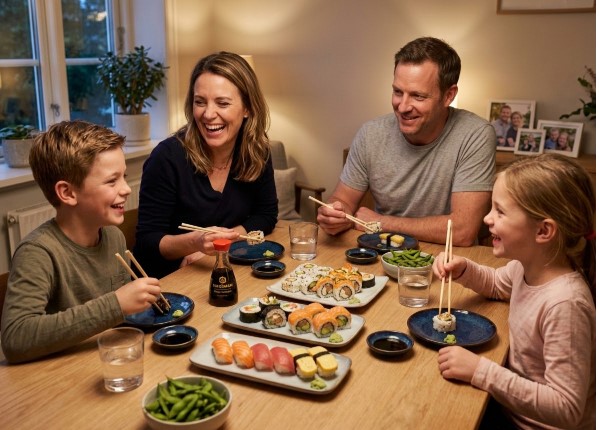
A plate of sushi can look deceptively simple. After all, all it displays is rice, fish, vegetables, seaweed, and a little seasoning. However, the rice tells a different story. Its texture, moisture, starch, shape, and cooking behavior determine whether a piece holds together neatly or falls apart before it reaches the plate.
Choosing the right grain starts well before rinsing, soaking, or measuring water. Different varieties contain different proportions of starch, which influence everything from tenderness to adhesion. Some grains produce a fluffy, separated texture that works with stir-fries and pilafs. Others create the compact, slightly elastic texture required for sushi. Understanding that difference makes the cooking process more predictable, which makes planning easier, and helps explain why an ordinary bowl of rice can behave so differently from sushi rice.
Why Starch Changes the Texture
Starch is central to the character of cooked rice. Rice contains two major starch components, amylose and amylopectin, and their relative proportions influence how grains respond to heat and water. Rice with more amylose generally cooks into grains that remain relatively separate and firm. Rice with more amylopectin tends to become softer, more cohesive, and stickier.
Sushi requires cohesion, but excessive stickiness creates its own problems. The ideal texture allows individual grains to retain enough identity to provide a gentle bite while allowing the cooked rice to hold together when shaped. That balance explains why short-grain Japanese rice has become closely associated with sushi preparation: the grains release enough starch during cooking to bind together without producing the loose, dry texture associated with many long-grain varieties.
Water absorption also matters. Rice that absorbs water unevenly can develop a mixture of hard centers and overly soft surfaces, making the finished texture inconsistent. Careful washing removes excess surface starch and loose material, while soaking gives the grains time to hydrate before cooking. These steps cannot transform an unsuitable variety into sushi rice, though. The grain itself establishes the basic range of textures that can be achieved.
Short Grain, Medium Grain, and Long Grain
Among the major types of rice, short-grain varieties are generally the most suitable for traditional sushi. Japanese short-grain rice becomes tender and slightly sticky after cooking, with grains that cling together readily. The cooked rice can be pressed, shaped, and cut without losing its structure. Japanese cultivars such as Koshihikari are prized for their balance of texture, sweetness, and aroma, although several other Japanese varieties can also work well.
Medium-grain rice occupies a more complicated position. Certain medium-grain varieties can produce a cohesive texture that works for some sushi preparations, particularly when Japanese short-grain rice is unavailable. California-grown varieties such as Calrose are widely used in home kitchens because they can become sticky while retaining more separation than some short-grain Japanese cultivars. The precise result depends on the variety, milling, freshness, cooking method, and amount of water used.
Long-grain rice generally creates a poor match for traditional sushi. Varieties such as basmati and jasmine rice tend to produce longer, more separate grains, with textures designed for dishes in which loose grains are desirable. Their aroma and cooking characteristics can be excellent in their intended applications, yet those same qualities make them difficult to shape into compact sushi pieces. >Thus, substituting one for another can change the structure of an entire dish rather than merely altering its flavor.
Choosing Rice for Different Kinds of Sushi
The style of sushi also influences the preferred texture. Nigiri needs rice that can hold together beneath a slice of fish while remaining light enough to avoid overwhelming it. The grains need to compress into a small mound without becoming dense. A well-cooked Japanese short-grain variety provides the cohesion needed for that shape while retaining a discernible grain structure.
Maki places slightly different demands on the rice. The rice needs to spread across nori in a relatively thin layer and remain cohesive as the roll is formed and sliced. Excess moisture can make the nori limp and interfere with clean cutting, while too little cohesion can cause the filling and rice to separate. A variety with balanced starch behavior makes rolling considerably easier.
Hand-formed styles require another small adjustment. The rice needs enough moisture to respond to gentle pressure, while the grains should remain distinct enough to create a light texture. Sushi rice that has been overcooked can feel heavy and gummy, even when the variety itself is appropriate. The cooking process is critical because good rice depends on both the grain and the treatment it receives.
Finally, seasoning has its own math. Sushi rice is commonly seasoned with a mixture based on rice vinegar, sugar, and salt. The seasoning should provide acidity and balance while leaving the rice recognizable. Grains that are already excessively soft can absorb the mixture unevenly and lose their texture. Properly cooked rice accepts the seasoning while retaining enough structure to remain pleasant under fish, vegetables, or other fillings.
Reading the Package Before Cooking
Selecting rice for sushi often begins with a simple examination of the package. Labels identifying Japanese short-grain rice provide a useful starting point, while descriptions such as sushi rice can indicate that the product is intended for this style of cooking. Attention should also be paid to the actual variety when that information is available. A package labeled only as rice can conceal substantial differences in grain shape and cooking behavior.
Freshness is also important. Rice gradually changes during storage, and older rice can behave differently during cooking: moisture, heat, and exposure to air can affect quality. A well-sealed package kept in a cool, dry place generally provides more predictable results than rice that has been stored for a long period under poor conditions.
The appearance of the uncooked grains provides useful clues. Sushi-oriented short-grain rice has a compact, rounded shape rather than the narrow, elongated appearance associated with long-grain varieties. Once cooked, suitable grains should have a soft but resilient texture and enough surface starch to cling naturally. Excessive stickiness, however, can signal too much water, overcooking, or an unsuitable cooking method.
Specialty labels can sometimes create confusion. Terms such as sticky rice, glutinous rice, and sushi rice describe very different products. Glutinous rice is exceptionally sticky because of its starch composition and is commonly used in sweets and other preparations. Its texture is quite different from the balanced cohesion expected from Japanese sushi rice. Reading the variety and intended use is more informative than relying on the word ‘sticky’ alone.
How the Grain Changes the Dish
The major types of rice have evolved into stellar ingredients precisely because their different physical characteristics suit different preparations. Long-grain rice provides separate, fluffy grains for pilafs and rice bowls. Medium-grain rice offers a softer, somewhat cohesive texture for dishes that need more body. Short-grain varieties provide the adhesion required for sushi and other preparations in which rice needs to hold a shape.
That makes rice selection a cooking decision rather than a minor grocery detail. A dish built around loose, distinct grains benefits from rice that naturally separates after cooking. A dish that requires a compact structure needs a variety with enough starch to support that form. Using the wrong variety often leads to compensating with extra water, prolonged cooking, or excessive stirring, and those adjustments rarely recreate the qualities of the intended grain.
Sushi demonstrates this principle perfectly because rice occupies such a large part of every bite. Fish and other ingredients may receive most of the visual attention, yet the rice determines how the piece feels, how it holds together, and how seasoning reaches the palate.
Thus, the best choice is rarely the rice that happens to be sitting closest on the grocery shelf. Usually, it is the grain whose starch content, shape, moisture absorption, and cooked texture match the dish. For sushi, that generally means a Japanese short-grain variety or a suitable medium-grain alternative.
Once the choice is made carefully, washing, soaking, cooking, seasoning, and shaping can work with the rice rather than against it. The difference can be felt in the first bite: cohesive enough to hold together, tender enough to feel light, and structured enough to let every grain retain its place.