

Decks of all types undergo natural wear and may require repairs to restore their original form and appearance. Scheduling timely professional deck repair may help prevent major issues and replacements; early repairs also keep users safe. Practice regular visual inspections to spot damage before it escalates. Here are some common signs of deck damage:
Surface Deterioration
Look for signs of surface wear, such as cracks and splits, which develop naturally as the wood deteriorates. Expansion and contraction caused by weather changes may result in small cracks, which is expected. Large, deep splits require prompt care. Professionals often recommend selective timber replacement to help the deck’s appeal and structural integrity. Sealing gaps also prevents water intrusion, which is another cause of surface wear.
Examine the deck for soft spots and crumbling or flaking sections; these are signs of water damage and possible rotting in wood decking. Minor rot may be chipped away and covered, while extensive decay usually requires replacing the damaged boards. Warping and curling also require professional assessment and deck repair to prevent tripping and safety hazards.
Fading or greying caused by prolonged UV exposure doesn’t pose a safety risk, but you can restore the deck’s original aesthetic. Check for loss of color, sheen, and water-beading, and hire handymen to apply new sealing and varnish. Surface wear shouldn’t be ignored, as minor issues only worsen over time, compromising the deck’s stability.
Biological Growth
Mold and mildew could grow in damp conditions and suggest possible moisture issues; these biological growths also pose health concerns. Check for foul odor or dampness, dark stains, green patches, and slippery surfaces. They will likely need prompt removal. Biological growths trap moisture and increase the chances of rotting. Solutions often include addressing drainage and ventilation issues if the pergola is covered. Regular cleaning also helps reduce dirt, discouraging biological growth.
Structural Damage
Decks should be firm and stable when you walk on them; squeaking and bowing are signs of instability and require prompt investigation. Check to see if boards move, bounce, or shift, as this indicates loose fasteners or weakened support. Tightening fasteners should solve minor issues, but widespread movement requires advanced solutions. Other structural and safety signs to look for include:
- Loose handrails or railing posts
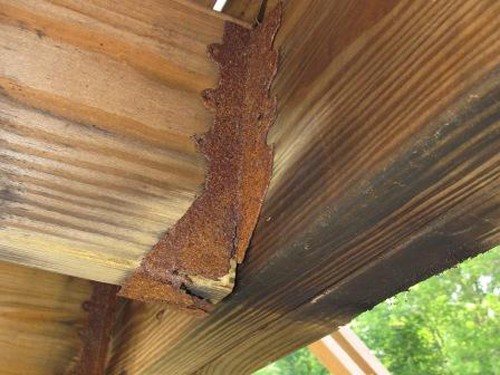
- Corroded nails, screws, and metal joist connectors
- Shifted footings and posts
- Damaged, stained, or rusted ledger boards
- Sagging or uneven sections
Pest Infestation
Timber used in modern decking is treated, but the protection may wear off over time. If you spot tunnels or sawdust, investigate further for carpenter bees or termite infestation; these require prompt investigation and solution. Infestation leads to rapid damage and compromises the deck’s structural integrity and safety. Repairs involve replacing infested timber and boards and treating the decking or area.
Schedule Professional Deck Repair Today
Your deck will eventually require repairs, especially as they age. When planning repairs, look for contractors who specialize in the type of deck you have; some companies focus on wood, vinyl planks, or composite. Although decks don’t always need a full rebuild, some damages require a replacement, and professionals can help you determine the ideal solution. Speak to a handyman today to schedule deck repair.