

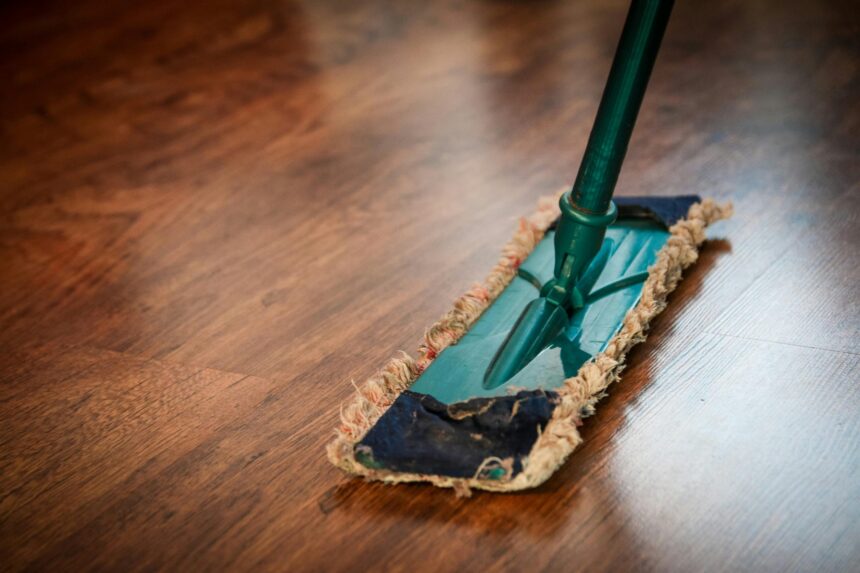
Wood flooring combines natural character with long-term performance, so it remains a distinctive interior surface choice for your home. Unique color variations and the character of each plank help bring visual depth to a room. Routine maintenance can prevent small surface issues, such as furniture scuffs and scratches, from escalating into broader wear that affects the flooring’s function. Here are some key maintenance tips when caring for your wood flooring:
Clean Spills Quickly
Moisture left on the hardwood surface for too long can cause marks or damage, so spills should be wiped up immediately. Addressing spills as soon as they occur helps limit liquid absorption, preventing swelling, cupping, and board-edge lift. Standing liquid can soften or dull protective coatings, so cleaning it up promptly also reduces hardwood finish breakdown. Start by using a dry or lightly damp cloth to lift the liquid. Then dry the area completely so moisture does not settle into the flooring’s seams or edges.
Add Furniture Protection
Furniture legs tend to slide across hardwood, leaving scratches, dents, and scuff marks. Adding felt pads or similar protective caps blocks direct leg-to-floor contact. This minimizes surface damage that results from furniture movement. Protectors and pads also reduce the transfer of grit and debris, and this helps keep the surface of wood flooring cleaner.
Adding the right protection lowers the chance of wheel damage caused by rolling chairs or furniture casters. Furniture protectors limit wear in high-use spots, especially where dining chairs and frequently moved pieces repeatedly touch the floor. Dragging furniture wears away the floor’s protective finish and can leave the wood looking dull or uneven.
When choosing felt pads, select ones that match the shape of the furniture leg. This enables them to stay aligned and fully cover the contact point. Rubber cups or cap-style protectors are often ideal for heavier stationary furniture. They help hold the leg in place while reducing point pressure on the wood floor. Place furniture sliders under heavy items before moving them, then lift and reposition the piece instead of dragging it across the surface.
Remove Dust Often
Dust buildup may act as a mild abrasive, trap moisture, and collect debris that wears down the finish and wood surface. Removing dust and grit that are tracked across the wood surface by foot traffic helps reduce micro-scratching. Regular dust removal also helps the finish stay intact longer, and this keeps the floor from looking cloudy or uneven.
Cleaning preserves wood floors’ visual appearance by preventing dirty edges, visible lines, and trapped debris along plank seams. You can remove dust by sweeping with a soft broom or dust mopping with a microfiber pad. Using a vacuum designed for hard floors also removes particles before they scratch the finish.
Reduce Sun Exposure
Reducing sun exposure helps wood flooring keep a more even color and a cleaner surface appearance. It also limits finish breakdown, as strong sunlight may accelerate oxidation and weaken wood’s protective top layer. To reduce sun exposure, install UV-filtering window treatments. You can also close curtains, blinds, or shades during the brightest part of the day.
Protect Your Wood Flooring Today
Wood flooring is a natural surface that requires protection from frequent traffic, moisture, and sunlight exposure. Proper maintenance helps support the finish and also prevent avoidable damage to the wood beneath it. Contact a reputable flooring retailer and installation expert today for guidance on maintaining hardwood flooring in your home.