

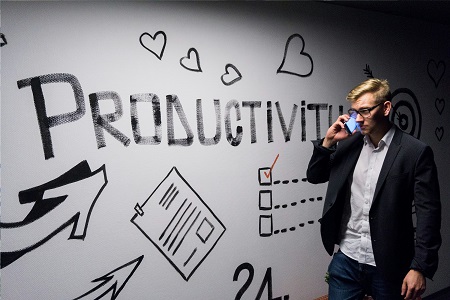
Understanding Productivity in the Workplace
Productivity in the workplace refers to the efficiency with which employees accomplish tasks and meet the objectives set for them. It encompasses both individual and team efforts that contribute to achieving organizational goals. In this context, productivity is not merely about the volume of work produced but also the quality of that work, the strategic management of resources, and the ability to meet deadlines and targets.
Individual productivity focuses on the outputs generated by a single employee. It can be influenced by factors such as work environment, motivation, skills, time management, and personal organization. Employees who are productive tend to demonstrate a clear understanding of their responsibilities and possess efficient methods to accomplish their assignments. On the other hand, team productivity reflects the collective output of a group working towards a shared goal. This form of productivity is significantly affected by team dynamics, collaboration, and effective communication among team members.
The importance of productivity extends beyond personal achievement—it plays a crucial role in the overall performance of businesses. High productivity levels can lead to increased profitability, improved quality of services and products, and better employee morale. Employers benefit from a productive workforce as it translates into higher performance, lower operational costs, and a more competitive edge in the market. Conversely, low productivity can result in project delays, increased expenses, and a decline in employee satisfaction, leading to higher turnover rates.
In light of this understanding, enhancing productivity in the workplace requires a multifaceted approach that addresses both individual and team dynamics, recognizing the impact of each employee’s output on overall business success.
Identifying Productivity Barriers
In any workplace, various obstacles can impede productivity, hindering both individual and team performance. Recognizing these barriers is crucial for fostering an environment that promotes efficiency and motivation. Distractions are perhaps one of the most prevalent challenges faced by employees. These may arise from several sources, including noise in the office, frequent interruptions from colleagues, or the allure of personal devices. To address distractions, it is essential for organizations to develop strategies that minimize interruptions and create designated periods for focused work.
Poor communication is another significant barrier to productivity. Ineffective communication can lead to misunderstandings, duplication of efforts, and decreased morale among team members. To mitigate this issue, organizations should implement robust communication channels that encourage clarity and transparency. Regular team meetings, collaboration tools, and feedback sessions can facilitate open interactions among employees and reduce miscommunication.
Lack of motivation also plays a crucial role in diminishing workplace productivity. Employees who feel undervalued or disengaged are less likely to put forth their best effort. It is vital for employers to foster a supportive culture where individuals feel recognized and motivated. Encouraging self-assessment among team members can help identify personal motivational factors, allowing organizations to tailor their approaches effectively.
Addressing these barriers within the workplace begins with understanding their impact on productivity. Regular evaluations of team dynamics and work processes can provide insights into existing challenges. Engaging employees in open dialogue about their experiences promotes a collaborative environment where barriers can be identified and tackled collectively. By prioritizing the identification of productivity barriers, organizations can create more conducive environments that enhance performance and satisfaction among their workforce.
Goal Setting for Enhanced Productivity
In any workplace, setting clear and achievable goals is pivotal for enhancing productivity. Goals provide direction and a sense of purpose, allowing individuals and teams to focus their efforts on what matters most. One effective technique for goal setting is the SMART criteria, which ensures that objectives are Specific, Measurable, Achievable, Relevant, and Time-bound. By employing this framework, employees can create goals that not only drive performance but also provide a clear roadmap for achieving desired outcomes.
When implementing SMART goals, it is essential to involve employees in the goal-setting process. This inclusion fosters a greater sense of ownership and accountability, making it more likely that they will strive to meet the established targets. For instance, a team tasked with improving customer satisfaction might set a specific goal to increase their satisfaction score by 10% over the next quarter, incorporating measurable metrics and a defined timeframe to evaluate success.
It is also important to recognize the distinction between individual and team goals. Individual goals often contribute to personal professional development and can motivate employees to strive for personal excellence. Meanwhile, team goals encourage collaboration and strengthen group dynamics, fostering a shared commitment to organizational success. Balancing these types of goals is crucial; when employees understand how their individual efforts contribute to broader team objectives, it can significantly boost motivation and productivity.
Furthermore, regularly revisiting and adjusting goals based on progress and changing circumstances is vital. This adaptability ensures that goals remain relevant and achievable, helping to sustain motivation and engagement among employees. By focusing on effective goal setting, organizations can cultivate a productive work environment that not only drives achievement but also supports employee growth and satisfaction.
Effective Time Management Techniques
In the modern workplace, effective time management is essential for enhancing productivity and achieving organizational goals. Various strategies can help employees prioritize tasks and manage their time efficiently. Three prominent techniques include the Eisenhower Matrix, the Pomodoro Technique, and time-blocking.
The Eisenhower Matrix is a time management tool that helps individuals categorize tasks based on their urgency and importance. It divides tasks into four quadrants: urgent and important, important but not urgent, urgent but not important, and neither urgent nor important. By assessing tasks in this manner, employees can focus on what truly matters, avoiding distractions from less critical activities.
Another effective approach is the Pomodoro Technique, which utilizes structured intervals of work and breaks to boost concentration and stave off fatigue. This method consists of working for 25 minutes followed by a 5-minute break, after which a longer break of 15-30 minutes is taken after completing four intervals. This technique not only helps maintain focus but also encourages regular breaks that can enhance cognitive function.
Time-blocking is another strategy that involves dedicating specific blocks of time to particular tasks or projects throughout the day. This approach allows employees to allocate sufficient time for high-priority tasks, minimizing the likelihood of tasks spilling over into one another and causing stress. By creating a visual representation of their day, employees can better understand their workloads and remain committed to their schedules.
Integrating these time management techniques into daily routines can significantly improve productivity in the workplace. By prioritizing tasks effectively, employees can work smarter, not harder, ultimately leading to better outcomes for themselves and their organizations.
Creating a Productive Work Environment
Establishing a workspace that fosters productivity is crucial for any organization aiming to enhance employee efficiency and satisfaction. A thoughtfully designed office layout can significantly impact how employees interact, collaborate, and perform their tasks. Open spaces, for example, can encourage teamwork and communication, while designated quiet areas may help individuals concentrate on focused tasks.
Lighting is another pivotal factor in the productivity equation. Natural light has been shown to boost employee morale and reduce eyestrain, making it a highly desirable attribute in any work environment. When natural light is limited, investing in high-quality artificial lighting can help replicate its benefits. Adjustable lighting options allow individuals to personalize their space according to their preferences, further enhancing comfort and productivity.
Noise levels in the workplace can either bolster or hinder productivity. While some employees thrive in bustling environments, others may find that high noise levels distract from their work. Implementing sound-absorbing materials, such as carpets and acoustic panels, can significantly reduce noise pollution. Additionally, providing noise-cancelling headphones may help create a more conducive workspace for those needing to concentrate.
In recent years, remote work has gained substantial popularity, offering an alternative work setup that can maintain or even improve productivity. When employees have the flexibility to create their optimal working environment at home, they can often achieve greater focus and efficiency. To support this trend, companies should ensure that their employees have access to necessary tools and resources conducive to remote productivity. This includes providing ergonomic home office equipment, collaboration software, and training on time management skills.
By carefully considering these factors and fostering an environment that prioritizes employee well-being, organizations can significantly enhance productivity in the workplace, resulting in improved performance and job satisfaction.
Leveraging Technology and Tools
In today’s fast-paced work environment, employing technology effectively can significantly enhance productivity and streamline operations. Various productivity tools and software applications are available, catering to a wide range of needs, from task management to seamless communication.
Task management applications enable teams to track their progress and prioritize tasks efficiently. Tools like Trello, Asana, and Monday.com provide intuitive interfaces where team members can create, assign, and monitor tasks in real-time. By employing these tools, organizations can ensure that everyone is on the same page, which minimizes miscommunication and overlaps in responsibilities. Ultimately, this leads to a more organized workflow and a higher completion rate of projects on time.
Effective communication is another pillar of workplace productivity. Platforms such as Slack, Microsoft Teams, and Zoom have revolutionized the way teams interact, allowing for instant messaging, video conferencing, and file sharing—all in one place. These tools break down geographical barriers, enabling remote teams to collaborate effortlessly. The ability to communicate quickly and clearly reduces delays in decision-making, fostering an environment where productivity can thrive.
Collaboration tools are equally vital in enhancing productivity. Google Workspace and Notion offer features that support collaborative planning and document creation, allowing multiple users to contribute in real-time. This not only increases efficiency but also encourages team cohesion, as members can build on each other’s ideas and feedback immediately.
Moreover, utilizing analytics and reporting tools helps organizations monitor their productivity levels and identify areas needing improvement. Time tracking and productivity analysis software enable teams to understand their work patterns, offering insights that can lead to enhanced operational efficiency.
Promoting Employee Well-being
Employee well-being is increasingly recognized as a crucial factor in enhancing productivity within the workplace. When organizations prioritize the mental, physical, and emotional health of their employees, they create a conducive environment that fosters increased engagement and efficiency. There is a growing body of research that demonstrates a direct correlation between employee well-being and overall productivity levels.
One effective initiative for promoting employee well-being is implementing robust mental health programs. These initiatives can include access to counseling services, mental health days, and workshops that educate employees about stress management techniques. By providing support for mental health, organizations help employees to cope with challenges more effectively, ultimately leading to improved focus and performance. Furthermore, employees who feel supported are more likely to exhibit higher job satisfaction, which positively affects productivity.
Additionally, promoting work-life balance is essential in nurturing well-being. Flexible working hours and options for remote work can greatly assist employees in managing their personal and professional responsibilities. When employees have the autonomy to balance their work and life demands, they often report lower stress levels and heightened productivity. Employers can also encourage regular breaks and vacations, which are vital for maintaining long-term employee health and sustaining productivity over time.
Physical health plays a significant role in well-being as well. Providing access to wellness programs, such as gym memberships or onsite fitness classes, can encourage employees to maintain active lifestyles. Moreover, organizations that support healthy eating initiatives, like providing nutritious snacks or organizing health challenges, can see a marked enhancement in their employees’ energy levels and overall productivity.
In conclusion, promoting employee well-being through comprehensive initiatives not only benefits the individual but also the organization as a whole. By investing in mental health, fostering work-life balance, and encouraging physical well-being, companies can create a more productive workplace environment.
Encouraging Continuous Learning and Development
In today’s rapidly evolving workplace, fostering an environment that encourages continuous learning and development is essential for enhancing employee productivity. Organizations that prioritize ongoing professional growth not only improve their workforce’s skills but also cultivate a culture of innovation and engagement. Emphasizing professional development through various strategies can significantly impact overall workplace efficiency.
One effective method is the implementation of structured training programs. These programs can take the form of workshops, online courses, or seminars that are specifically tailored to meet the needs of employees. By investing in these educational opportunities, organizations can ensure that their employees are well-equipped with the latest knowledge and skills relevant to their roles. This investment leads to a more competent workforce, ultimately enhancing productivity.
Another approach is establishing mentorship opportunities within the organization. Pairing less experienced employees with seasoned professionals encourages knowledge sharing and practical skill development. Mentorship programs not only foster a sense of community but also facilitate a continuous learning environment where employees feel motivated to grow and excel. This supportive framework can lead to enhanced collaboration and increased productivity across teams.
Additionally, creating a culture that celebrates and rewards learning can motivate employees to take charge of their development. Acknowledgments and incentives for participation in learning activities can encourage more employees to engage in personal and professional growth. By promoting an organization-wide commitment to learning, productivity levels can rise as employees become more adept at their roles and adapt more effectively to changes in the workplace.
In conclusion, promoting continuous learning and development within the workplace is crucial for improving productivity. By implementing structured training opportunities, fostering mentorship, and rewarding learners, organizations can create a more engaged and efficient workforce, ready to meet the challenges of today’s dynamic business environment.
Measuring and Evaluating Productivity Improvements
To effectively measure productivity improvements in the workplace, organizations must establish clear methods that encompass both quantitative and qualitative metrics. Key Performance Indicators (KPIs) serve as essential tools in assessing productivity levels. These metrics can include output per hour, employee efficiency rates, and project completion times. By setting specific KPIs tailored to organizational goals, management can gain insights into performance trends and areas requiring attention.
Furthermore, regular feedback mechanisms are critical in evaluating the effectiveness of implemented strategies. Employee feedback can provide valuable perspectives on workplace processes and suggest areas for improvement. Utilizing surveys, one-on-one meetings, and team discussions can foster an open environment where employees feel comfortable sharing their thoughts on productivity enhancements. This feedback not only aids in evaluating current initiatives but also encourages staff involvement in productivity strategies.
Continuous review and adjustment of productivity measures are paramount to sustaining high performance. This involves monitoring KPIs consistently and comparing current data against historical performance levels. Analyzing patterns over time allows organizations to identify successful strategies while also highlighting those that may require reevaluation. Furthermore, cultivating a culture of adaptability ensures that productivity enhancement initiatives remain relevant amidst changing workplace dynamics.
In summary, measuring and evaluating productivity improvements are vital practices for any organization aiming to boost efficiency and output. By effectively utilizing KPIs, soliciting and incorporating employee feedback, and committing to continual review processes, businesses can not only assess the success of their productivity initiatives but also create a thriving workplace that prioritizes sustainable growth.