

Introduction to Home Office Design
As remote work continues to gain prominence in today’s professional landscape, the significance of home office design cannot be understated. An effective home office tips is not merely a collection of furniture and technology; it is a dedicated space that facilitates productivity and concentration. Crafting an environment conducive to work is essential for individuals who find themselves navigating the challenges of working outside a traditional office environment. The transition to remote work has highlighted the necessity of designing spaces that foster focus and efficiency. Many workers experience difficulties such as distractions from household activities, poor organization, and inadequate seating arrangements. Consequently, the design of a home office plays a pivotal role in mitigating these challenges. A well-thought-out workspace can lead to improved time management, reduced stress, and ultimately, enhanced performance.
Moreover, an efficient home office design should consider ergonomics, lighting, and technology integration. Ergonomic furniture prevents physical discomfort, while ample lighting can improve mood and mental clarity. The right technology tools are fundamental to staying connected and productive throughout the workday. Therefore, creating an efficient workspace is vital for remote workers striving for work-life balance. In sum, by addressing the inefficiencies of poorly designed offices, individuals can cultivate a dedicated work area that maximizes their productivity and significantly enriches their overall remote working experience.
The Importance of Ergonomics in Office Design
In today’s fast-paced work environment, especially with the rise of remote work, the design of the home office has become increasingly paramount for achieving high productivity. A key aspect of this design is ergonomics, which focuses on creating workspaces that promote comfort, efficiency, and safety. An ergonomic home office setup is essential in reducing physical strain, which often results from long hours of sedentary work.
One of the primary components of an ergonomic workspace is the selection of furniture, particularly ergonomic chairs and desks. An ergonomic chair should support the natural curvature of the spine while allowing the user to maintain a good posture. Features such as adjustable height, lumbar support, and breathable fabric are important. Similarly, desks that can be adjusted to an appropriate height, or those that allow for standing while working, can significantly enhance comfort and reduce the likelihood of musculoskeletal issues over time.
Posture plays a crucial role in the effectiveness of your workspace. It is advised to keep feet flat on the floor, knees at a 90-degree angle, and elbows close to the body at a right angle while typing. This not only aids in maintaining energy levels but also contributes to increased focus and productivity. Additionally, it is beneficial to take periodic breaks to stretch and reposition oneself, giving the body a chance to relax and recharge.
To create an ergonomic workspace, consider implementing practical tips such as organizing your desk so that frequently used items are within easy reach. Utilizing keyboard and mouse trays can also help maintain an ideal height and angle for typing. Many remote workers also add full-size desk mats beneath the keyboard and mouse, which cushion the wrists and stop both from sliding during long typing sessions. Implementing these ergonomic practices in your home office can greatly enhance comfort and productivity, creating an environment conducive to sustained focus and work efficiency.
Color Psychology in Home Office Spaces
When designing a home office, the choice of color can play a vital role in influencing both mood and productivity. Color psychology suggests that different hues can evoke specific feelings and reactions, thereby affecting the work environment. Colors such as blue, green, and yellow are known for their positive effects on focus and creativity, making them ideal choices for home offices.
Blue is often associated with calmness and tranquility. It can help to reduce stress and promote concentration, making it an excellent choice for spaces where tasks requiring focus are completed. Lighter shades of blue, in particular, can create a serene atmosphere that encourages deep thought and problem-solving.
Green is another color that embodies balance and harmony. It symbolizes nature and can refresh the mind, thus improving overall productivity. Incorporating green hues into office spaces—whether through paint, furniture, or plants—can foster an environment that promotes well-being, stimulating creativity while maintaining focus.
Yellow, in contrast, is seen as an energizing color that can inspire optimism and creativity. It is particularly effective in small doses. Using yellow accents or furniture pieces in an otherwise neutral-colored office can invigorate the area without overwhelming it. This color can make your workspace feel more inviting and vibrant, encouraging innovative thinking.
When selecting a color scheme for your home office, consider combining these hues for a balanced approach. For instance, pairing blue walls with green accents and yellow décor can create a dynamic yet peaceful atmosphere conducive to productivity.
In summary, understanding color psychology can significantly enhance the design of your home office, promoting higher levels of focus and creativity. By carefully selecting colors, you can construct an environment that not only looks appealing but also enhances your overall productivity.
Incorporating Personal Touches
Personalizing your home office is an essential aspect of creating a space that fosters productivity and creativity. A well-designed home office should reflect your individuality while maintaining an environment conducive to focused work. Adding personal items such as artwork, photographs, or memorabilia can significantly enhance your workspace, encouraging motivation and inspiration.
Artwork, for instance, can play a crucial role in setting the tone of your office. Select pieces that resonate with you or evoke positive emotions. This could range from vibrant paintings to calming landscapes, depending on what stimulates your creativity. Moreover, a curated gallery wall can serve as a visual representation of your interests, providing an ever-present reminder of your passions.
Incorporating photographs can also be beneficial. Pictures of family, friends, or memorable experiences can create a warm, inviting atmosphere. They serve as a personal touch that can uplift your spirits during stressful workdays. However, it is important to strike a balance and avoid overcrowding your space with too many personal items, as this may lead to distractions.
Memorabilia, such as awards, travel souvenirs, or motivational quotes, can remind you of your accomplishments and future aspirations. Choose objects that you can easily integrate into your décor without cluttering your workspace. Utilizing shelves or dedicated design elements can help display these items strategically. Remember, the goal is to enhance your creative environment while minimizing potential distractions.
To summarize, a personal touch in your home office can greatly influence your productivity. By thoughtfully selecting and arranging personal items that inspire and motivate, you can create a workspace that not only reflects who you are but also drives you to achieve your best work.
Maximizing Natural Light and Creating the Right Atmosphere
Natural light plays a crucial role in enhancing productivity within a home office environment. Research indicates that exposure to natural light can improve mood, focus, and overall well-being. To maximize the benefits of daylight, positioning your desk near windows should be a primary consideration. By placing your workspace in close proximity to natural light sources, you can significantly increase your energy levels and motivation throughout the day.
When arranging your desk, consider factors such as the direction of the sunlight and the time of day when it is at its peak. For instance, an east-facing window will provide pleasant morning light, while a west-facing window may bring in warmer tones as the day progresses. To minimize glare on screens and reduce eye strain, you may need to experiment with various angles and positions.
In addition to optimizing natural light, the implementation of effective artificial lighting is vital for maintaining a comfortable atmosphere. Select lighting options that mimic the qualities of daylight, such as full-spectrum bulbs, which can help maintain energy and prevent fatigue. Combine ambient lighting, such as overhead fixtures, with task lighting from desk lamps to create a layered lighting approach. This combination ensures that you have sufficient illumination for tasks without overwhelming brightness, allowing for an inviting workspace.
Furthermore, consider the color temperature of your lighting; warmer tones can promote relaxation, while cooler tones can enhance alertness. Ultimately, achieving the right balance of natural and artificial light in your home office can lead to heightened productivity and well-being, facilitating a workspace conducive to success.
Organizational Tips for a Clutter-Free Office
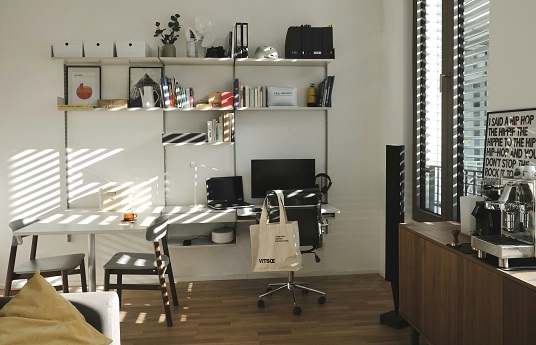
Creating an organized home office is essential for enhancing productivity and maintaining a focused work environment. To achieve a clutter-free workspace, it is important to adopt effective organization strategies. One popular method is to utilize vertical space through shelving units or wall-mounted storage. This approach not only frees up desk space but also keeps frequently used items within easy reach.
In addition, implementing storage solutions such as filing cabinets, drawer dividers, and decorative boxes can greatly assist in managing documents and supplies. Assign specific areas for different categories, such as supplies, stationery, and tech gadgets. This ensures that essentials are easily accessible, while minimizing the time spent searching for necessary items.
Another strategic decluttering method is the “one-in-one-out” rule, where you commit to removing one item for every new item you introduce into your workspace. This practice helps prevent an accumulation of unnecessary materials and promotes regular reviews of what you truly need in your office.
Establishing a cleaning routine is also beneficial for maintaining order. Setting aside a few minutes at the end of each workday to tidy up your desk and organize materials can make a significant difference over time. Additionally, daily use of digital tools, such as task management applications, can help keep your projects organized and ensure you stay focused on immediate priorities.
Finally, personalizing your workspace with minimalistic decor can encourage a sense of calm, reducing the potential for distractions. Consider functional decor, such as calendar boards or whiteboards that serve both aesthetic and practical purposes.
Choosing the Right Technology and Equipment
Establishing an efficient home office requires careful consideration of the technology and equipment that will best support productivity. A well-equipped workspace should include essential tools that not only facilitate work tasks but also streamline the overall workflow. Central to this setup is the computer, which acts as the hub for most professional activities. Whether opting for a desktop or a laptop, it is vital to choose a model that meets your specific work needs while providing adequate performance and speed.
In addition to a reliable computer, equipping your home office with a high-quality printer can enhance your efficiency, particularly for those who deal with physical documentation regularly. Investing in a multifunction printer may further optimize your setup, as these devices often combine printing, scanning, copying, and sometimes fax capabilities into one, ultimately saving space and reducing clutter.
Beyond these fundamental tools, various gadgets can provide additional support, allowing for a more productive environment. Ergonomic accessories should also be acknowledged, such as a comfortable keyboard and mouse, which can prevent strain during prolonged usage. Furthermore, a quality webcam and microphone are essential for virtual meetings, enabling clear communication with colleagues and clients.
A reliable internet connection is equally crucial to ensure that all technology functions efficiently. Home offices can benefit from a dedicated router, which provides a stable and fast internet service. Additionally, considering a wired connection over Wi-Fi may minimize disruptions during critical tasks. Regularly reviewing and updating your equipment ensures that your home office remains equipped to meet the challenges of modern work demands.
Creating a Work-Life Balance within Your Home Office
Working from home presents an array of unique challenges, particularly in maintaining a clear distinction between professional responsibilities and personal life. One of the primary obstacles faced by individuals in a home office setting is managing work-life balance. To promote productivity while preventing burnout, it is imperative to establish clear boundaries.
Firstly, creating a dedicated workspace can significantly enhance focus and productivity. This space should ideally be situated away from communal areas to minimize distractions. Designating a specific room or corner solely for work purposes fosters a psychological association between that space and productivity. Additionally, ensure that your workspace is ergonomically designed to support your physical well-being, which is essential for long-term work efficiency.
Equally important is the enforcement of boundaries. One effective strategy is to establish clear work hours and adhere to them rigorously. Communicate these hours to family members or housemates, reinforcing the importance of uninterrupted time for work tasks. During work hours, resist the temptation to engage in household chores or personal tasks, as this can blur the lines between work and personal life, leading to decreased productivity and increased stress.
Moreover, incorporate regular breaks into your routine to maintain motivation and high energy levels. Short intervals away from the screen can help recharge your mind, foster creativity, and ultimately enhance output. Using techniques such as the Pomodoro Technique—working in focused sprints followed by short breaks—can be particularly effective in sustaining attention and avoiding burnout.
Lastly, recognizing the signs of fatigue is crucial. Establish rituals to disconnect from work at the end of the day, such as a specific mind-clearing activity or relaxing hobby. By consciously transitioning from work mode to personal mode, you reinforce a healthier work-life balance and prevent the accumulation of stress. Ultimately, by setting clear boundaries, creating a dedicated work environment, and prioritizing well-being, individuals can successfully navigate the challenges of a home office while maintaining productivity and job satisfaction.
Conclusion and Lasting Tips for Your Home Office
Creating an effective home office is essential for maximizing productivity and maintaining focus in a remote work environment. Throughout this discussion, we have explored various design ideas that contribute to a functional and aesthetically pleasing workspace. One of the primary design principles emphasized is the importance of ergonomics. A comfortable desk and chair setup can alleviate physical discomfort, thus enabling longer periods of uninterrupted work.
Another significant aspect we covered is the strategic organization of your home office. Utilizing shelves, storage bins, and filing systems can help keep your workspace clutter-free, providing a calming atmosphere that fosters concentration. Additionally, it is crucial to ensure adequate lighting. Natural light is preferable, but if it’s lacking, consider adjustable lighting options that can prevent eye strain and create a pleasant ambiance.
Adding personal touches, such as art pieces or plants, can enhance the overall atmosphere, making your workspace more inviting and conducive to creativity. It is vital, however, to find a balance, as over-decorating might lead to distractions. Maintaining a clean and organized desk space is integral to your productivity, as it can reduce stress and enhance focus.
Lastly, remember that your home office is not a static environment. Regularly reassessing your office design, layout, and functionality ensures that it evolves alongside your work habits and personal preferences. Periodically updating your space can reinvigorate your workspace, maintaining motivation and enthusiasm for your tasks.
By following these lasting design tips and taking the time to curate an ideal work environment, you can significantly boost your productivity and overall job satisfaction while working from home.